Europe
Slovakia
"The country everyone flies over on the way to Prague — their loss, completely."
Where Bratislava's baroque streets end and the Tatra peaks begin, Slovakia reveals a Central Europe that tourism forgot to commodify.
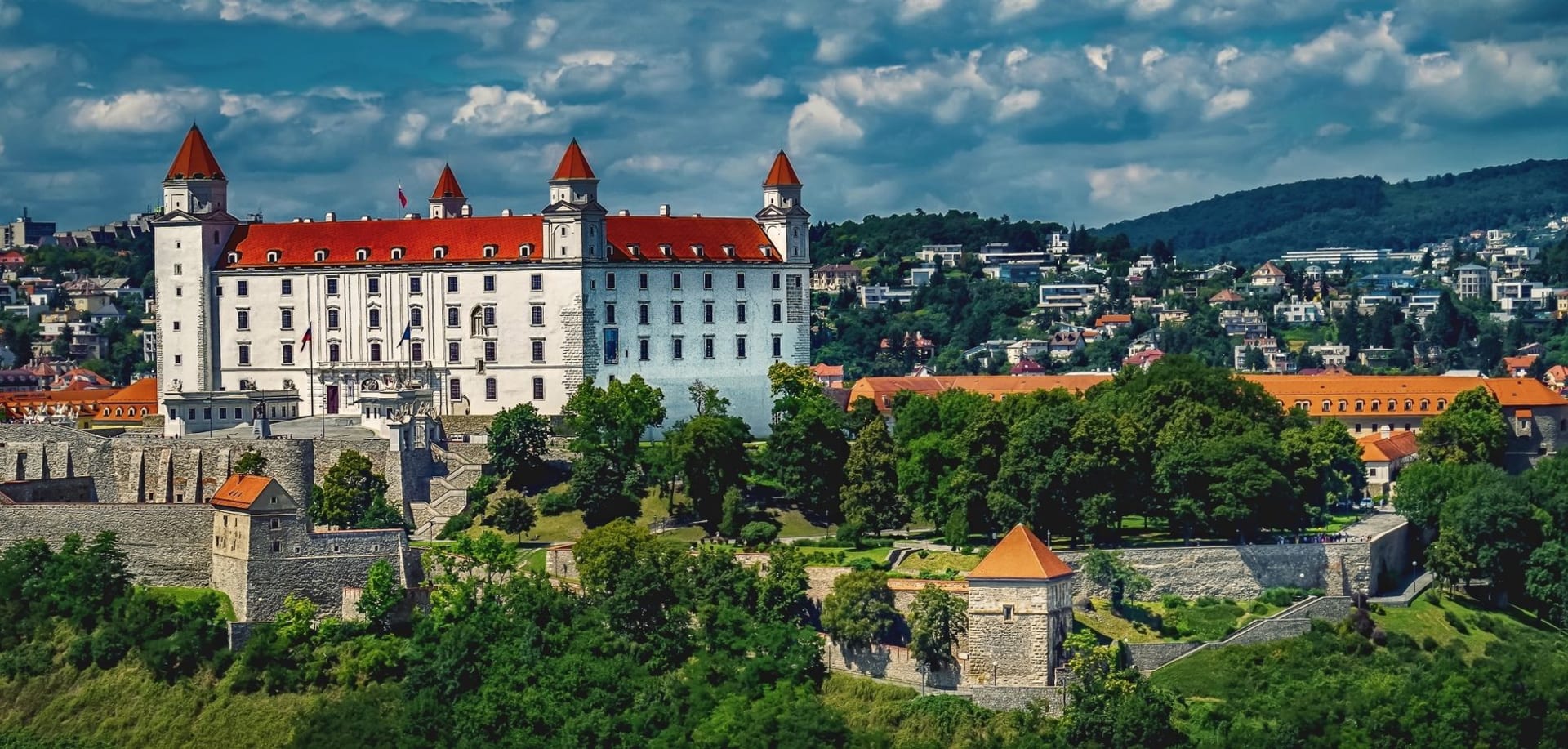
I arrived into Bratislava on an overnight bus from Budapest, half asleep, and the castle was already up there, lit white against the dark hill, watching the Danube from its four-cornered perch. My first thought: this is going to be a lot smaller than I expected. It is. Bratislava fits inside an afternoon, and that is part of its power. No cathedral-crawl fatigue, no map-versus-landmark frustration. The Old Town is genuinely walkable, and by mid-morning I had coffee at a terrace in Hlavné námestie, watched a group of locals argue cheerfully over a tram schedule, and felt something I rarely feel in European capitals anymore — the sense that the city was not performing for me.
Slovakia rewards the traveler who arrives with low expectations and an appetite for muted beauty. The High Tatras — Vysoké Tatry — are the sharp end of the country’s personality: peaks that reach above 2,600 meters, with hiking trails through glacial lakes and the kind of pine-and-granite silence that scrubs your head clean. Poprad is the gateway, unremarkable itself, but the mountain village of Štrbské Pleso has a glacial lake that turns silver in the late afternoon light. I walked around it twice without seeing another foreign tourist. In the east, Košice carries a slow, lived-in grace — a cathedral bigger than Bratislava’s, a pedestrian center lined with pastel facades, and a food market that smells of bryndzové halušky, the national dish: potato dumplings slicked with sheep’s bryndza cheese and scattered with fried lardons. It is heavy, caloric, and completely correct.
What makes Slovakia genuinely interesting to me, coming from a year and a half in Mexico, is the contrast in how people relate to their heritage. Here the folk traditions are not touristic props — the village festivals in central Slovakia, the wooden folk architecture in the Orava region, the embroidered textiles sold in the Banská Bystrica market — all of it feels integrated into daily life in a way that Western Europe lost decades ago. Bardejov in the northeast, a UNESCO-listed medieval town with a perfectly preserved town square, received exactly eight other visitors the morning I walked it.
When to go: May and June for hiking weather and wildflower meadows at lower elevations. September is ideal — warm enough to hike the Tatras, cool enough to appreciate the cities, and the summer crowds (modest by European standards anyway) have thinned. December brings Christmas markets to Bratislava and Košice that are genuinely charming, without the crushing tourism of Vienna or Prague.
What most guides get wrong: They treat Slovakia as a budget-travel footnote to its neighbors. But the country is not Prague’s cheaper understudy — it is a different register entirely. Quieter, more rural, more honest about what it is. The bryndzové halušky will not photograph as well as a croissant in Paris. The Tatra trails will not trend on Instagram. That is exactly why they are worth the trip.
Explore
Places in Slovakia
 slovakia
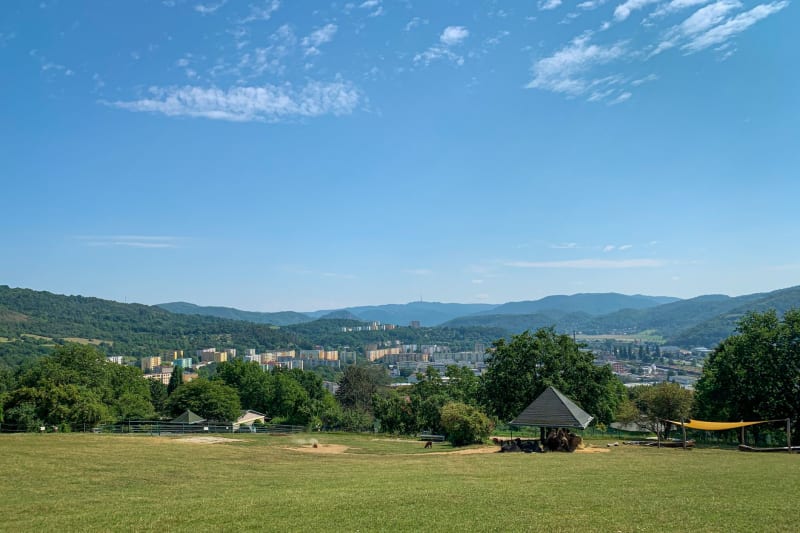
 Banská Štiavnica
A UNESCO-listed mining town folded into Slovak hill country, where baroque fountains share streets with rusting ore-cart infrastructure and the whole place smells faintly of iron and history.
Explore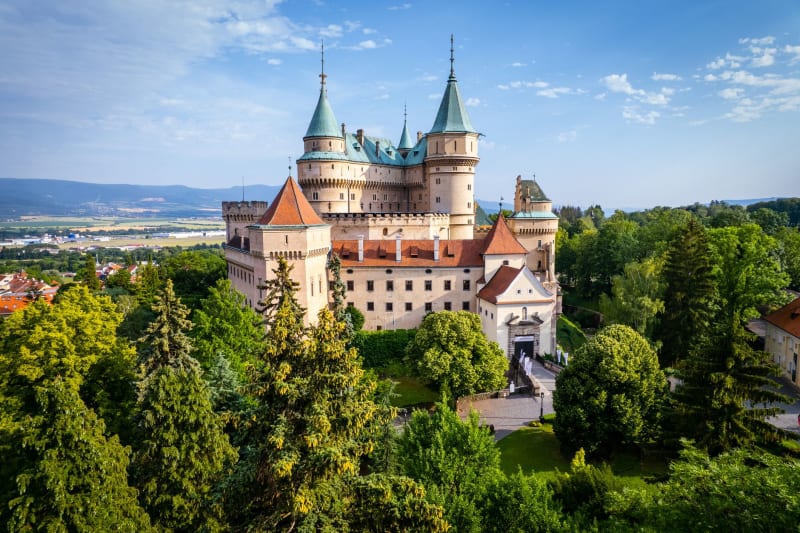 slovakia
 Bojnice Castle
A fairy-tale castle above a spa town that looks like it was constructed specifically for a novel — the romantic excess is absolutely intentional, and that makes it fascinating rather than embarrassing.
Explore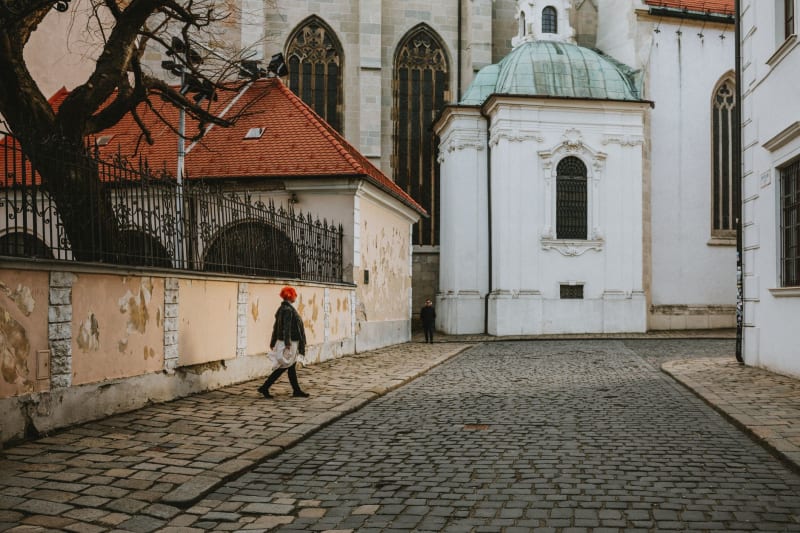 slovakia
 Bratislava
A compact baroque capital that rewards slow walkers — the Old Town fits inside an afternoon but reveals itself only to those who stay past dark.
Explore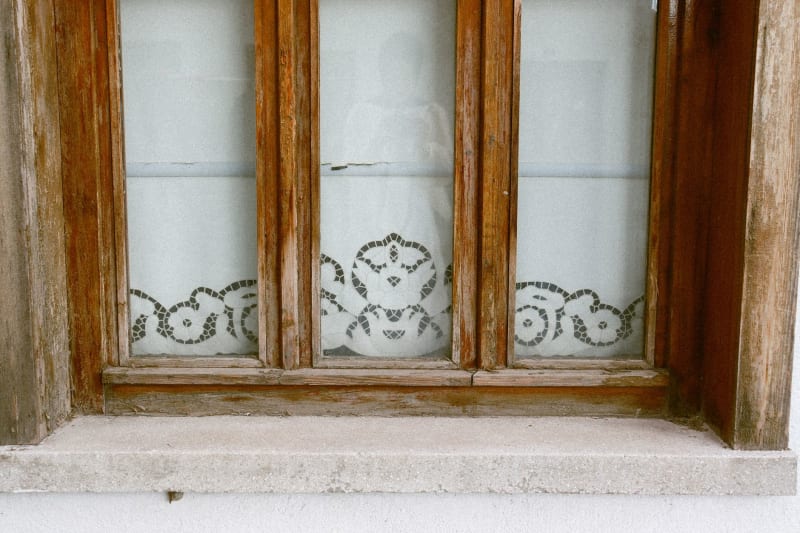 slovakia
 Čičmany
A village where every wooden house is painted with white geometric folk patterns, creating the most visually singular streetscape in Central Europe — and it's still entirely inhabited.
Explore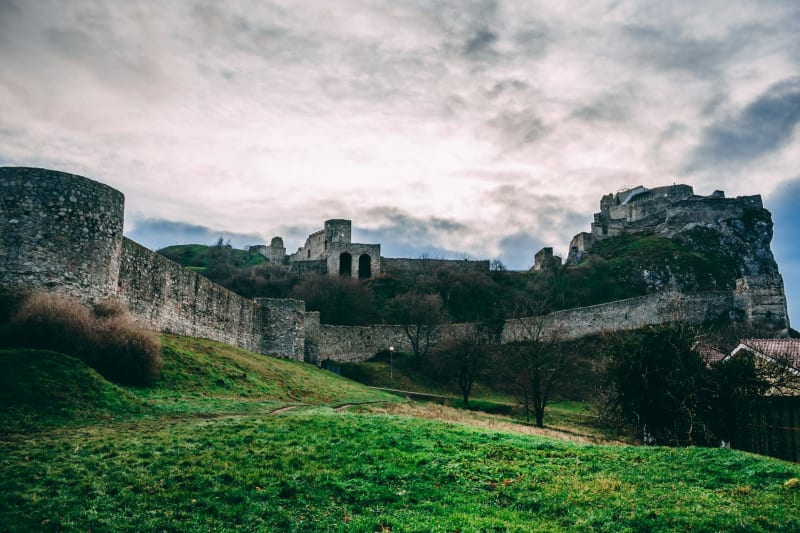 slovakia
 Devin Castle Bratislava
A ruined castle above the confluence of the Danube and Morava rivers where Slovak nationalists gathered before independence.
Explore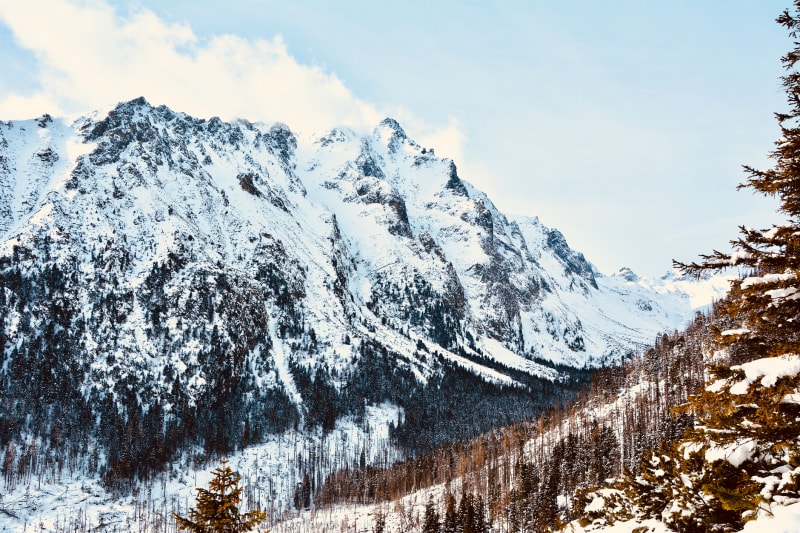 slovakia
 High Tatras
The smallest alpine range in the world punches far above its weight — granite peaks, glacial lakes, and hiking trails that feel genuinely serious.
Explore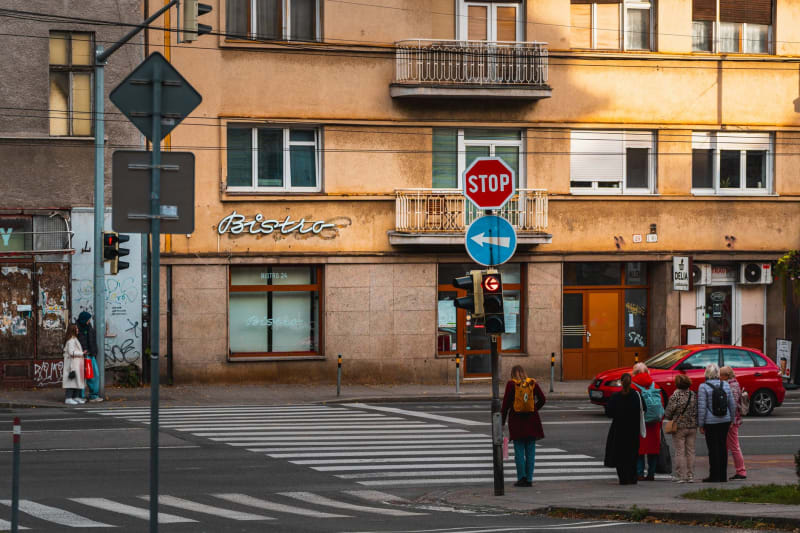 slovakia
 Košice
Slovakia's second city is Eastern Europe at its most underestimated — a Gothic cathedral, a main street built for strolling, and a food scene that has no interest in being compared to Bratislava.
Explore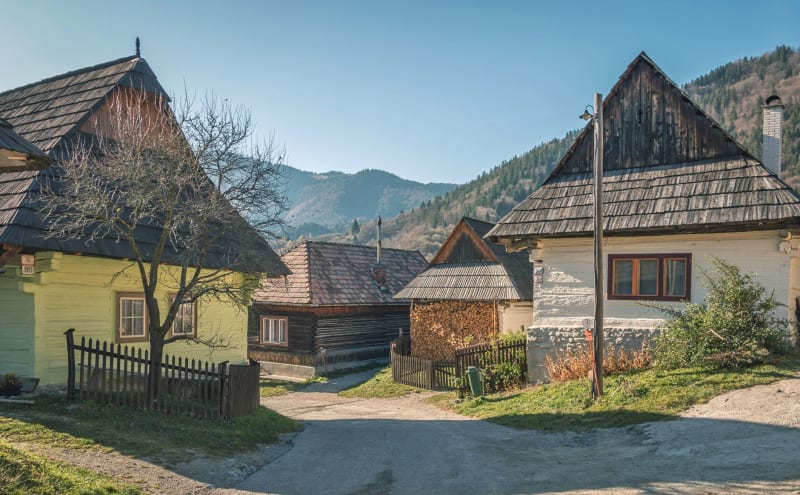 slovakia
 Levoča
A medieval walled town with its original fortifications almost entirely intact and a church interior that contains the tallest Gothic wooden altarpiece ever built — obscure, extraordinary, and largely left to itself.
Explore slovakia
 Orava Castle
A medieval fortress stacked in three vertical tiers on a sheer limestone crag above the Orava River — the most dramatic castle silhouette in Slovakia and one of the most structurally audacious in Central Europe.
Explore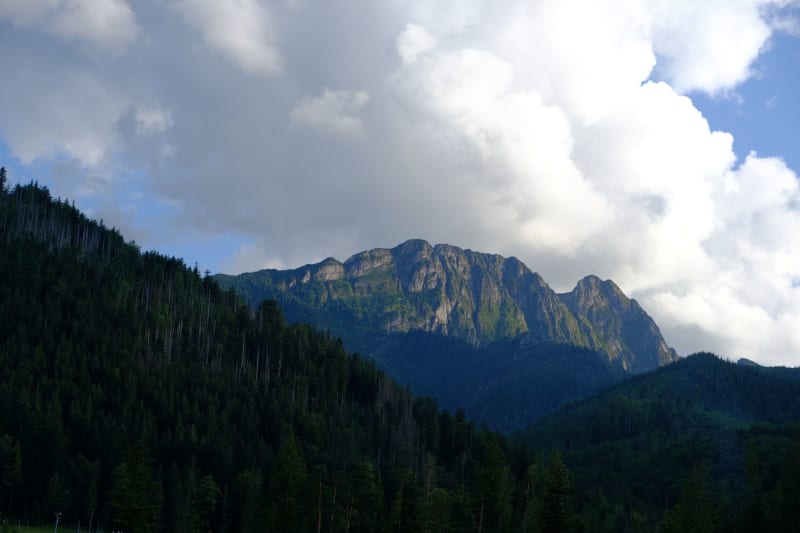 slovakia
 Slovak Paradise
A national park of deep limestone gorges, wooden ladders bolted to wet rock faces, and waterfalls you have to climb through rather than simply look at — hiking as genuine adventure rather than scenic strolling.
Explore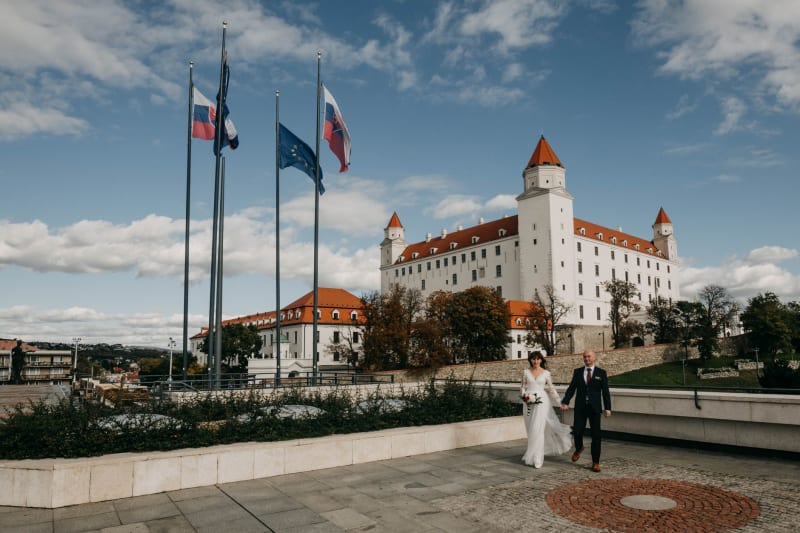 slovakia
 Spiš Castle
One of the largest castle ruins in Central Europe, sprawled across a bare travertine hill above the plains of eastern Slovakia like a stranded white ship.
Explore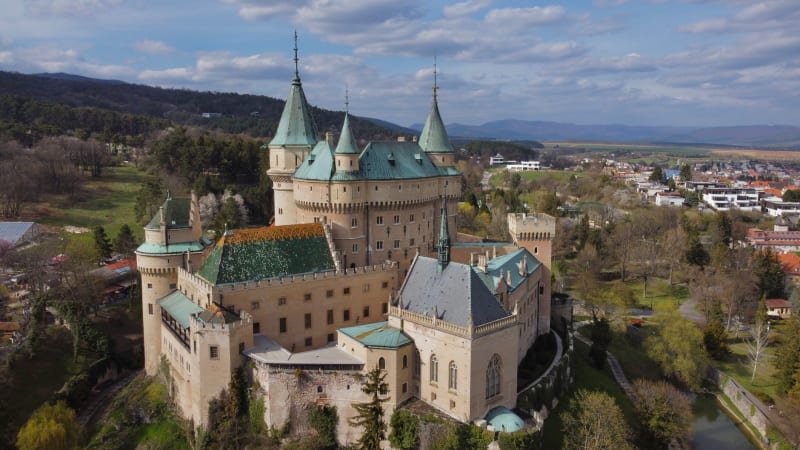 slovakia
 Trenčín
A Western Slovak city where a Roman legionary inscription carved into living rock two thousand years ago sits at the base of a medieval castle that has watched the Váh valley ever since.
Explore