A hushed forest lake in West Sikkim where locals say birds keep the water clear of every fallen leaf.
We got to Khecheopalri Lake after a drive that had Lia gripping the door handle for most of West Sikkim, and then a short walk down through the trees where the noise of the road just fell away. I remember stopping mid-step because the quiet felt almost solid, like something you could lean on. The lake itself is small — smaller than I expected for a place with this much reverence attached to it — sitting at around 1,700 meters, ringed by forest so dense it seems to close in around the water rather than just border it.
A man selling tea near the entrance told us, without us even asking, that no one fishes here and no one swims, and that birds are the ones who keep the surface clean, plucking off any leaf that dares to fall. I don’t know if I believe the second part literally, but I believed it enough standing there — the water really was that still, that clear, reflecting the tree line like a pane of glass someone had polished that morning. Lia pointed out that from certain angles on the hillside above, the lake is shaped like a footprint, which is why people connect it to the goddess Tara. We tried to trace the shape ourselves and only half convinced ourselves we could see it.
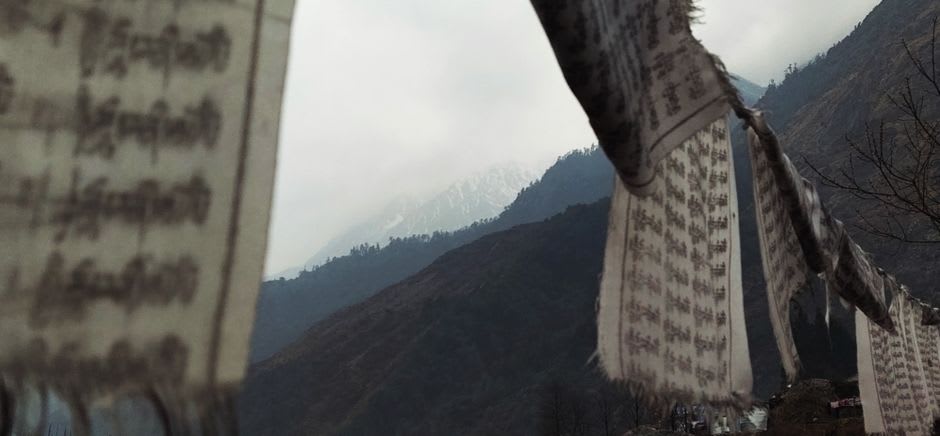
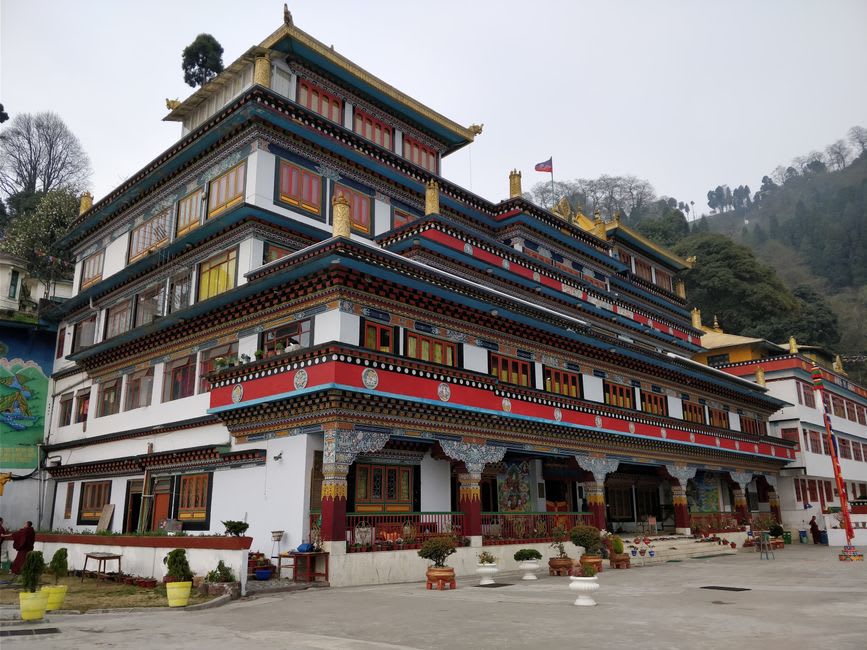
What struck me most was how the lake functions as a hinge point between two different worlds of belief that somehow don’t compete with each other. Buddhists here call it wish-fulfilling and trace its holiness to Guru Padmasambhava; the Lepchas, who were living in these hills long before anyone else, hold it just as sacred as the earliest people of this land. Up above the water sits Khecheopalri Monastery, first built in the 19th century and rebuilt more than once since, marking this spot as a stop on a pilgrimage route that predates any of us walking through it with cameras.
We ended up sitting on a rock near the water for longer than we planned, not talking much, just watching the light shift on the surface. It’s the kind of place that doesn’t need you to do anything — no viewpoint to climb, no ritual you have to perform — it just asks you to slow down, which honestly might be the harder task.
When to go: We’d point you toward October to December, when the mountain air clears and, some years, you might catch the Bumchu festival period — though March to May has its own quiet appeal, with the forest around the lake coming into bloom.
Keep exploring
More from Sikkim
 sikkim
 Lachung
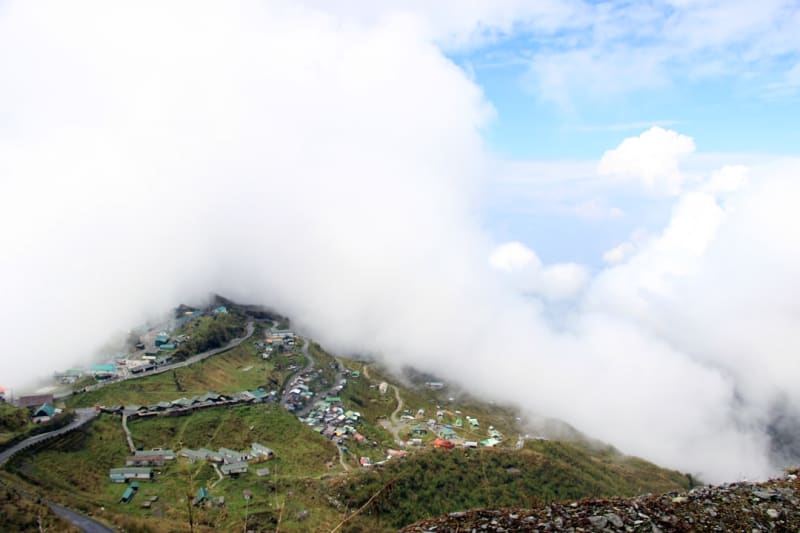
A stone-and-timber village at 2,750 meters in North Sikkim where the Teesta and Lachung rivers converge and the road beyond leads to places that still require military permits to reach.
Explore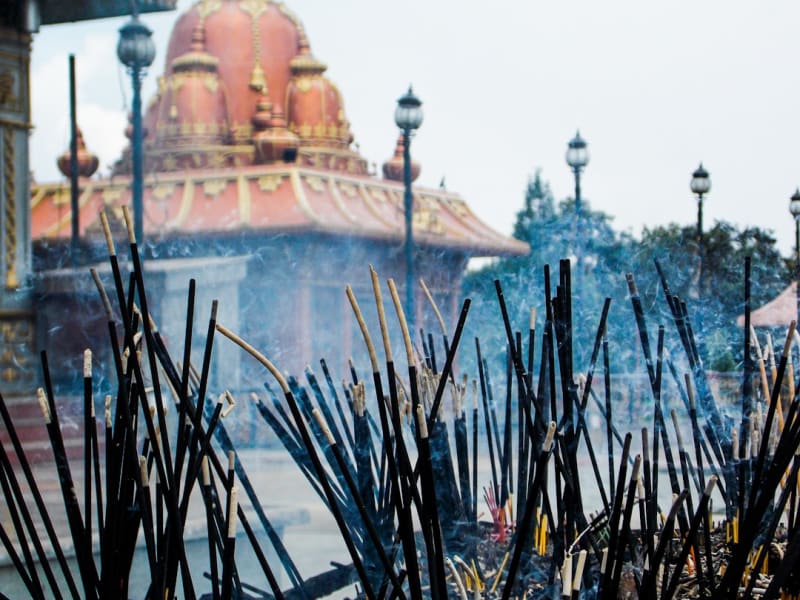 sikkim
 Namchi
South Sikkim's administrative capital where two hilltop complexes face each other across the valley — one dedicated to Shiva, one to the four founding Siddhas of Sikkim — and the whole town smells of marigold garlands on festival days.
Explore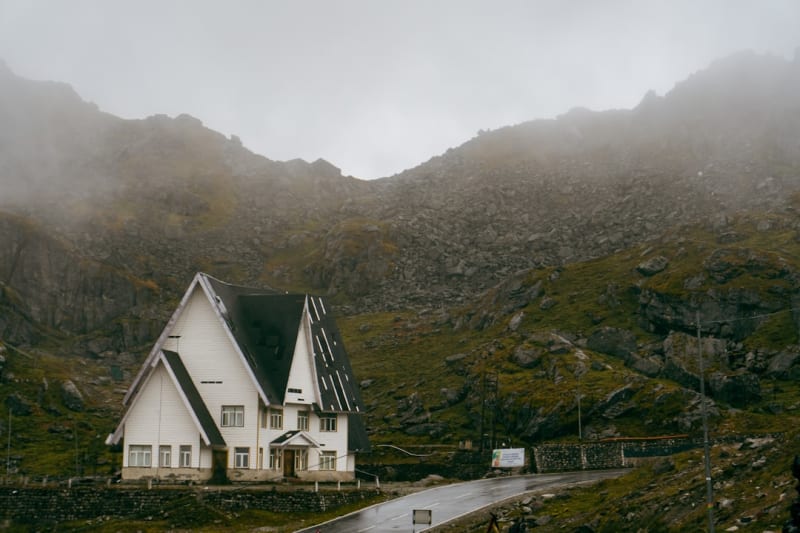 sikkim
 Nathula Pass
A 4,310-meter mountain pass on the India-China border where two armies stand fifty meters apart and the wind off the Tibetan plateau makes your eyes water before you can stop it.
Explore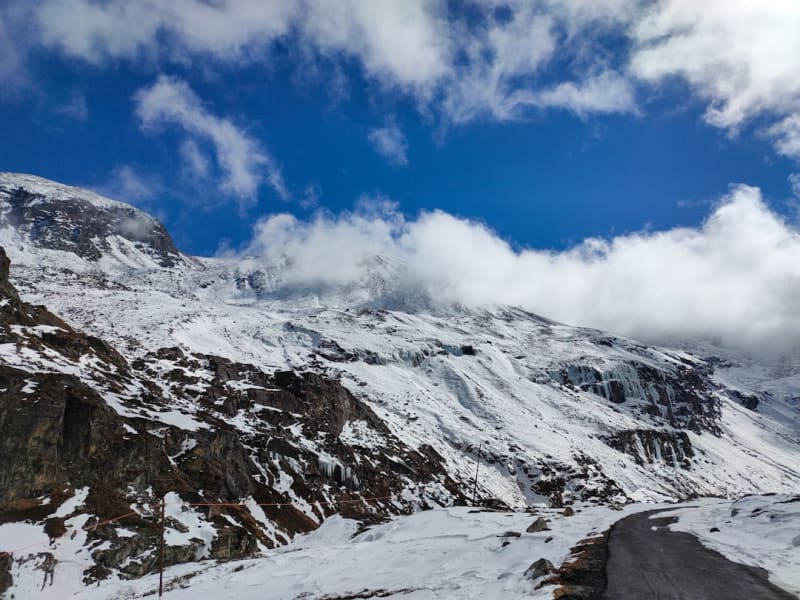 sikkim
 Pelling
A quiet ridge town in West Sikkim where Kangchenjunga fills the entire western sky and the morning light turns every white peak into something that doesn't seem real.
Explore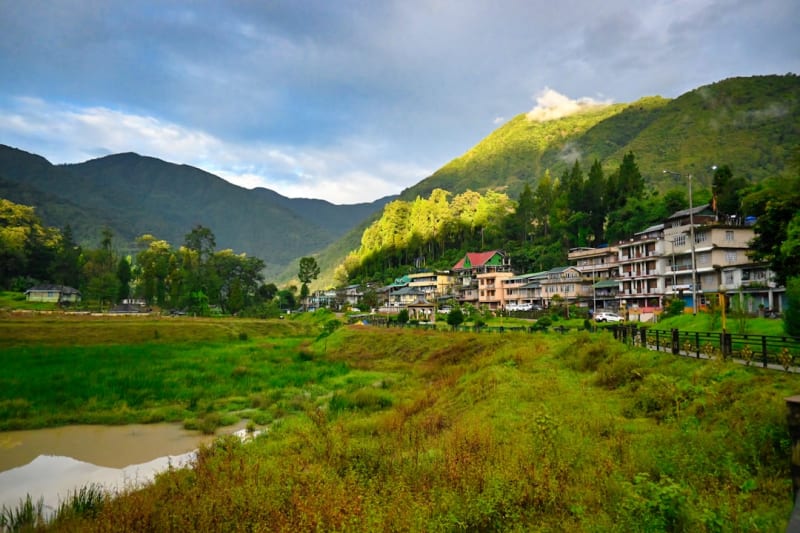 sikkim
 Ravangla
A ridge town in South Sikkim where a 130-foot Buddha watches over the valley below and the mornings come with views of the Kangchenjunga range that the tourist buses haven't quite discovered yet.
Explore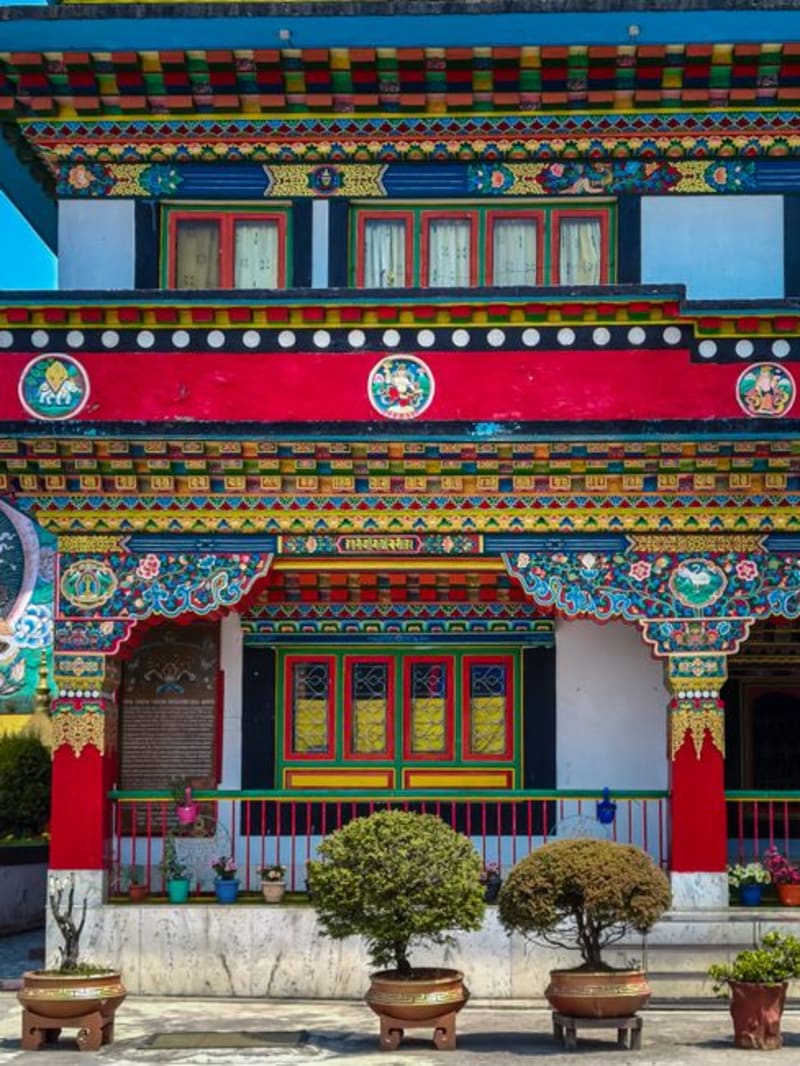 sikkim
 Rumtek Monastery
The largest monastery in Sikkim, rebuilt in exile and still humming with maroon-robed monks, butter lamps, and a golden stupa full of relics.
Explore