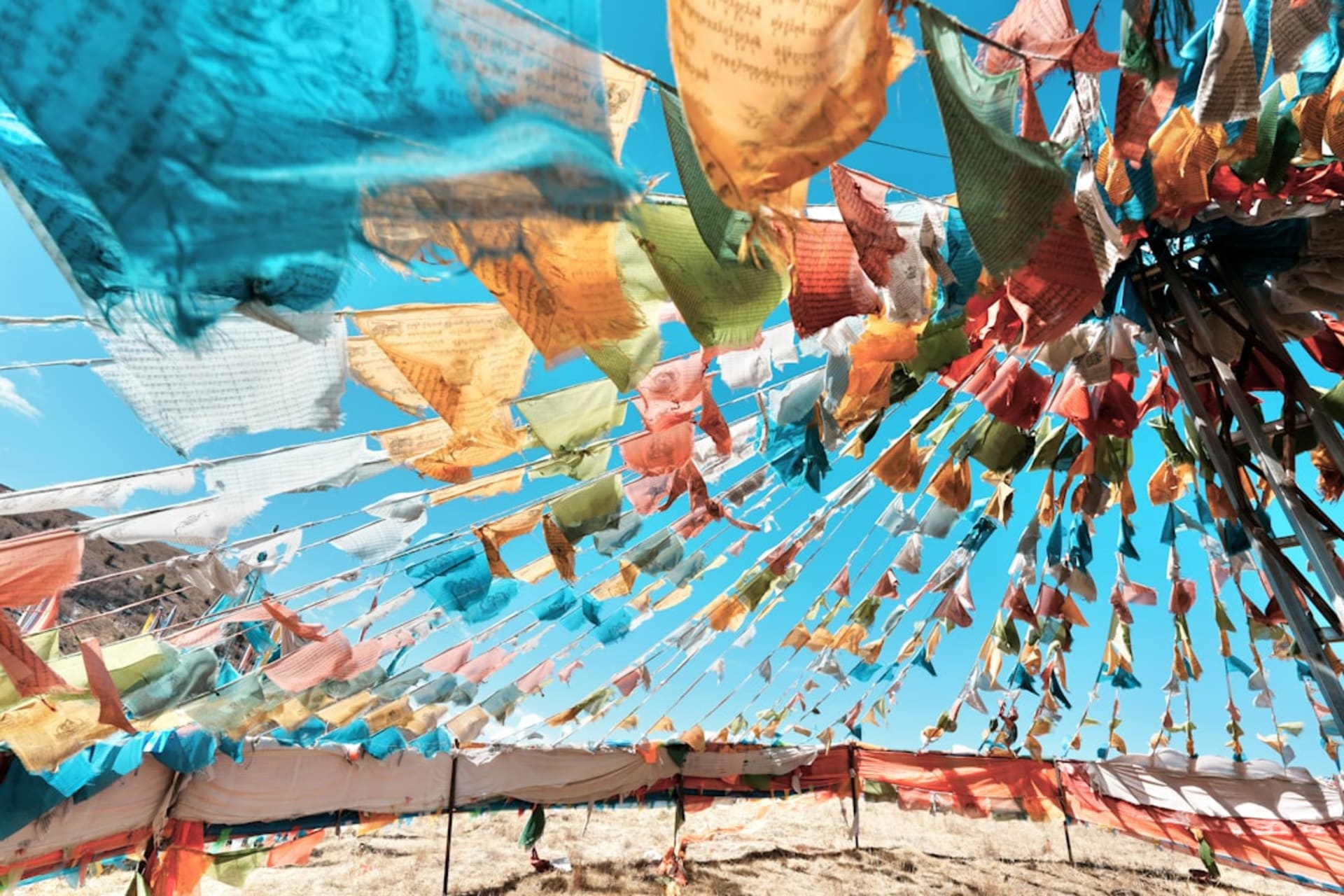
Langzhong
"The vinegar master showed me a batch from 1987 like a winemaker showing a grand cru. The comparison is not as absurd as it sounds."
A remarkably intact ancient town on the Jialing River bend where Tang, Ming, and Qing dynasty streets survive as working neighborhoods rather than museum exhibits, and the local vinegar has been aging in clay jars for the better part of three centuries.

A Town That Didn’t Need Reinventing
Most ancient towns in China have been restored: the old buildings demolished, replicated in new materials with better plumbing, and then sold back to visitors as heritage. Langzhong is different in degree if not entirely in kind. The historic core — about two square kilometers — is still lived in by the families who have been there for generations, the courtyard houses functional rather than staged, the narrow lanes smelling of woodsmoke and cooking oil rather than fresh lacquer and tourist-grade incense.
I arrived in the evening when the day visitors had mostly gone and the residents were out on their doorsteps. An old man was playing chess with himself on a low table, moving one side and then the other with complete impartiality. Swallows were doing what swallows do above the upturned eaves. The Jialing River caught the last light on its near bend. Langzhong occupies the interior of that bend — one of those geographic positions, like an oxbow cut from its original course, that provided defensive logic in the era when defensive logic was required.
The Streets and What They Hold
The historic district is organized around a grid of lanes — huí-shaped intersections designed according to fengshui principles that are still cited in local conversation with the same matter-of-factness that people elsewhere use to discuss drainage. The courtyard houses (sìhéyuàn) open onto the street through screen gates; from outside you can see through to interior gardens, potted citrus, a pile of winter cabbages, the blue flicker of a television. The architecture is not uniformly ancient — repair and addition have happened continuously — but the scale and the street widths haven’t changed.
Zhang Fei Temple is the main draw and it’s earned: the general of the Three Kingdoms period was prefect here and is remembered with a ferocity of local pride that suggests he died about forty years ago rather than in 221 AD. His temple is large, well-maintained, and populated on weekend mornings by residents burning incense with an intensity that doesn’t read as tourism.
The Vinegar
Langzhong’s Baoning vinegar has been produced here since the Qing Dynasty, and the factory that makes it is old enough to have clay fermentation jars that predate the People’s Republic. I took the tour, which involved walking through rooms where the vinegar smell was so concentrated it functions almost as a solid — a sharp, complex, dark-fruit smell that coats the inside of the nose. The process involves sixty-plus ingredients including herbs, spices, and locally grown barley, fermented for months or years depending on the grade.
The vinegar master — a woman in her sixties who had been working there for forty years — handed me a small cup of the five-year aged variety. It was nothing like the thin, sharp stuff I knew from cookbooks. Sweet and sour in near-equal measure, with a depth that lingered. I bought three bottles and spent the rest of the trip worrying about whether my bag would survive them.
Morning on the River
The best hour in Langzhong is the morning hour on the river walkway. Fishermen set out early in narrow boats, fog sits in the bends, and old women do group exercises on the embankment with the synchronized seriousness of professional athletes. Tea is available from a cart for a price that I double-checked because I thought I’d misread it. I sat on the steps down to the water with a plastic cup of jasmine tea and watched the river come awake. The eaves of the old town were just visible above the embankment wall. This is the situation Langzhong has been offering to travelers for several hundred years, and it has not run out of it.
When to go: March through May for mild temperatures and the lantern festival preparations. September and October are ideal — clear skies, comfortable walking weather, and the river at a good level. The Spring Festival period (January–February) brings elaborate lantern displays in the historic district but also crowds and accommodation shortages. Summer is hot and humid but functional.
Keep exploring
More from Sichuan
 sichuan
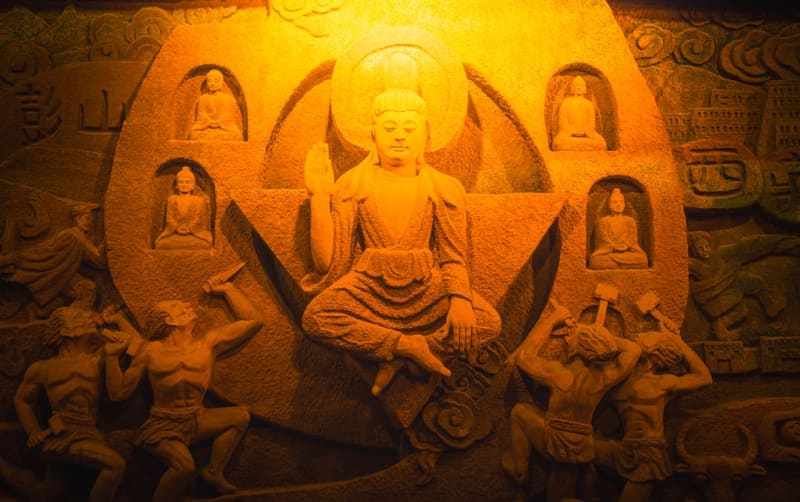
 Leshan
Where three rivers collide at the feet of the world's largest stone Buddha, carved into a cliff face over ninety years by monks who hoped to calm the currents below.
Explore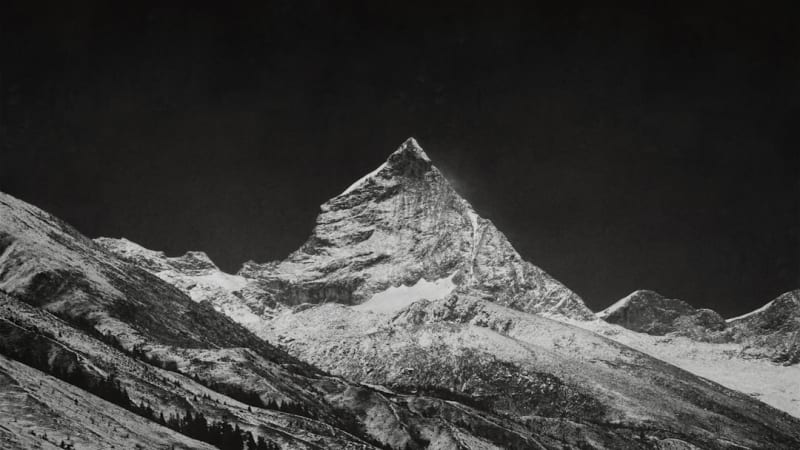 sichuan
 Siguniang Mountain
Four dramatic snow peaks — the Four Girls Mountain — preside over a tangle of hiking valleys where birch forests, glacial streams, and Tibetan farmhouses exist in the kind of proportion that makes you suspicious of superlatives until you're standing inside one.
Explore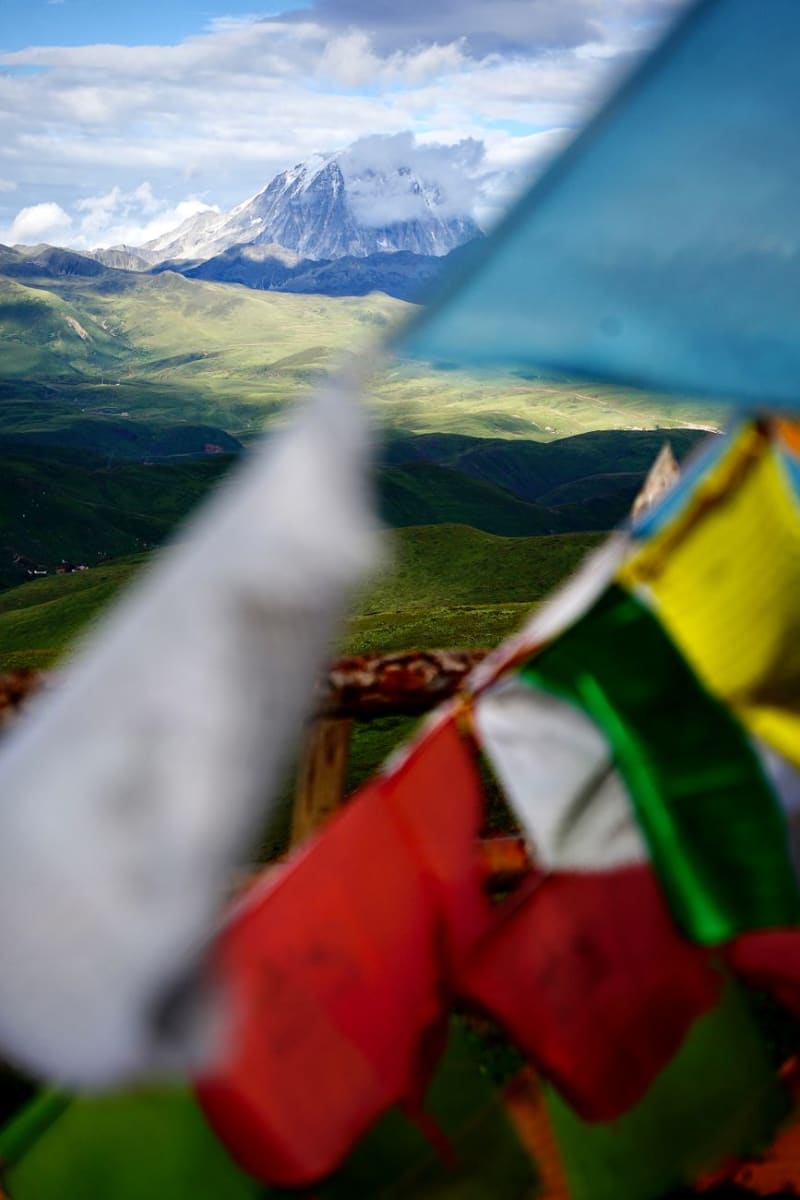 sichuan
 Songpan
A walled garrison town on the upper Min River where the old Tea Horse Road still runs through the city gates, and where the fastest way out of town is on the back of a horse.
Explore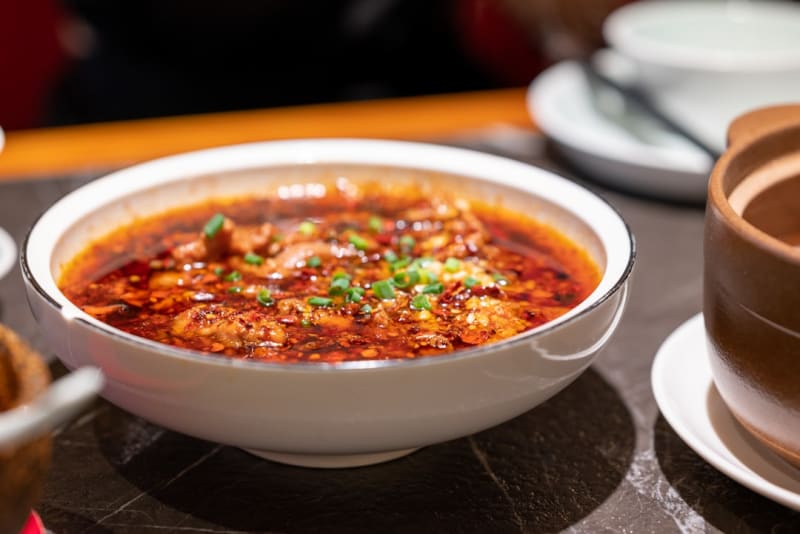 sichuan
 Zigong
A mid-sized industrial city that happens to sit above one of the world's richest Jurassic dinosaur fossil beds, built its wealth on ancient salt wells, and throws the most elaborate lantern festival in China — all three facts equally improbable, equally true.
Explore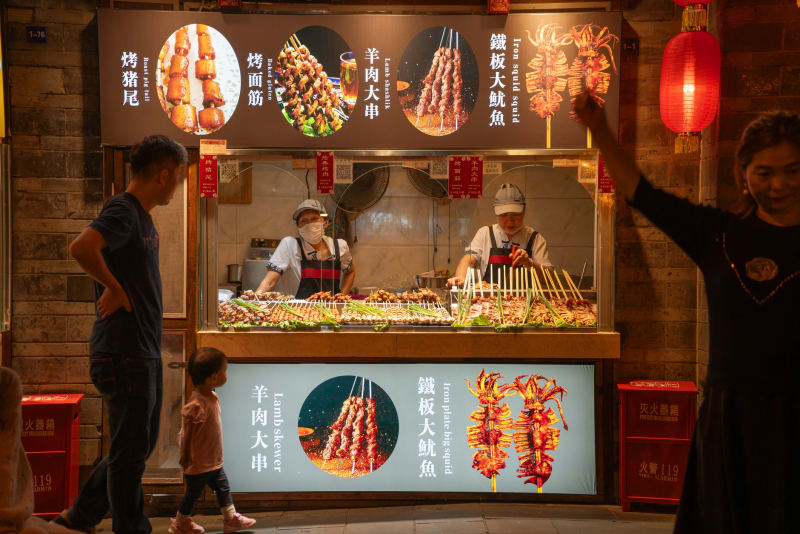 sichuan
 Chengdu
China's most unapologetically leisurely city, where the pace slows to mahjong tiles and chili oil arrives before the menu does.
Explore sichuan
 Danba
Ancient Tibetan watchtowers rise from terraced hillsides above a river valley where stone-and-timber farmhouses have barely changed in a thousand years, and women wear coral and turquoise the way others wear practicality.
Explore