Chengdu
"Chengdu taught me that leisure can be pursued with as much dedication as ambition."
China's most unapologetically leisurely city, where the pace slows to mahjong tiles and chili oil arrives before the menu does.

I had been warned about the heat but not about the pace. Chengdu moves slowly, deliberately — and not from any lack of energy, but from a deep collective conviction that life is better lived sitting down, with tea, among people you may or may not know yet. I understood this on my second morning, when I wandered into the courtyard of Wenshu Monastery and found twenty elderly men playing cards under the shadow of cypress trees, mahjong tiles clicking from somewhere behind a stone wall, and a thermos of jasmine tea being passed between strangers with the casual ease of people who have been doing this for decades. Nobody looked like they were waiting for anything. Nobody was.
The tea houses of Chengdu are not tourist attractions. They are infrastructure. In Renmin Park, the outdoor tea garden spreads across what feels like a full hectare of bamboo chairs and low wooden tables, hundreds of people arranged in the loose geometry of afternoon idleness, waiters moving through with long-spouted kettles topping up cups for less than a dollar an hour. I sat there for most of an afternoon watching ear cleaners work on customers at neighboring tables — an almost extinct urban service, conducted with a set of tiny tools and an expression of intense professional concentration — and felt the city recalibrate something in me.
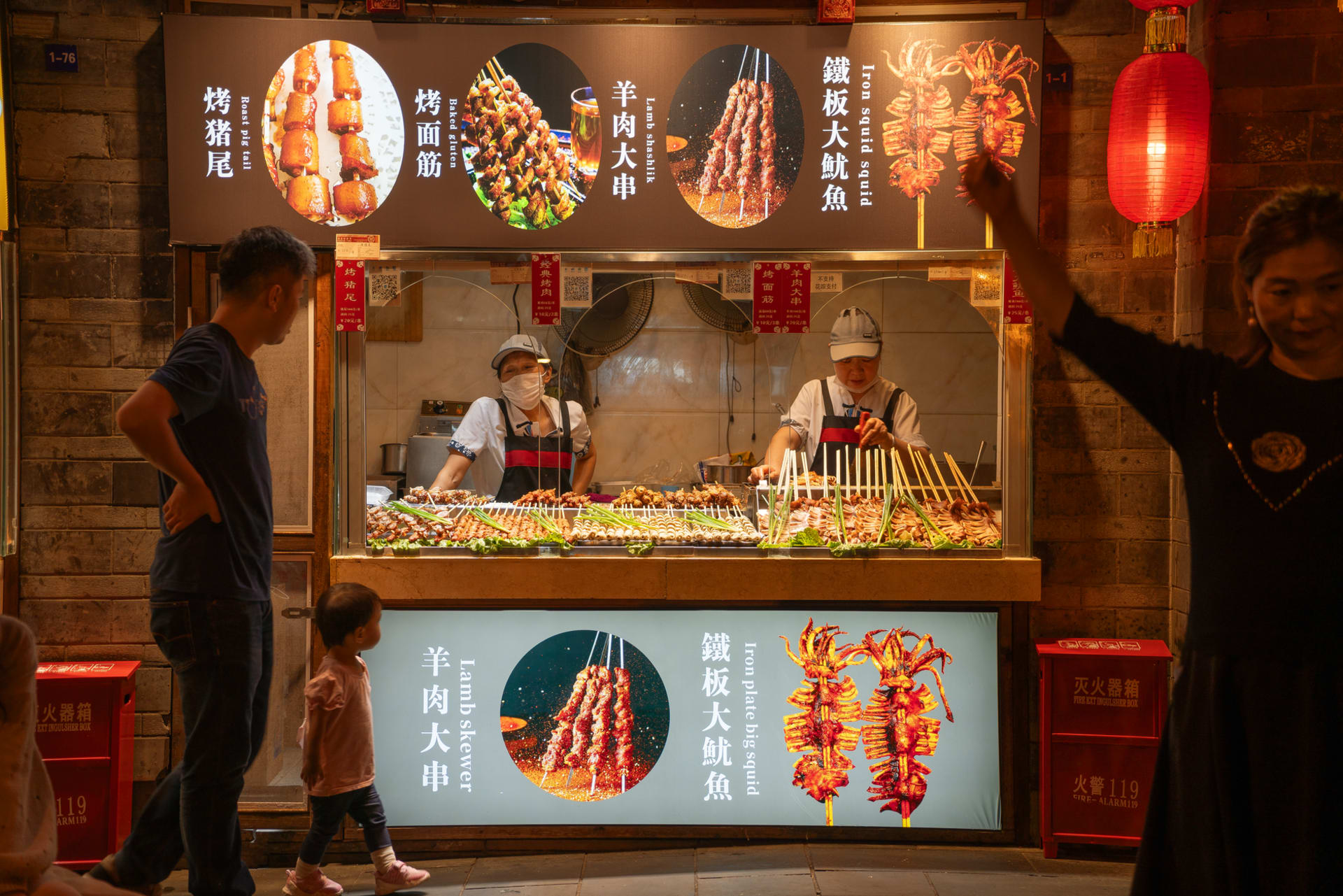
The food is the other reason to stay longer than you planned. Dan dan noodles arrived rust-red in a stone bowl, the Sichuan peppercorns hitting about thirty seconds in — not heat, not exactly, but that strange electric numbness that climbs across your lips and makes your tongue feel like it is vibrating at a frequency slightly above what food has any right to cause. Mapo tofu at a neighborhood restaurant on Yulin Road came trembling in a pool of chili oil with cubes of silken tofu so soft they collapsed at the touch of a chopstick. Hot pot at midnight, surrounded by locals who had clearly come straight from work and were ordering with the confidence of people who eat like this several times a week. I ate better in Chengdu, more consistently, for less money, than almost anywhere else on earth.
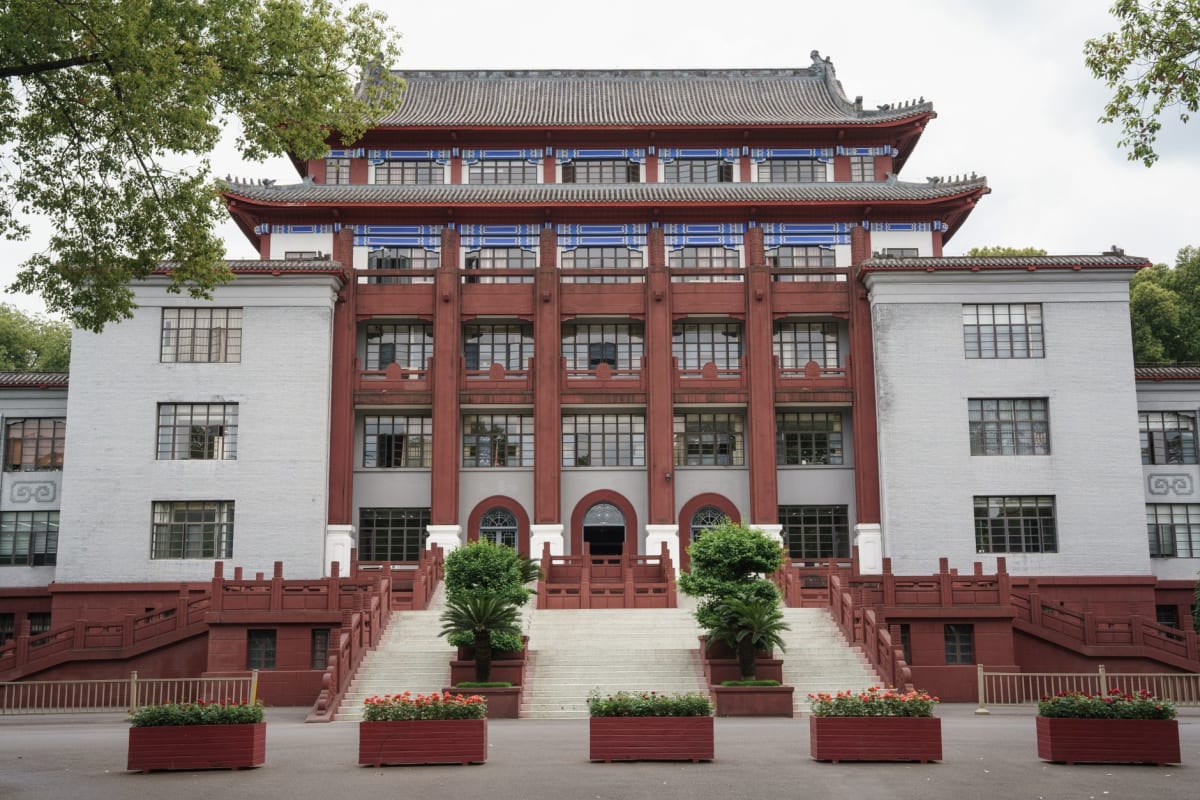
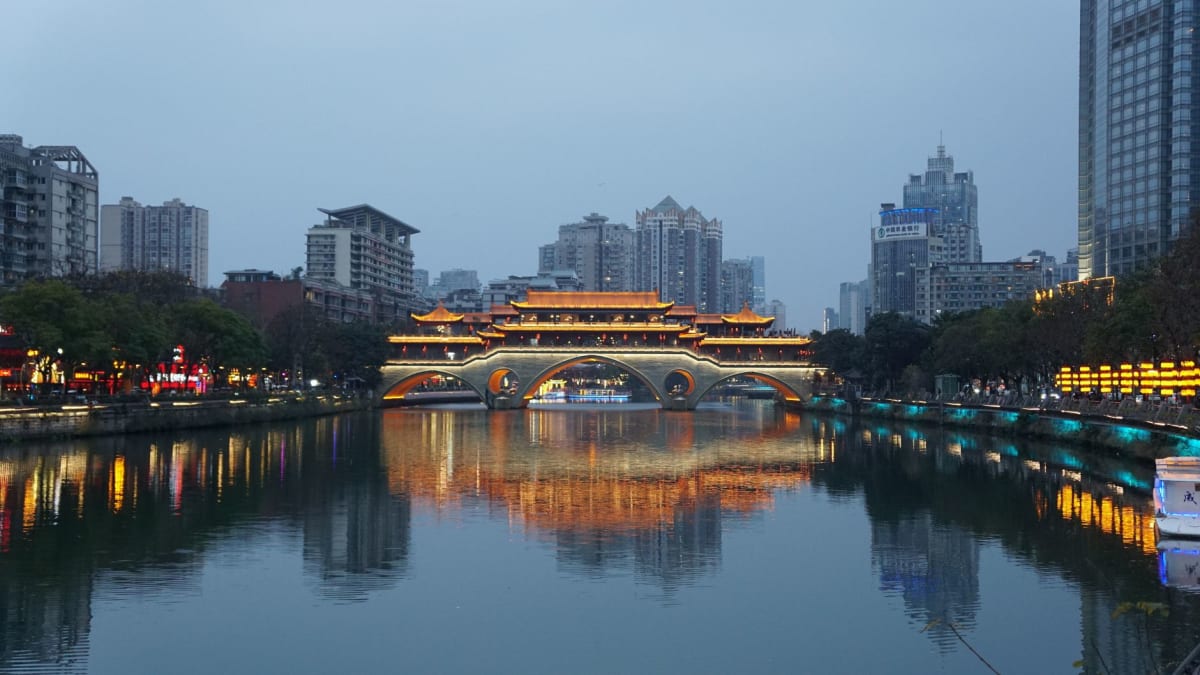
Beyond the food and the tea, the city surprised me with its size and its modernity — wide boulevards, a metro system that actually works, gleaming shopping districts that feel designed for inhabitation rather than performance. Jinli Street is touristy and worth visiting anyway for the architecture and the skewered rabbit head vendors. The Chengdu Research Base of Giant Panda Breeding is best visited at seven in the morning before the gates open to tour groups — the cubs play in the mist-filtered light of the bamboo enclosures and the guides have not yet started shouting into microphones. It is one of those experiences I cannot explain the power of, only report it: standing three meters from a panda eating bamboo with the total focus of an animal that has decided nothing else matters.
When to go: March through May is ideal for the panda base, when the previous year’s cubs are still small and the weather is mild. October and November bring a cool, clear autumn and thinner crowds. Avoid July and August — the heat in Chengdu’s basin becomes genuinely oppressive, and the humidity compounds everything.
Keep exploring
More from Sichuan
 sichuan
 Danba
Ancient Tibetan watchtowers rise from terraced hillsides above a river valley where stone-and-timber farmhouses have barely changed in a thousand years, and women wear coral and turquoise the way others wear practicality.
Explore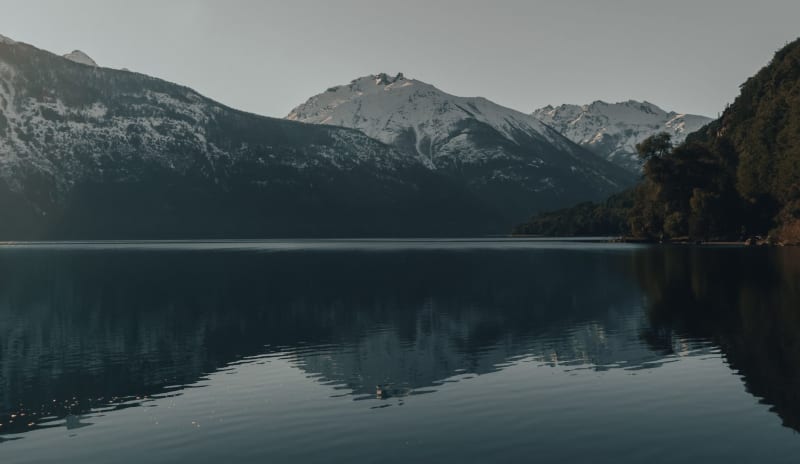 sichuan
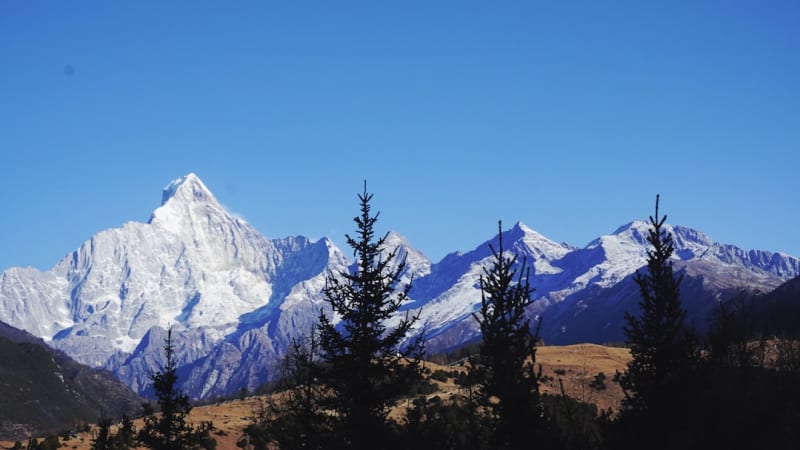
 Daocheng Yading
Three sacred Tibetan snow peaks rising from a high plateau of alpine meadows and turquoise lakes so remote that reaching them feels like its own form of devotion.
Explore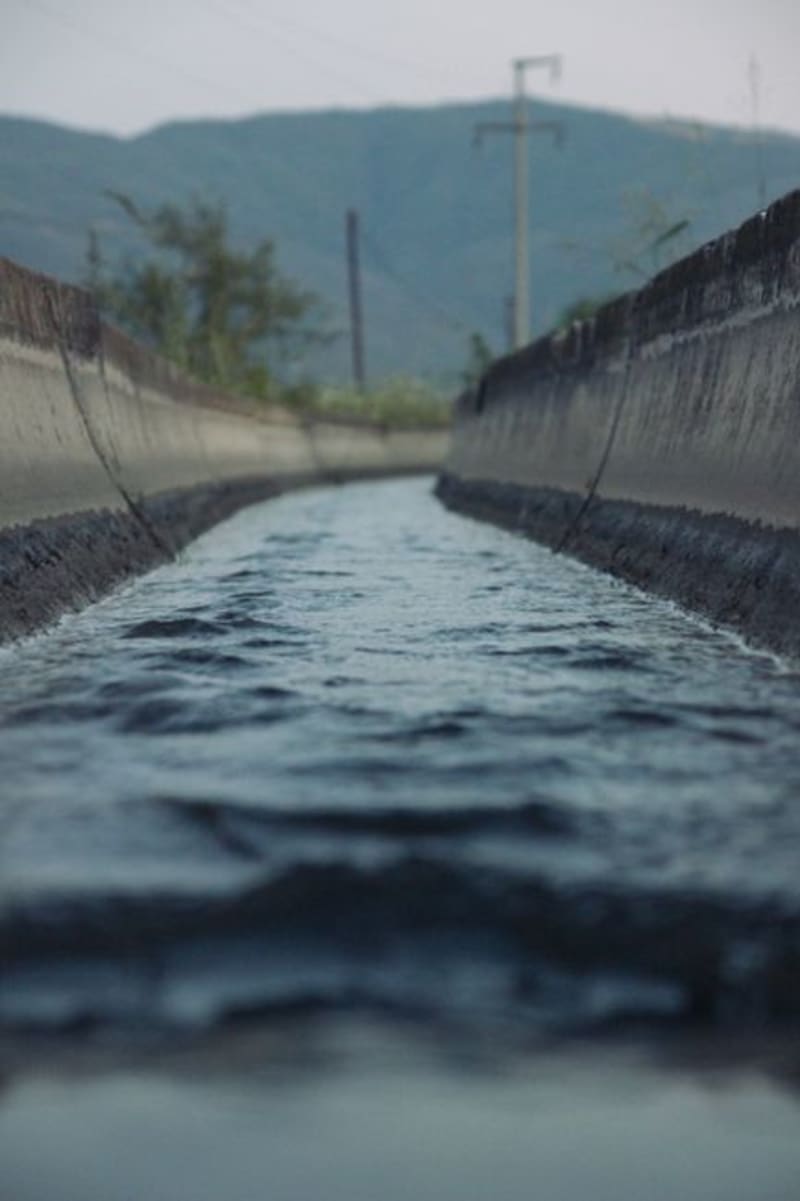 sichuan
 Dujiangyan
A 2,200-year-old irrigation system near Chengdu that still waters the plain today, no dam required, just brilliant engineering.
Explore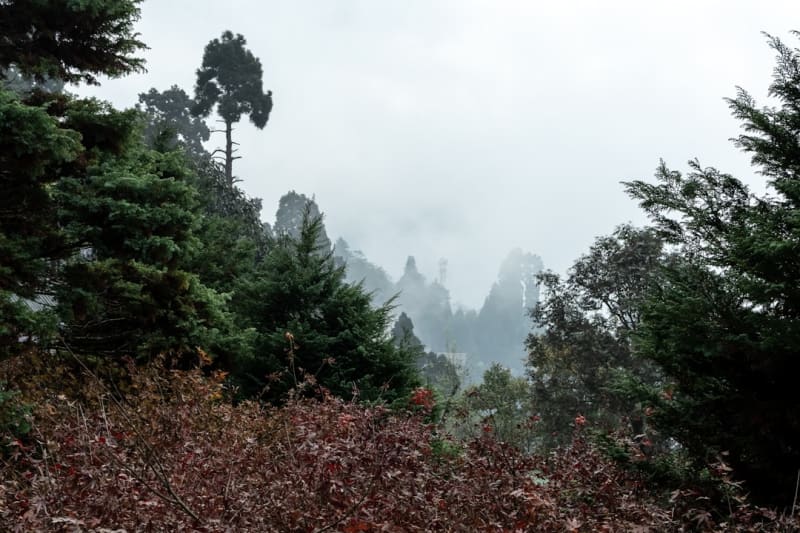 sichuan
 Emei Shan
A sacred Buddhist mountain where pilgrims in cotton robes climb through cloud-wrapped forests past macaque gangs and ancient monasteries toward a golden summit that sometimes floats above the sea of mist.
Explore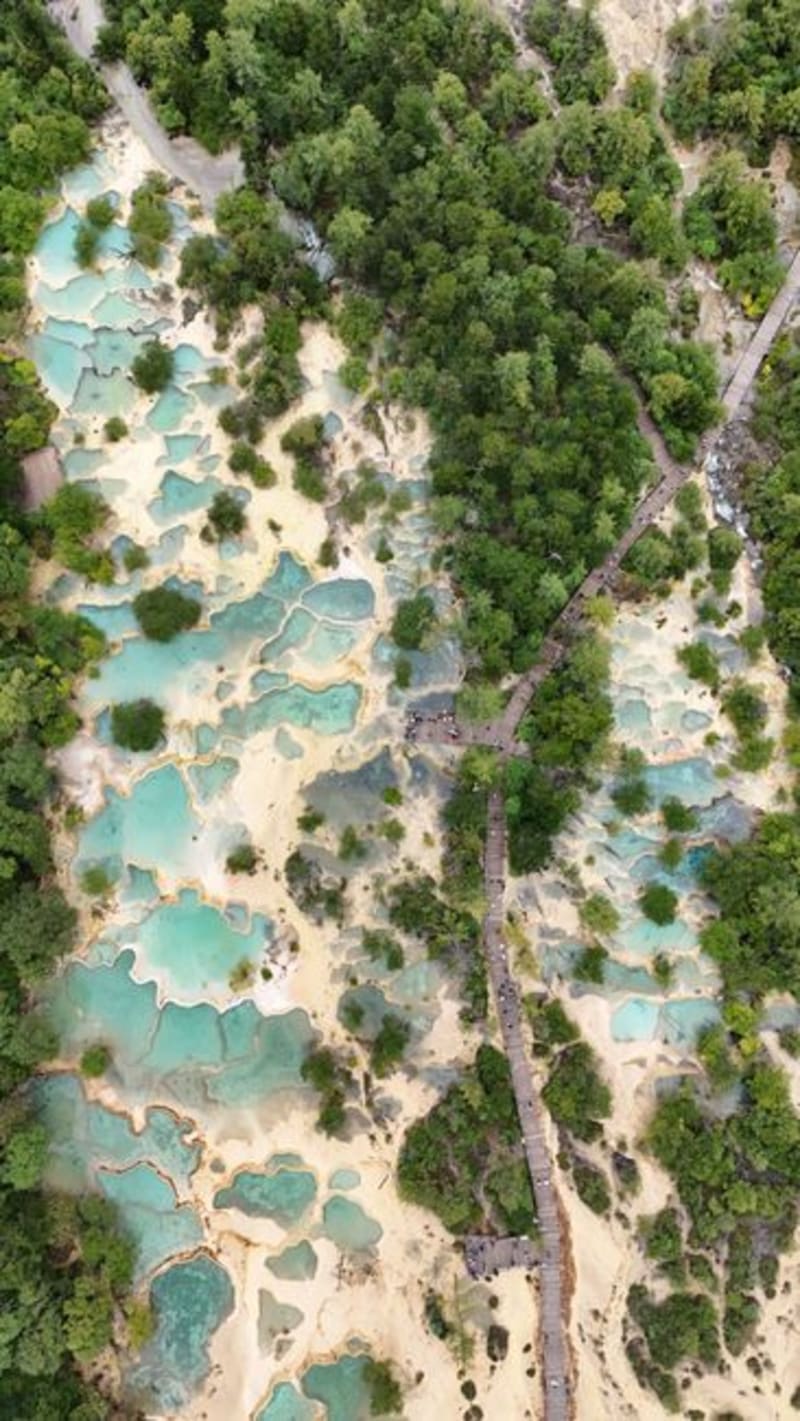 sichuan
 Huanglong
A valley of golden travertine pools terraced beneath a 5,000-meter peak, where mineral water spills into hundreds of shimmering, colored basins.
Explore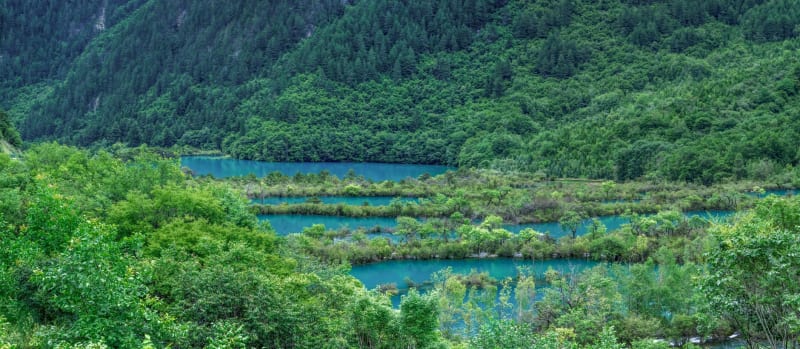 sichuan
 Jiuzhaigou Valley
A valley where the lakes have no reasonable explanation for their color — turquoise bleeding into cobalt bleeding into jade, tier after tier.
Explore