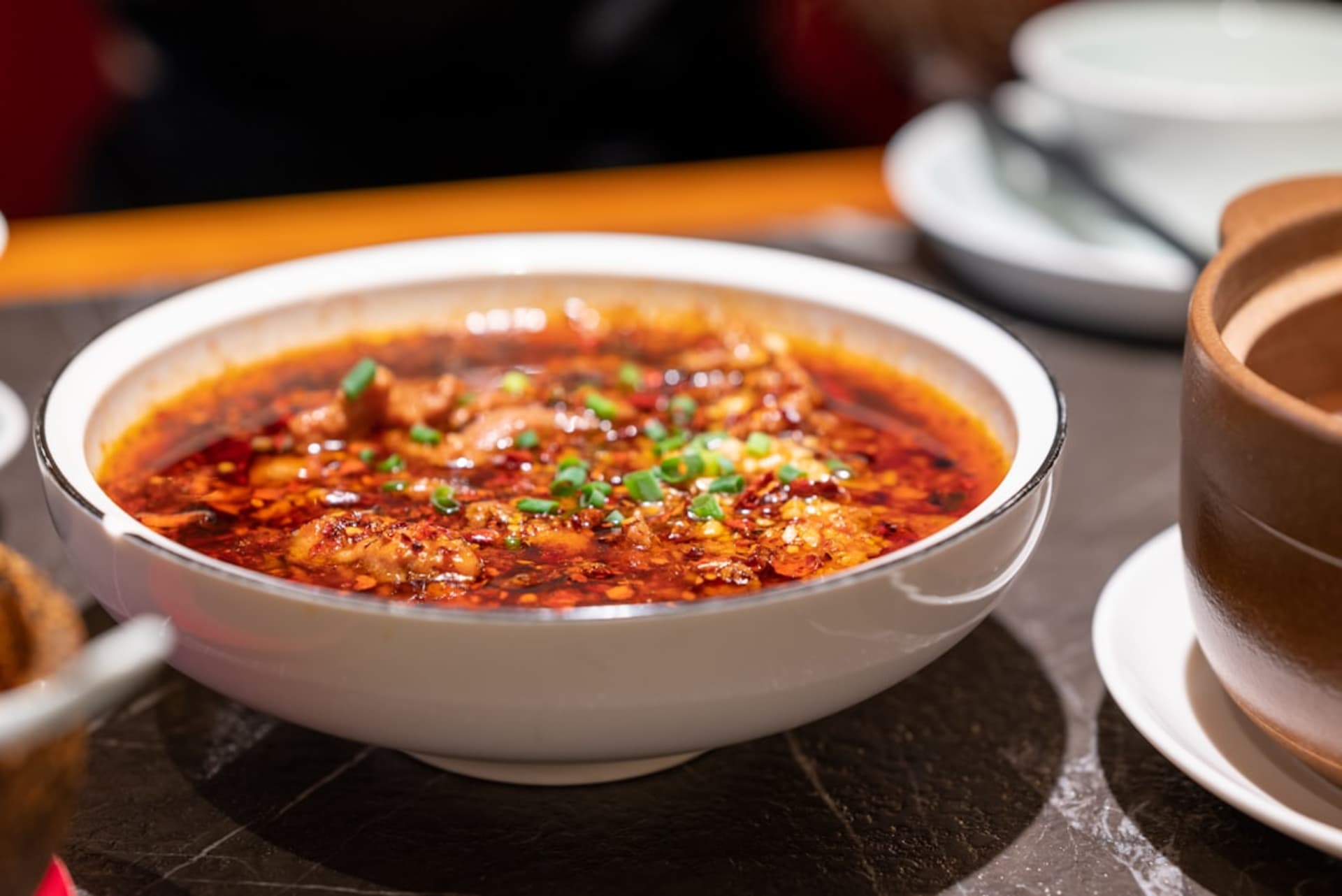
Zigong
"The sauropod skeleton is forty meters long and shares a room with what might be three hundred other dinosaurs. The curator said they've excavated maybe thirty percent of the site."
A mid-sized industrial city that happens to sit above one of the world's richest Jurassic dinosaur fossil beds, built its wealth on ancient salt wells, and throws the most elaborate lantern festival in China — all three facts equally improbable, equally true.

What’s Under the Ground
Zigong sits above a Jurassic mudstone formation that contains, per square kilometer, more dinosaur fossils than almost anywhere on earth. This is not the kind of place where they found a few bones and built a display case around them. The Zigong Dinosaur Museum — Dàshānpù — was built directly on top of the main excavation site, which means the exhibit floor is the dig itself: fossils visible in the rock matrix, partially exposed bones still in the position they occupied 160 million years ago, sauropod vertebrae the size of dining chairs emerging from the grey stone as though surprised to be found.
The museum’s main hall is extraordinary in the way that geological time made suddenly visible is always extraordinary. Articulated skeletons of Omeisaurus — long-necked sauropods named for Mount Emei — hang from the ceiling or stand on the floor at heights that feel offensive given that these animals are supposedly extinct. A Shunosaurus skull case sits at eye level. The excavation trench below the viewing walkway is still active; work continues. The curator who gave me an informal tour said they’ve uncovered more than thirty complete or near-complete skeletons since the 1970s and they’re nowhere near done.
The Salt Wells
Long before the dinosaurs were found, Zigong was wealthy. The city was the center of Sichuan’s salt industry for over a thousand years, drawing brine from wells drilled to depths that wouldn’t be achieved anywhere else in the world until the industrial era. The ancient salt workers developed percussion drilling techniques in the Song Dynasty that are recognizable ancestors of modern oil drilling — an inconvenient fact for origin stories that locate all the important inventions elsewhere.
The Zigong Salt History Museum occupies a former salt merchants’ guild hall — a Qing Dynasty building of spectacular ornamental excess, rooflines stacked with ceramic figures, facades covered in carved stonework, interior courtyards with pavilions that were built by people who had very strong opinions about demonstrating how rich they were. The collection inside documents the drilling equipment, the brine transport systems, and the economic networks that made Zigong the most important industrial city in inland China for several centuries. It’s a museum about process — drilling, evaporation, distribution — and it’s more interesting than it sounds by a significant margin.
The Lantern Festival
Zigong’s lantern festival, held over the Spring Festival period, has been running in its current elaborate form since the late Qing Dynasty and has expanded into something that has no obvious ceiling on ambition. The displays — held at the Cultural Park and various city squares — are not string lights or decorative lanterns. They are architectural. Structures twenty meters high constructed from silk, wire, and internal lighting that changes color, whole panoramic scenes depicting mythological stories or historical tableaux, with thousands of visitors moving between them in the winter evening. The scale is bewildering. I am not a person who uses the word “spectacle” admiringly, but I don’t have a better word.
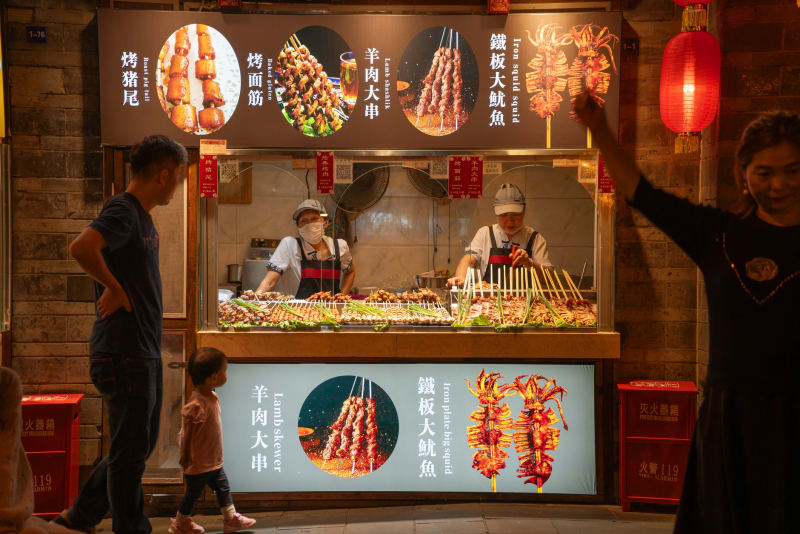
The combination of families with children, elderly groups in organized tours, and teenagers taking selfies in front of glowing dragons creates a specific energy — genuinely festive in the old sense, collective and unhurried. I ate skewers of cold spicy tripe from a cart and watched a small child attempt to explain a phoenix lantern to her grandmother, pointing at each component with increasing intensity.
The City Between Its Monuments
Zigong itself is a working mid-sized Sichuan city with excellent food — the local take on kung pao chicken uses a different ratio of dried chilis and the smoky, numbing finish lingers longer — and no particular expectation of foreign visitors, which makes the occasional human interaction feel unrehearsed. The main museum of salt history and the dinosaur museum are a thirty-minute bus ride apart. The day between them, spent eating cold noodles and getting briefly lost in a residential neighborhood, was among the most pleasant I spent in Sichuan.
When to go: The lantern festival runs from late January to late February (around the Chinese New Year period) — this is the primary reason to time a visit to Zigong specifically. Book accommodation at least a month ahead for festival period. The dinosaur museum and salt museum are worth visiting year-round; September and October have good weather and minimal crowds compared to summer holiday peaks.
Keep exploring
More from Sichuan
 sichuan
 Chengdu
China's most unapologetically leisurely city, where the pace slows to mahjong tiles and chili oil arrives before the menu does.
Explore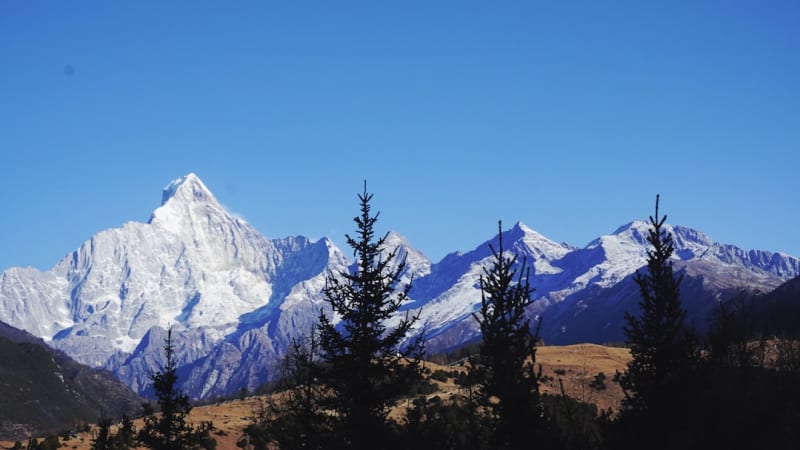 sichuan
 Danba
Ancient Tibetan watchtowers rise from terraced hillsides above a river valley where stone-and-timber farmhouses have barely changed in a thousand years, and women wear coral and turquoise the way others wear practicality.
Explore sichuan
 Daocheng Yading
Three sacred Tibetan snow peaks rising from a high plateau of alpine meadows and turquoise lakes so remote that reaching them feels like its own form of devotion.
Explore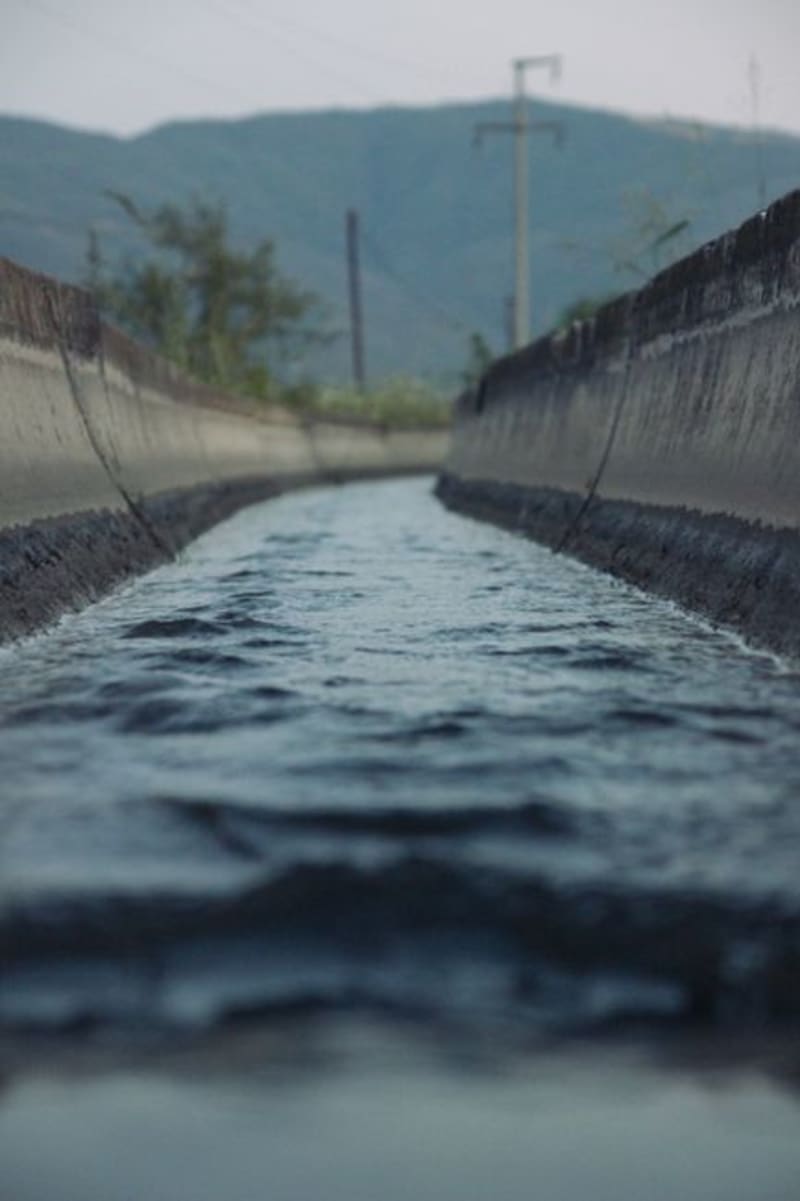 sichuan
 Dujiangyan
A 2,200-year-old irrigation system near Chengdu that still waters the plain today, no dam required, just brilliant engineering.
Explore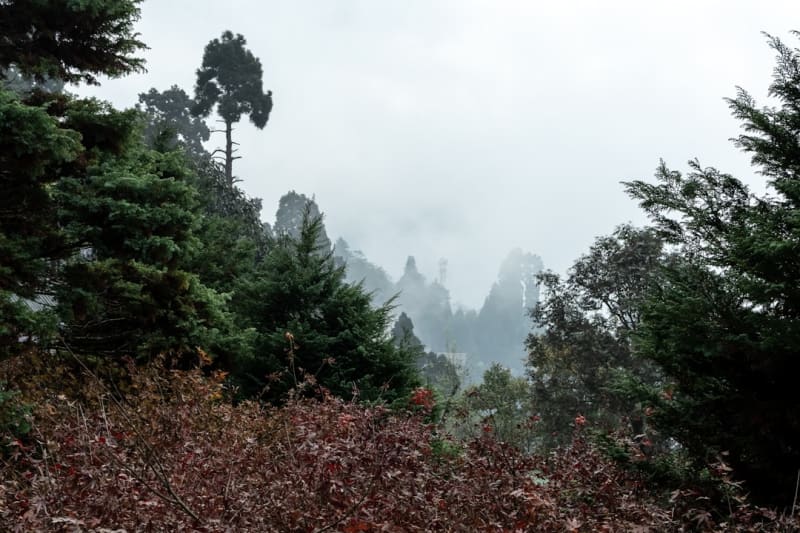 sichuan
 Emei Shan
A sacred Buddhist mountain where pilgrims in cotton robes climb through cloud-wrapped forests past macaque gangs and ancient monasteries toward a golden summit that sometimes floats above the sea of mist.
Explore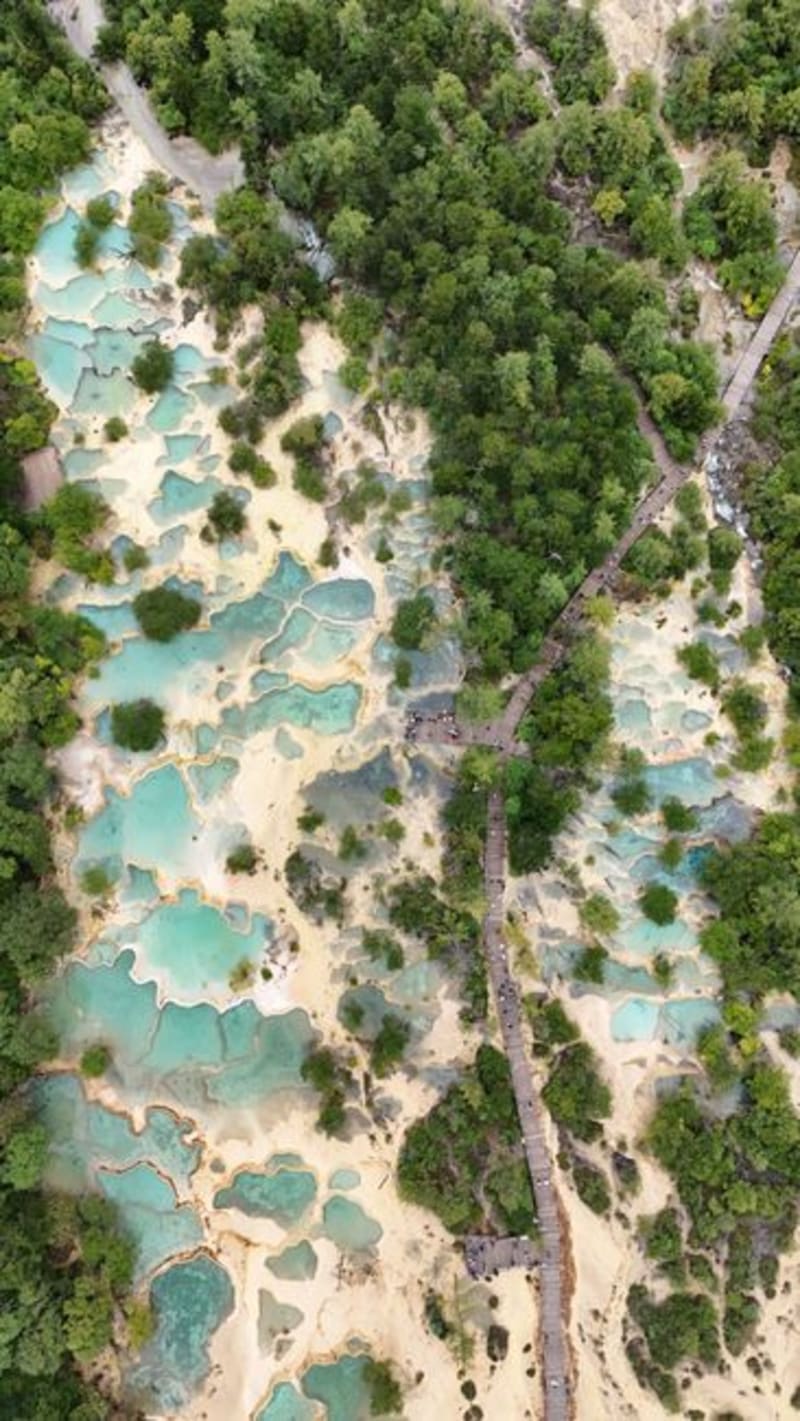 sichuan
 Huanglong
A valley of golden travertine pools terraced beneath a 5,000-meter peak, where mineral water spills into hundreds of shimmering, colored basins.
Explore