
Irkutsk
"They call it the Paris of Siberia, which is unfair to both cities — Irkutsk has earned something stranger and more specific than that."
The cultural capital of Siberia, where carved wooden houses and Art Nouveau facades survive the cold with a certain dignified defiance.

I stepped off the Trans-Siberian at Irkutsk after four days of taiga, and the city caught me completely off guard. I had expected a functional stopping point, a place to change money and catch the minibus to Baikal. What I found instead was a city with opinions — ornate carved wooden houses pressed between Soviet apartment blocks, a university library that looked borrowed from St. Petersburg, and a café on Karla Marksa Street where a bearded man was arguing about Dostoevsky with the barista at eleven in the morning. The cold was absolute, maybe minus twenty-five, and steam rose from every drain and every exhaled breath, giving the whole city a theatrical fog.
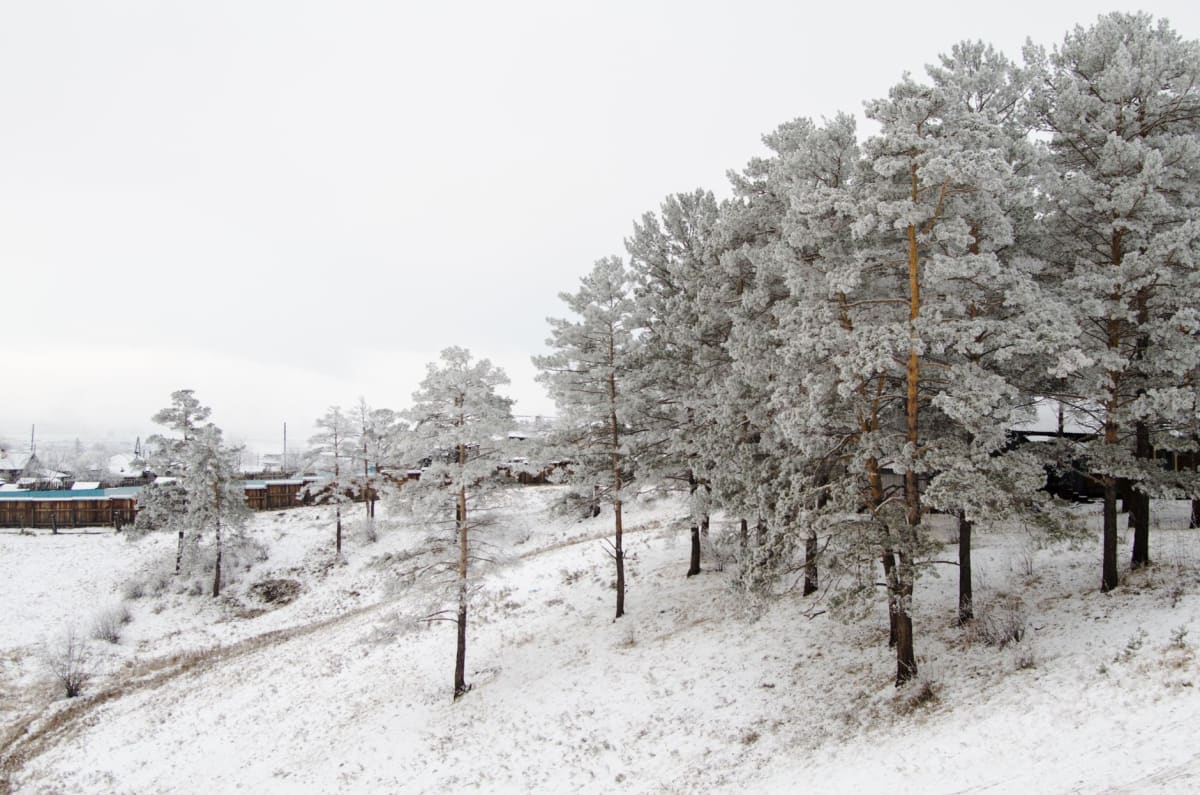
The wooden architecture is the thing that stays with you. Irkutsk is full of these houses — nineteenth-century merchant dwellings decorated with nalichniki, carved window frames of extraordinary intricacy, lacework in pine that survived revolutions and fires and seven decades of Soviet neglect. No two are identical. Some are painted the blue of faded summer skies, others the dusty ochre of old paper. Walking through the 130 Kvartal district, the preserved historic quarter, I felt the city’s layers most clearly: here, the old merchant wealth; there, the exile community (Irkutsk was a destination for political deportees for two centuries, which may explain why it developed such a literary sensibility). A geologist I met at a guesthouse had spent thirty years studying the permafrost beneath the city. He talked about the thaw with the quiet grief of someone watching a childhood home develop cracks it cannot explain.
The Angara River cuts through the city, and in deep winter it steams. The water comes directly from Lake Baikal, filtered through all that depth and cold, and it refuses to freeze fully even when the temperature outside would freeze your eyelashes. I stood on the riverbank at dusk watching the steam rise into an orange sky and ate a bag of hot pirozhki bought from a woman at a kiosk who had the expression of someone who had survived everything and found it mostly amusing. The pirozhki were filled with potato and dill and they tasted, in that cold, like survival itself.

The restaurants around the central market serve Siberian pelmeni — dumplings with pork and venison, brought to the table in a clay pot with a side of sour cream and no ceremony whatsoever. The smoked omul, brought up from Listvyanka and Baikal’s shores, arrives as an afterthought, a snack, the way bread arrives elsewhere. I ate my way through three days in Irkutsk with a thoroughness I’m not certain was entirely dignified.
When to go: February and early March for the full winter experience — the ice festivals on Baikal are easily reached from here, and the city looks its most extraordinary in the cold and snow. June and July bring long, warm days ideal for hiking in the surrounding hills and the full green beauty of the Baikal shore. Avoid the mud seasons of October and late April.
Keep exploring
More from Siberia
 siberia
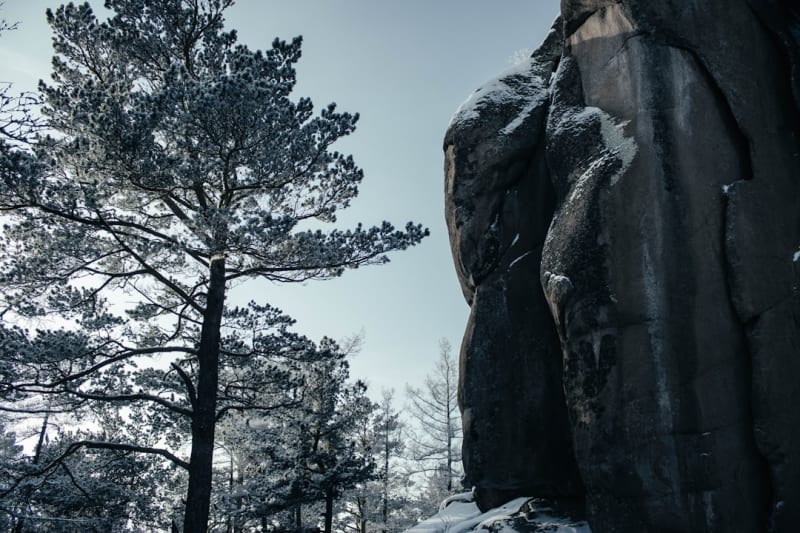
 Krasnoyarsk
A muscular Siberian city straddling the Yenisei where granite pinnacles rise from the forest ten minutes from downtown and the river runs so fast it never quite freezes.
Explore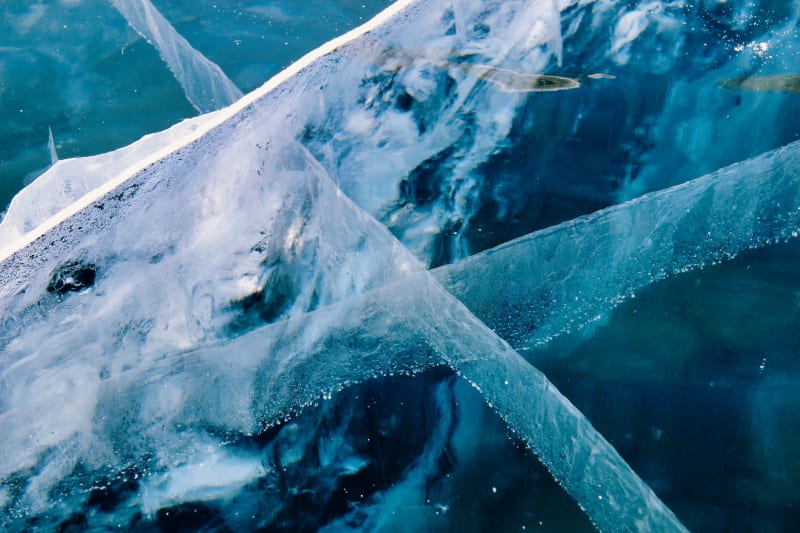 siberia
 Lake Baikal
The world's deepest lake holds one-fifth of all the fresh water on Earth, and when you see that blue, you believe every impossible statistic.
Explore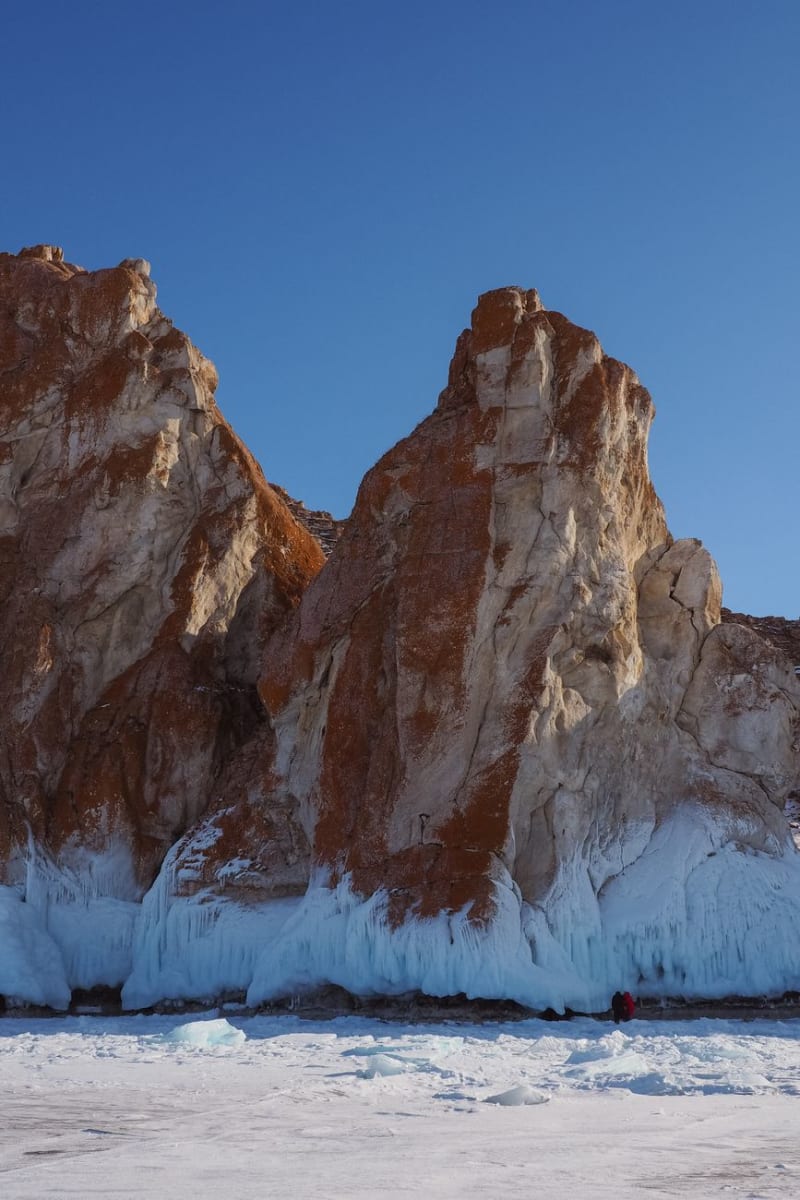 siberia
 Lena Pillars
A forty-kilometre wall of stone columns rising sheer from the Lena River in the heart of Yakutia, reachable only by boat across some of the remotest country on earth.
Explore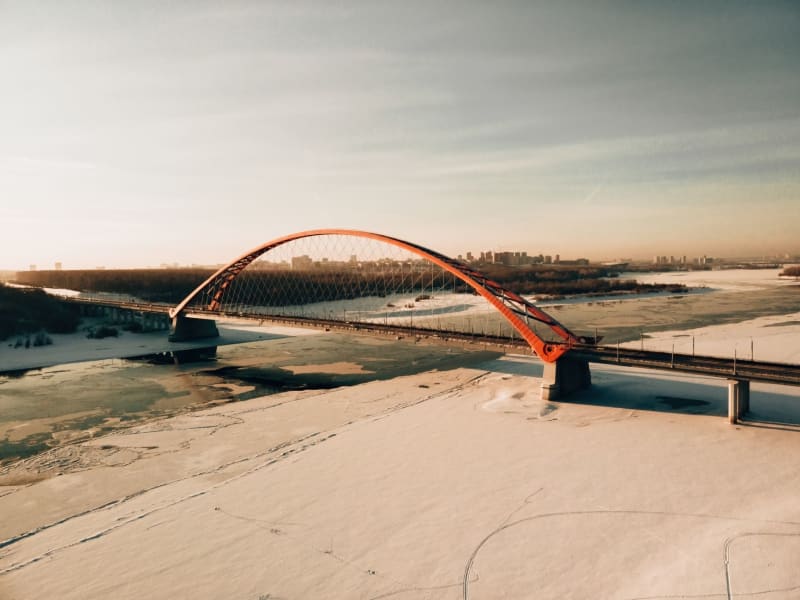 siberia
 Novosibirsk
Siberia's brash, surprisingly cultured metropolis where a world-class opera house rises incongruously above a city built by Soviet ambition and sheer stubbornness.
Explore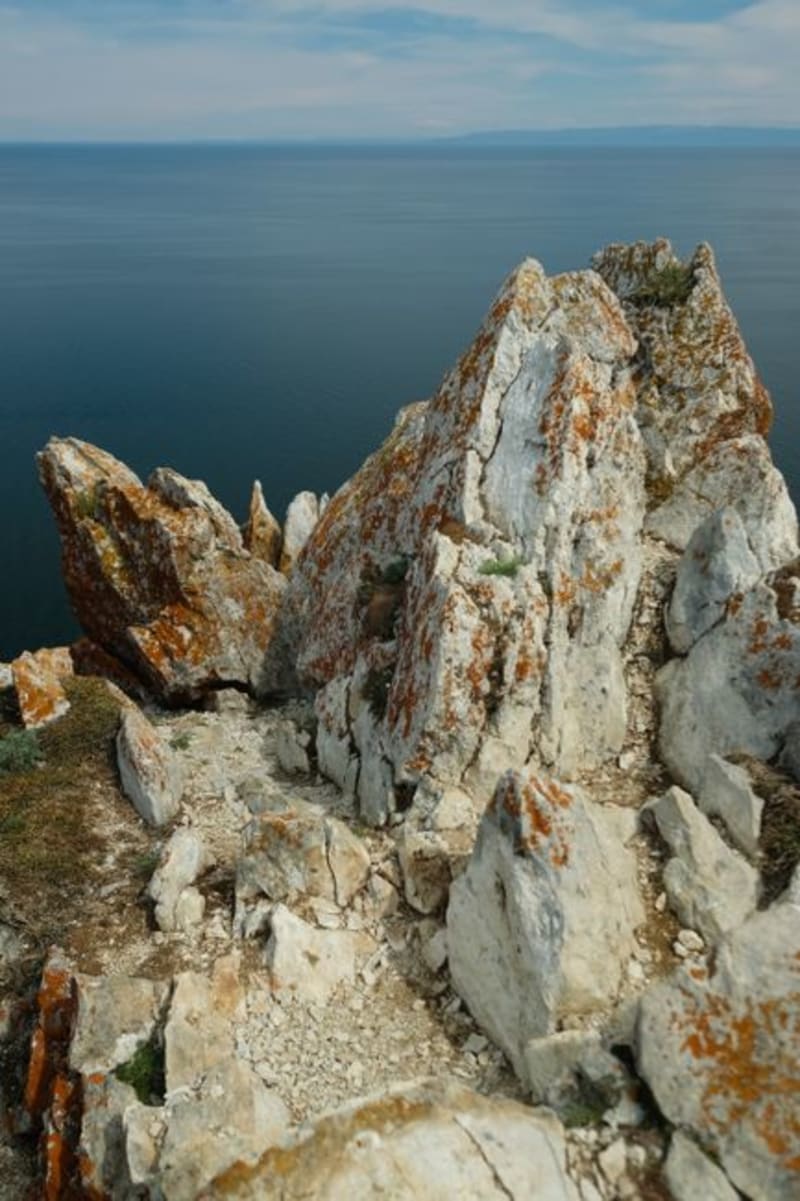 siberia
 Olkhon Island
Lake Baikal's sacred, wind-swept island, where Buryat shamanism, steppe, and turquoise ice meet in Siberia's wild heart.
Explore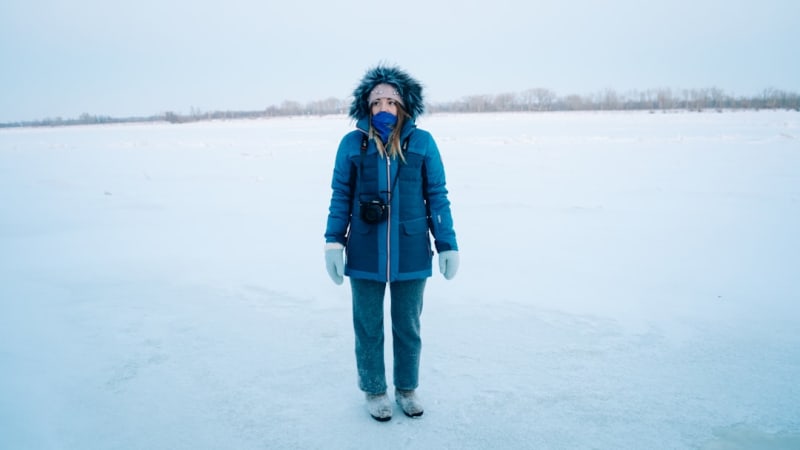 siberia
 Omsk
The city that once exiled Dostoevsky and shaped his darkest novels, now a handsome river town on the Irtysh with Cossack, Soviet, and contemporary layers pressing quietly against each other.
Explore