
Lena Pillars
"There is no road to the Lena Pillars. There is only the river, and a great deal of it."
A forty-kilometre wall of stone columns rising sheer from the Lena River in the heart of Yakutia, reachable only by boat across some of the remotest country on earth.

Getting to the Lena Pillars is the kind of journey that makes you understand the scale of Siberia in your body rather than on a map. They stand on the bank of the Lena River in the Sakha Republic — Yakutia — which is the largest and one of the coldest administrative regions on the planet, a place where winter temperatures routinely drop below minus fifty. We came in summer, which in Yakutia means a brief, intense, mosquito-plagued window of warmth, and we reached the pillars the only way you can: by boat, several hours upriver from Yakutsk, watching the taiga slide past in an unbroken green wall.
A wall of stone on a river of distance
The Lena Pillars are a UNESCO World Heritage site, and the bureaucratic phrase undersells them completely. They are a near-continuous rampart of vertical limestone columns, some over a hundred metres tall, running for roughly forty kilometres along the right bank of the river. From the water they rise straight out of the forest like the ruined wall of some impossible city, weathered into spires and buttresses and gaps, the rock a pale ochre against the dark green of the taiga and the wide pewter sheet of the Lena. The river here is enormous — kilometres wide in places — and the sense of distance is total. There is nothing else. No towns, no roads, no other boats for hours. Just water, forest, stone, and a sky that in midsummer barely gets dark.

You can land at a designated spot and climb a wooden boardwalk and stair system up onto the top of the pillars, which is steep and sweaty work in the brief summer heat, with mosquitoes operating in what I can only describe as organised formations. Lia, who treats biting insects as a personal challenge rather than a deterrent, charged up ahead. The reward at the top is a viewpoint out over the whole sweep of the river and the columns marching off into the haze in both directions, a view that genuinely stopped me talking, which Lia will tell you is rare.
The long way home
What stays with me about the Lena Pillars is not just the rock but everything around it. On the boat back our Yakut guide talked about the permafrost beneath the forest, about the mammoth tusks that erode out of the riverbanks each spring, about winters so cold that the river becomes a road and trucks drive on it for months. We stopped on a sandbar to grill river fish over a fire and drink tea while the long northern evening refused to end, the sun sliding along the horizon without quite setting.

This is not a casual destination. It takes effort, money, and a tolerance for both mosquitoes and very long days on a boat. But standing on top of those pillars, with Yakutia stretching out unbroken in every direction, I felt about as far from everywhere as I have ever been — which, for me, is the whole point of going anywhere.
When to go: June through early September is the only practical window, when the river is open and boat tours run from Yakutsk. July is warmest but also peak mosquito season — bring serious repellent and a head net. The boat trip is a long day or an overnight; book through an operator in Yakutsk, as independent access is effectively impossible.
Keep exploring
More from Siberia
 siberia
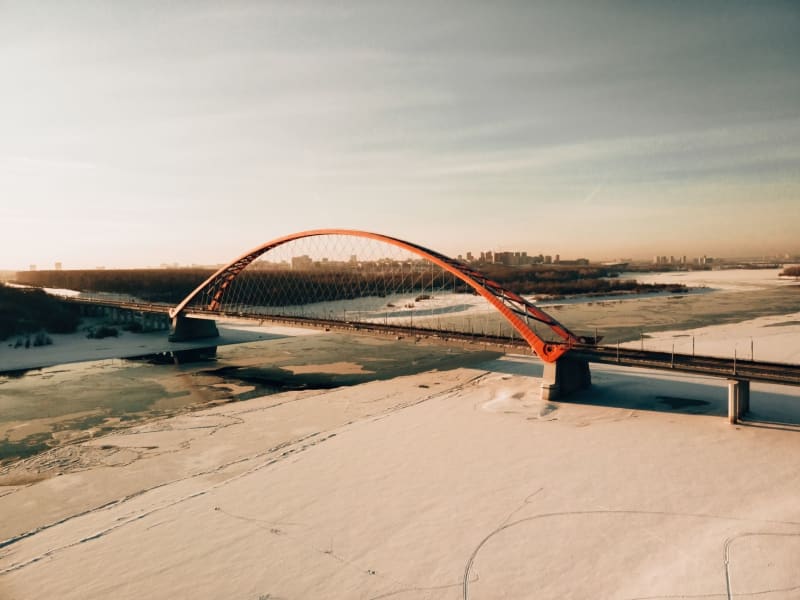
Novosibirsk
Siberia's brash, surprisingly cultured metropolis where a world-class opera house rises incongruously above a city built by Soviet ambition and sheer stubbornness.
Explore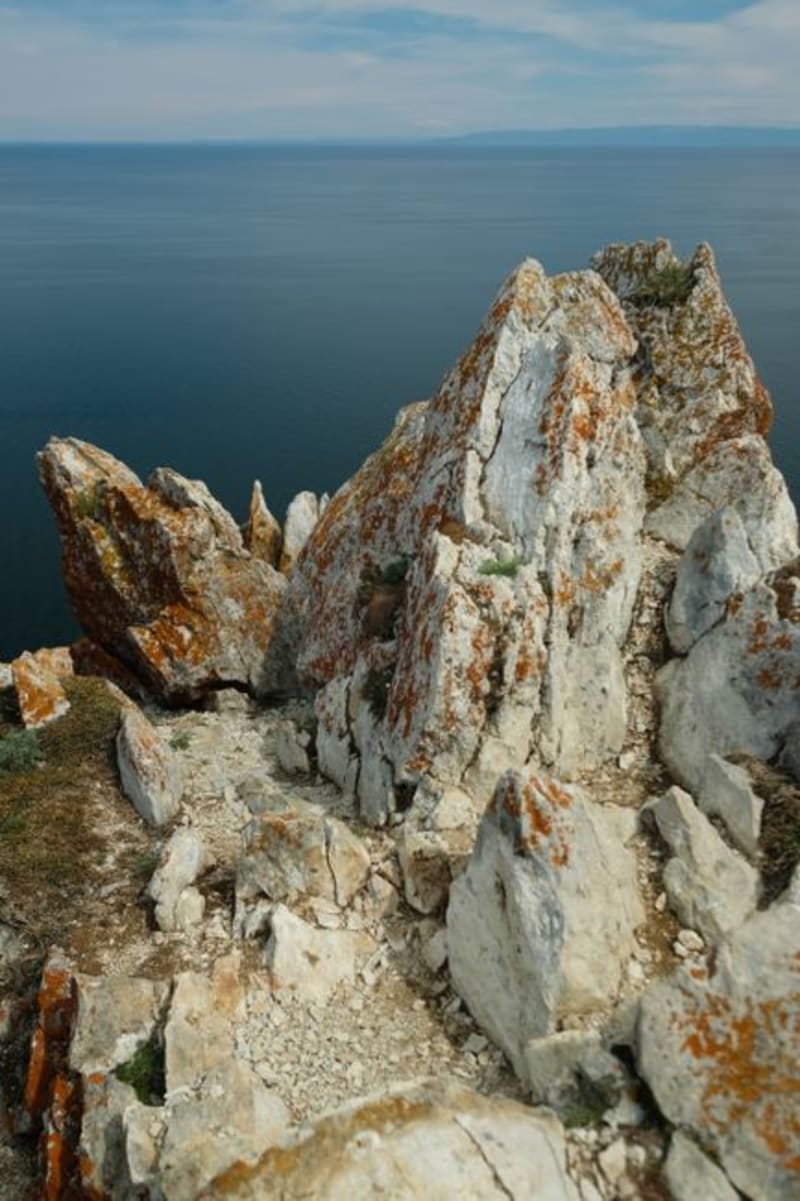 siberia
Olkhon Island
Lake Baikal's sacred, wind-swept island, where Buryat shamanism, steppe, and turquoise ice meet in Siberia's wild heart.
Explore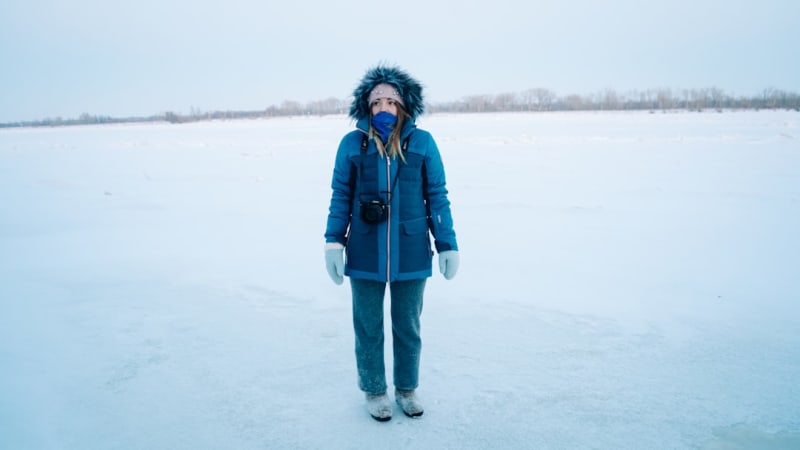 siberia
Omsk
The city that once exiled Dostoevsky and shaped his darkest novels, now a handsome river town on the Irtysh with Cossack, Soviet, and contemporary layers pressing quietly against each other.
Explore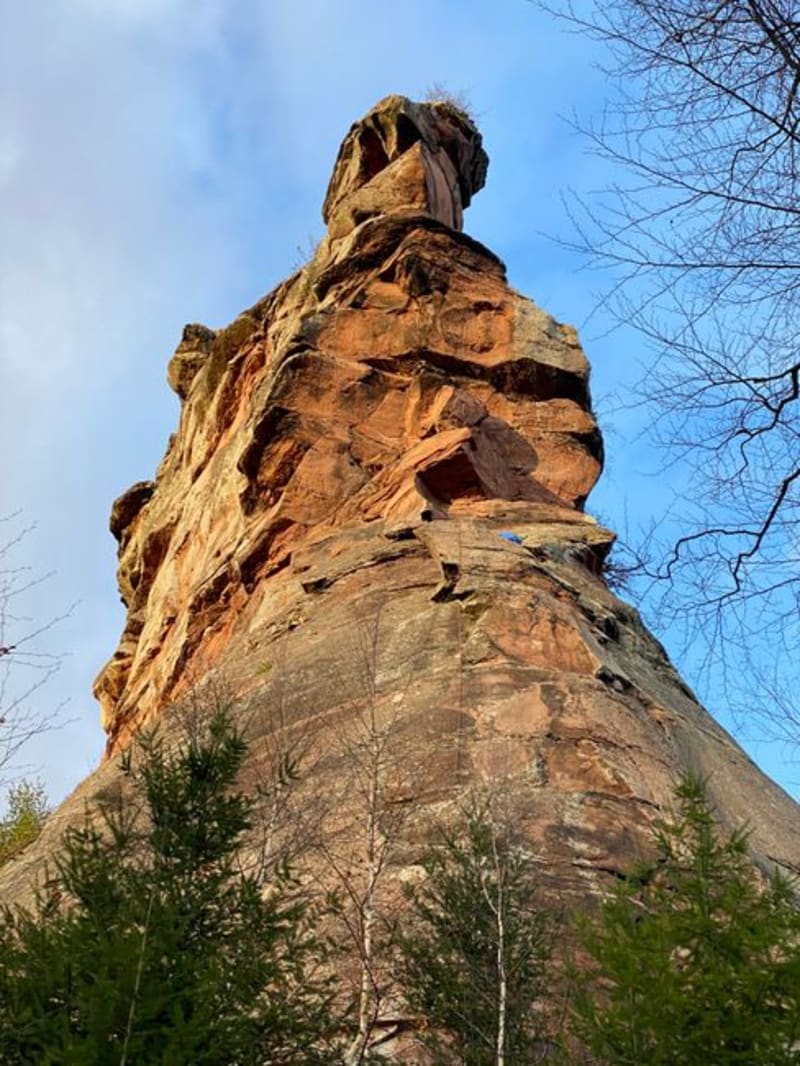 siberia
Stolby Nature Reserve
A taiga wilderness south of Krasnoyarsk where syenite pillars rise from the forest and free climbers have tested themselves for over a century.
Explore siberia
Tomsk
An old Siberian university town of ornate wooden houses and student energy that still carries the carved, snow-dusted elegance of a nineteenth-century provincial capital slowly coming apart at the seams.
Explore siberia
Trans-Siberian Railway
Nine thousand kilometers of taiga, steppe, and accumulated time zones — the slowest and most honest way to grasp what Russia actually is.
Explore