Asia
Siberia
"I came for the Trans-Siberian and stayed for the silence that follows."
A continent masquerading as a region — Siberia swallows distances, silences everything, and makes you feel genuinely small in the best possible way.

The train had been moving for nineteen hours when I finally stopped tracking time. Somewhere past Yekaterinburg, heading east toward Novosibirsk, the taiga took over everything — not just the window, but my sense of scale. Birch and pine as far as the eye could push in any direction, interrupted occasionally by a frozen river or a village that looked like it had been dropped from a great height and simply stayed where it landed. I had brought three books for the Trans-Siberian crossing. I opened none of them.
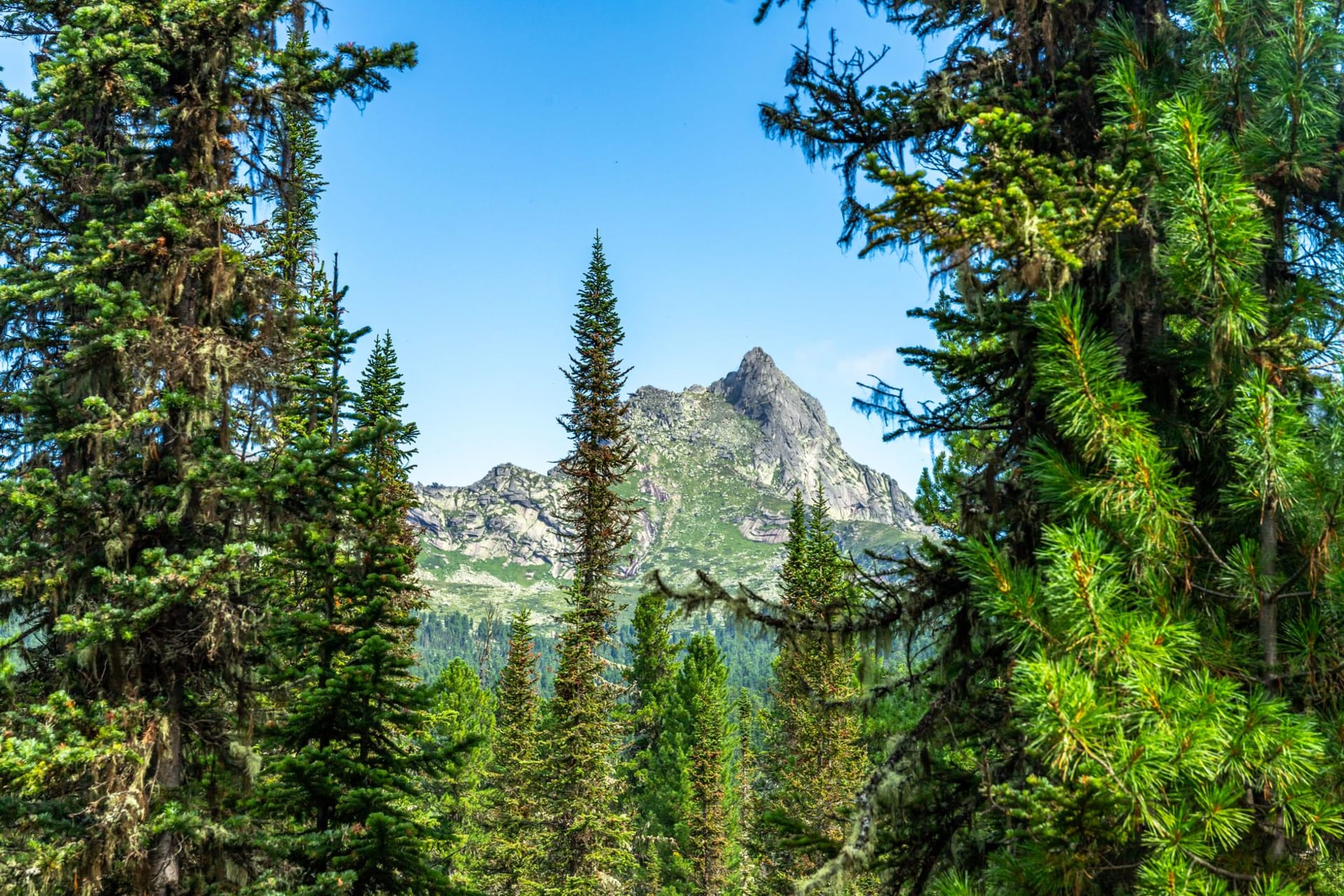
Siberia resists the logic of ordinary travel. There is no single highlight, no moment where you tick a box and feel done. The whole point is the accumulation: the four-day train ride from Moscow to Irkutsk, the way Lake Baikal appears without warning and turns out to be bluer than any photograph suggests, the smell of smoked omul fish at the Listvyanka market, the old women on train platforms selling hot potatoes wrapped in newspaper for a few rubles. In the city of Irkutsk itself — a genuine city, with Art Nouveau facades and a university and a literary café that serves decent espresso — I met a geologist who had spent thirty years studying the permafrost and spoke about its thaw with the quiet grief of someone watching a childhood home crack apart. That conversation stayed with me longer than any monument.
In summer, the landscape transforms into something almost incomprehensible in its greenness: wildflowers across the steppe, the midnight sun in the far north, mosquitoes the size of small aircraft. In winter, Siberia becomes the version of itself you imagined — temperatures that make the air hurt, the Angara River steaming in the cold, the particular stillness of snow that has been packed and frozen so many times it no longer crunches but squeaks underfoot.
When to go: June through August for long days, accessible hiking around Baikal, and the full green explosion of the taiga. February for the full cold-weather experience and ice festivals on Lake Baikal — the ice grows thick enough to drive across. Avoid October and April, which are the mud seasons when neither the beauty of winter nor summer is reliably present.
What most guides get wrong: They treat Siberia as a backdrop for the Trans-Siberian Railway, as if the train were the destination and the landscape merely scenery. The actual Siberia — the one worth understanding — requires getting off the train. Stay two or three days in Irkutsk, hire a car to the Olkhon Island ferry, walk through the forest alone. The Trans-Siberian is only the beginning of the conversation.
Explore
Places in Siberia
 siberia
 Altai Republic
A mountain republic of glacial rivers, Scythian burial mounds, and snowcapped peaks where the Chuisky Trakt road unspools south toward Mongolia through scenery that stops you every twenty minutes.
Explore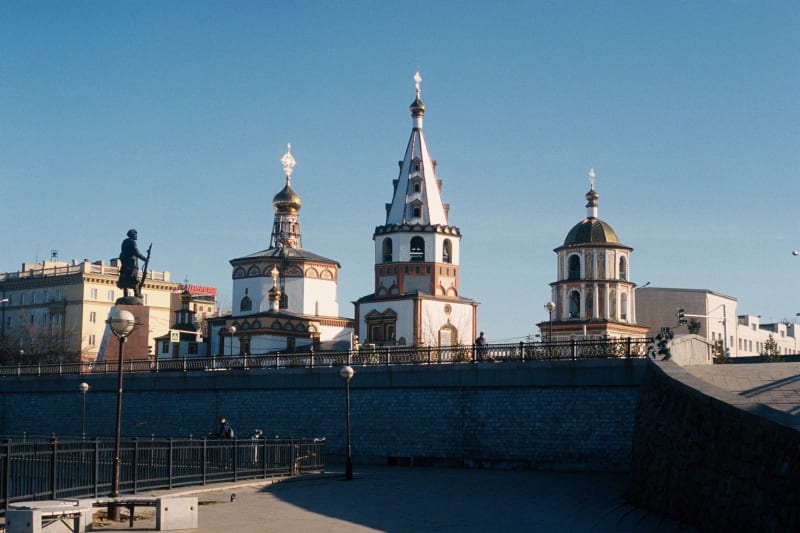 siberia
 Irkutsk
The cultural capital of Siberia, where carved wooden houses and Art Nouveau facades survive the cold with a certain dignified defiance.
Explore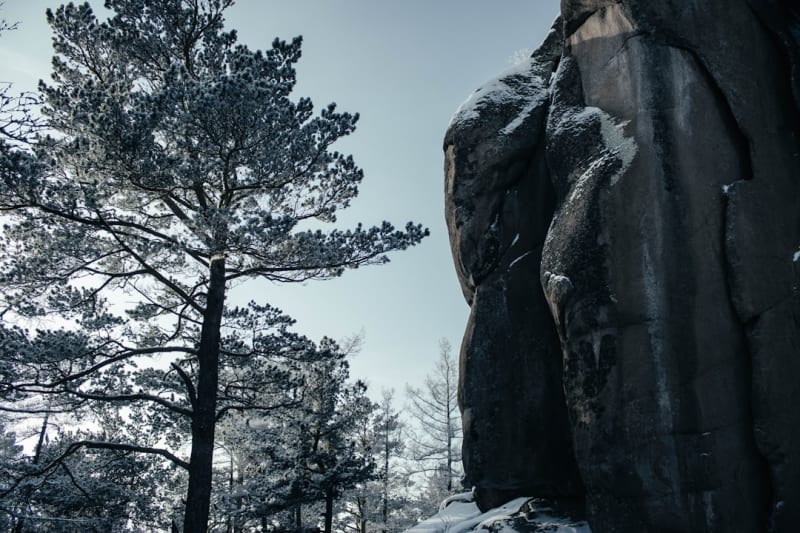 siberia
 Krasnoyarsk
A muscular Siberian city straddling the Yenisei where granite pinnacles rise from the forest ten minutes from downtown and the river runs so fast it never quite freezes.
Explore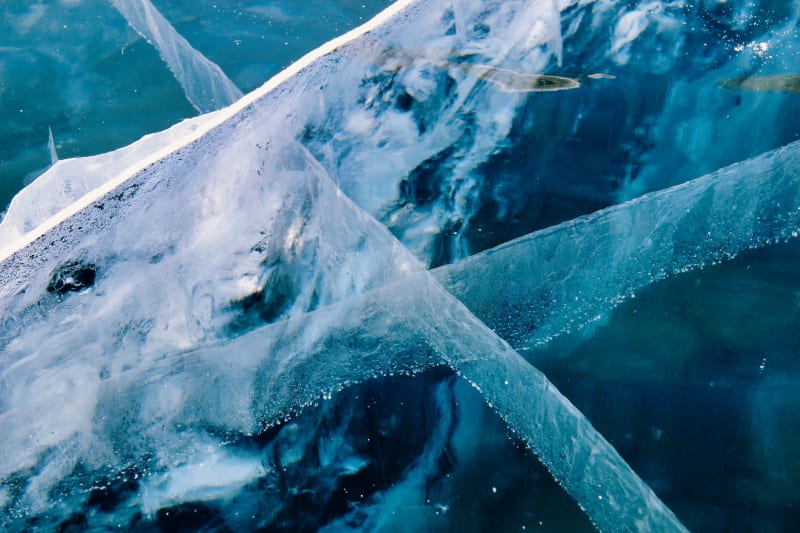 siberia
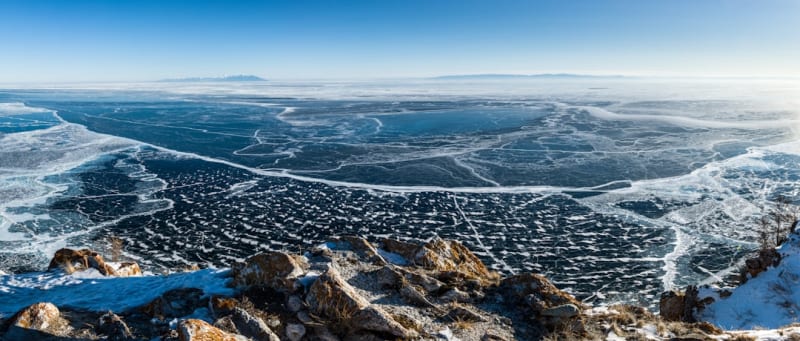
 Lake Baikal
The world's deepest lake holds one-fifth of all the fresh water on Earth, and when you see that blue, you believe every impossible statistic.
Explore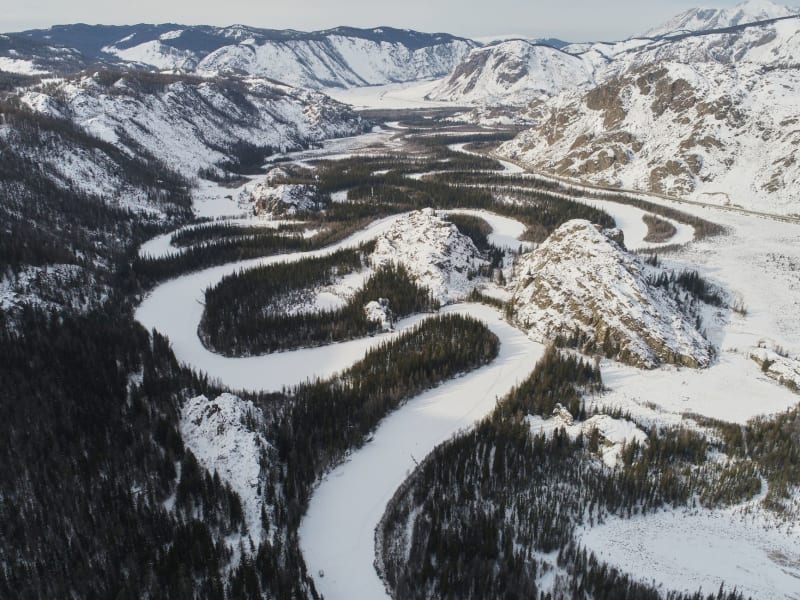 siberia
 Lena Pillars
A forty-kilometre wall of stone columns rising sheer from the Lena River in the heart of Yakutia, reachable only by boat across some of the remotest country on earth.
Explore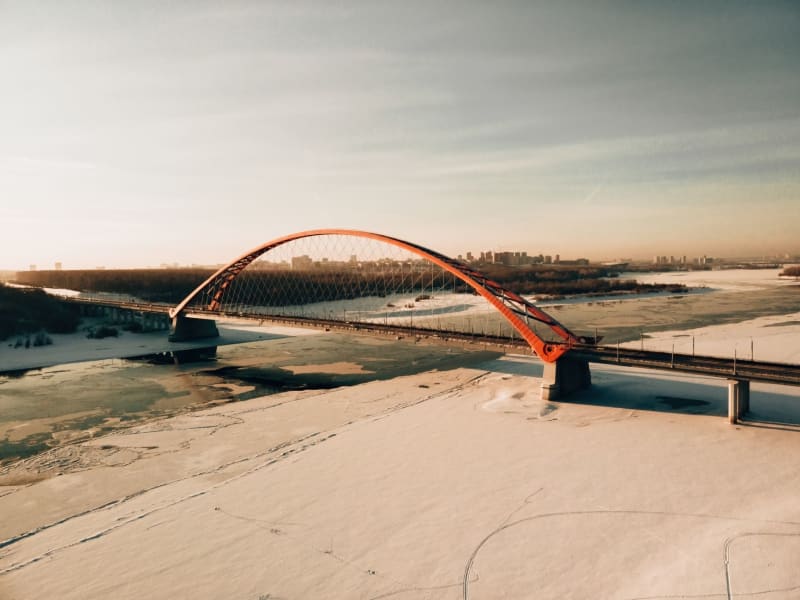 siberia
 Novosibirsk
Siberia's brash, surprisingly cultured metropolis where a world-class opera house rises incongruously above a city built by Soviet ambition and sheer stubbornness.
Explore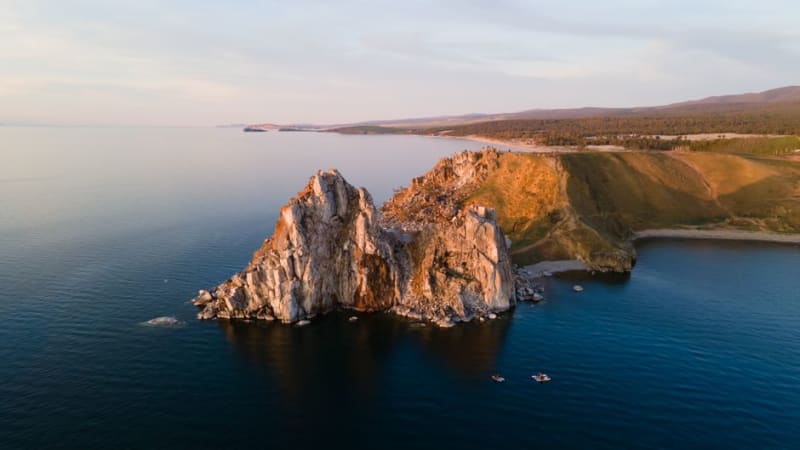 siberia
 Olkhon Island
Lake Baikal's sacred, wind-swept island, where Buryat shamanism, steppe, and turquoise ice meet in Siberia's wild heart.
Explore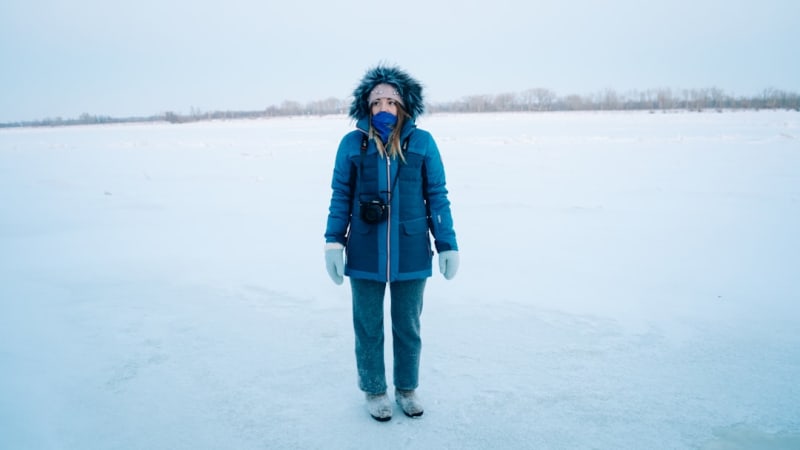 siberia
 Omsk
The city that once exiled Dostoevsky and shaped his darkest novels, now a handsome river town on the Irtysh with Cossack, Soviet, and contemporary layers pressing quietly against each other.
Explore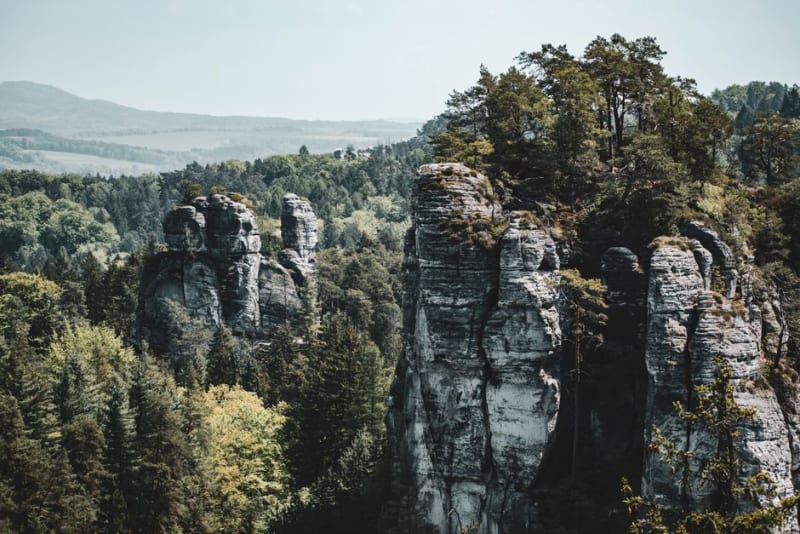 siberia
 Stolby Nature Reserve
A taiga wilderness south of Krasnoyarsk where syenite pillars rise from the forest and free climbers have tested themselves for over a century.
Explore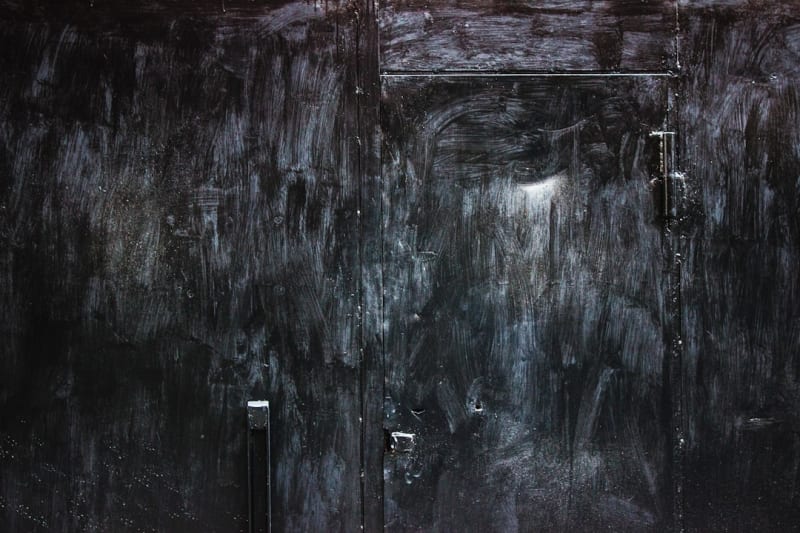 siberia
 Tomsk
An old Siberian university town of ornate wooden houses and student energy that still carries the carved, snow-dusted elegance of a nineteenth-century provincial capital slowly coming apart at the seams.
Explore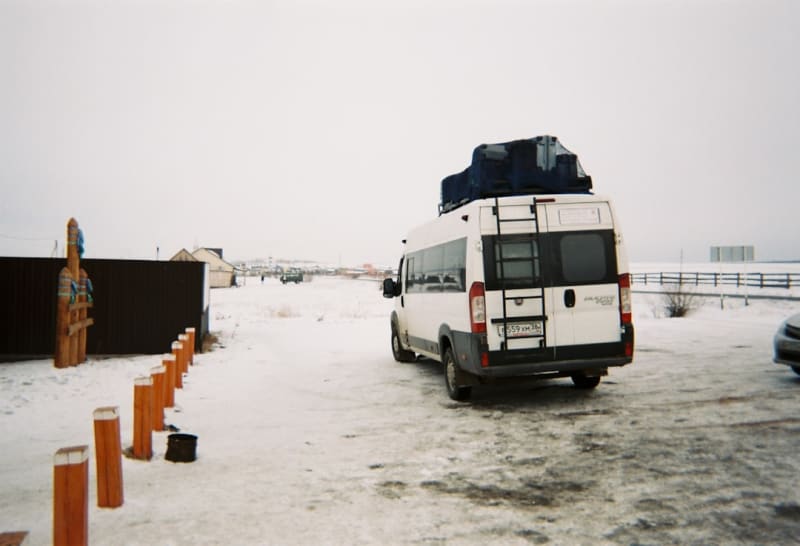 siberia
 Trans-Siberian Railway
Nine thousand kilometers of taiga, steppe, and accumulated time zones — the slowest and most honest way to grasp what Russia actually is.
Explore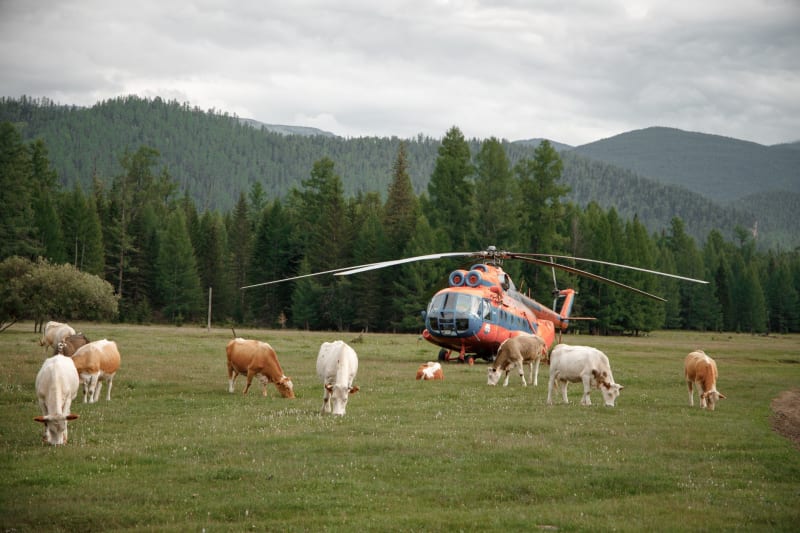 siberia
 Tuva Republic
A remote mountain republic at the geographic center of Asia where shamans still work the hillsides, rivers run cold from Mongolian glaciers, and men sing two notes simultaneously without appearing to try.
Explore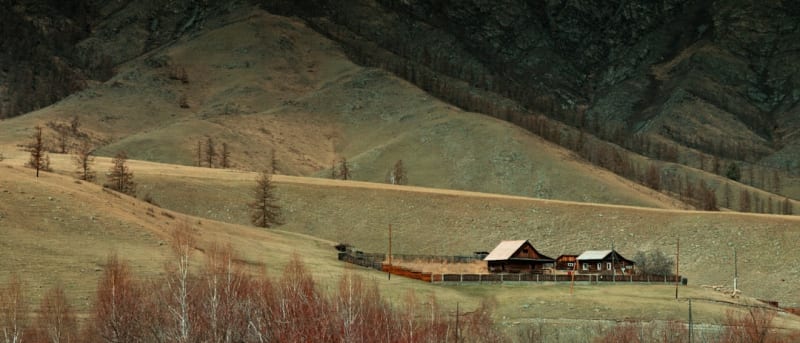 siberia
 Yakutsk
The coldest permanently inhabited city on Earth, where the ground beneath your feet has been frozen solid for twenty thousand years and the locals consider this unremarkable.
Explore