Europe
Shetland Islands
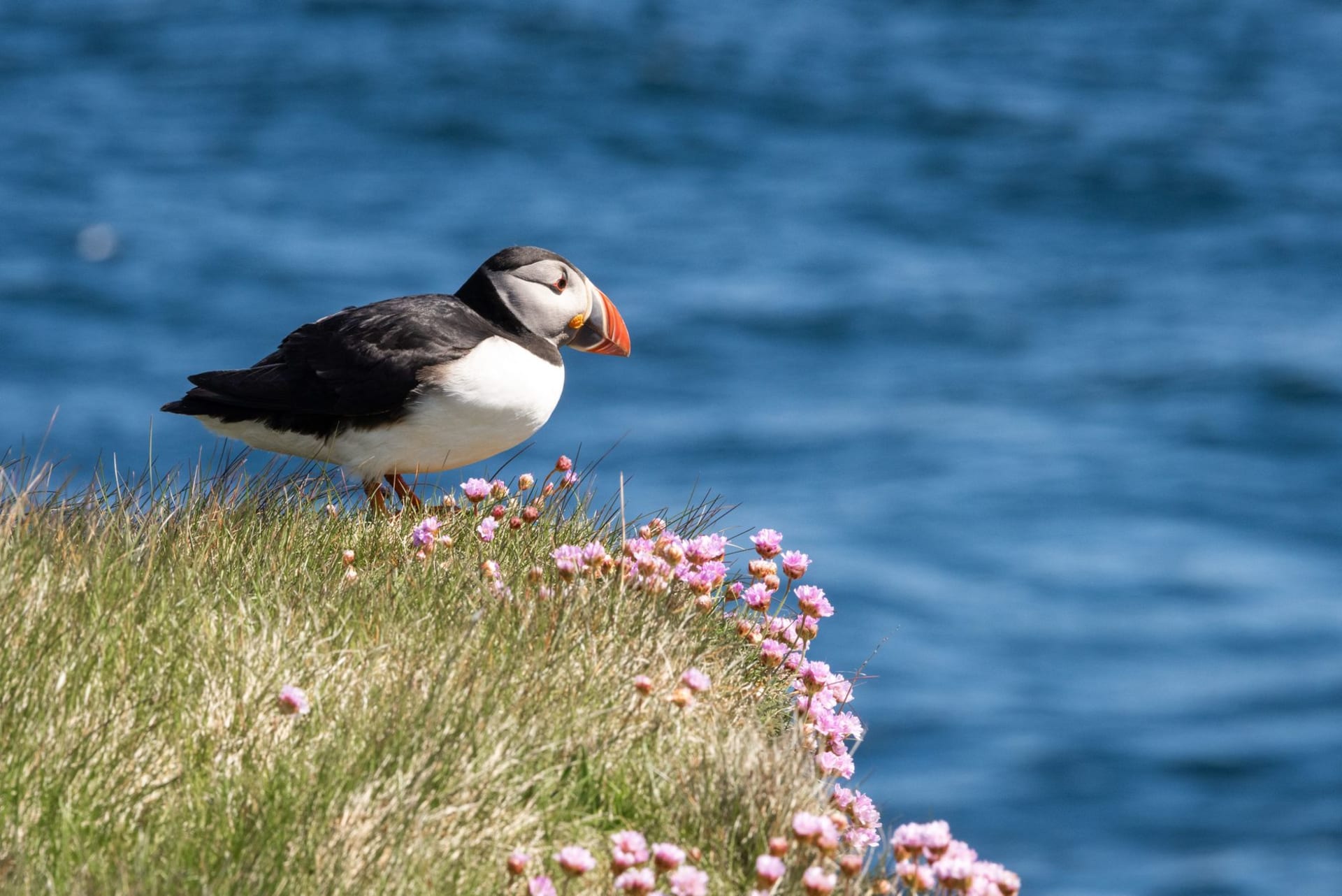
"I came for the puffins and left wondering why anyone would choose anywhere flatter."
A Norse-flavored archipelago at the top of the British Isles where Atlantic gales carve cliffs into something that barely looks like Scotland, and puffins outnumber people on the sea stacks.

The ferry from Aberdeen takes fourteen hours, which already tells you something about where you’re going. I arrived in Lerwick at six in the morning with the light doing something I hadn’t seen before — a flat, horizontal gold that had nothing to do with sunrise and everything to do with latitude. Shetland sits closer to Bergen than to Edinburgh, and the Norse influence isn’t just historical decoration. It’s in the place names, the cadence of local speech, the sense that Britain ends here and something older begins.
Lerwick is small enough to walk across in twenty minutes and substantial enough to spend a real evening in. The pubs on Commercial Street fill early and stay that way. The museum on the waterfront handles the Viking history without making it feel like a theme park — the Norsemen weren’t visiting, they were settling, and the islands still carry the shape of that. Outside town, the landscape strips itself back fast. Moorland and stone, lochs appearing without warning behind rises in the ground, and cliffs that arrive at the edge of the world and stop. I walked out to Sumburgh Head in a wind that made forward progress a negotiation, and watched puffins launch themselves off the rock ledges below with an indifference to the conditions that felt instructive. Noss and Hermaness are the places to go if you want seabird colonies in numbers that start to feel geological — gannets in their thousands, the noise and smell of them carrying a quarter mile before you see anything.
The food follows the sea. Shetland mussels, smoked salmon from the aquaculture operations you’ll see in every voe, reestit mutton in a soup that’s been on Scottish menus for centuries — salted and wind-dried the way Faroese mutton is, with a depth that suits the climate. In the right pub on the right evening, there’s still fiddle music that owes more to Scandinavia than to any mainland tradition. The Up Helly Aa fire festival in January — a Viking longship dragged through Lerwick and set alight — is one of those events that photographs can’t adequately represent, but the Shetland of the other eleven months is worth the crossing on its own terms.
When to go: May through August for the seabirds — puffins are on the cliffs from late April and gone by mid-August, and the light at midsummer barely darkens at all, the “simmer dim” making late evenings on the moor feel genuinely strange. September and October bring the storms and the emptiness, both of which have their appeal. January for Up Helly Aa, if you plan far enough ahead to secure accommodation.
What most guides get wrong: They treat Shetland as a detour from Scotland rather than a destination in its own right, which means they frame it as remote and difficult when it’s actually accessible and specific. The islands don’t ask you to endure hardship — they ask you to slow down. The biggest mistake is arriving with a tight schedule and trying to see everything. Shetland rewards the afternoon you hadn’t planned, the turn down the unmarked road to a voe you didn’t know existed, the decision to sit in the wind at Eshaness and just watch what the Atlantic does to basalt over centuries.
Explore
Places in Shetland Islands
 shetland-islands
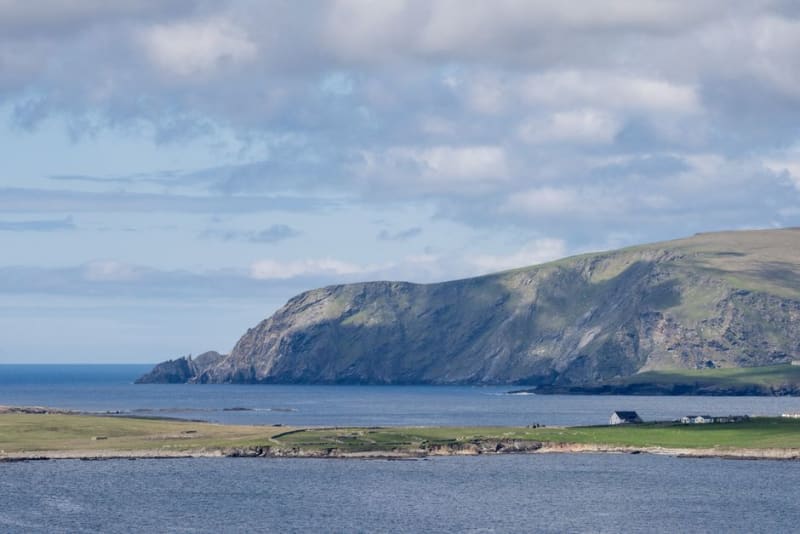
 Bressay
A seven-minute ferry from Lerwick lands you on an island of quiet farmland and sudden cliffs, with Noss looming beyond.
Explore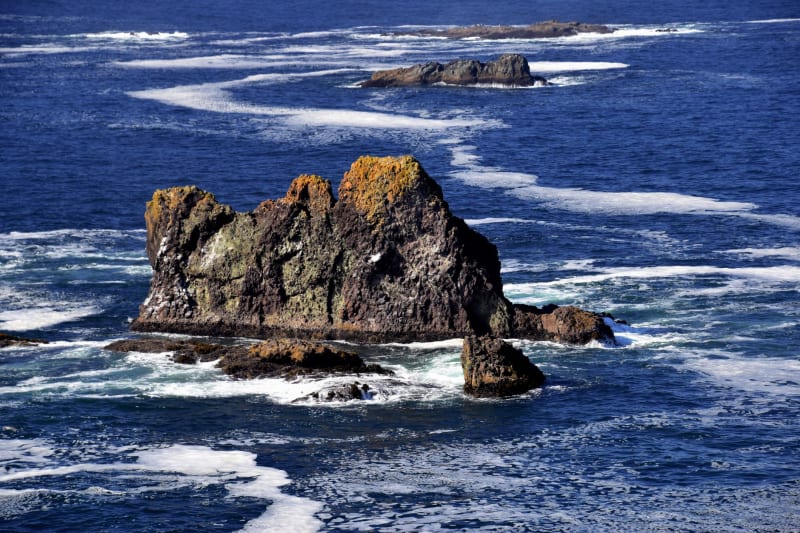 shetland-islands
 Eshaness
A volcanic headland on Shetland's northwest coast where ancient lava flows have been carved into blowholes, sea caves, and stacks by an Atlantic that has had thousands of years to be thorough about it.
Explore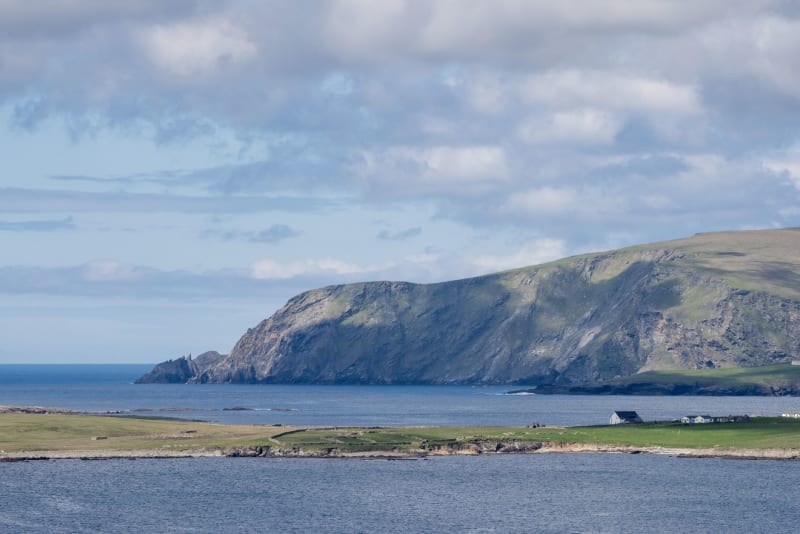 shetland-islands
 Fair Isle
A remote island halfway between Shetland and Orkney, famous for its knitting patterns and bird observatory, where around sixty people live in voluntary commitment to a landscape that asks a great deal and gives back proportionally.
Explore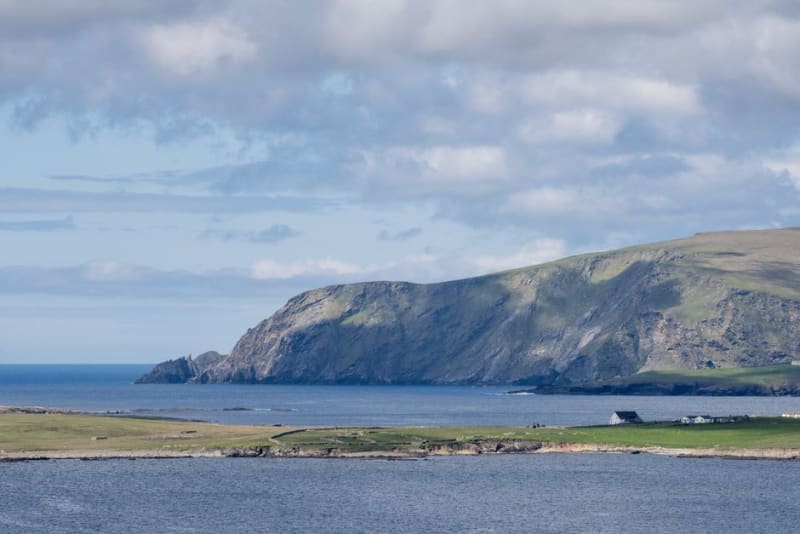 shetland-islands
 Foula
One of Britain's remotest inhabited islands, reached by boat or eight-seater plane, where the cliffs hold one of the country's largest seabird colonies.
Explore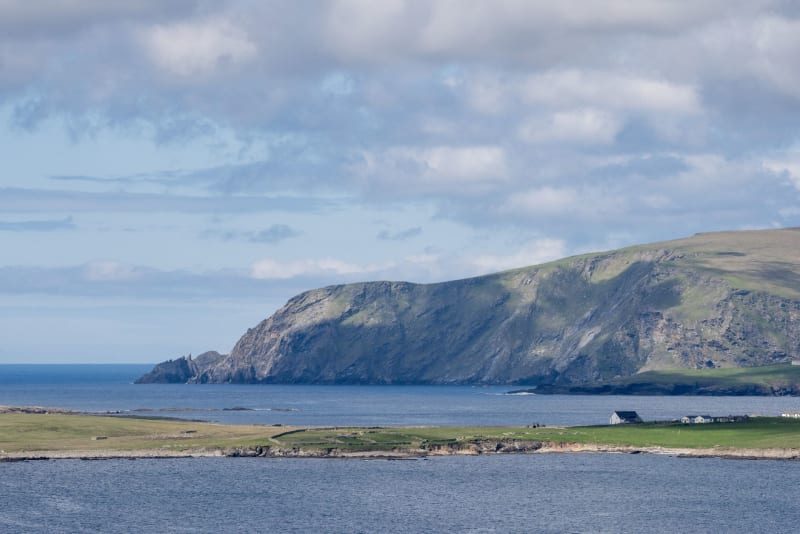 shetland-islands
 Hermaness
The northernmost corner of the British Isles, where a moorland walk through gannet-scented wind brings you to cliff edges overlooking the Atlantic and the lonely rock of Muckle Flugga.
Explore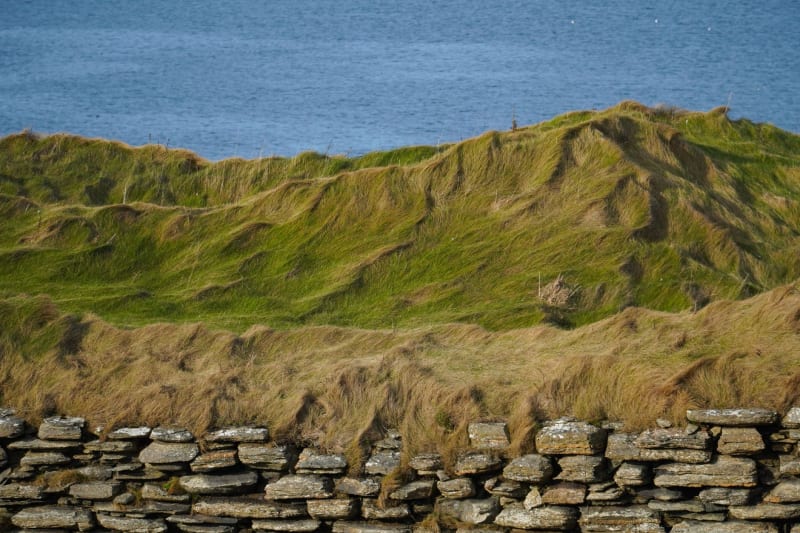 shetland-islands
 Jarlshof
An archaeological site near Sumburgh where Bronze Age smithies, Iron Age brochs, Norse longhouses, and a medieval farmstead stack on top of each other in a compressed vertical history of human settlement.
Explore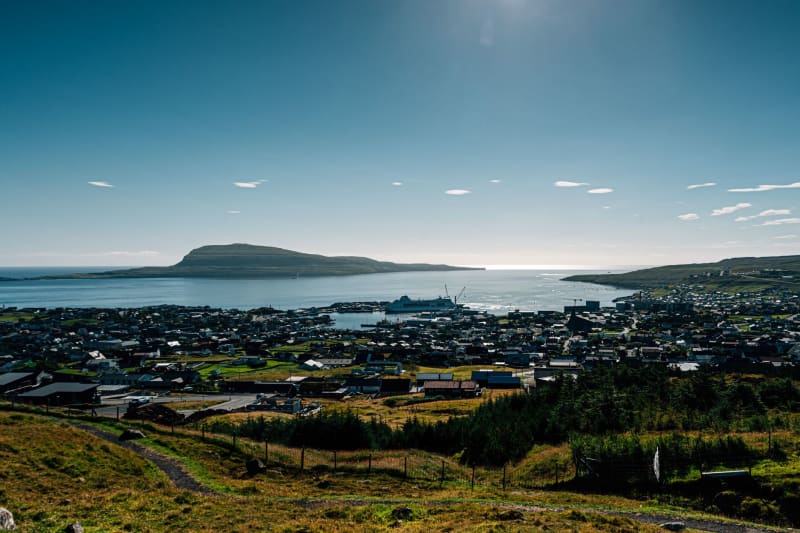 shetland-islands
 Lerwick
Shetland's stone-built capital where Norse history runs through the streets and the pub fires outlast even the longest winter nights.
Explore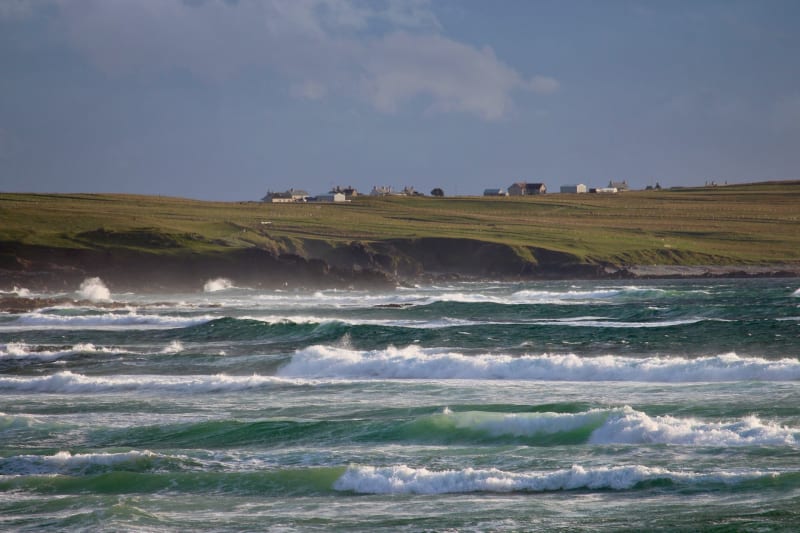 shetland-islands
 Mousa
A small uninhabited island off the Mainland's east coast, home to the best-preserved Iron Age broch in the world and, on summer nights, the eerie churring of thousands of storm petrels nesting in its ancient walls.
Explore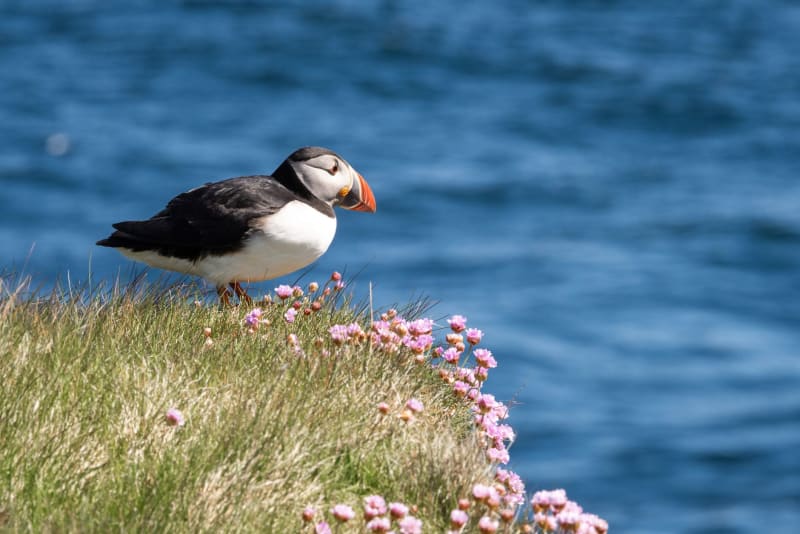 shetland-islands
 Noss
A National Nature Reserve island off Bressay, accessible only by inflatable dinghy, where sheer sandstone cliffs host sixty thousand seabirds through summer and the air smells of nothing you can quite identify except wildness.
Explore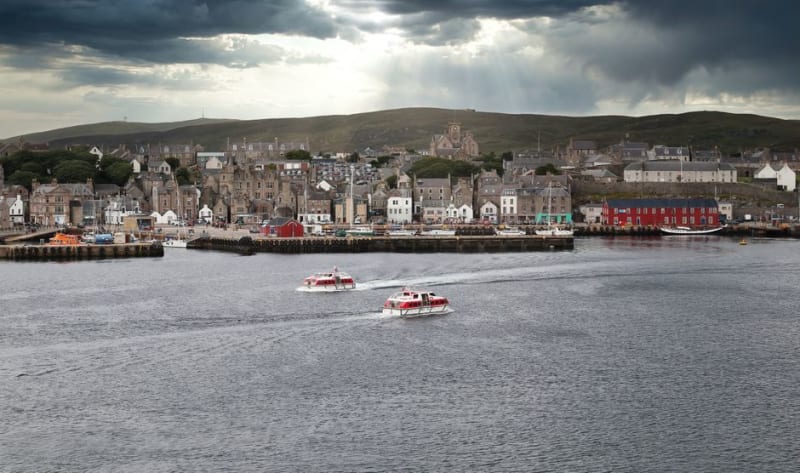 shetland-islands
 Out Skerries
A cluster of tiny islands at Shetland's easternmost edge, gathered around a working harbor where the fishing boats still outnumber the tourists.
Explore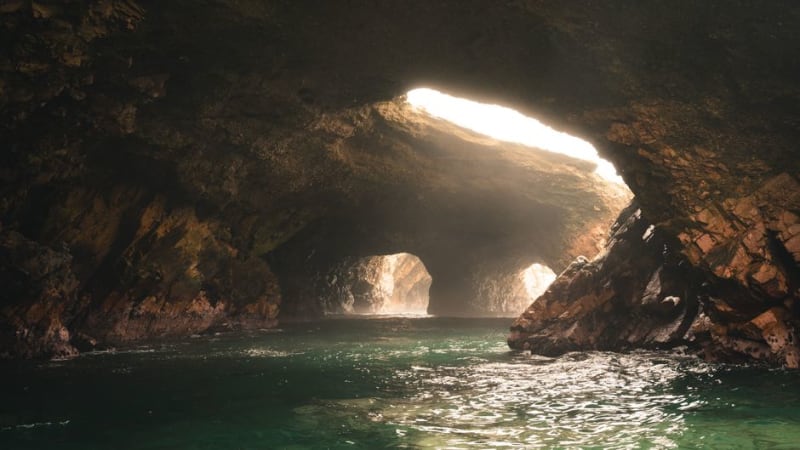 shetland-islands
 Papa Stour
A tiny volcanic island honeycombed with sea caves and natural arches, best seen from a small boat threading between the cliffs.
Explore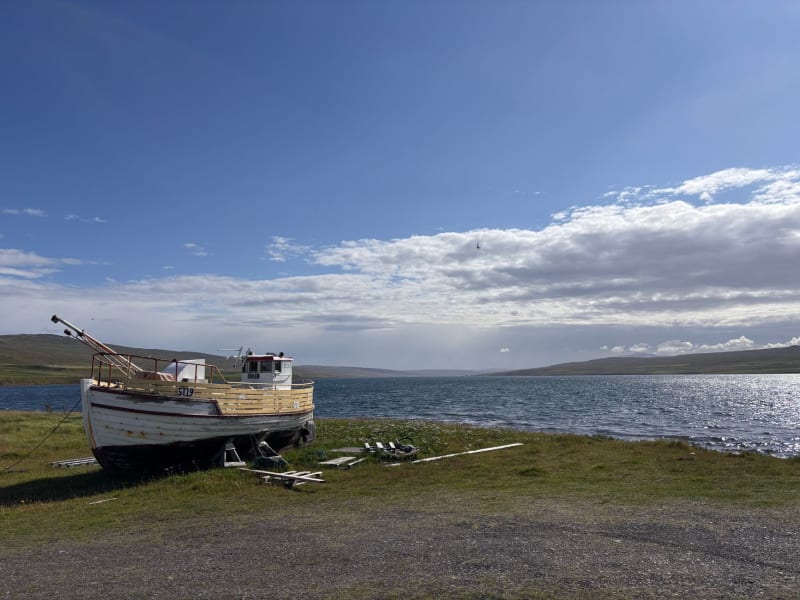 shetland-islands
 Scalloway
Shetland's ancient capital on the west coast of the Mainland, a working fishing harbor dominated by the gaunt ruin of a 17th-century castle and holding a wartime history of Norwegian resistance more significant than its size suggests.
Explore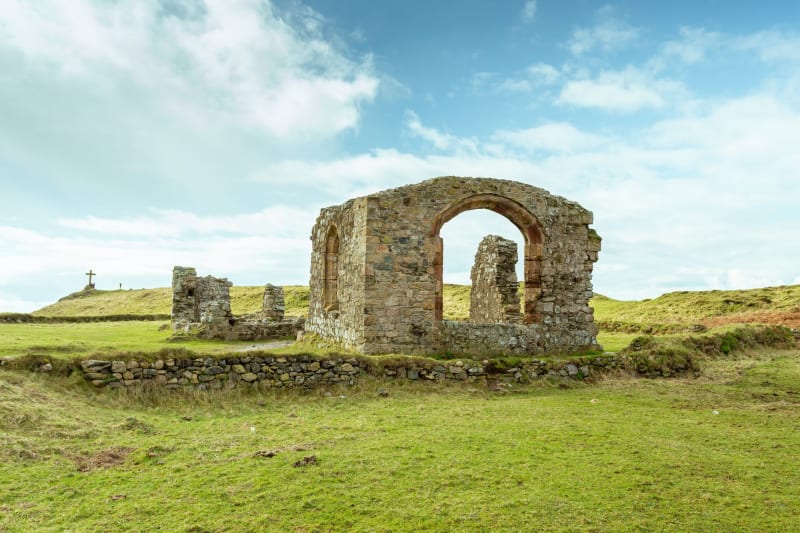 shetland-islands
 St Ninian's Isle
A perfect double-curved sand bar tying a green island to the Shetland mainland, where a boy once dug up a hoard of Pictish silver.
Explore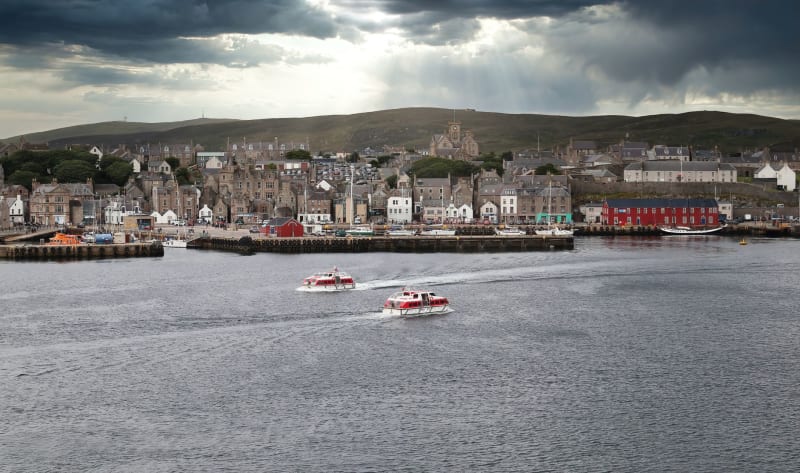 shetland-islands
 Sumburgh Head
A lighthouse-crowned headland at Shetland's southern tip where Atlantic gales, puffin colonies, and 5,000 years of human history collide in improbable harmony.
Explore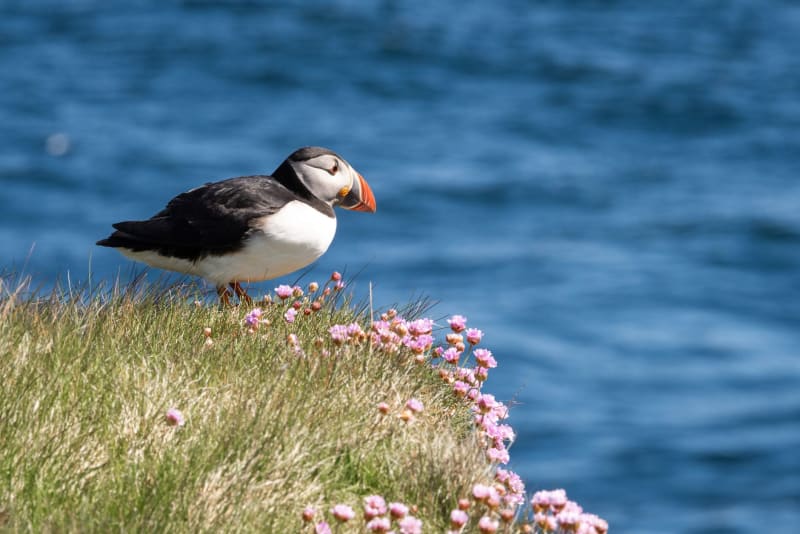 shetland-islands
 Unst
Britain's northernmost inhabited island, reached by two ferry crossings from the Shetland Mainland, where wild serpentinite uplands, Europe's most northerly brewery, and a famous bus shelter reward the effort of getting there.
Explore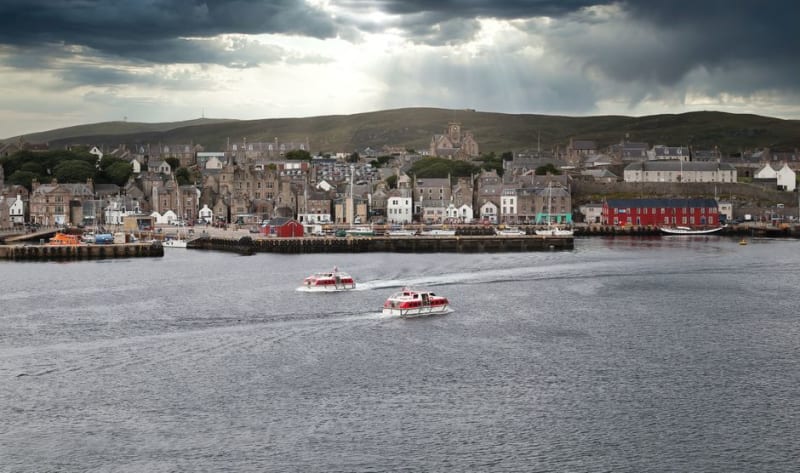 shetland-islands
 Whalsay
Known locally as 'the bonny isle', home to a deep-sea fishing fleet whose landings rival much bigger Scottish ports.
Explore