
Lerwick
"Six in the morning, the ferry dock, and the light already doing something impossible for the hour."
Shetland's stone-built capital where Norse history runs through the streets and the pub fires outlast even the longest winter nights.

The ferry from Aberdeen delivers you to Lerwick at six in the morning if the sea behaves, which is not guaranteed. I stepped onto the pier in a light that made no sense — flat, amber, horizontal — and stood there long enough to miss the shuttle bus. There are arrivals that set the tone of a whole trip, and this was one of them. Lerwick at dawn in the Shetland simmer dim is not a city revealing itself gradually. It arrives complete, grey-stoned and salt-aired, already entirely itself.
Commercial Street runs along the waterfront behind a row of stone frontages that haven’t changed much since the herring boom of the nineteenth century, and in the early morning before the shops open, before the cruise passengers arrive, the street belongs entirely to the cats and the seabirds picking through what the fishing boats left behind. The harbour wall absorbs whatever colour the sky offers — pewter most days, occasionally a washed gold, rarely the kind of blue that photographs well and accurately.

The Shetland Museum on the waterfront handles the island’s history with more intelligence than most local museums manage. The Viking material is particularly good — not the horned-helmet mythology but the actual evidence of people who arrived, planted crops, raised cattle, and named every headland and voe in a language that still dominates the map. The Norsemen weren’t visiting. They were settling, and Lerwick’s streets carry the logic of a town that grew from a natural harbour rather than anyone’s plan. The result is a place that turns its back on the interior moorland and faces the sea with a practicality that feels more Scandinavian than Scottish.
The pubs on Commercial Street fill up around six in the evening and stay filled. I found a seat by the fire at the Lounge Bar and ate Shetland mussels steamed in cream and a local ale, and listened to a conversation I couldn’t entirely follow — the Shetland dialect is its own thing, a vowel-shifted English with Norse words embedded in it like stones in a wall. The fiddle music came later, and it leaned Scandinavian rather than Scottish, driven and modal in a way that belonged to Bergen as much as to Edinburgh.
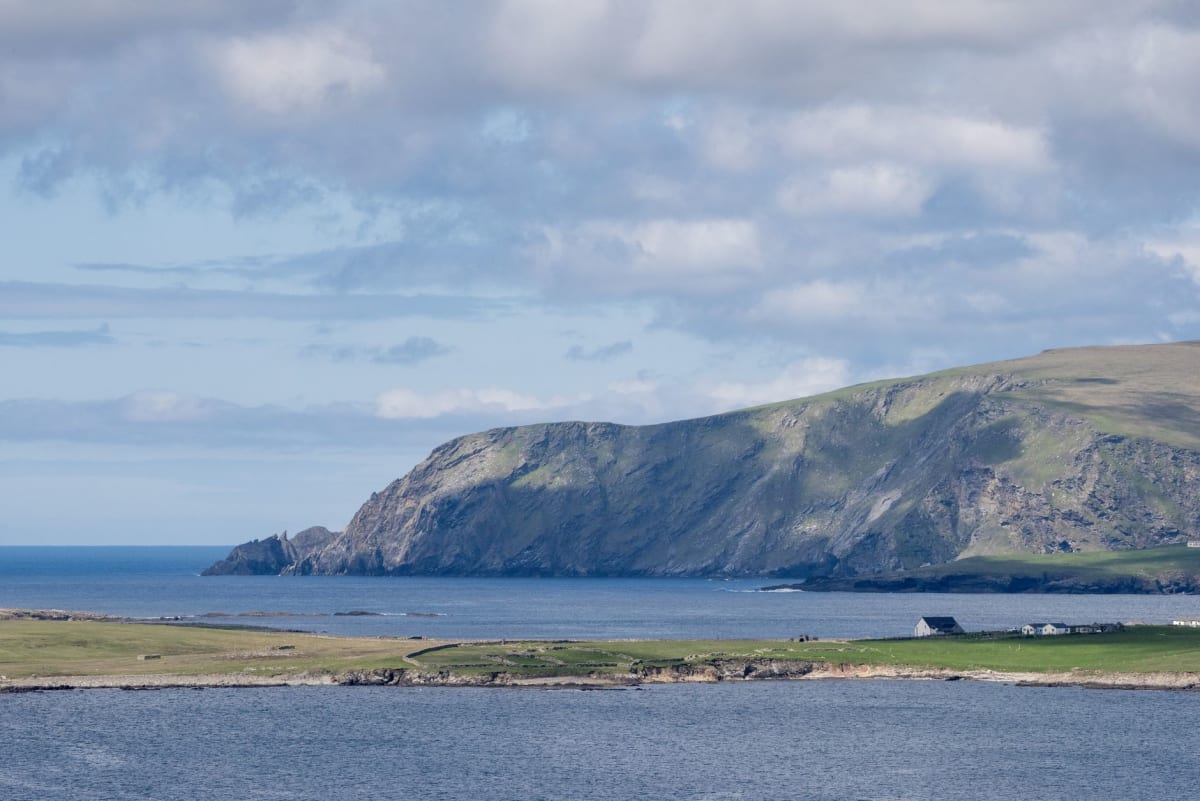
Walking out past the old fort at Clickimin in the late evening, when the light goes that peculiar pewter-gold of the simmer dim, the town resolves into something that finally makes sense — a place that exists because the sea demanded it, that endures because the people who stayed chose stubbornness over comfort, and that rewards the visitor who asks nothing in return for the first hour except a bowl of reestit mutton soup and the chance to sit in the wind and let the place arrive at its own pace.
When to go: The town is at its most electric during Up Helly Aa in late January, when a Viking longship is dragged through the streets and burned — book accommodation many months ahead. May through August offers the famous simmer dim evenings, when darkness barely comes. Summer Lerwick sees cruise ships on some days; arrive early on Commercial Street and wait them out.
Keep exploring
More from Shetland Islands
 shetland-islands
Mousa
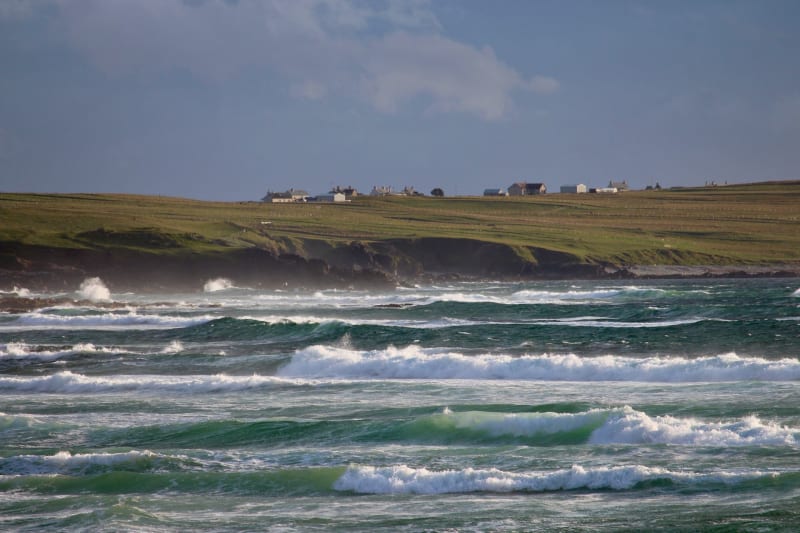
A small uninhabited island off the Mainland's east coast, home to the best-preserved Iron Age broch in the world and, on summer nights, the eerie churring of thousands of storm petrels nesting in its ancient walls.
Explore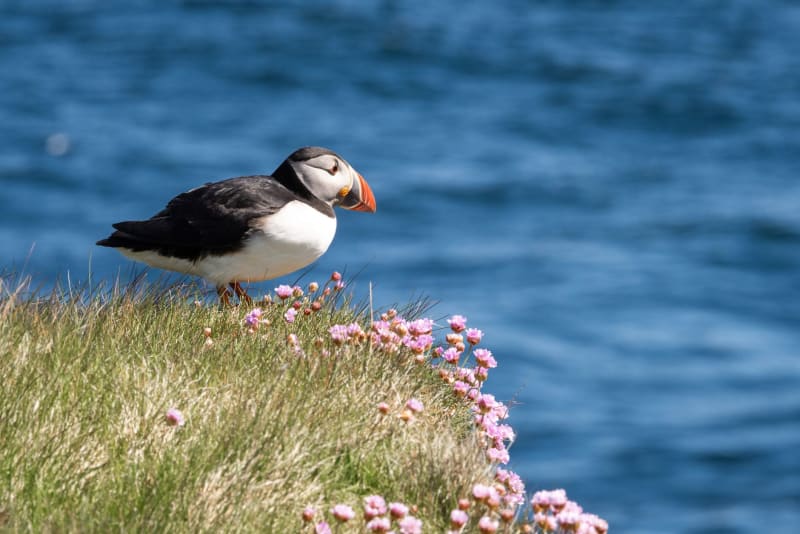 shetland-islands
Noss
A National Nature Reserve island off Bressay, accessible only by inflatable dinghy, where sheer sandstone cliffs host sixty thousand seabirds through summer and the air smells of nothing you can quite identify except wildness.
Explore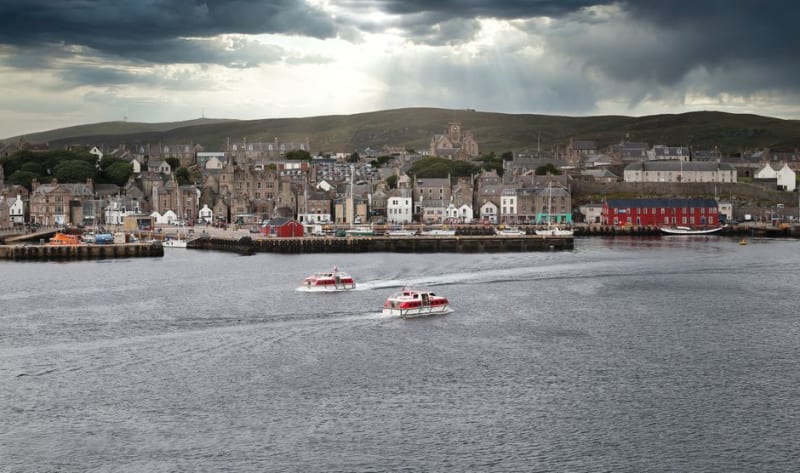 shetland-islands
Out Skerries
A cluster of tiny islands at Shetland's easternmost edge, gathered around a working harbor where the fishing boats still outnumber the tourists.
Explore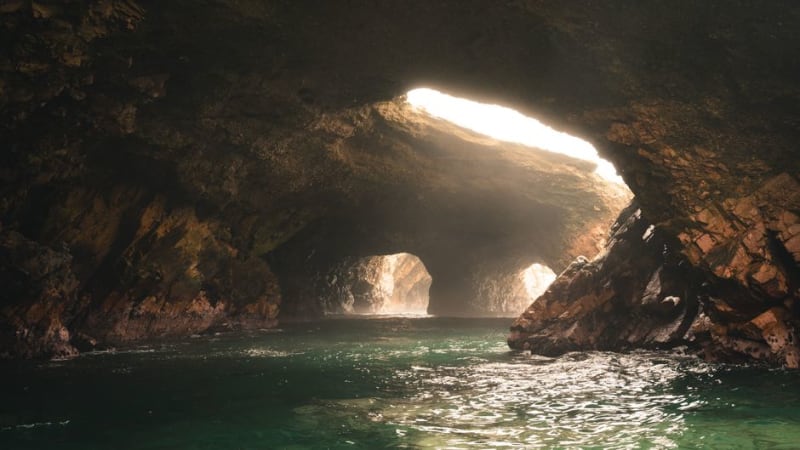 shetland-islands
Papa Stour
A tiny volcanic island honeycombed with sea caves and natural arches, best seen from a small boat threading between the cliffs.
Explore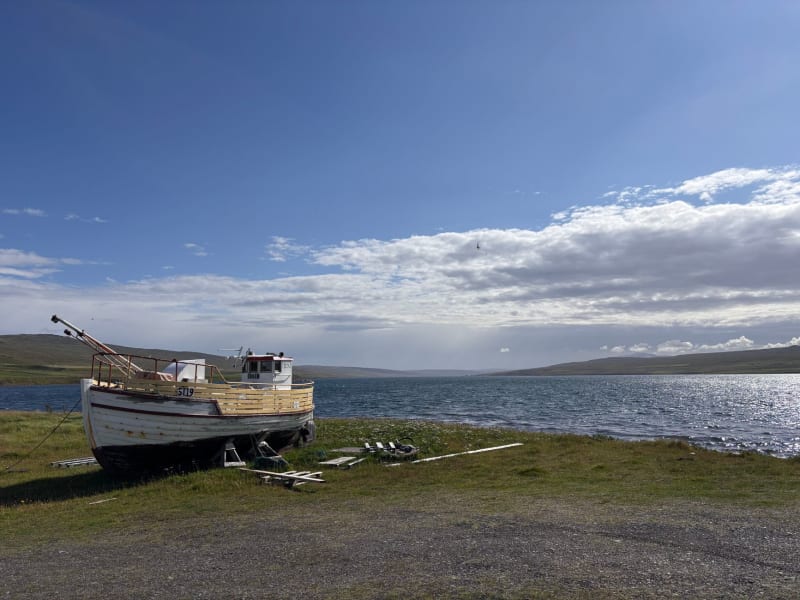 shetland-islands
Scalloway
Shetland's ancient capital on the west coast of the Mainland, a working fishing harbor dominated by the gaunt ruin of a 17th-century castle and holding a wartime history of Norwegian resistance more significant than its size suggests.
Explore shetland-islands
St Ninian's Isle
A perfect double-curved sand bar tying a green island to the Shetland mainland, where a boy once dug up a hoard of Pictish silver.
Explore