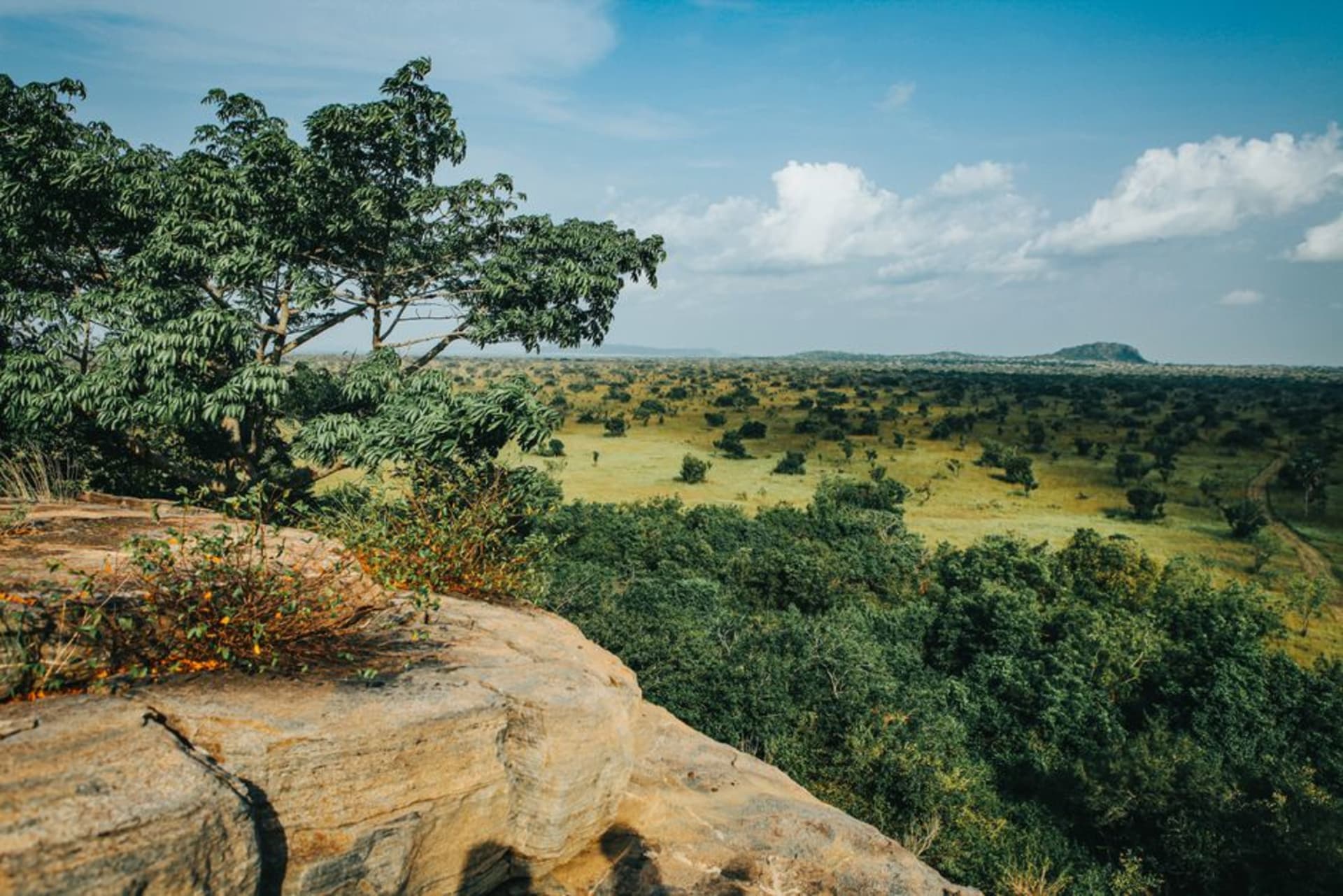
Réserve de Bandia
"I hadn't expected to see a rhino an hour outside Dakar, and then there it was, chewing."
A fenced pocket of savanna an hour from Dakar where giraffes browse between centuries-old baobabs and white rhinos graze within a few careful meters of the truck.
I went to Bandia half-skeptical, expecting a glorified petting zoo dressed up for tour buses out of Dakar and Saly. What I got instead was genuinely disorienting: an open 4x4, a guide named Modou who’d clearly done this drive ten thousand times but still leaned forward when we spotted something, and baobabs old enough that some of them are estimated at eight hundred years, their trunks swollen and grey and split like something out of a different geological era. The reserve isn’t Kruger — it’s fenced, it’s compact, you can drive its main loop in under two hours — but nobody tells you that a giraffe seen at close range, unhurried, chewing acacia leaves with total indifference to your presence, does not feel small just because the enclosure has a perimeter.
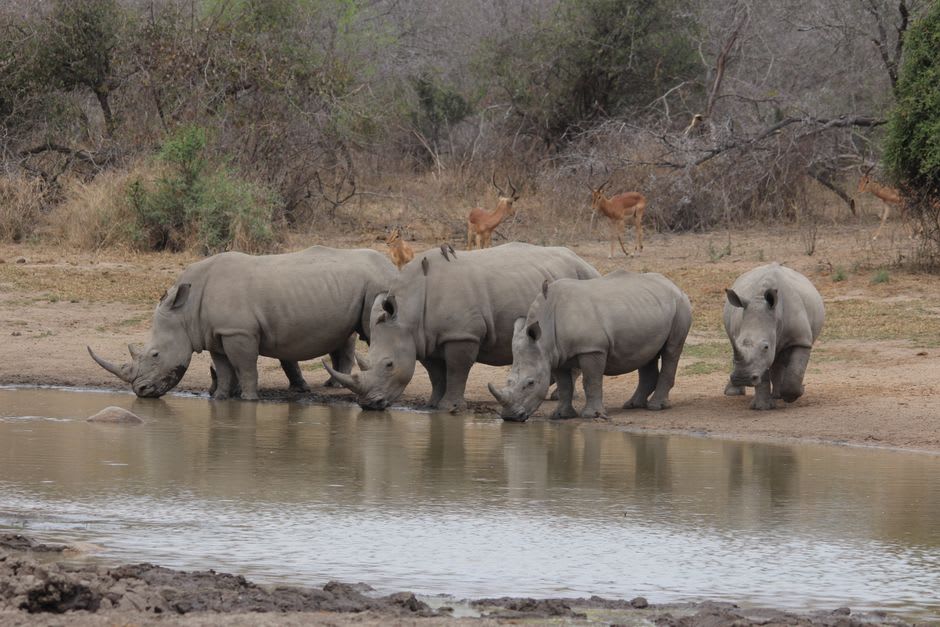
We found the white rhinos near a waterhole, two of them, grey and prehistoric and enormous in a way photos never quite convey. Modou cut the engine and we sat for ten minutes just watching one of them graze, close enough that I could hear it tearing grass. Further along, a family of warthogs bolted across the track tails-up like antennas, and a troop of patas monkeys — the fastest primate on earth, Modou told me, delighted to say it — scattered up into an acacia at our approach.
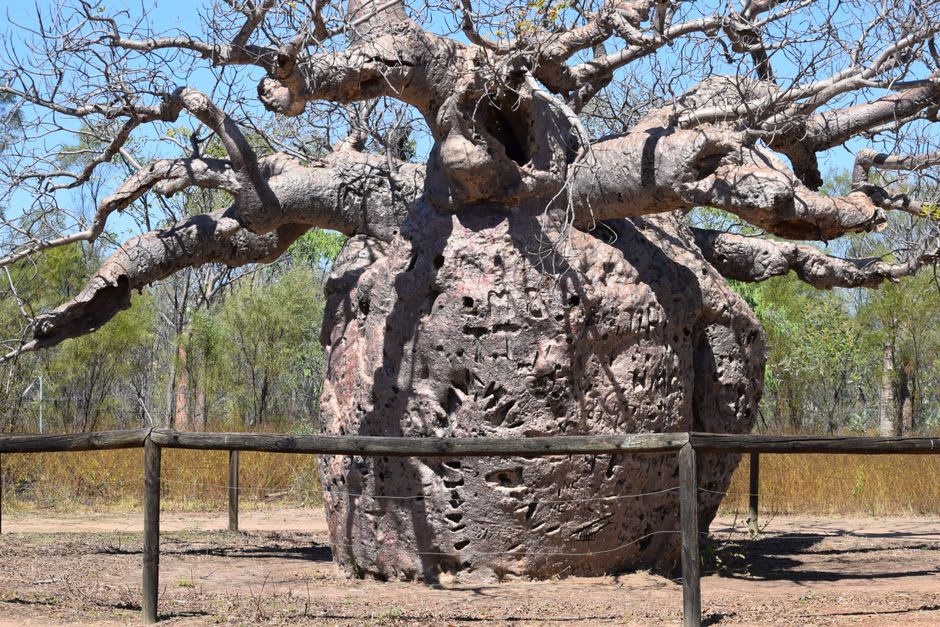
The baobabs themselves ended up being the thing I remembered longest, oddly. One near the reserve’s center is hollowed out enough that a griot was once buried standing upright inside its trunk, in the old tradition of interring certain storytellers and musicians inside baobabs rather than in the ground — the wood was thought to prevent their words from poisoning the earth. Modou told the story matter-of-factly, no theatrical pause for effect, which somehow made it land harder.
By the end of the loop we’d added zebras, ostriches, a scatter of impala, and a very unbothered crocodile sunning itself at a pond’s edge. It’s not a substitute for Niokolo-Koba, and nobody should pretend it is. But as a half-day trip from the coast, easy to combine with Saly or a Sine-Saloum run, it earns its reputation.
When to go: Any time of year works, though early morning game drives in the December to April dry season give you the coolest light and the most active animals before the midday heat sends everything into the shade.
Keep exploring
More from Senegal
 senegal
 Casamance
The green south of Senegal — rice paddies, forest villages, animist traditions, and a river to paddle at dawn.
Explore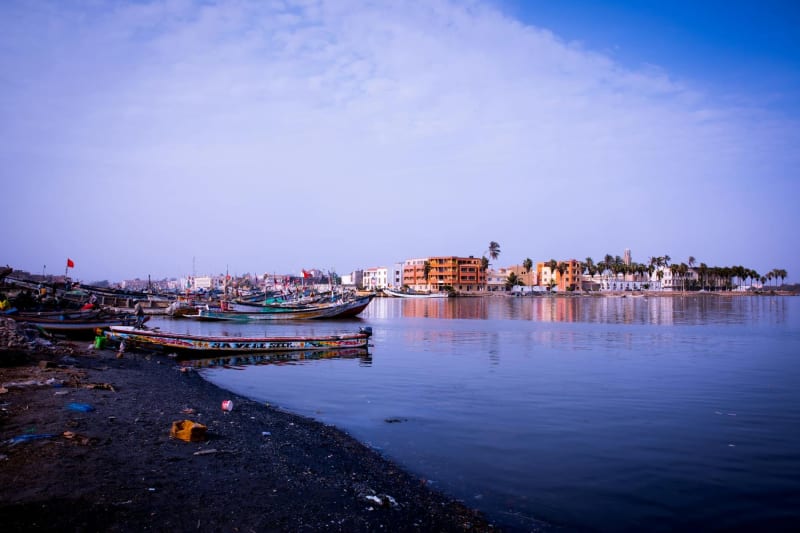 senegal
 Dakar
West Africa's most sophisticated capital, perched on a peninsula lashed by Atlantic winds and Wolof music.
Explore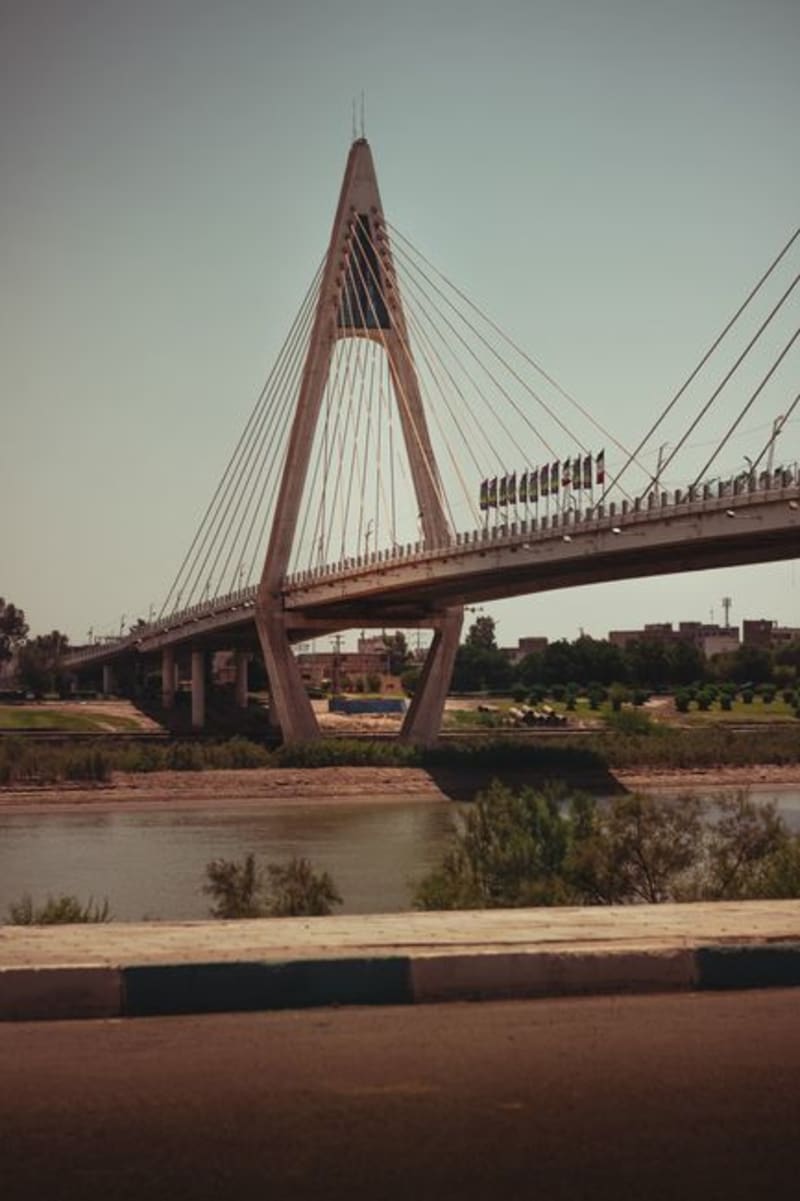 senegal
 Fadiouth
A Serer fishing village built entirely on a mountain of clam shells and connected to the mainland by a creaking wooden footbridge, where Muslims and Christians have been burying their dead in the same cemetery for generations.
Explore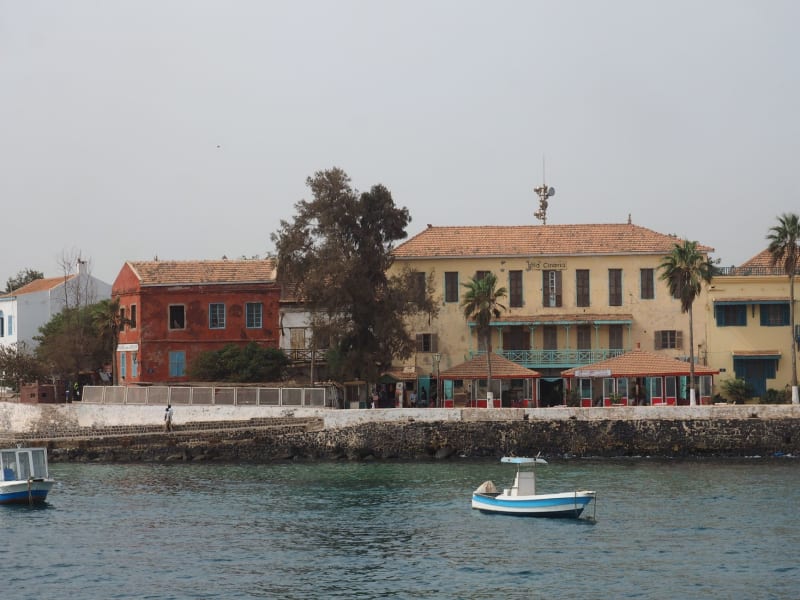 senegal
 Île de Gorée
A car-free island of faded pink walls and bougainvillea three kilometers off Dakar where the Atlantic's most difficult history is held inside colonial architecture you could mistake, at first glance, for beautiful.
Explore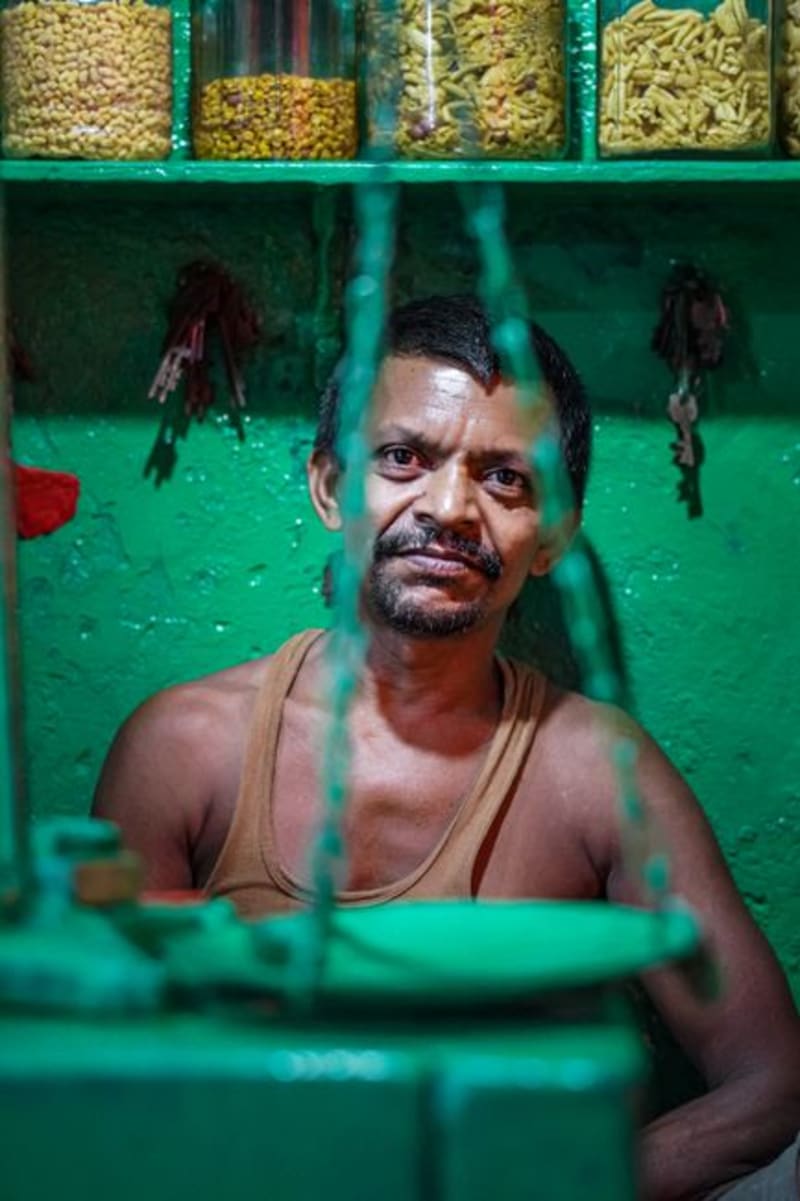 senegal
 Kaolack
The hot, loud capital of Senegal's peanut basin, where mountains of groundnuts pile up beside the railway, salt is harvested from the surrounding flats, and the Medina Baye quarter draws Islamic pilgrims from across West Africa.
Explore senegal
 Kédougou
A riverside town at the edge of Senegal's southeastern forest country where the Sahel gives out, Bassari villages cling to hillsides, and waterfalls drop through ironwood canopy into pools cold enough to reset something in you.
Explore