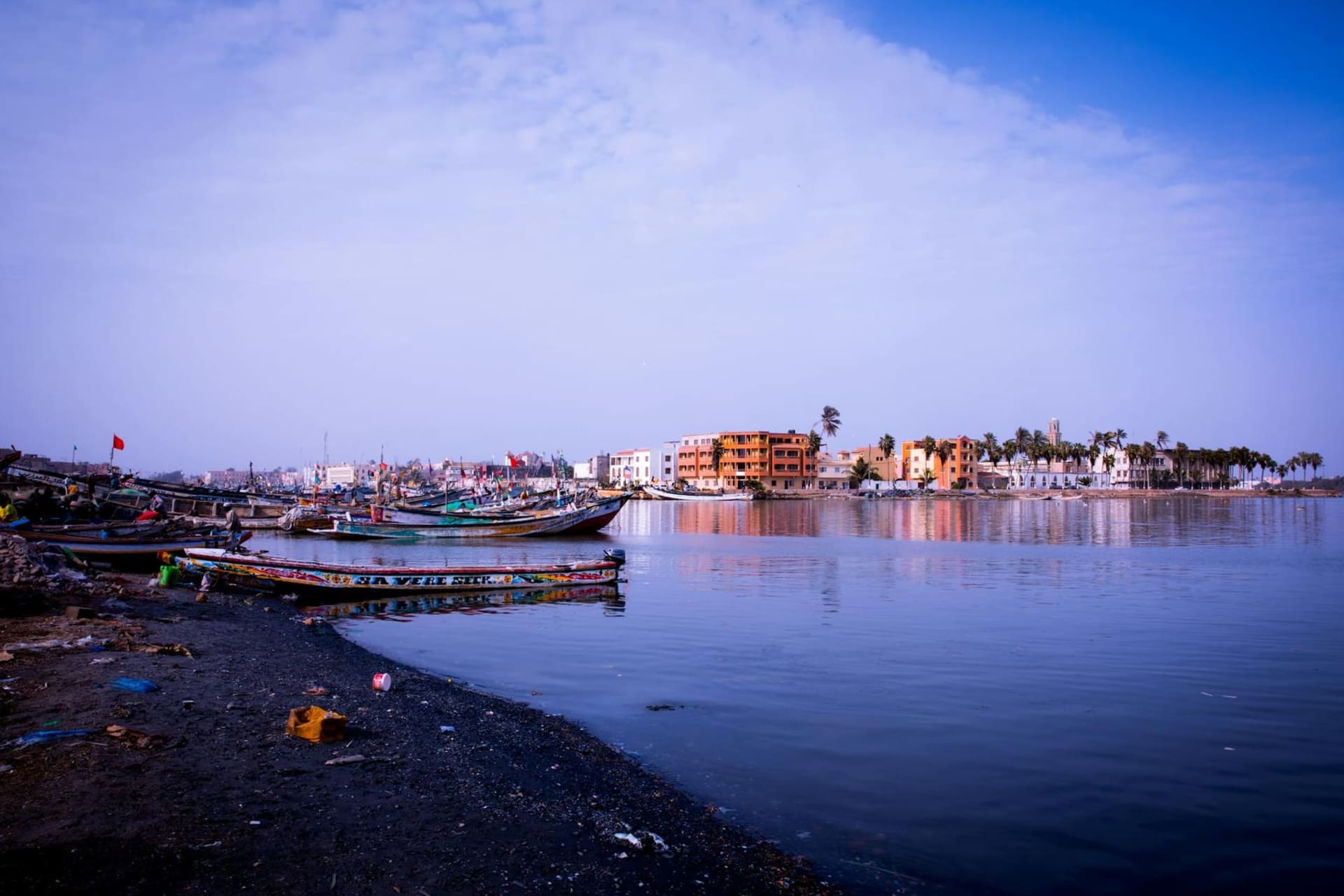
West Africa's most sophisticated capital, perched on a peninsula lashed by Atlantic winds and Wolof music.

Dakar announces itself through smell before anything else — the salt-iron reek of low tide mixing with grilled thiéboudienne from a windowsill pot, diesel from the blue-and-yellow Ndiaga Ndiaye buses grinding up the Corniche Ouest. The peninsula is barely thirty kilometres long, but it carries the full weight of a city that has always faced outward, always traded its ideas with the sea.
The Plateau and the Medina
The colonial Plateau sits high and proud above the port, its administrative buildings bleached to the colour of old teeth, ficus trees clawing through the pavement. Walk three blocks west toward the Marché Sandaga and the grid dissolves. The medina smells of thiouraye incense and bissap drying on rope lines. Lia stopped in front of a wall mural near the Rue Mohamed V — a woman’s face painted in iron-oxide red and cobalt, ten metres tall — and didn’t move for a while. Neither did I. Street art in Dakar doesn’t ask permission; it simply takes the wall it needs.
We ate at a table outside a small restaurant near the HLM market: thiéboudienne jën, the national dish, rice cooked in a tomato and fish reduction deep enough to drown in, with whole grouper and charred eggplant. It arrives on one communal plate. You eat with your right hand or a spoon if you need one, and no one rushes you.
The Corniche and Gorée
The Corniche-Ouest road curves around the peninsula’s Atlantic flank, and in the late afternoon it turns into a kind of open-air promenade. Wrestlers train on the beach below Soumbédioune, their feet leaving heavy prints in the wet sand. Older men in grand boubous sit on the sea wall watching nothing in particular. The light at five o’clock has a particular quality — warm and horizontal, bouncing off the water with unusual ferocity, the kind of light that makes ordinary things look like they’ve been chosen.
The ferry to Gorée Island takes twenty minutes from the port. What surprised me was not the House of Slaves — I had read about it and prepared myself — but the silence of the island’s interior streets. Bougainvillea. Pink walls. Cats on every ledge. A place carrying enormous grief inside a landscape of almost painful beauty.
What to Know
The muezzin at the Grande Mosquée de Dakar calls before dawn with a seriousness that reorganises your morning. Wolof greetings matter — nanga def and a proper response opens conversations that would otherwise stay closed. Teranga, the local ethic of hospitality, is not a tourist slogan. People mean it.
When to go: November through February brings the harmattan’s dry clarity, cooler temperatures, and the best light for the peninsula. Avoid July and August — the humidity and heat make everything harder.
Keep exploring
More from Senegal
 senegal
 Fadiouth
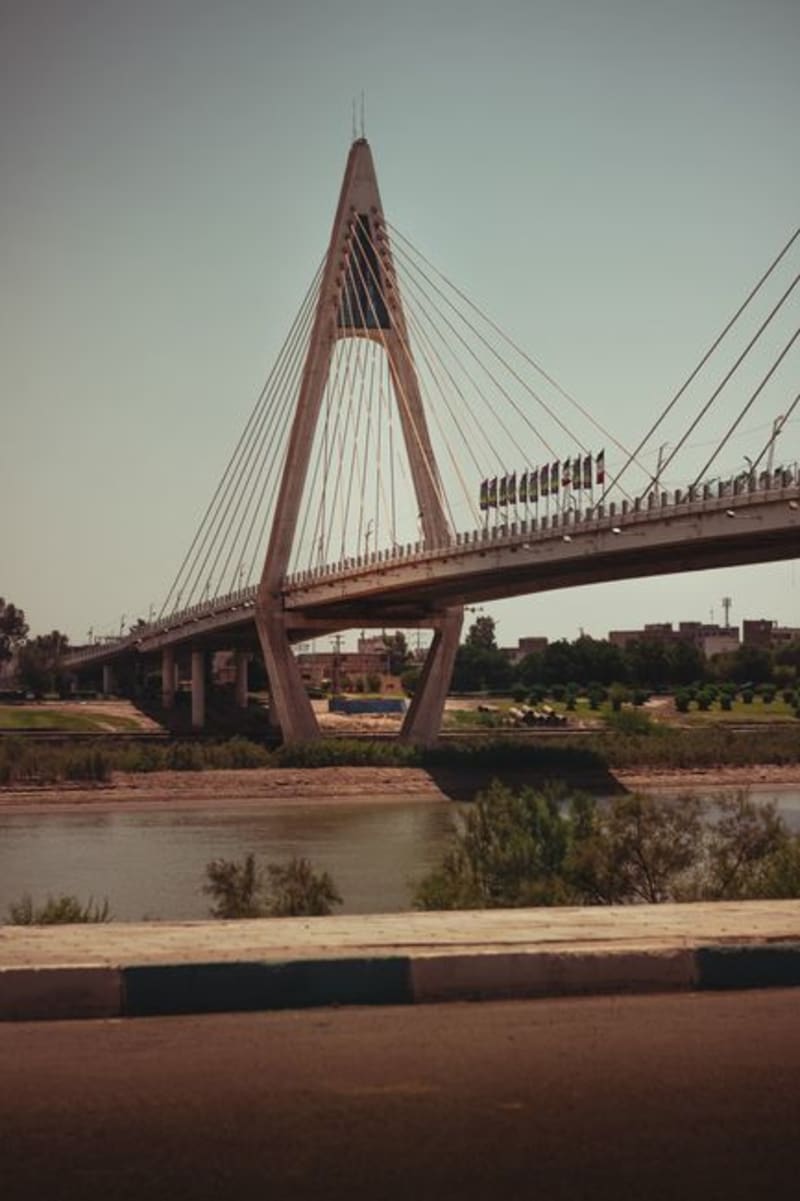
A Serer fishing village built entirely on a mountain of clam shells and connected to the mainland by a creaking wooden footbridge, where Muslims and Christians have been burying their dead in the same cemetery for generations.
Explore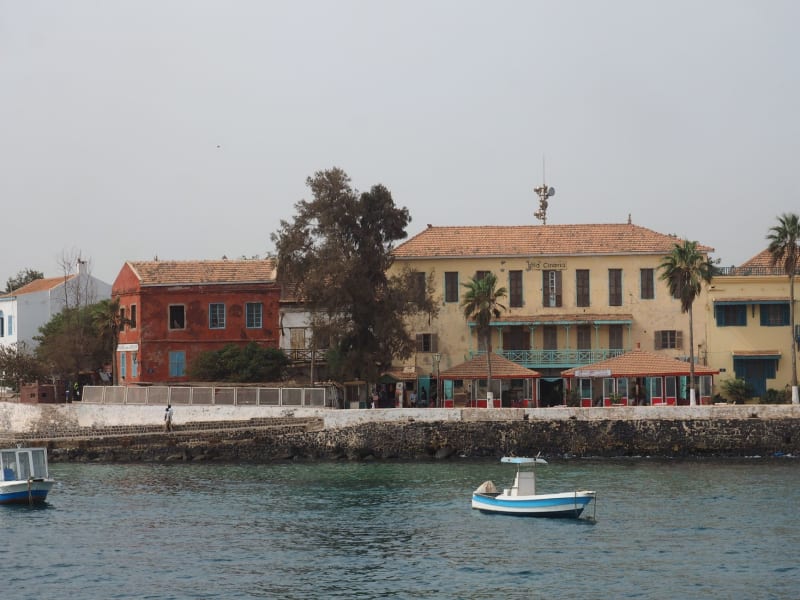 senegal
 Île de Gorée
A car-free island of faded pink walls and bougainvillea three kilometers off Dakar where the Atlantic's most difficult history is held inside colonial architecture you could mistake, at first glance, for beautiful.
Explore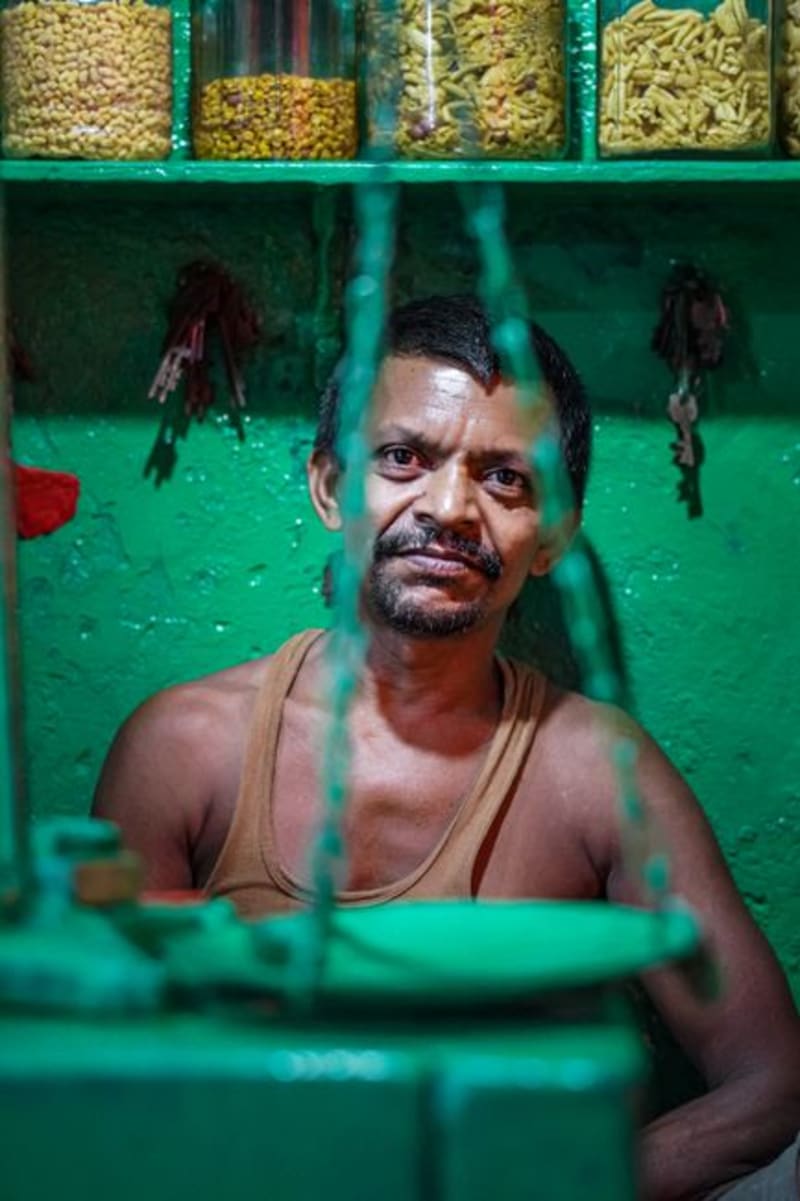 senegal
 Kaolack
The hot, loud capital of Senegal's peanut basin, where mountains of groundnuts pile up beside the railway, salt is harvested from the surrounding flats, and the Medina Baye quarter draws Islamic pilgrims from across West Africa.
Explore senegal
 Kédougou
A riverside town at the edge of Senegal's southeastern forest country where the Sahel gives out, Bassari villages cling to hillsides, and waterfalls drop through ironwood canopy into pools cold enough to reset something in you.
Explore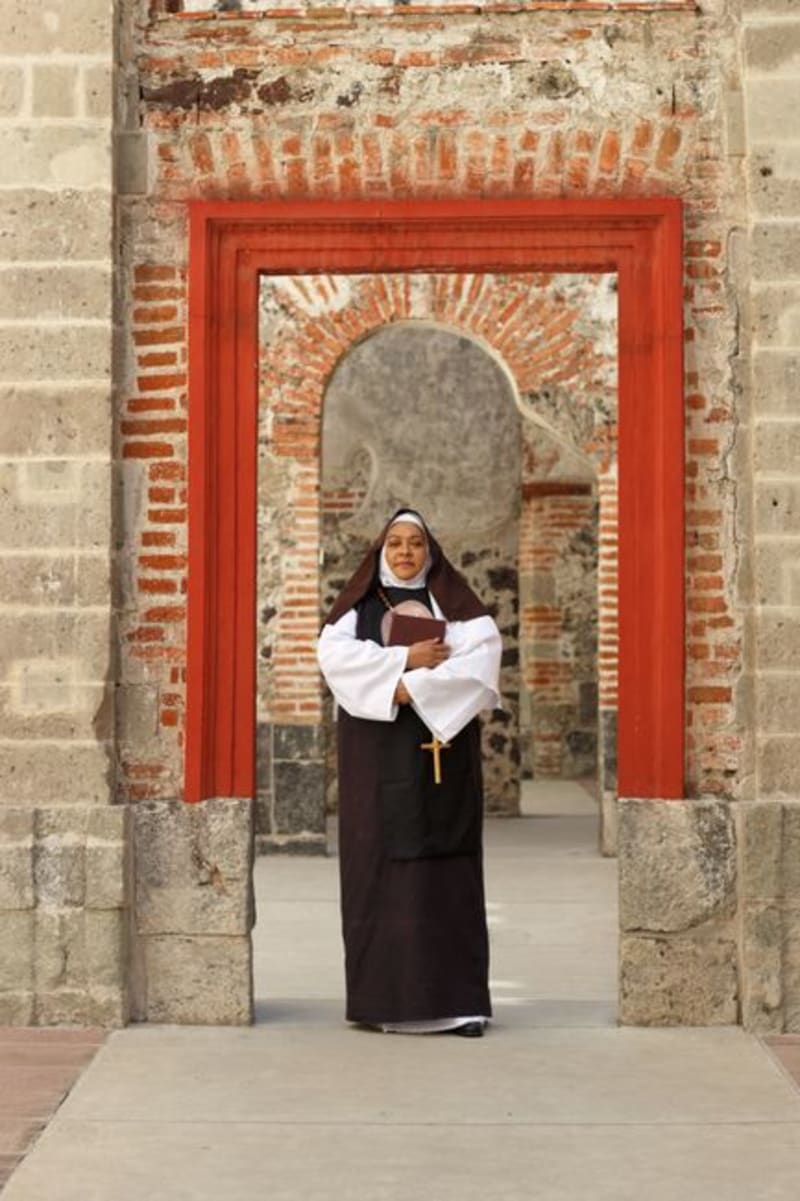 senegal
 Monastère de Keur Moussa
A Benedictine monastery in the forested hills near Thiès where monks accompany the Gregorian mass with kora music of their own invention, blending Catholic liturgy and Mandinka instrumentation into something I've never heard anywhere else.
Explore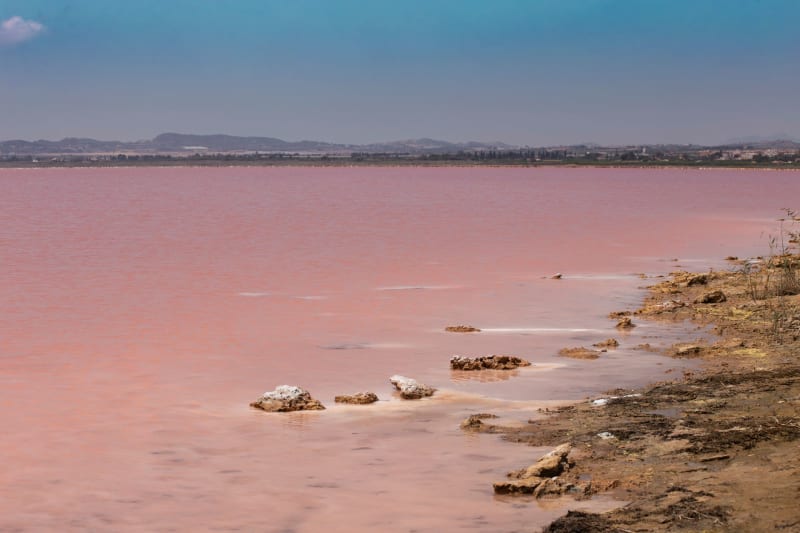 senegal
 Lac Rose
A shallow saltwater lake northeast of Dakar that turns flamingo pink at midday — its color produced by salt-resistant algae, its shoreline worked by men who coat themselves in shea butter and shovel the lake floor for a living.
Explore