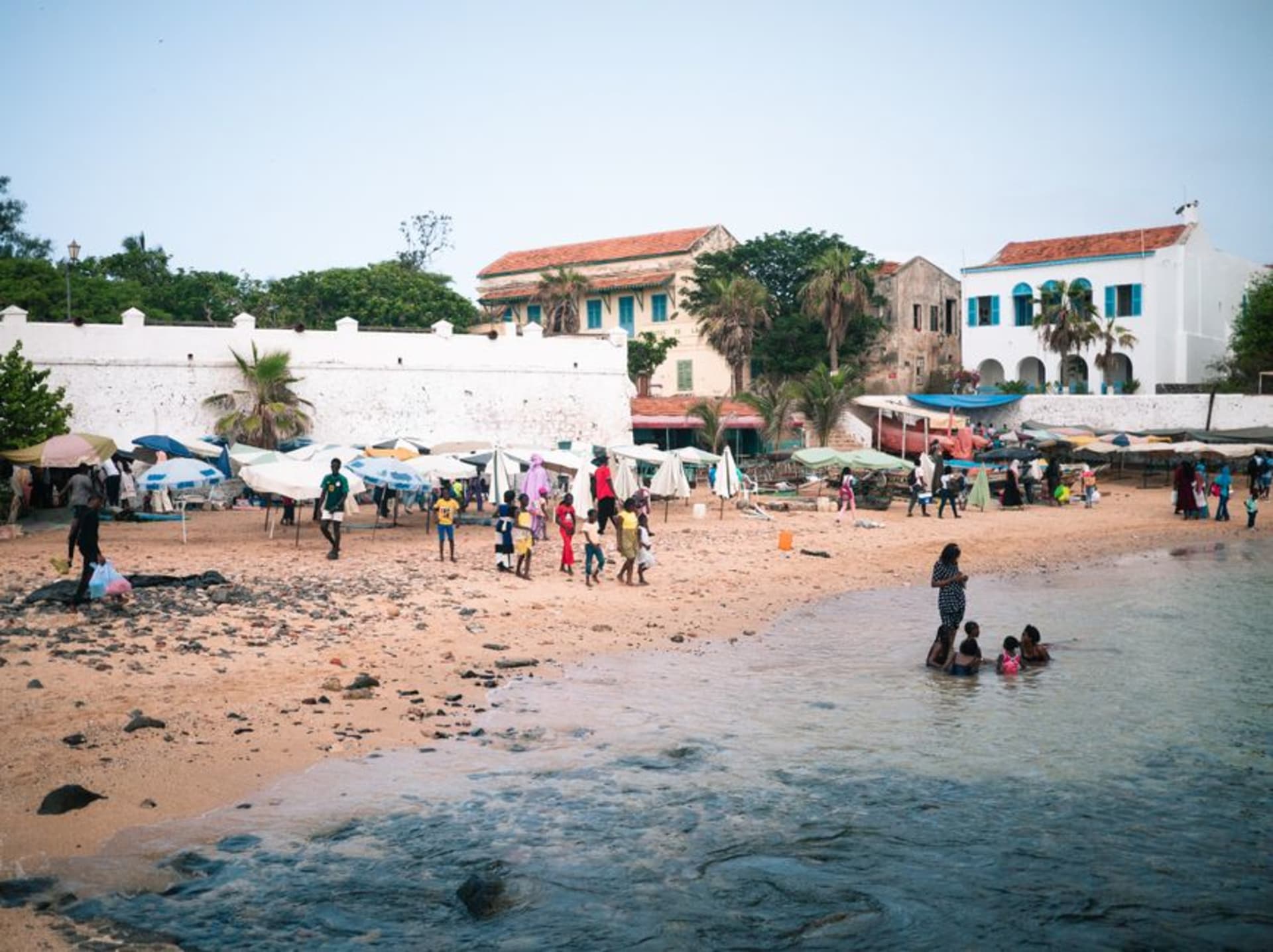
The hot, loud capital of Senegal's peanut basin, where mountains of groundnuts pile up beside the railway, salt is harvested from the surrounding flats, and the Medina Baye quarter draws Islamic pilgrims from across West Africa.

Kaolack has a reputation among Senegalese for being brutally hot, and I can confirm the reputation is earned — I arrived at midday in April and the air felt thick enough to lean on. The town sits at the heart of the groundnut basin, the region that made peanuts Senegal’s colonial-era cash crop, and even now the evidence is everywhere: trucks queued at the old depot, sacks stacked in pyramids taller than the men loading them, the smell of roasting groundnuts drifting from stalls along nearly every street I walked down.
The market itself, Marché Bou Guèye, is one of the largest in the country and genuinely overwhelming in the best sense — fabric vendors stacked three deep, dried fish piled beside plastic buckets and phone chargers and enormous sacks of millet, motorbikes threading through gaps that shouldn’t exist. I got hopelessly turned around within ten minutes and didn’t especially mind. A boy selling roasted peanuts by the twist of paper walked with me for a stretch, more curious about the toubab wandering his market than interested in a sale, and ended up pointing me toward the salt flats on the edge of town almost as an afterthought.
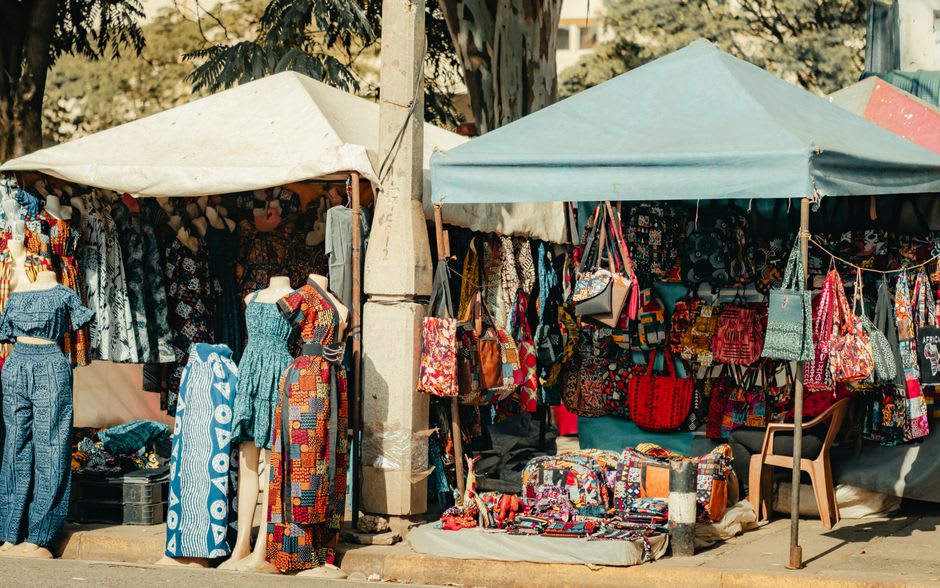
Kaolack is also home to Medina Baye, a district built around the tomb and teachings of Baye Niasse, a major twentieth-century Islamic scholar whose Tijaniyya order draws pilgrims from Senegal, Nigeria, and well beyond every year for the Mawlid celebrations. I wasn’t there for the pilgrimage crowds, but the quarter’s calm even outside of festival season — men in white boubous moving unhurried between the mosque and the surrounding streets — felt distinct from the commercial chaos a few blocks away near the market.

I watched the sun go down over the salt pans on the Saloum’s edge, the flats catching pink and orange the same way the pink lake does further north, before heading back into town for a bowl of soupou kandia that a roadside cook ladled out generously enough to embarrass me for finishing it.
When to go: November through February if you want to avoid Kaolack’s reputation for extreme heat firsthand — April and May in particular are punishing.
Keep exploring
More from Senegal
 senegal
 Kédougou
A riverside town at the edge of Senegal's southeastern forest country where the Sahel gives out, Bassari villages cling to hillsides, and waterfalls drop through ironwood canopy into pools cold enough to reset something in you.
Explore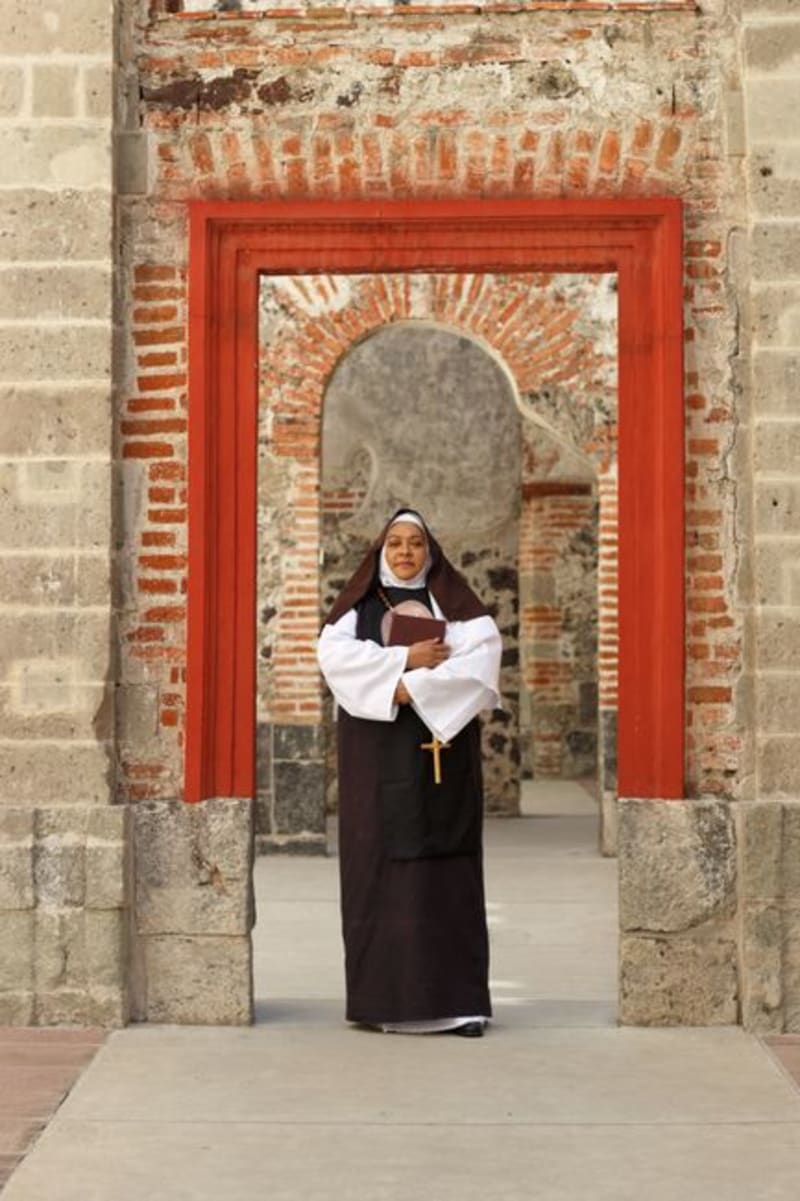 senegal
 Monastère de Keur Moussa
A Benedictine monastery in the forested hills near Thiès where monks accompany the Gregorian mass with kora music of their own invention, blending Catholic liturgy and Mandinka instrumentation into something I've never heard anywhere else.
Explore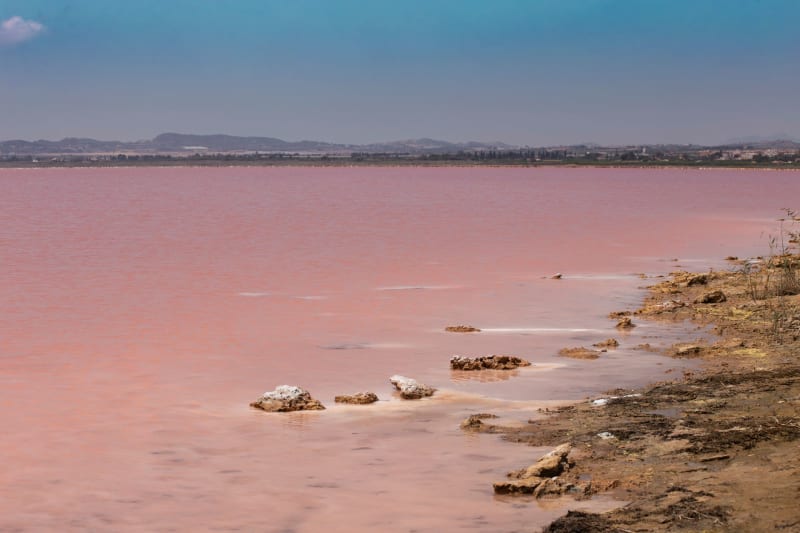 senegal
 Lac Rose
A shallow saltwater lake northeast of Dakar that turns flamingo pink at midday — its color produced by salt-resistant algae, its shoreline worked by men who coat themselves in shea butter and shovel the lake floor for a living.
Explore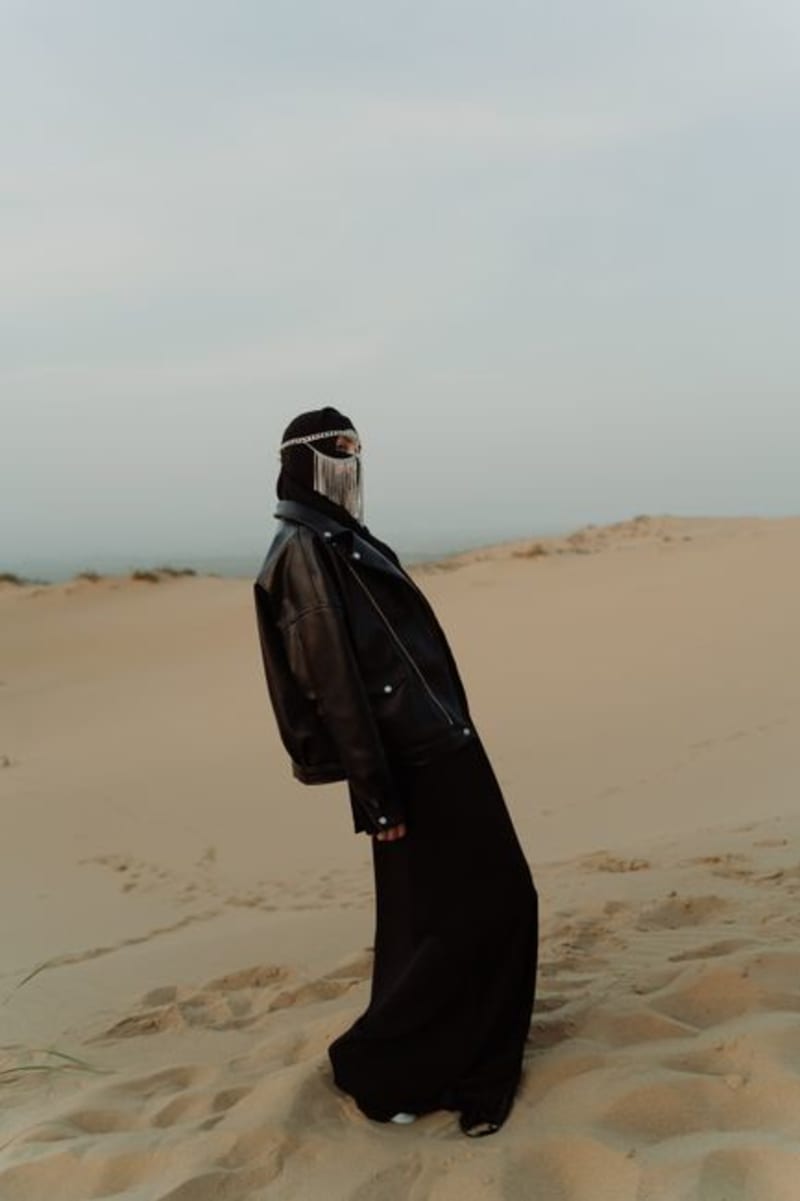 senegal
 Désert de Lompoul
A pocket of orange Saharan dunes stranded improbably in the middle of Senegal's Grande Côte, small enough to walk across in an afternoon and silent enough at night to hear your own blood moving.
Explore senegal
 Parc National du Niokolo-Koba
Senegal's vast and seldom-visited southeastern national park, where the Gambia River bends through gallery forest and the rare Derby eland moves between acacias in a wilderness that hasn't been arranged for easy viewing.
Explore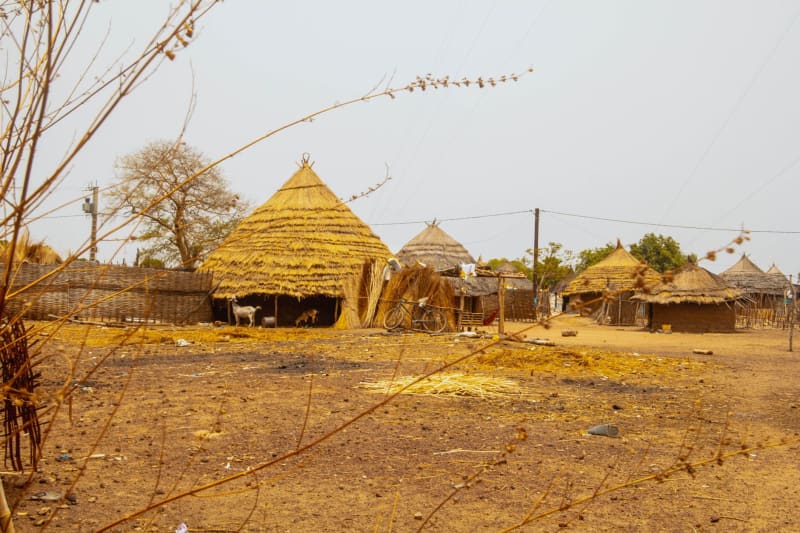 senegal
 Petite Côte
The Atlantic shoreline south of Dakar where Senegalese fishing culture and European resort infrastructure share the same sand without much pretense of resolving the contradiction.
Explore