Africa
Senegal
"The most generous country I've ever been a guest in."
A country where teranga — the Wolof art of hospitality — is not a marketing slogan but a daily practice that will upend every assumption you brought about West Africa.

I landed in Dakar at dusk, the Atlantic slamming the cliffs below the Corniche, and within twenty minutes of stepping outside the airport a man had offered me tea, declined my money, and pointed me toward a car rapide heading downtown. That is Senegal in a single scene. The place doesn’t ease you in — it just absorbs you into its rhythm, and by the time you understand what’s happened, you’ve already been invited to someone’s home for thiéboudienne.
Dakar is the kind of city that rewards walking when it makes no logical sense to walk. The Plateau neighborhoods stack modernist colonial buildings next to mosques next to tailors working in doorways. The Sandaga market operates at a frequency that leaves you slightly rearranged. But the city doesn’t demand your attention the way Marrakech or Lagos does — it simply hums, and you tune into it. Lunch at a no-name restaurant on the Médina side streets: a bowl of mafé, peanut-based and slow-cooked, with a half-baguette for three hundred francs. This is a country where France left a bread obsession behind, and the result is excellent.
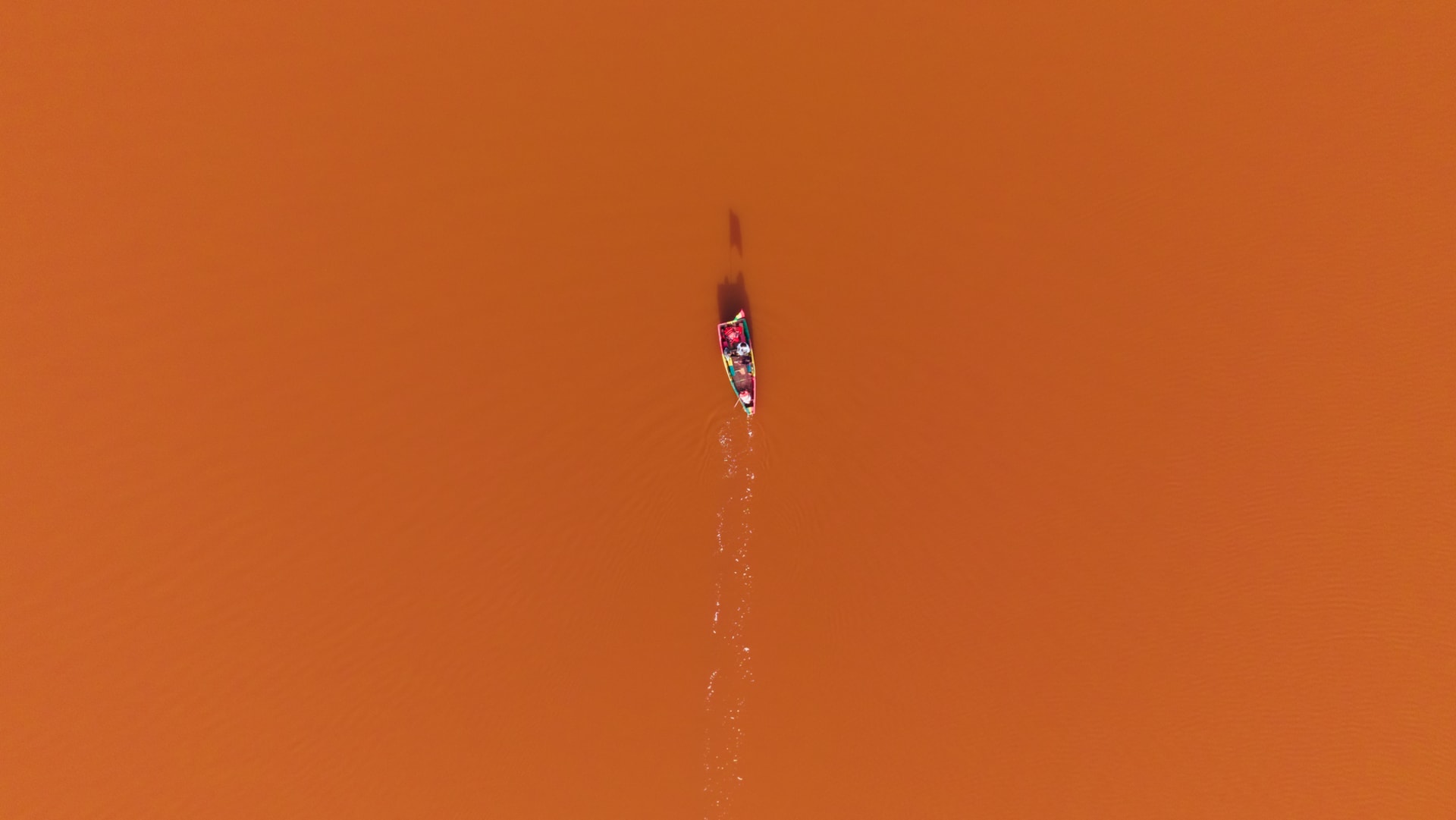
Outside Dakar, Senegal opens up in directions most visitors completely miss. The Casamance region in the south — separated from the rest of the country by the Gambia — feels like a different country entirely: rice paddies, forest, palm wine, a slower Creole pace. The village of Toubab Dialaw on the Petite Côte is where Dakar artists and musicians go to breathe. And then there’s Lac Retba, the pink lake north of the city, where the salt concentration turns the water to something between Pepto-Bismol and a Holi festival — men wading in to harvest salt by hand, their skin protected with shea butter, the whole scene so improbably beautiful it looks like a set designer’s idea of Africa rather than the real thing.
When to go: November through April is the dry season — clear skies, tolerable heat, and no mud roads. May through October is hot and increasingly humid, with the rains arriving fully by July. The rains are not necessarily a reason to avoid it; the landscape goes green, the light turns dramatic, and crowds thin to almost nothing. Just rent a four-wheel drive.
What most guides get wrong: They frame Senegal as “safe and easy” West Africa — implying it’s only worth visiting because it’s less challenging than its neighbors. That misses the point entirely. Senegal is worth visiting because the food is genuinely among the best on the continent, because Dakar’s music and arts scene is producing some of the most interesting things happening anywhere in African culture right now, and because teranga is real — not a performance for tourists but a social fabric that has been woven for centuries. Come for the hospitality, stay for the thiéboudienne, leave knowing you owe the country at least a second visit.
Explore
Places in Senegal
 senegal
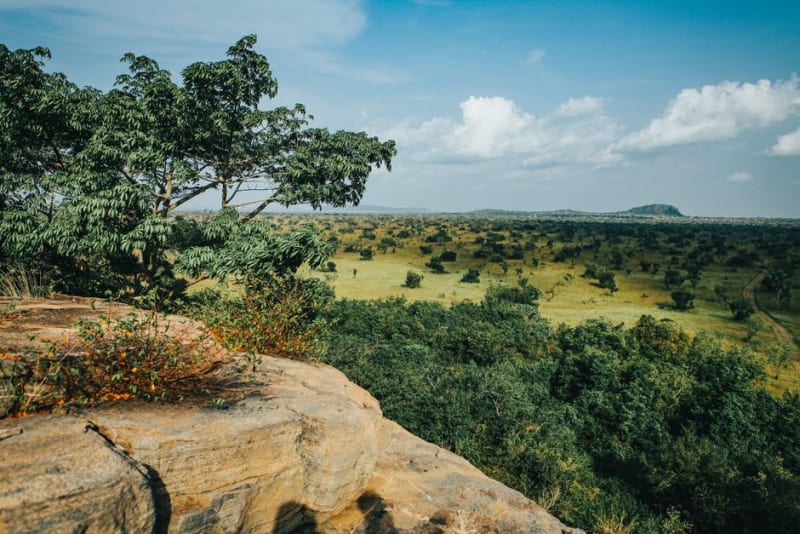
 Réserve de Bandia
A fenced pocket of savanna an hour from Dakar where giraffes browse between centuries-old baobabs and white rhinos graze within a few careful meters of the truck.
Explore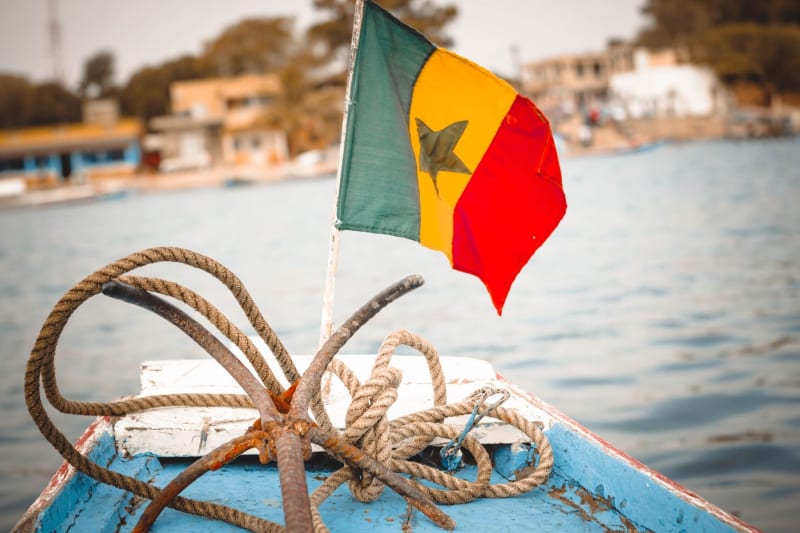 senegal
 Casamance
The green south of Senegal — rice paddies, forest villages, animist traditions, and a river to paddle at dawn.
Explore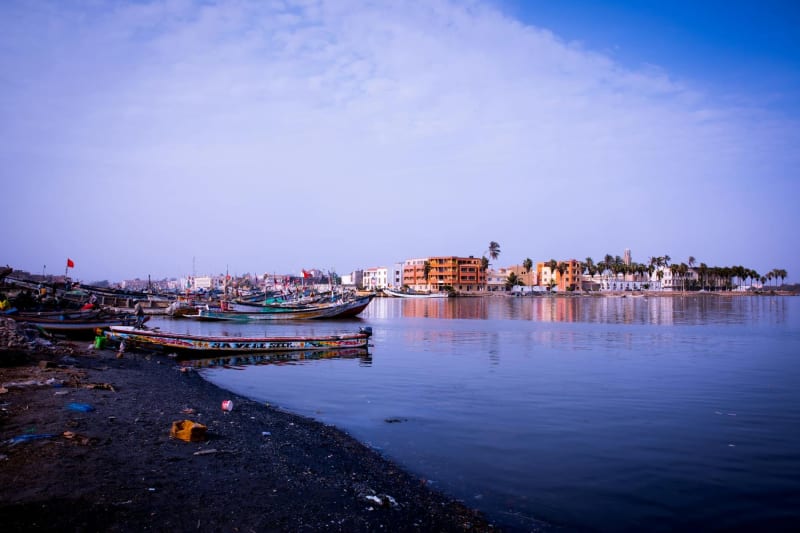 senegal
 Dakar
West Africa's most sophisticated capital, perched on a peninsula lashed by Atlantic winds and Wolof music.
Explore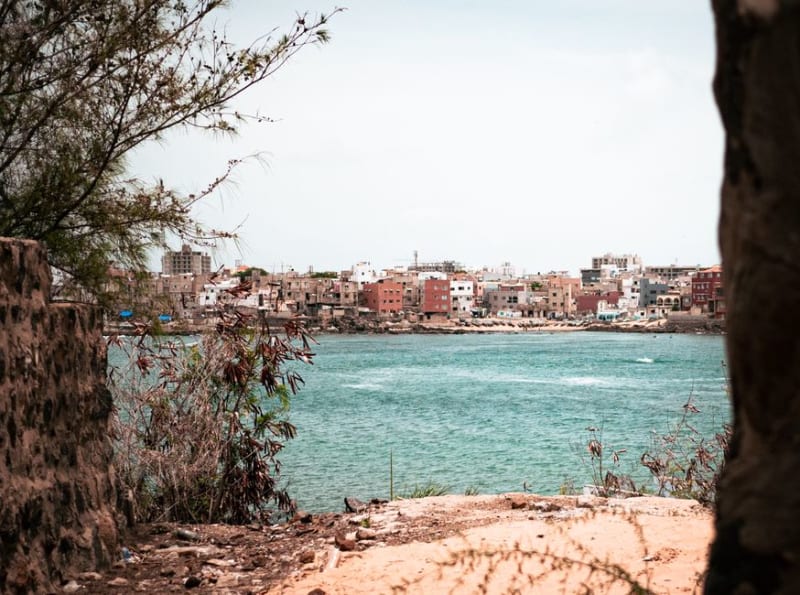 senegal
 Fadiouth
A Serer fishing village built entirely on a mountain of clam shells and connected to the mainland by a creaking wooden footbridge, where Muslims and Christians have been burying their dead in the same cemetery for generations.
Explore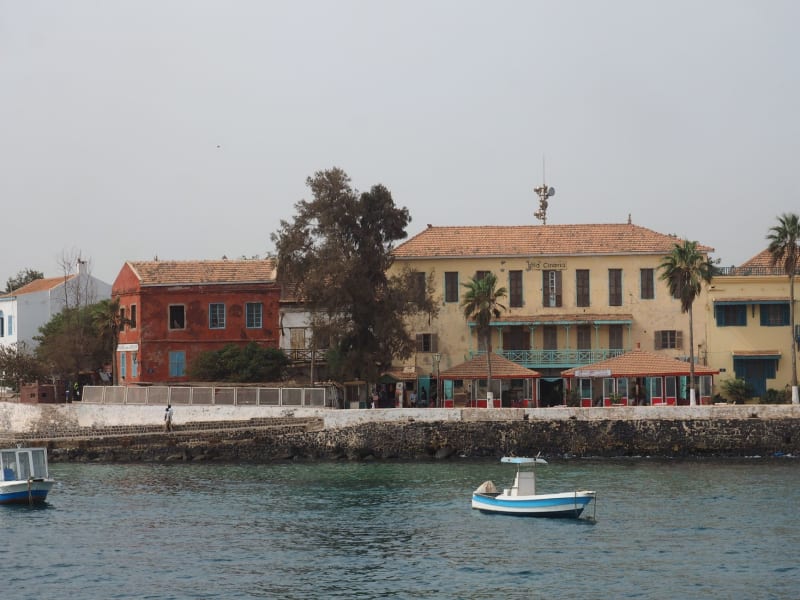 senegal
 Île de Gorée
A car-free island of faded pink walls and bougainvillea three kilometers off Dakar where the Atlantic's most difficult history is held inside colonial architecture you could mistake, at first glance, for beautiful.
Explore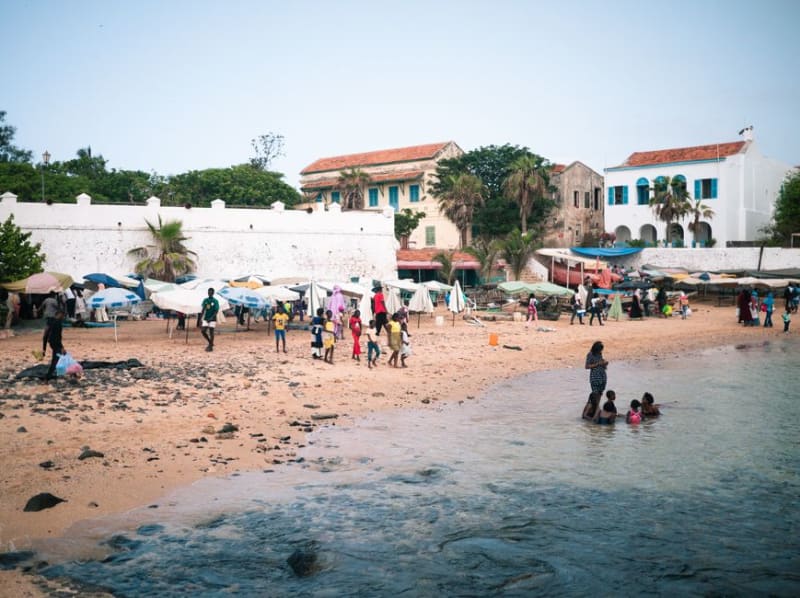 senegal
 Kaolack
The hot, loud capital of Senegal's peanut basin, where mountains of groundnuts pile up beside the railway, salt is harvested from the surrounding flats, and the Medina Baye quarter draws Islamic pilgrims from across West Africa.
Explore senegal
 Kédougou
A riverside town at the edge of Senegal's southeastern forest country where the Sahel gives out, Bassari villages cling to hillsides, and waterfalls drop through ironwood canopy into pools cold enough to reset something in you.
Explore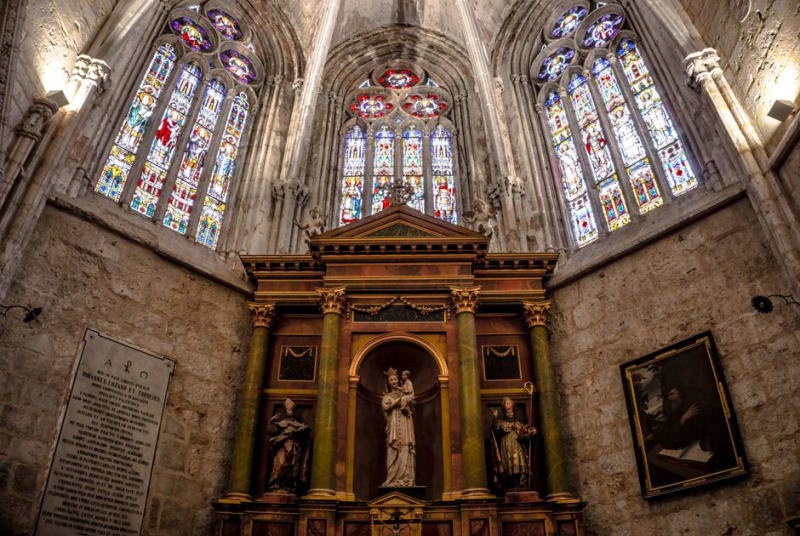 senegal
 Monastère de Keur Moussa
A Benedictine monastery in the forested hills near Thiès where monks accompany the Gregorian mass with kora music of their own invention, blending Catholic liturgy and Mandinka instrumentation into something I've never heard anywhere else.
Explore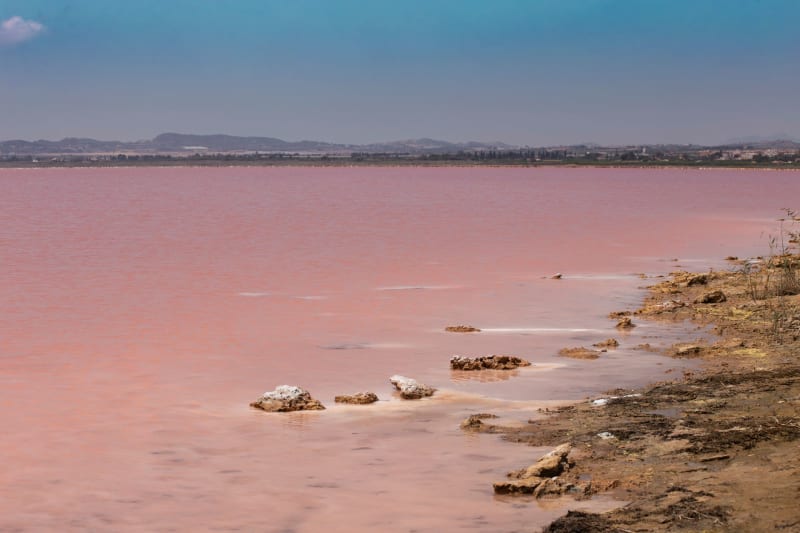 senegal
 Lac Rose
A shallow saltwater lake northeast of Dakar that turns flamingo pink at midday — its color produced by salt-resistant algae, its shoreline worked by men who coat themselves in shea butter and shovel the lake floor for a living.
Explore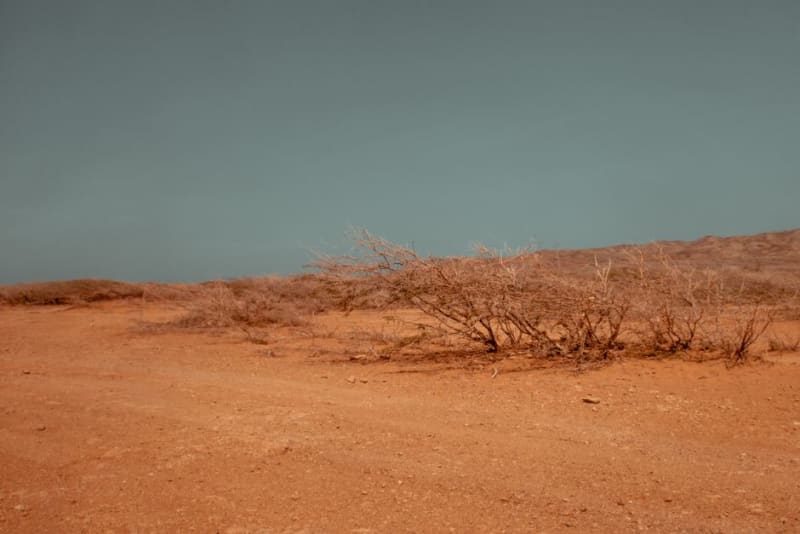 senegal
 Désert de Lompoul
A pocket of orange Saharan dunes stranded improbably in the middle of Senegal's Grande Côte, small enough to walk across in an afternoon and silent enough at night to hear your own blood moving.
Explore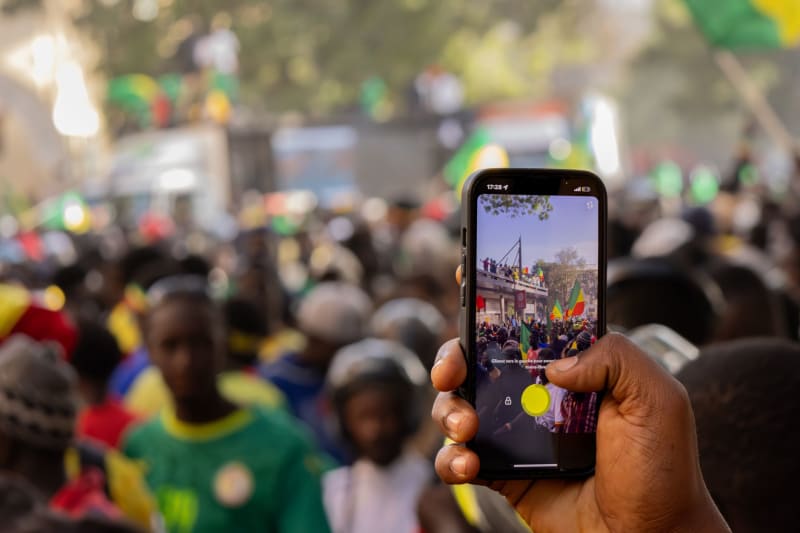 senegal
 Parc National du Niokolo-Koba
Senegal's vast and seldom-visited southeastern national park, where the Gambia River bends through gallery forest and the rare Derby eland moves between acacias in a wilderness that hasn't been arranged for easy viewing.
Explore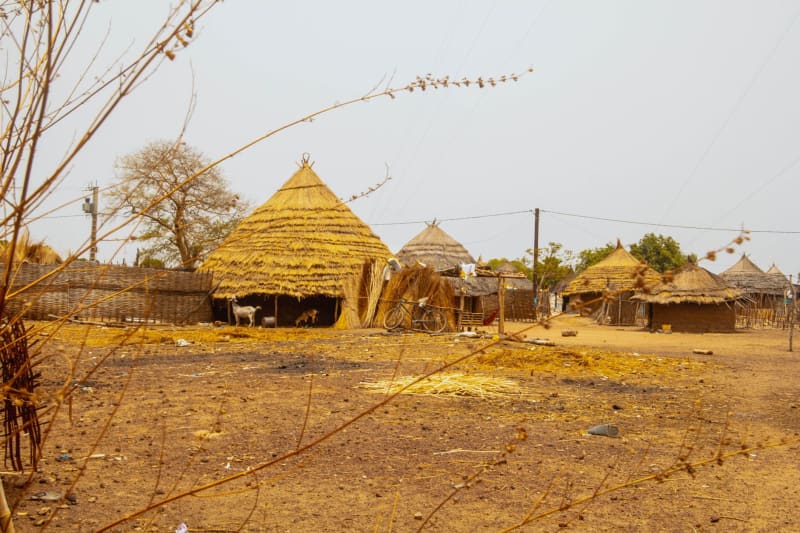 senegal
 Petite Côte
The Atlantic shoreline south of Dakar where Senegalese fishing culture and European resort infrastructure share the same sand without much pretense of resolving the contradiction.
Explore senegal
 Podor
A sleepy Fouta Toro river town built around a restored nineteenth-century French fort, ancestral home to some of Senegal's most celebrated musicians, where the Senegal River marks the border with Mauritania a stone's throw away.
Explore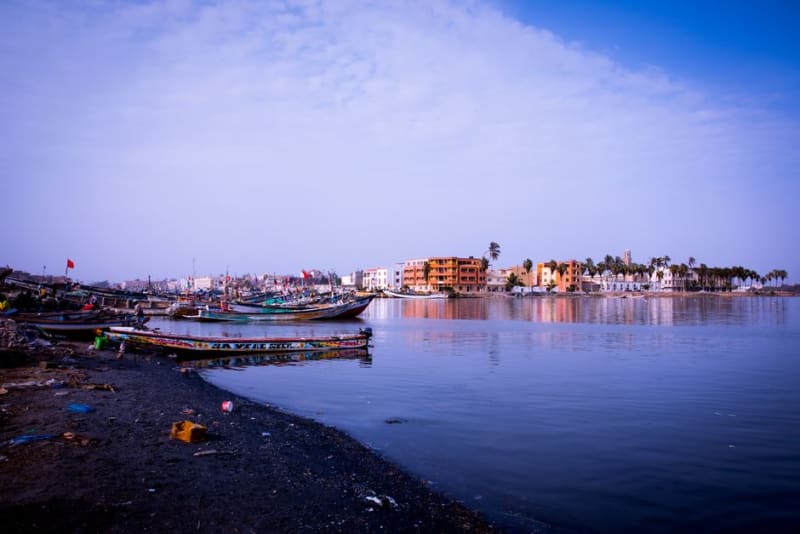 senegal
 Popenguine
A cliffside fishing village on the Petite Côte where a Marian shrine draws pilgrims each May, a protected reserve of red laterite cliffs drops straight into the Atlantic, and almost nobody stops on their way further south.
Explore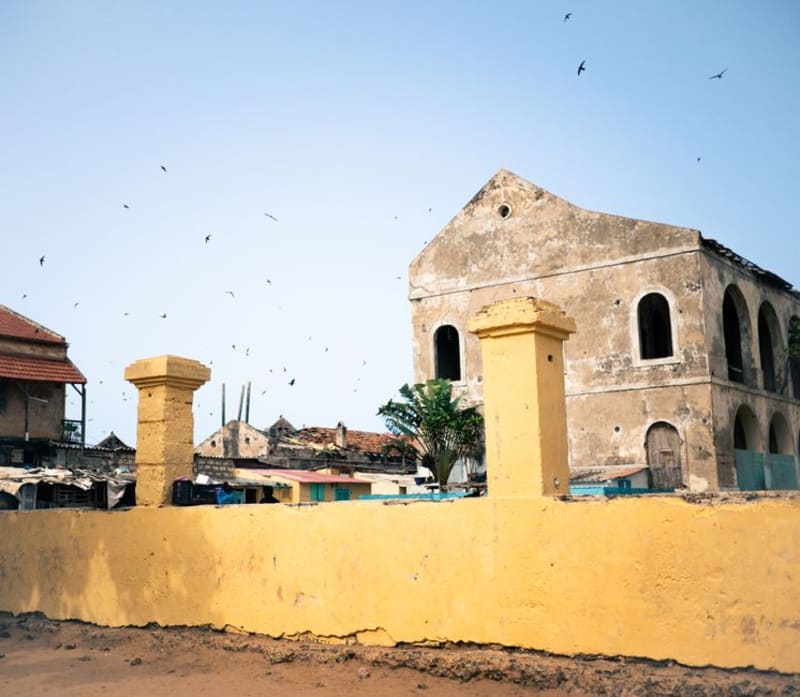 senegal
 Richard Toll
A sugar town on the Senegal River built around a nineteenth-century French agronomist's failed garden, where a fairy-tale château sits oddly among cane fields and the river runs wide and slow toward Mauritania.
Explore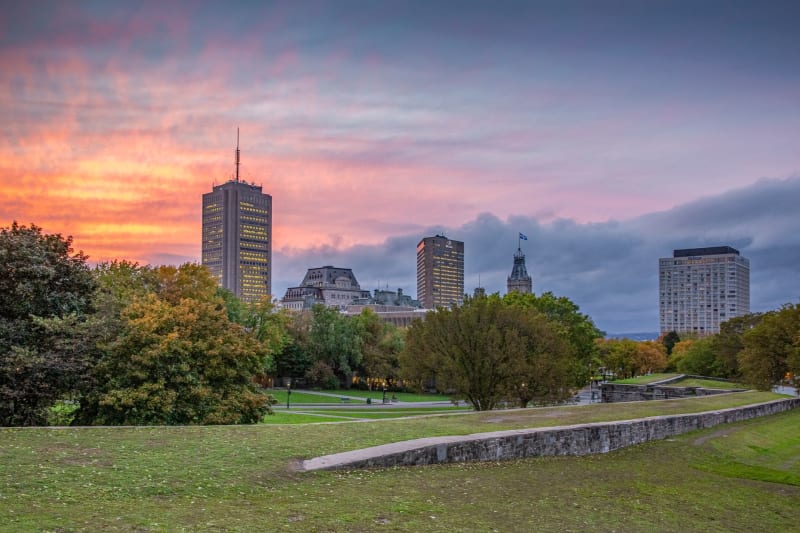 senegal
 Saint-Louis
A crumbling UNESCO island of faded French colonial grandeur, where pirogues crowd the river at every hour.
Explore