Nuoro
"Someone called it the Athens of Sardinia. I spent the rest of the trip deciding whether that was fair, and mostly concluded it was."
A mountain town beneath Monte Ortobene that produced more of Sardinia's great writers than any other, and still feels more concerned with literature than with tourists.
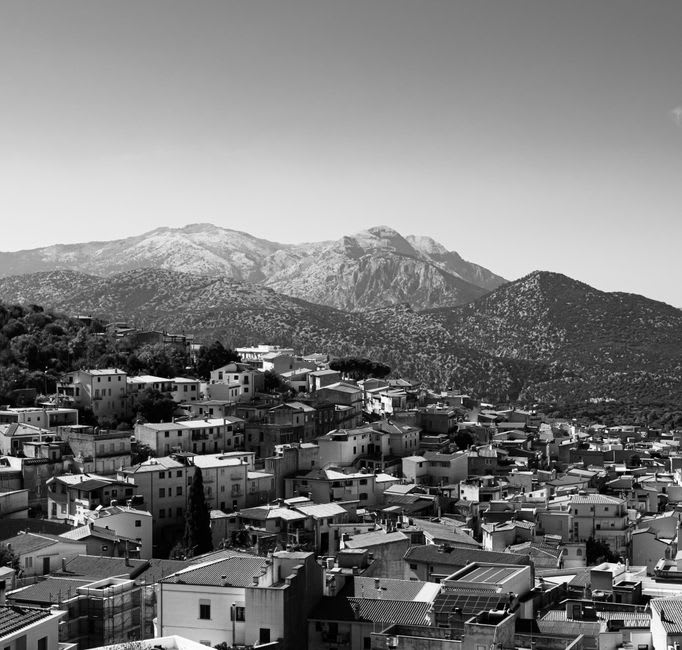
Nuoro sits at nearly six hundred meters, tucked against the base of Monte Ortobene in Sardinia’s mountainous heart, and it wears its intellectual reputation without much ceremony. This is the town that produced Grazia Deledda, the only Italian woman to win the Nobel Prize in Literature, along with a disproportionate roster of Sardinia’s other significant poets and writers — a fact locals mention early and often, less as a boast than as a simple statement of the town’s actual character.
Deledda’s House and the Barbagia’s Memory
Deledda’s childhood home, now a modest museum, sits on a quiet street in the old quarter, its rooms arranged much as they might have been when she was writing the novels of Barbagia peasant life that eventually earned her the Nobel. It’s an unglamorous, genuinely moving little museum — a wooden loom, a kitchen, letters under glass — and I left it with a clearer sense of the harsh rural world she wrote about than any guidebook had given me. A few streets over, the Museo Etnografico Sardo houses one of the island’s best collections of traditional costume, jewelry, and masks, an essential primer before venturing further into the Barbagia villages.
Monte Ortobene and the Redeemer
Above the town, a winding road climbs through cork oak and holm oak forest to the summit of Monte Ortobene, where a bronze statue of the Redentore — Christ the Redeemer, installed in 1901 — stands among granite boulders with a sweeping view back down over Nuoro and out toward the Gennargentu massif. I drove up in the late afternoon and found the whole area busy with local families having Sunday-style picnics among the rocks, despite it being a Tuesday, grilling meat over portable braziers with the kind of easy familiarity that suggested this happens more often than not.
A Café on Corso Garibaldi
Back in town, I spent an hour at a café on Corso Garibaldi with an elderly man who’d clearly claimed the same table for decades, and who talked at length — in a mix of Italian and Nuorese dialect I mostly followed by context — about how the town had changed and, more emphatically, about how the writing had not: Nuoro, he insisted, still produces poets, even if nobody outside Sardinia notices anymore.
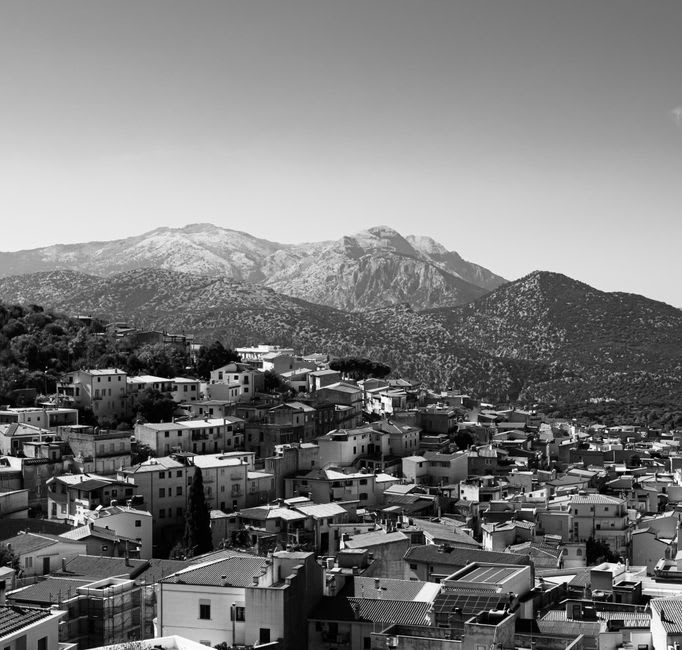
When to go: Late spring and early autumn give clear mountain light for the Ortobene views. August in Nuoro is notably cooler than the coast, which draws a specific crowd of Sardinians escaping the heat rather than tourists arriving for it.
Keep exploring
More from Sardinia
 sardinia
 Ogliastra
Sardinia's most dramatic eastern coast, where the Gennargentu mountains drop straight into the Tyrrhenian and limestone cliffs hide coves reachable only by boat or the kind of trail that tests your commitment.
Explore sardinia
 Olbia
Sardinia's main port city, dismissed by most as a place to fly through on the way to the coast, but holding two thousand years of layered history in a compact, unpretentious center.
Explore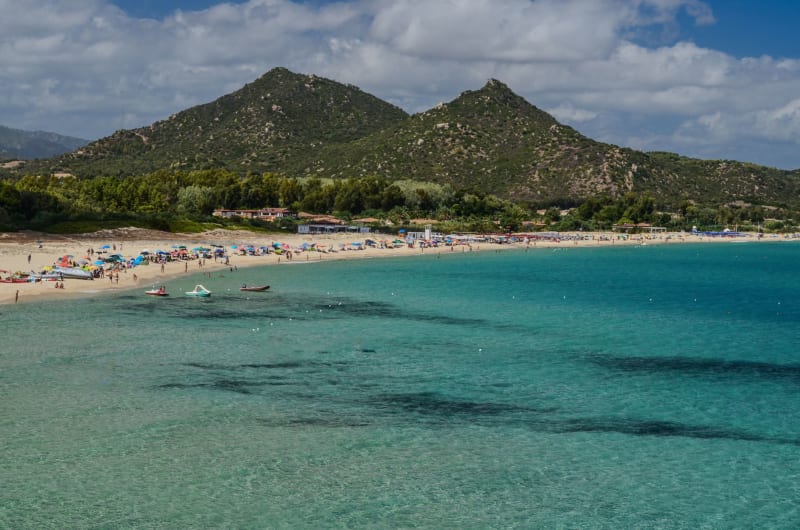 sardinia
 Orgosolo
A Barbagia mountain village where every wall is a political mural and the air carries woodsmoke and the smell of aging pecorino.
Explore sardinia
 Oristano
A quiet provincial capital on Sardinia's western coast presiding over lagoons full of flamingos, Phoenician ruins at the sea's edge, and the finest grey mullet roe on the island.
Explore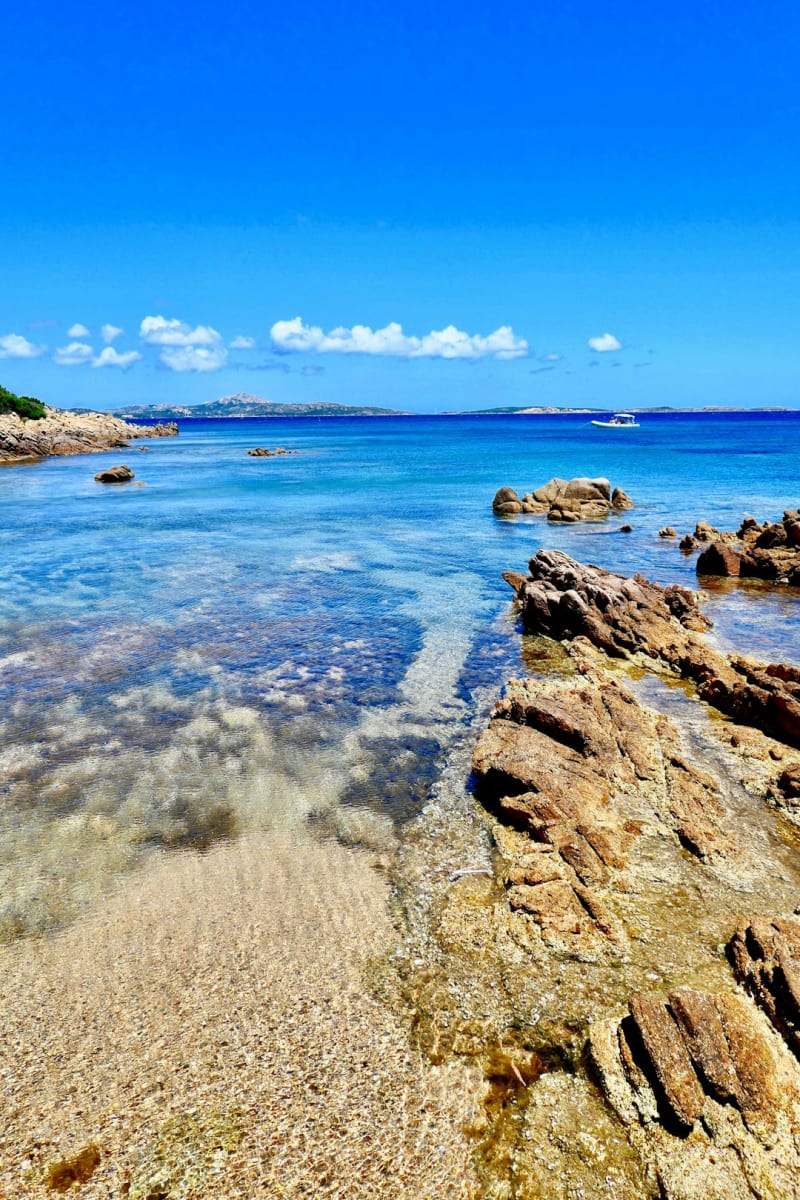 sardinia
 Palau
A working ferry port on Sardinia's northeast coast that doubles as the easiest gateway to the La Maddalena archipelago, with a granite bear keeping watch over the strait.
Explore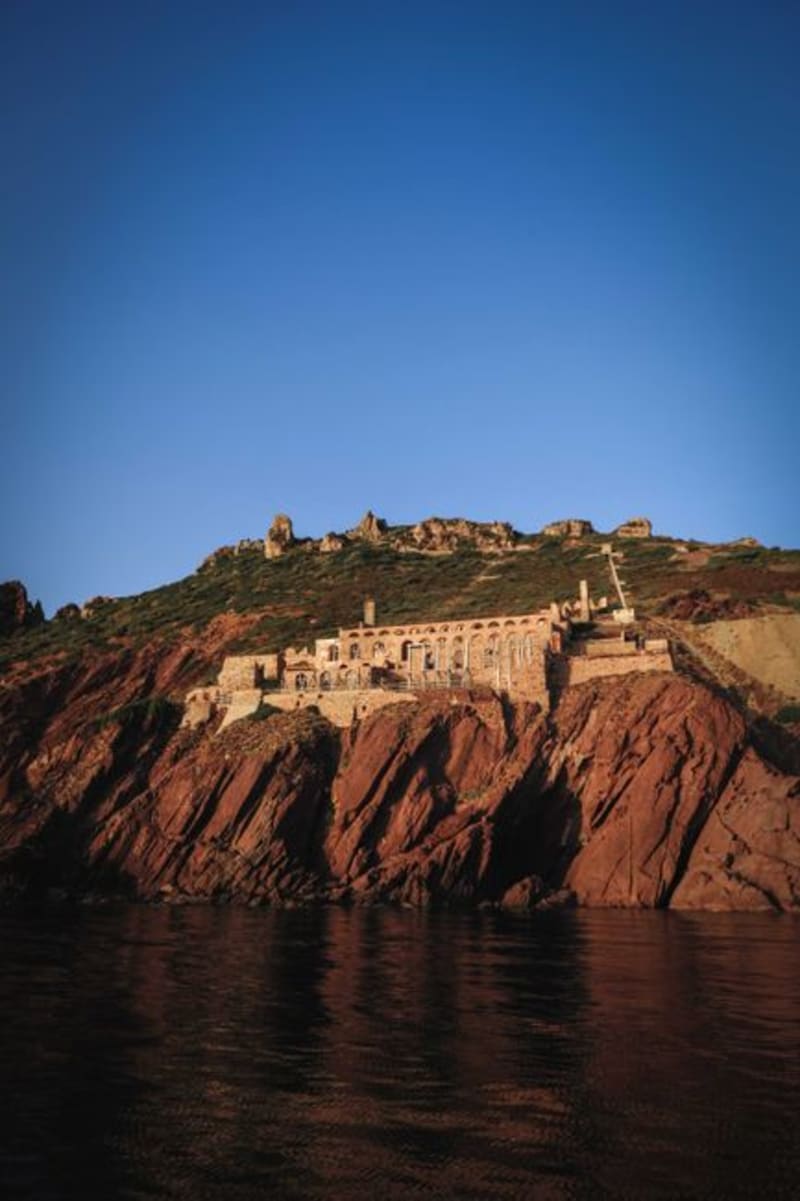 sardinia
 Sant'Antioco
An island connected to Sardinia by a Roman-era causeway, where a Phoenician necropolis sits beneath the town and one of the last people alive still weaves sea silk by hand.
Explore