Nora
"Half the city is underwater now. Nobody I asked seemed alarmed by this, which I found strangely comforting."
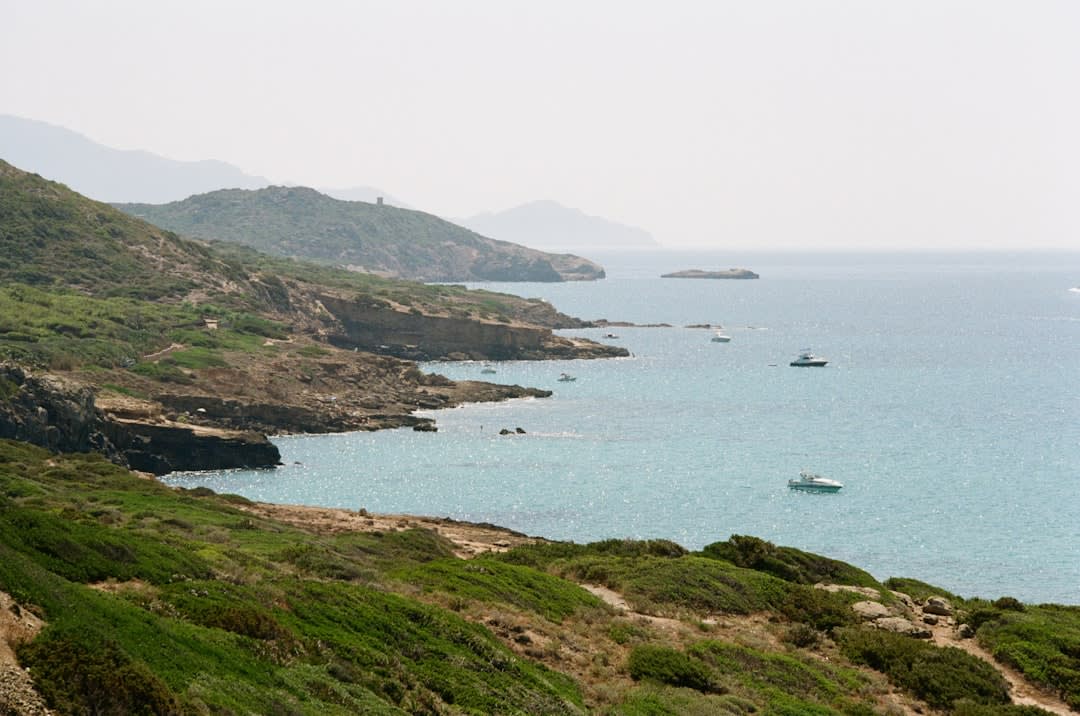
A Phoenician-Roman city slowly being reclaimed by the sea near Pula, where mosaic floors run right up to the waterline and a Roman theater still faces the water it was built to overlook.
Nora sits on a low peninsula a few kilometers south of Pula, and the first thing anyone who works there will tell you, usually with a shrug rather than alarm, is that a meaningful portion of the ancient city is now submerged. Sea levels here have risen enough since Roman times that entire districts of what was once one of Sardinia’s most important ports lie a few meters offshore, visible as pale shapes under clear water if you know where to look. I found this less depressing than genuinely vertiginous — a slow-motion Atlantis you can wade toward.
The Theater Still Faces the Sea
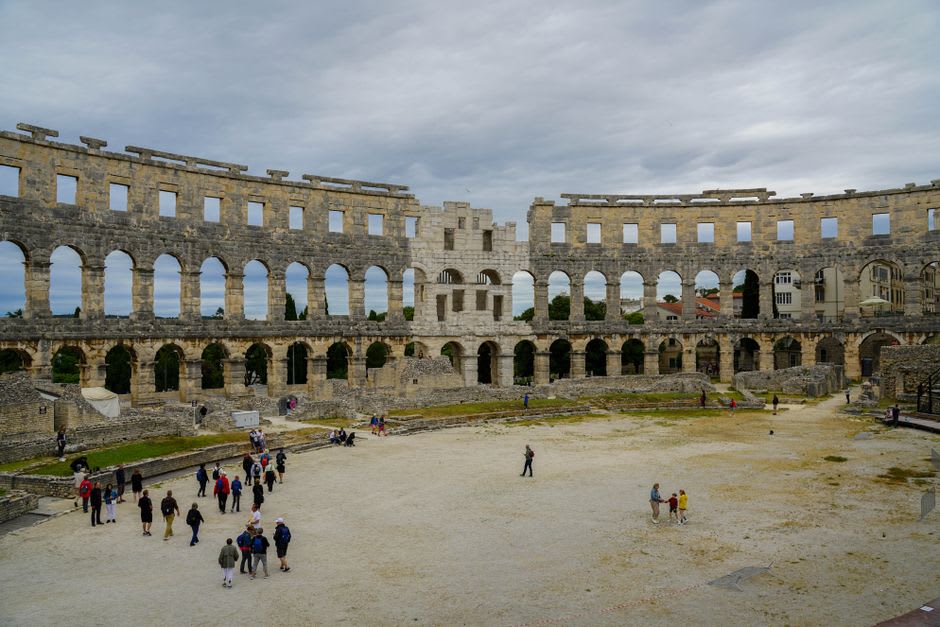
What remains on dry land is still extraordinary. The Roman theater, small and beautifully intact, is oriented so that anyone sitting in its stone seats looks past the stage directly out to the water — a design choice that must have made even mediocre plays feel important. I sat in the highest row for a while, alone except for a cat working the shade under an olive tree, and tried to imagine the acoustics filled with an actual audience instead of wind and cicadas.
Mosaics Underfoot, Everywhere
Nora’s mosaic floors are its real quiet marvel — geometric black-and-white patterns spread across the remains of Roman baths and villas, some fenced for protection, many simply exposed to sun and salt air after two thousand years. Walking the site’s grid of paths, you pass fragment after fragment: a bath complex with its heating channels still legible underfoot, a temple platform dedicated to Aesculapius, foundations of houses whose owners’ names nobody now remembers. The Punic and Phoenician layers sit beneath all of this, older by centuries, visible mostly to archaeologists rather than casual visitors, but the site’s information panels do a decent job of explaining what you’re standing on top of.
The Tower and the Beach Beside It
At the peninsula’s tip, the 17th-century Torre del Coltellazzo climbs a rocky outcrop above the ruins, and the walk up rewards you with the full layout of the ancient city spread below, half on land and half suggested by shadows under the water. Just beside the archaeological site, Spiaggia di Nora offers a genuinely lovely stretch of sand with the theater and tower as a backdrop — I swam there afterward with the distinct, slightly absurd sensation of paddling above someone’s Roman kitchen.
When to go: Late spring or early autumn combine good light for photographs with a sea warm enough to justify bringing a towel. Arrive before ten to get the theater and the tower to yourself before the tour buses from Cagliari arrive.
Keep exploring
More from Sardinia
 sardinia
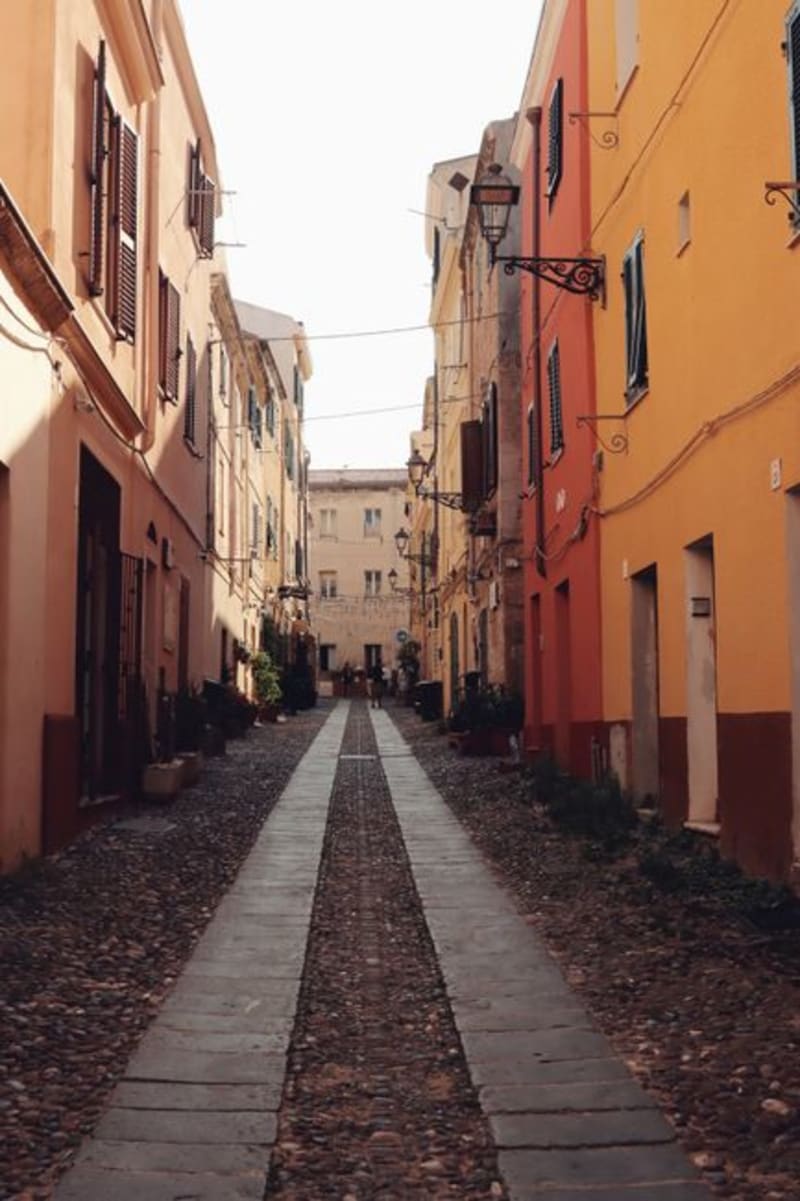
 Nuoro
A mountain town beneath Monte Ortobene that produced more of Sardinia's great writers than any other, and still feels more concerned with literature than with tourists.
Explore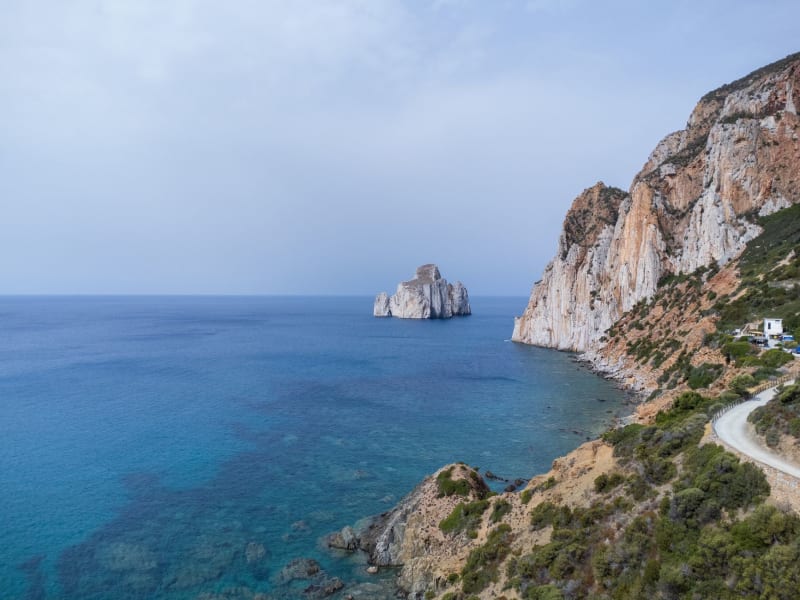 sardinia
 Ogliastra
Sardinia's most dramatic eastern coast, where the Gennargentu mountains drop straight into the Tyrrhenian and limestone cliffs hide coves reachable only by boat or the kind of trail that tests your commitment.
Explore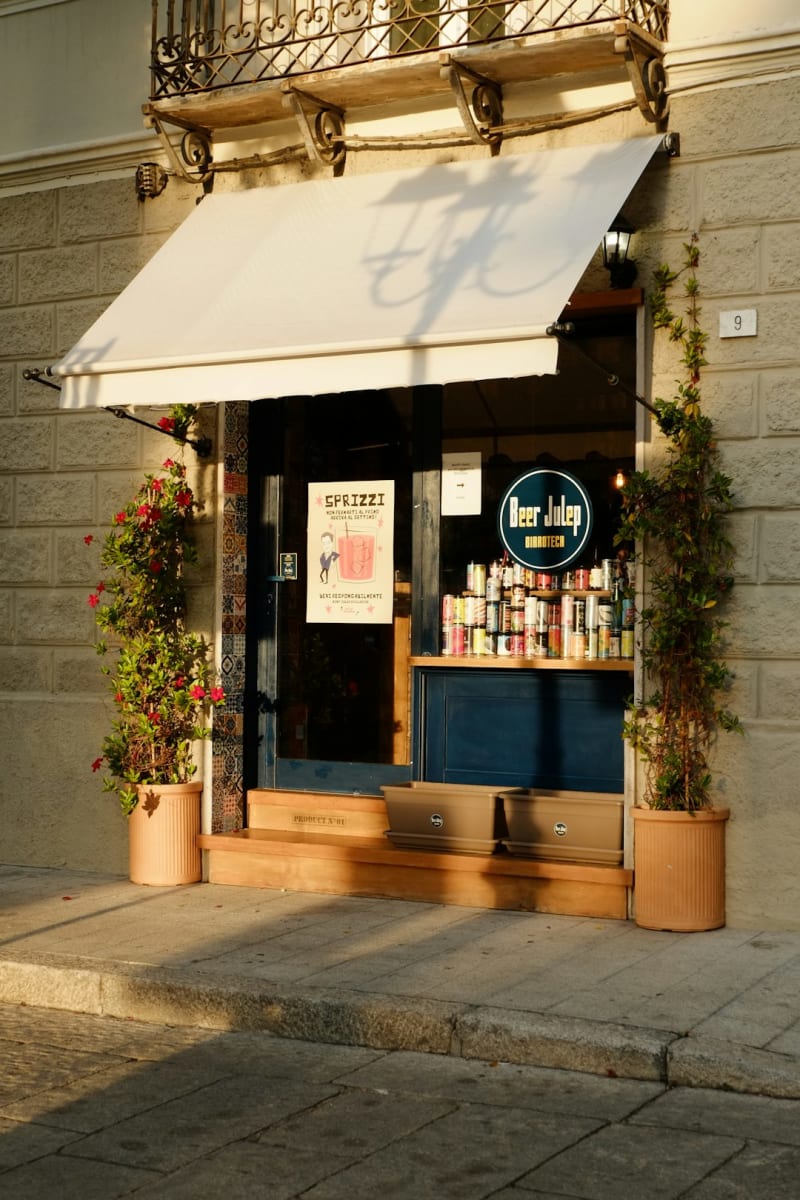 sardinia
 Olbia
Sardinia's main port city, dismissed by most as a place to fly through on the way to the coast, but holding two thousand years of layered history in a compact, unpretentious center.
Explore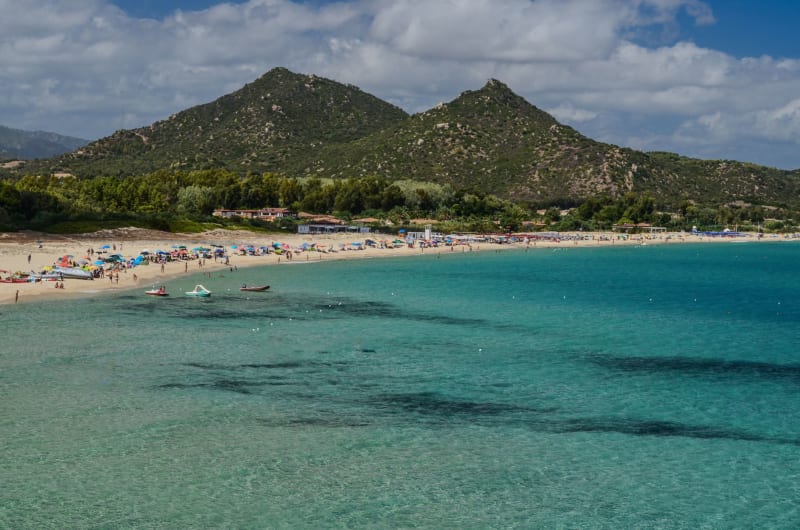 sardinia
 Orgosolo
A Barbagia mountain village where every wall is a political mural and the air carries woodsmoke and the smell of aging pecorino.
Explore sardinia
 Oristano
A quiet provincial capital on Sardinia's western coast presiding over lagoons full of flamingos, Phoenician ruins at the sea's edge, and the finest grey mullet roe on the island.
Explore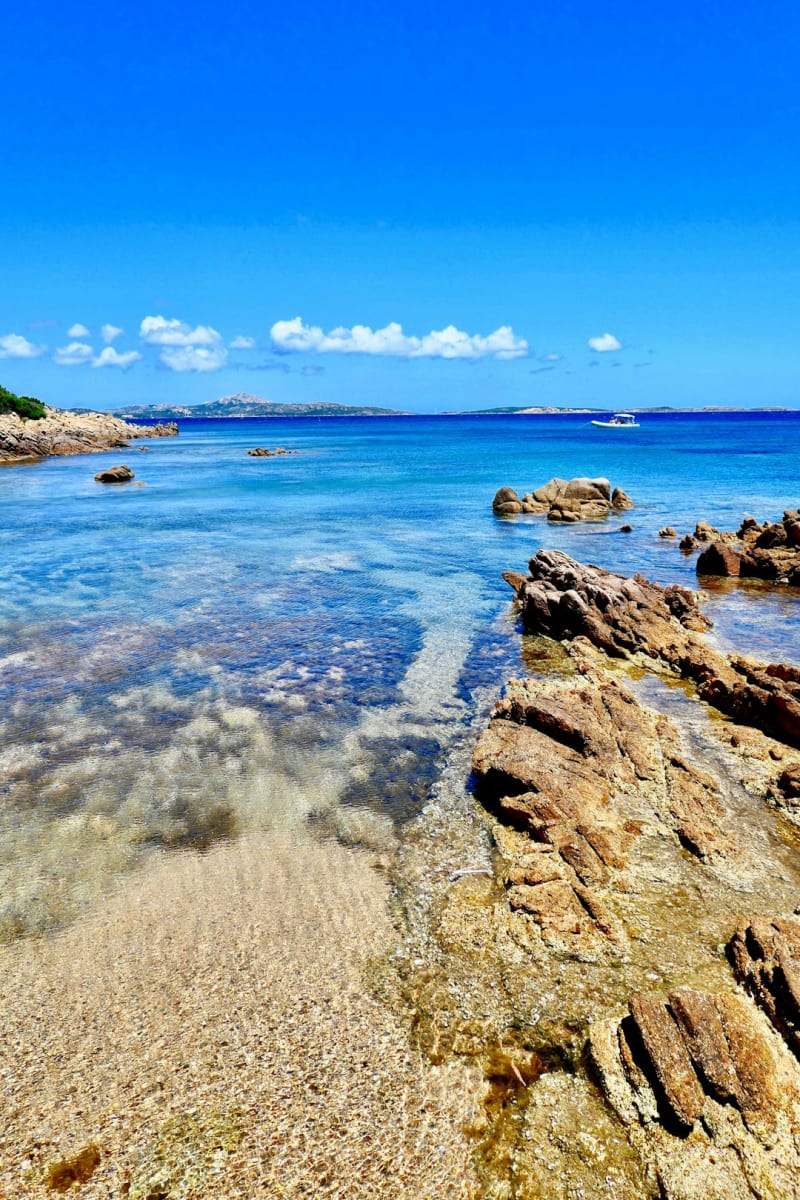 sardinia
 Palau
A working ferry port on Sardinia's northeast coast that doubles as the easiest gateway to the La Maddalena archipelago, with a granite bear keeping watch over the strait.
Explore