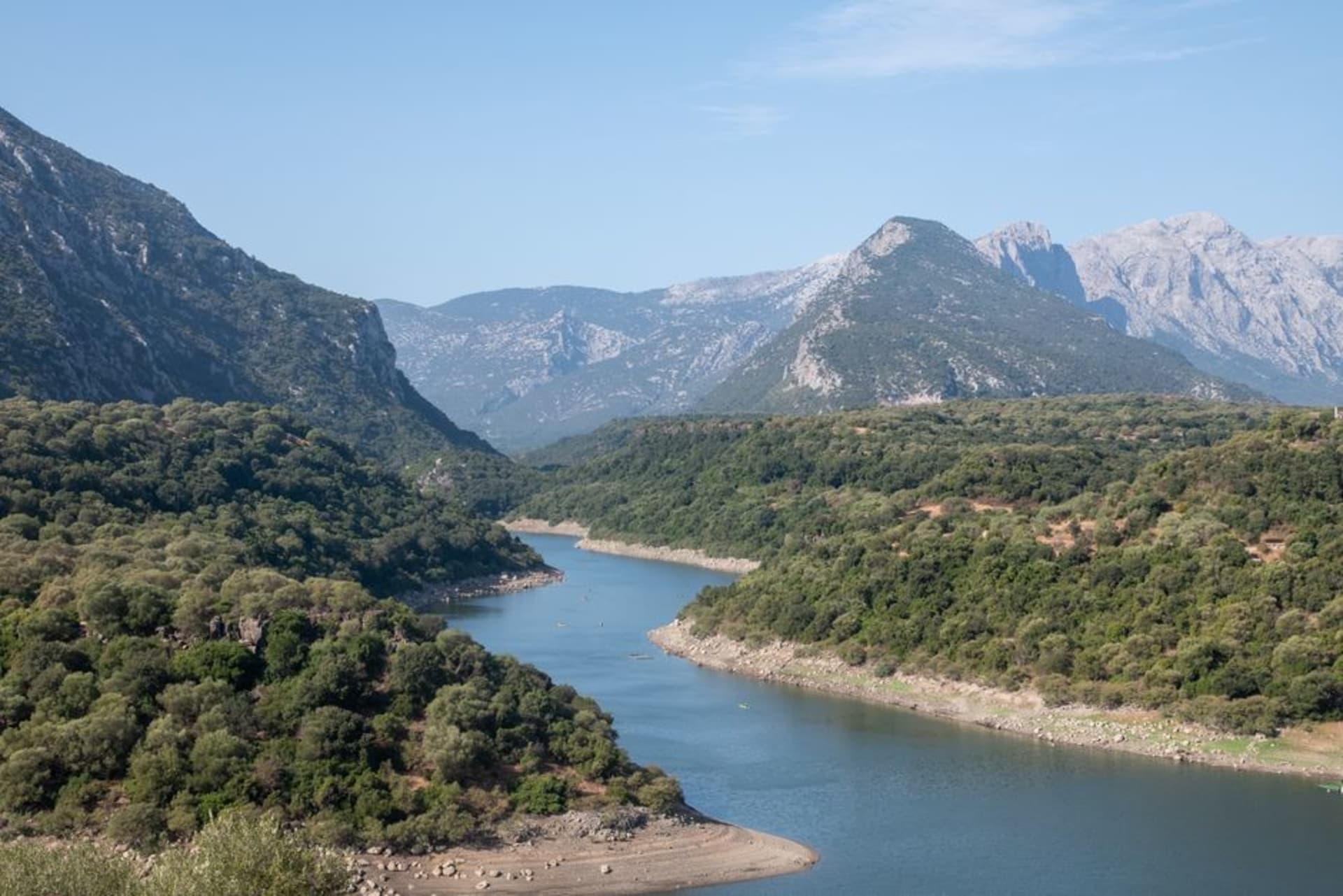
Gennargentu National Park
"The shepherd whistled once and forty sheep changed direction in unison. I have never felt so extraneous to a landscape."
Sardinia's mountainous heart, where wild horses graze granite ridges above the treeline and shepherds still move flocks the way their families have for centuries.
The Gennargentu massif holds Sardinia’s highest peaks, including Punta La Marmora at just under 1,900 meters, and driving up into it from the coast feels like entering an entirely different island — the scrubby Mediterranean maquis gives way gradually to bare granite, wind-stunted trees, and a silence broken mostly by sheep bells and wind. I’d expected something more alpine in feeling and found instead a landscape that’s distinctly its own: rounded, ancient-looking mountains, more weathered than jagged, that seem to have made peace with erosion a long time ago.
Wild Horses on the Bruncu Spina Ridge
Near Bruncu Spina, the park’s second-highest point and home to Sardinia’s only functioning ski lift — a fact that still amuses me, given how the rest of the island markets itself — I came across a small band of semi-wild horses grazing the exposed ridgeline, unbothered by the wind that had me zipping my jacket to the chin. These are likely descendants of horses left to fend largely for themselves in the high pastures, and they moved with the loose, unhurried confidence of animals that own the place more legitimately than any tourist ever could.
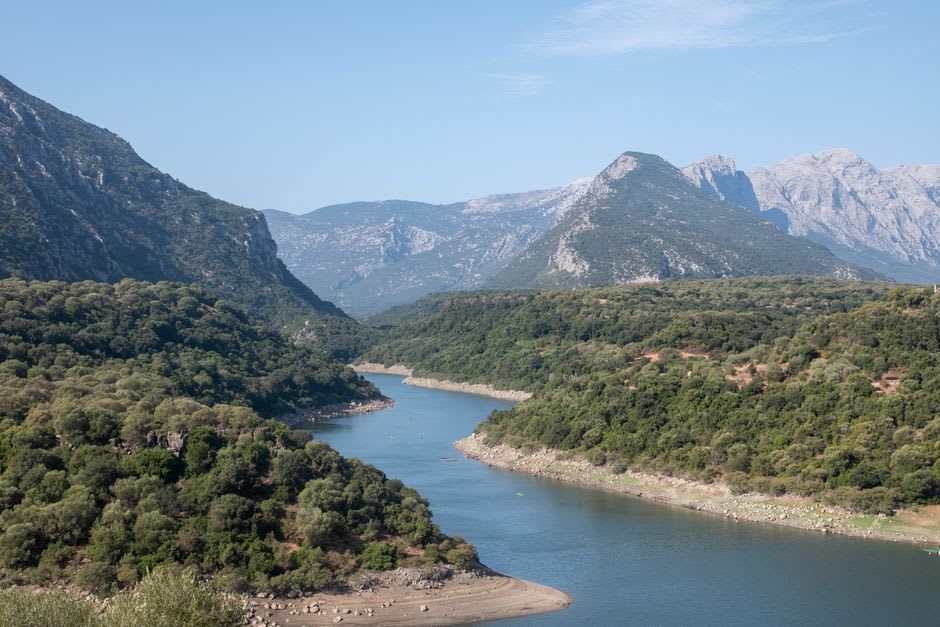
Following a Shepherd, Briefly
Lower down, on a track between Fonni and Desulo, I fell in step for a while with a shepherd moving perhaps sixty sheep between pastures, his two dogs working the flock’s edges with an efficiency that made my presence entirely irrelevant. He whistled once, a short, specific pattern, and the whole flock pivoted as a single organism toward a gate I hadn’t even noticed. We didn’t talk much — his Sardinian dialect and my Italian met somewhere in the middle — but he pointed out a mouflon, Sardinia’s wild mountain sheep, watching us from a rocky outcrop a couple hundred meters up, an animal I’d been told was notoriously hard to spot.
Fonni and Desulo, Villages of the Massif
The stone villages scattered through the range — Fonni, Sardinia’s highest municipality, and Desulo, known for its traditional embroidered costume still worn at festivals — felt considerably more insular and unhurried than anywhere on the coast, their bars serving cannonau wine and little else, their old men watching the single road through town with the mild, permanent curiosity of people for whom a passing car is still faintly notable.
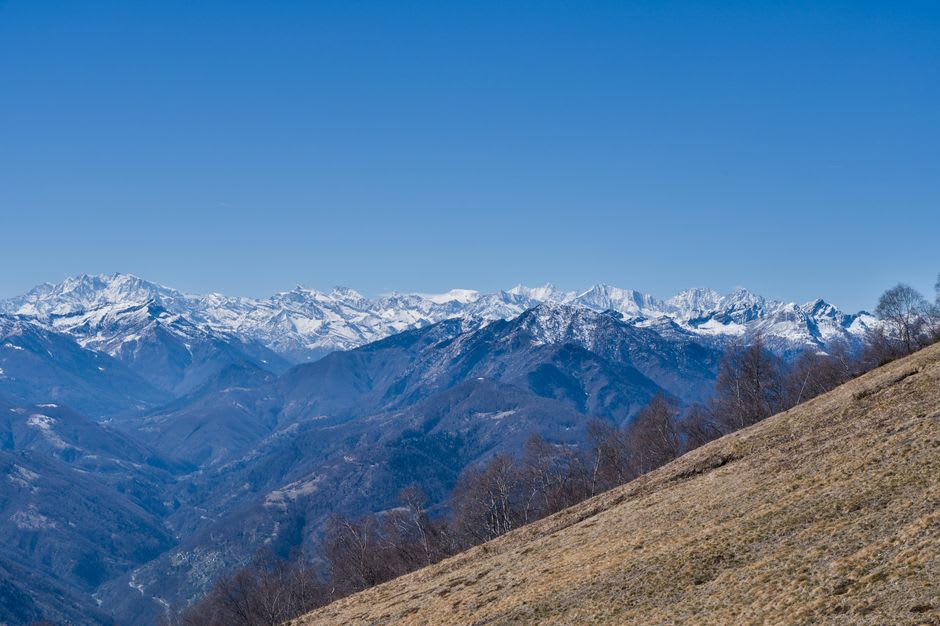
When to go: June through September avoids snow on the higher passes and gives the fullest wildflower bloom on the ridges. Winter brings genuine snow and a small but committed ski scene at Bruncu Spina, a detail most people don’t associate with Sardinia at all.
Keep exploring
More from Sardinia
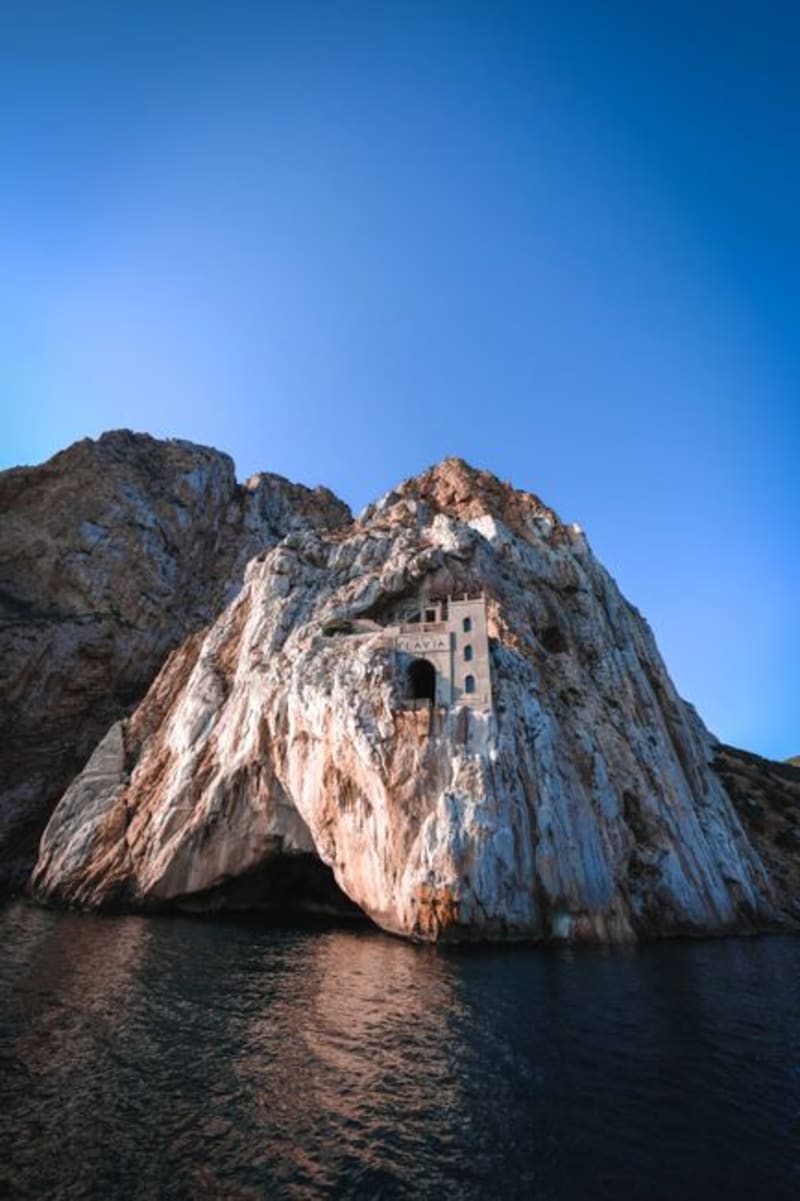 sardinia
 Iglesias
A former mining capital in Sardinia's southwest, where abandoned pit head towers stand over a landscape of lead, zinc, and silver seams that built the town and then quietly left it behind.
Explore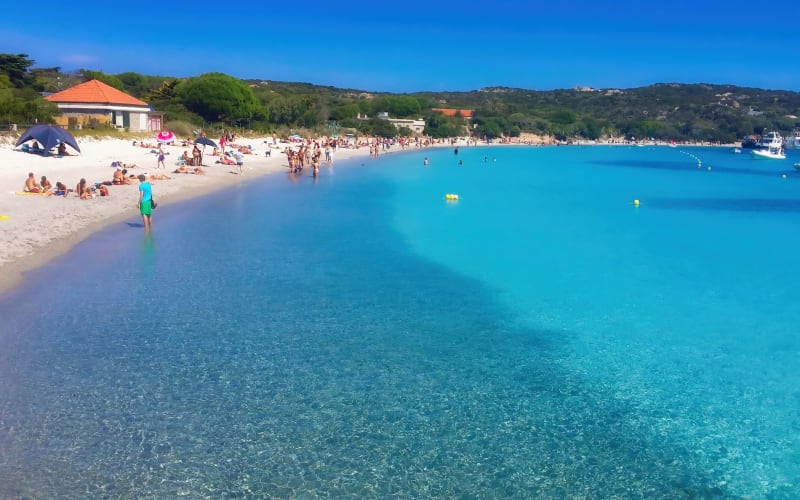 sardinia
 La Maddalena
A pink granite archipelago off Sardinia's northeastern tip where fourteen islands of sculpted rock and improbable water sit inside a national park that Garibaldi once called home.
Explore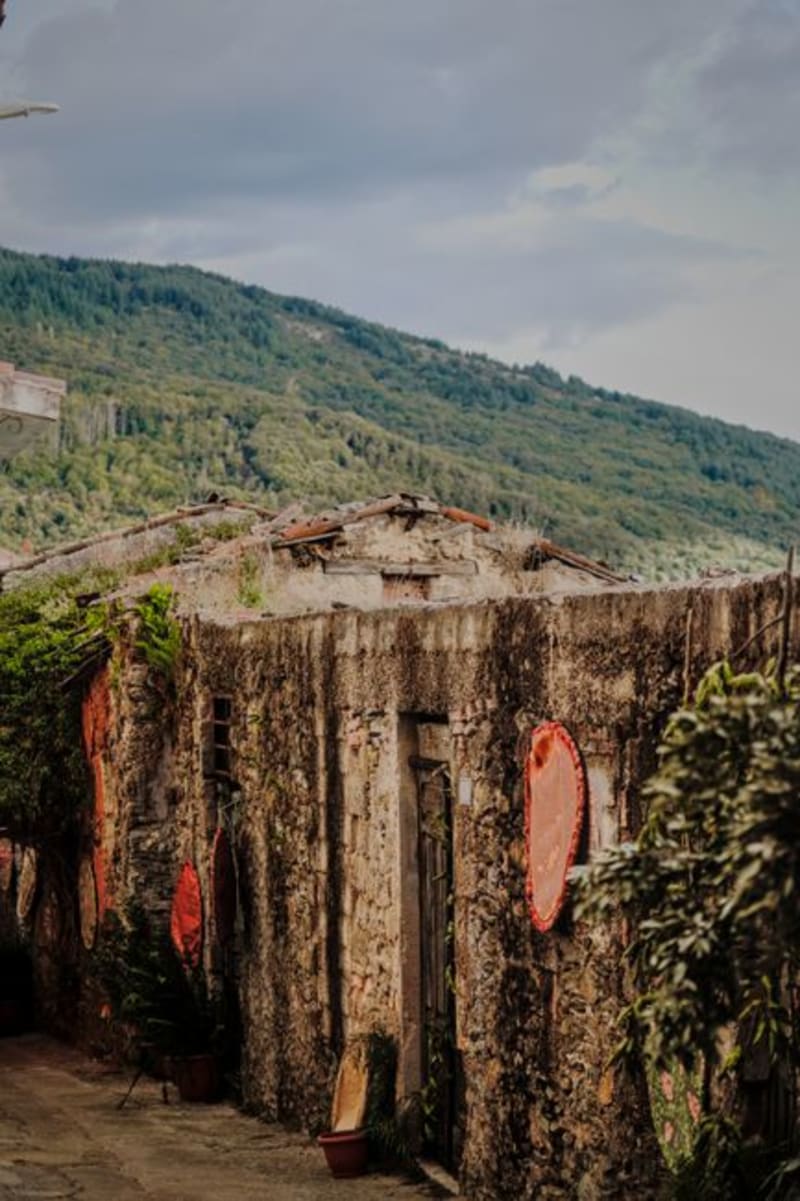 sardinia
 Mamoiada
A Barbagia village whose entire identity centers on the Mamuthones, dark wooden masks and heavy cowbells worn in a carnival ritual whose origins nobody can fully explain.
Explore sardinia
 Nora
A Phoenician-Roman city slowly being reclaimed by the sea near Pula, where mosaic floors run right up to the waterline and a Roman theater still faces the water it was built to overlook.
Explore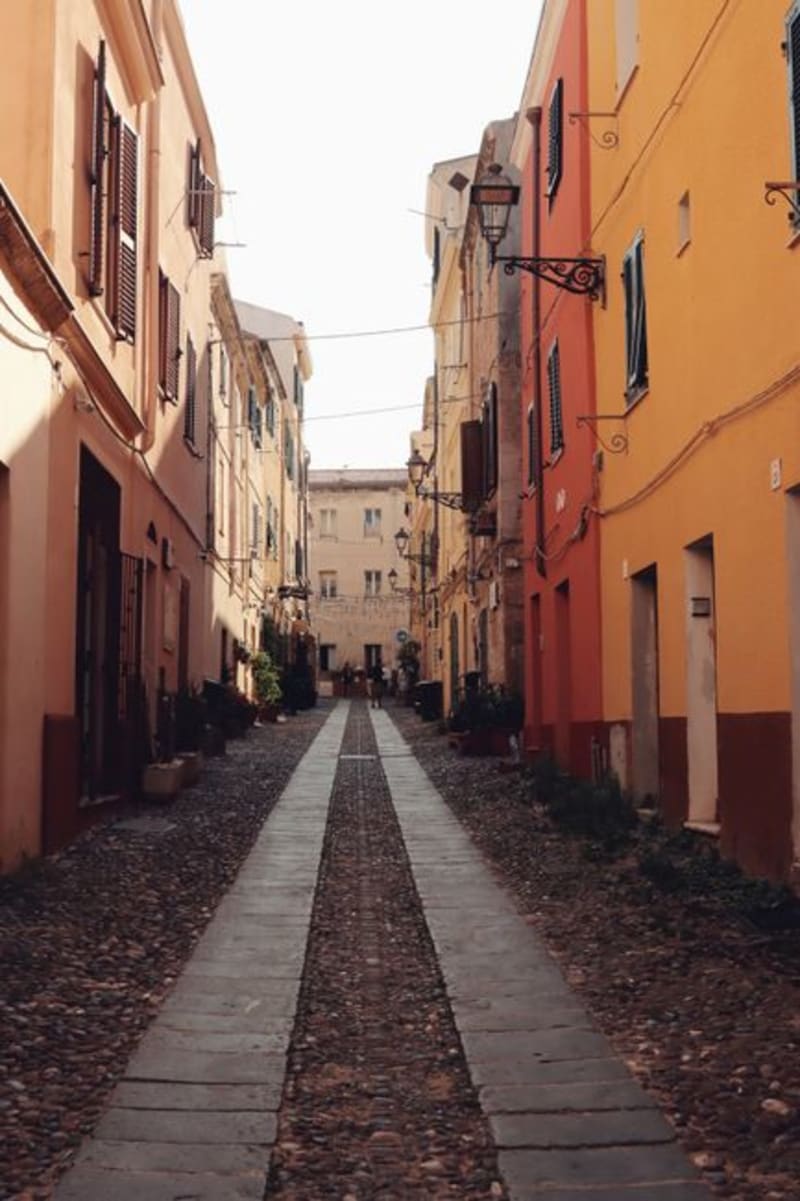 sardinia
 Nuoro
A mountain town beneath Monte Ortobene that produced more of Sardinia's great writers than any other, and still feels more concerned with literature than with tourists.
Explore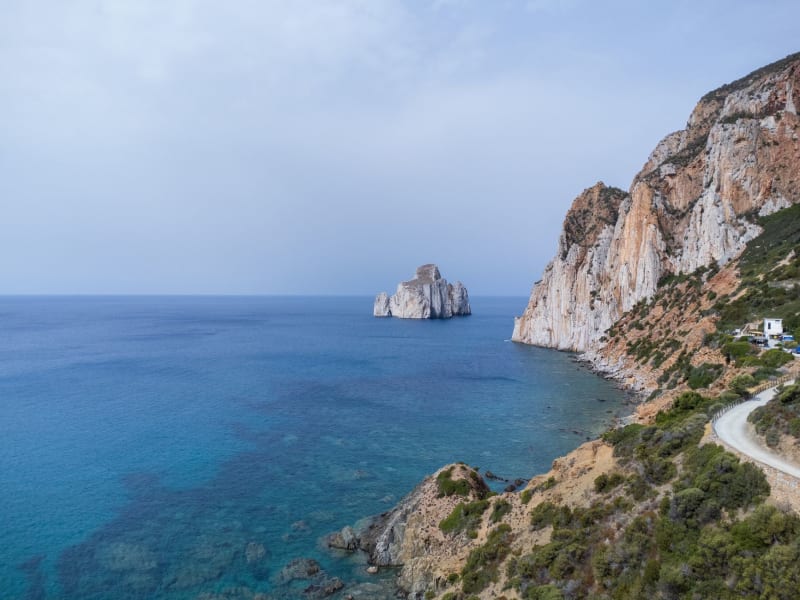 sardinia
 Ogliastra
Sardinia's most dramatic eastern coast, where the Gennargentu mountains drop straight into the Tyrrhenian and limestone cliffs hide coves reachable only by boat or the kind of trail that tests your commitment.
Explore