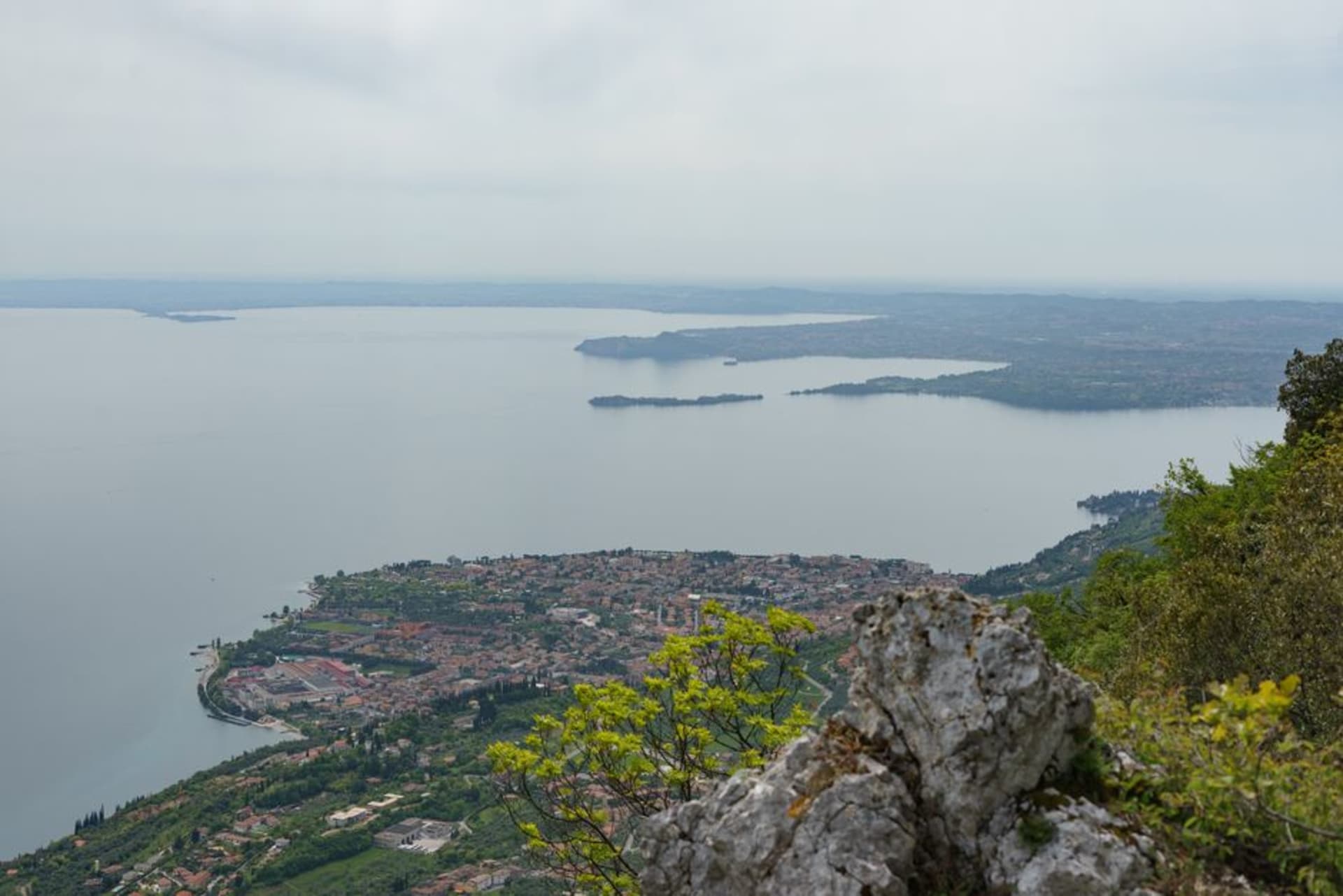
Lago di Varano
"Varano is the Gargano's quiet side — no cliffs, no crowds, just still water and herons and the sound of oars."
The largest lagoon in Puglia, a still brackish lake separated from the Adriatic by a strip of dune and pine forest, ringed by eel fisheries and mussel farms.
A lake nobody mentions
Most people come to the Gargano for the cliffs and the caves on its eastern flank and never learn there’s a lagoon on the northern side large enough to hold its own weather. Lago di Varano is the biggest lake in Puglia, a shallow brackish basin separated from the open Adriatic by a narrow strip of dune and pine forest, and it operates on an entirely different register from the rest of the peninsula — flat, still, quiet, more interested in herons than in tourists.
Fishing, the old way
The lagoon has supported eel and mussel fishing for centuries, and the shoreline is still dotted with lavorieri — traditional wooden and reed fish-trap installations that channel eels migrating between the lake and the sea into a series of narrowing enclosures, a system that predates any modern aquaculture by a very long way. We hired a small flat-bottomed boat with a local fisherman one still morning, motored out past a row of these traps, and watched him haul a net that came up with a tangle of grey mullet and one startled, enormous eel that he released with a shrug, as if it wasn’t the size that surprised him but that we’d noticed.
Between the lake and the sea
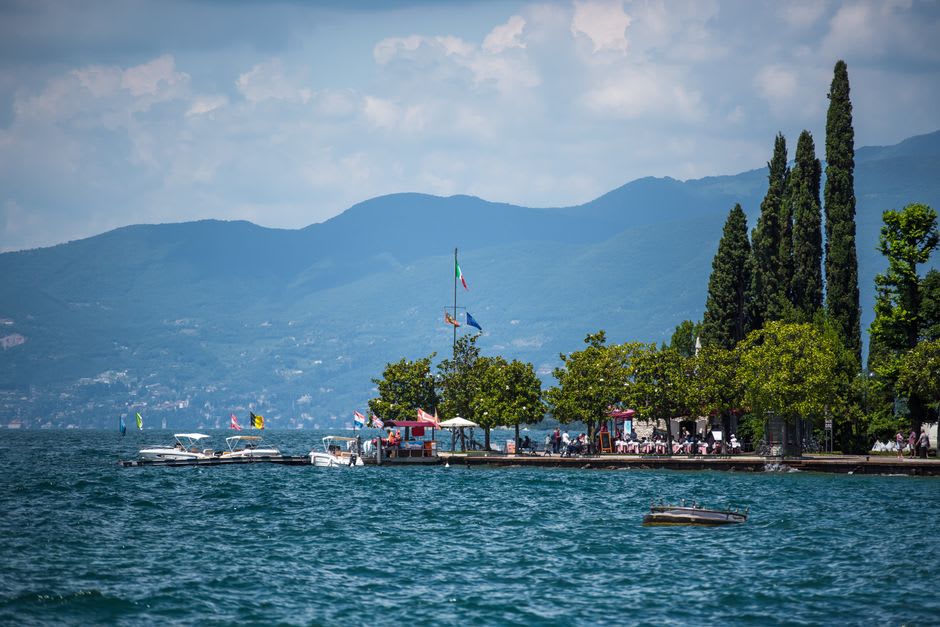
The strip of land separating the lagoon from the Adriatic is thick with umbrella pines and holds a long, mostly undeveloped beach on the seaward side — a strange sandwich of habitats where you can walk from freshwater reed beds to pine forest to open sea sand within about four hundred metres. We parked near Foce Varano, where the lagoon drains into the sea through a narrow channel, and walked the strip at dusk while cormorants worked the channel mouth in the fading light.
Birdlife and stillness
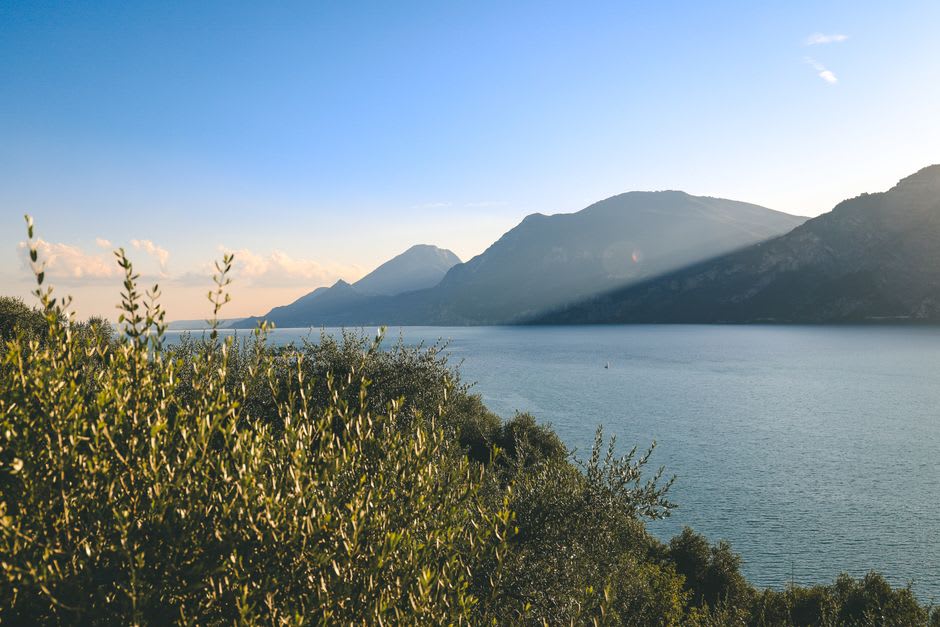
The lagoon’s reed beds and shallow margins draw a serious amount of birdlife — herons, egrets, cormorants, and in migration season a range of waders that draws a small but dedicated circle of Italian birdwatchers with tripods set up along the southern shore before dawn. Even without binoculars, the sheer quiet of the place after a few days on the Gargano’s busier coast road felt like its own kind of restoration.
When to go: Spring and autumn for birdwatching and migration activity; summer mornings and evenings are pleasant for boat trips on the lagoon itself, though the strip beach on the seaward side gets a modest crowd in July and August. The eel fisheries are most active in autumn.
Keep exploring
More from Puglia
 puglia
 Lecce
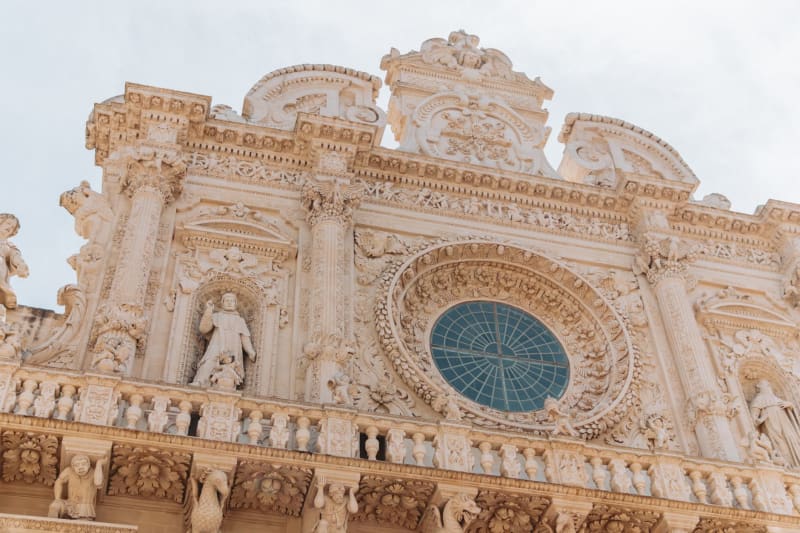
A Baroque city so ornately carved in golden stone that standing in its piazzas feels like being inside a jewellery box.
Explore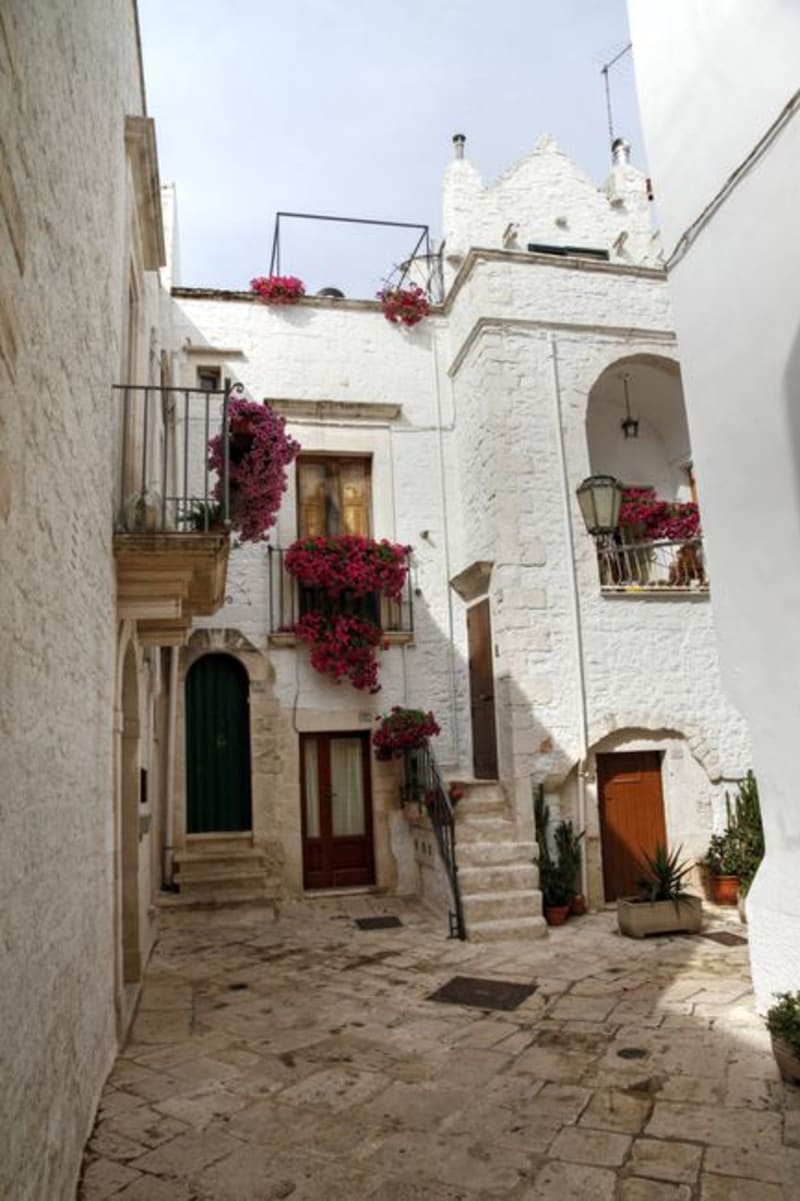 puglia
 Lizzano
A wine town on the road between Taranto and the Salento, gateway to the pine and holm-oak forest of the Bosco di Portoselvaggio reserve on the Ionian shore.
Explore puglia
 Locorotondo
A perfectly circular hilltop village in the Valle d'Itria where every lane curves back into itself and the trulli dotting the valley below look like toys.
Explore puglia
 Lucera
A hill town with a Roman amphitheater buried under a football pitch and a Swabian fortress the size of a small kingdom — the strangest, most layered history lesson in the Tavoliere.
Explore puglia
 Manduria
Home of Primitivo di Manduria, where centuries-old alberello vines grow low and gnarled in red earth, and a ring of Messapian walls hints at a much older city underneath.
Explore puglia
 Manfredonia
The Gargano's gateway city on the flat plain south of the massif — a Swabian castle, a long working seafront, and the least touristed base on the whole peninsula.
Explore