Foresta Umbra
"Umbra means shadow, and the name is not decorative — this forest is dark in a way nothing else in Puglia is."
The ancient mixed forest at the heart of the Gargano massif — beech, oak, and hornbeam thick enough to feel Alpine, a jarring, wonderful contrast with the sun-baked coast below.
A different Italy, twenty minutes inland
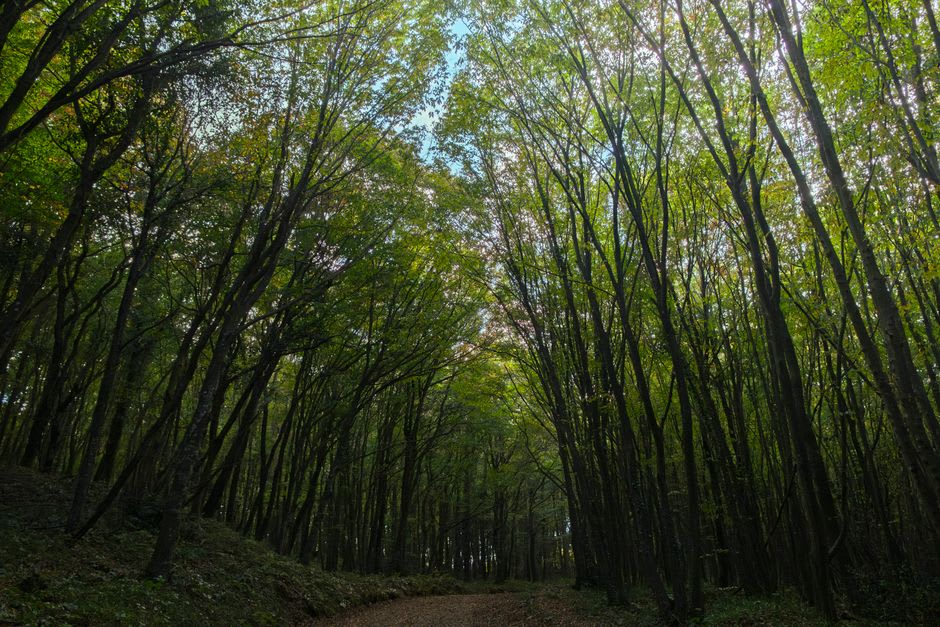
You can be swimming off Vieste at eleven in the morning and standing in genuine, cool, moss-floored forest by noon, and the transition still doesn’t feel real even after you’ve done it. The Foresta Umbra covers a large stretch of the Gargano’s interior highlands, a mixed woodland of beech, oak, hornbeam, maple, and Aleppo pine, some of the beeches many centuries old, and the whole place has the hushed, layered quality of forests that have been left more or less alone for a very long time.
Walking under the canopy
We parked near the visitor centre and took one of the marked trails that loop out through the oldest stands of beech, and within a few hundred metres the coastal heat was simply gone — replaced by a cool, green, faintly damp air that felt more like the Vosges than the Mediterranean. The light came down in shifting columns through gaps in the canopy, and Lia, who grew up near forests like this and generally has strong opinions about them, admitted this one surprised her.
Wildlife and the lake
The forest holds roe deer, wild boar, and a healthy population of birds of prey overhead, along with a small artificial lake near the visitor centre where families picnic and where, on the quieter trails further in, we didn’t see another person for nearly an hour. In spring the forest floor is thick with wildflowers and orchids — apparently among the richest orchid habitats in Italy, though I can’t claim to have identified more than three species with any confidence.
We ate a packed lunch at a picnic table near the lake, bread and the local caciocavallo cheese and a bag of cherries that had gone slightly too warm in the car, and it was, unexpectedly, one of the best simple meals of the whole trip — helped enormously by not being anywhere near a beach umbrella for the first time in four days.
When to go: Late spring (April-June) for wildflowers and cool walking temperatures, or September-October for the beginning of the autumn colour. Summer midday visits are still noticeably cooler than the coast, which makes the forest an easy escape valve during the hottest stretch of a Gargano trip.
Keep exploring
More from Puglia
 puglia
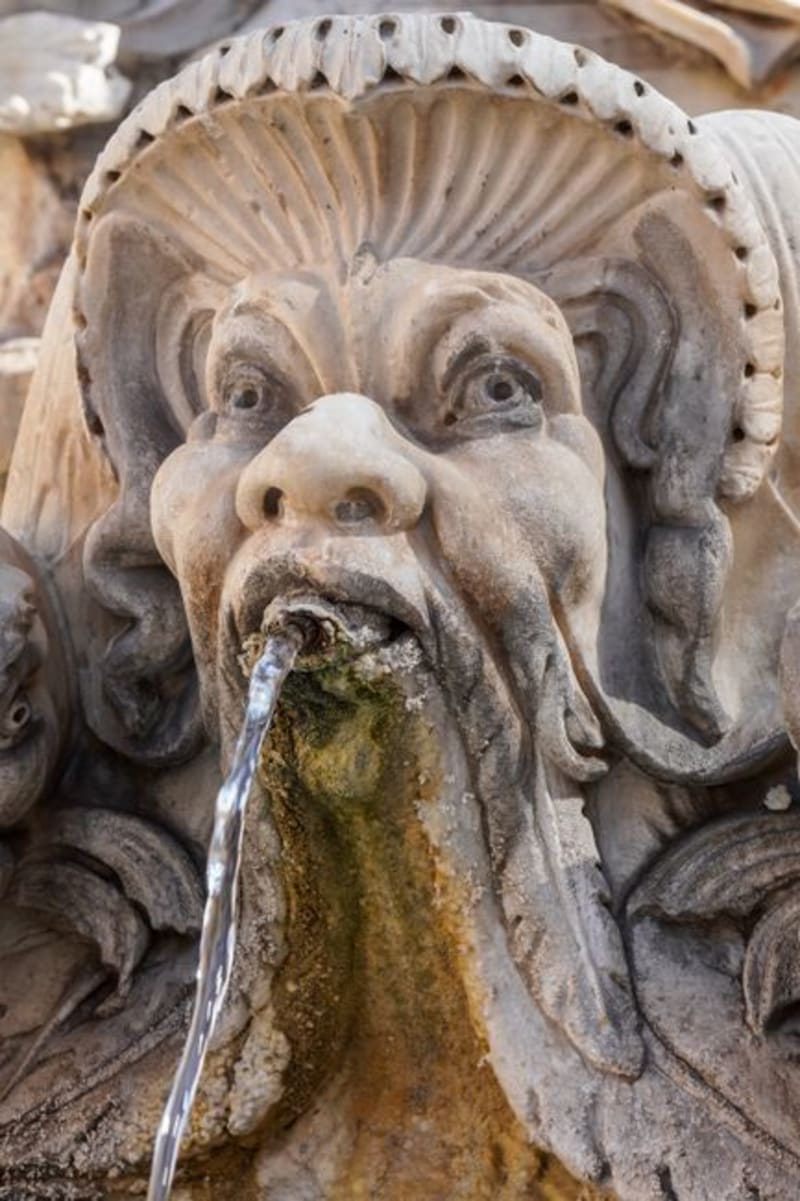
 Francavilla Fontana
A Baroque town at the heart of Puglia's wine and masserie country, its ducal castle overlooking a rural landscape of vineyards and stone farmhouses.
Explore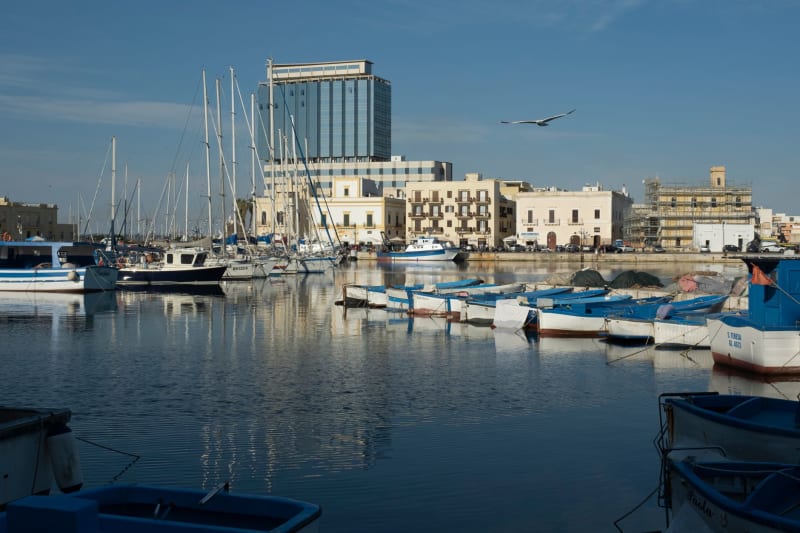 puglia
 Gallipoli
An island old town connected to the Ionian mainland by a single bridge, with turquoise water on all sides and a Greek name that means beautiful city.
Explore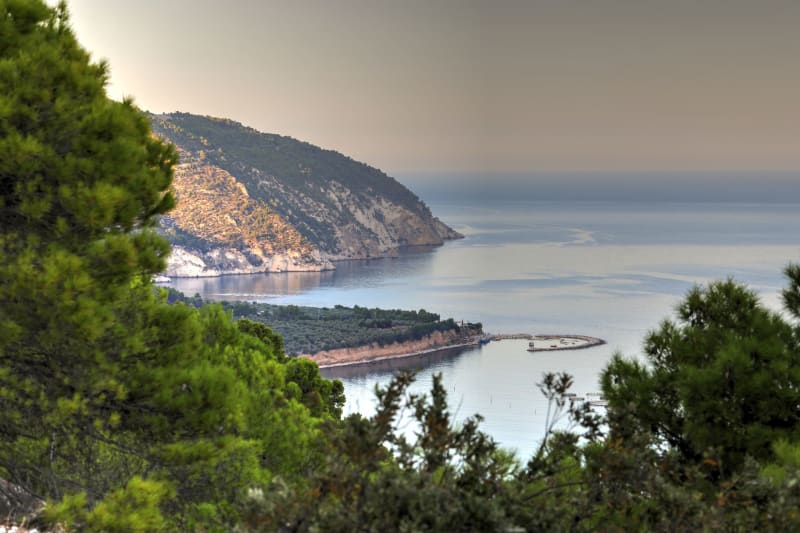 puglia
 Gargano
The mountainous spur jutting into the Adriatic — ancient forest, sea caves, clifftop sanctuaries, and a coastline that has nothing to do with the flat south below it.
Explore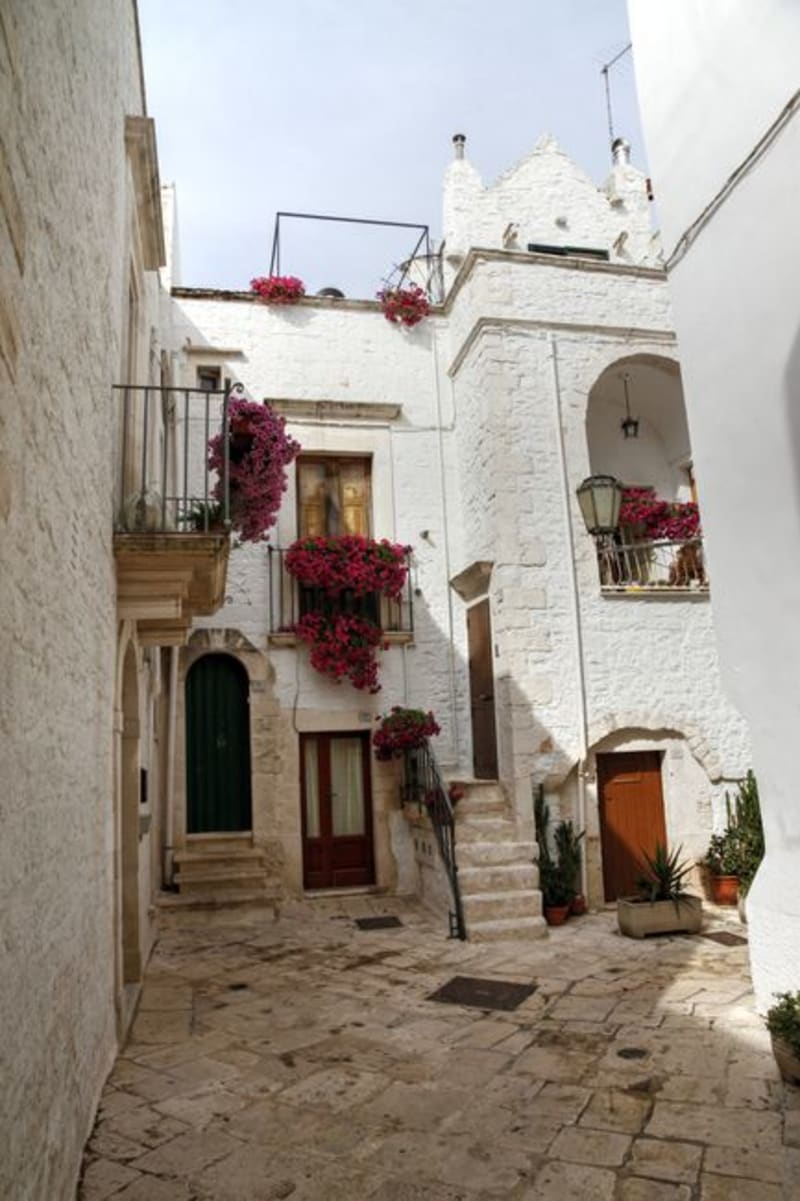 puglia
 Ginosa
A ravine town on Puglia's border with Basilicata, its abandoned cave district climbing one side of a gorge while the modern town carries on across the bridge.
Explore puglia
 Gioia del Colle
A Murgia town built around a Norman-Swabian castle where Frederick II once held court, and the source of a mozzarella so good it made me reconsider everything I thought I knew about cheese.
Explore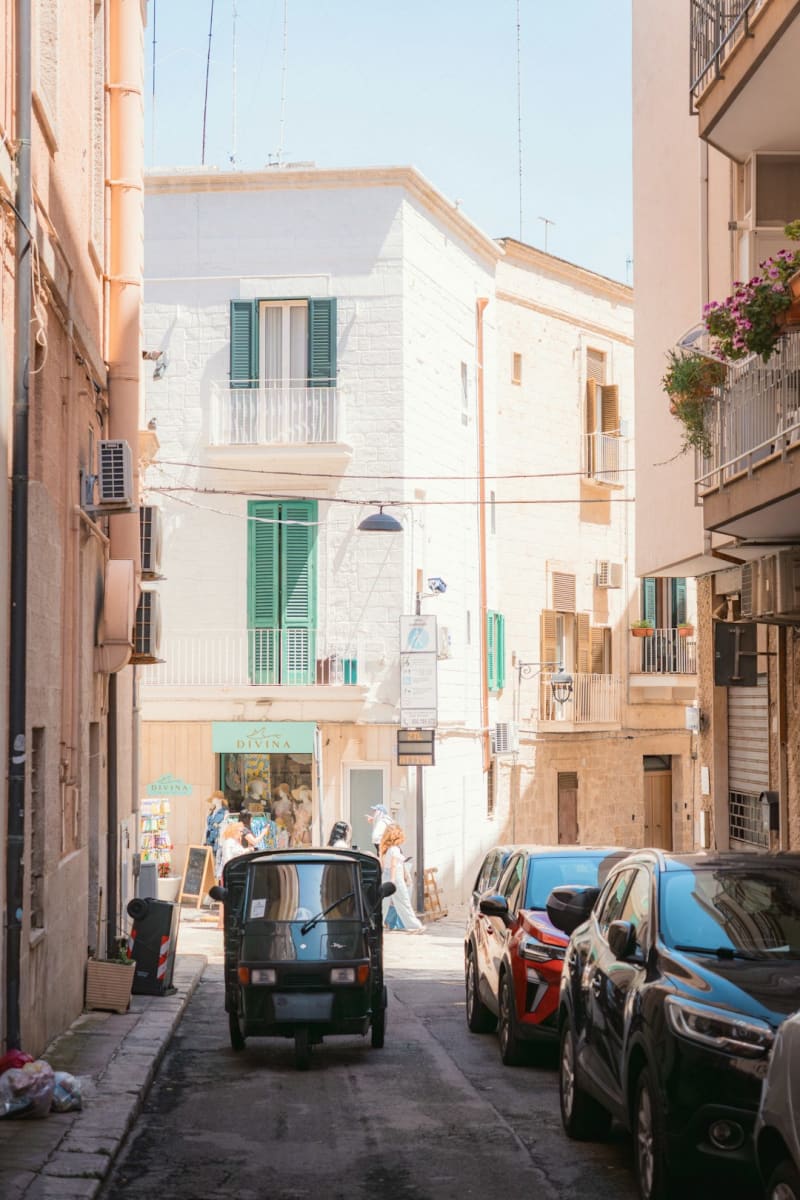 puglia
 Gravina in Puglia
A cave city on the edge of a limestone ravine, famous for a bread rivaling Altamura's and cellars carved directly into the rock beneath the old town.
Explore