Eriskay
"An island small enough to walk across in an afternoon, and heavy enough with story to fill a week."
A tiny island of Jacobite history and shipwrecked whisky, where wild ponies still graze the machair above a pale-sand strand.
We almost didn’t stop. Eriskay is barely two miles across, and on the map it looks like an afterthought hanging off the southern tip of South Uist, joined by a causeway that’s only existed since 2001 — before that, this was a proper boat-only island. But Lia had read about the SS Politician, and once she’d read about the SS Politician there was no driving past. In February 1941 the ship ran aground just offshore carrying, among other things, thousands of cases of whisky bound for Jamaica and New Orleans, and the islanders — wartime rationing being what it was — did not let good scotch go to waste. Compton Mackenzie turned it into a novel a few years later, and then into the film “Whisky Galore!”, and locals in the pub in Am Politician (yes, the pub is named after the ship) will still tell you which families supposedly had a bottle or two stashed away for decades.
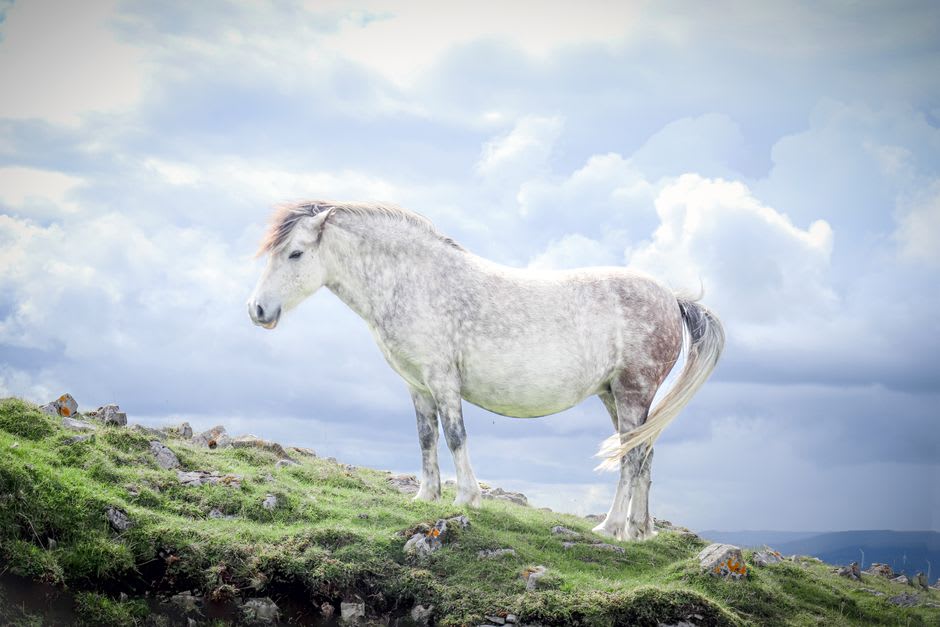
We crossed the causeway in the late afternoon, the water on both sides gone that impossible turquoise you get in the Hebrides when the sun finally breaks through, and parked near the harbor to walk up onto the machair. That’s where we saw our first Eriskay ponies, three of them, dun-coloured and shaggy, cropping the grass without so much as looking up at us. The breed is native to the island, small and hardy, once used by crofters to haul peat and seaweed before machinery made them obsolete, and there’s something moving about seeing them still there, unhurried, on the same slopes their ancestors worked.
The next morning we walked down to Prince’s Strand, the pale crescent of beach where Bonnie Prince Charlie first set foot on Scottish soil in July 1745, at the very start of the Jacobite rising. It’s easy to forget, standing on quiet sand with the tide going out, that this particular arrival set an entire rebellion in motion. Lia found a small pink flower growing near the dunes that locals will tell you sprang up from seeds the prince himself scattered — the Prince’s flower, they call it. I have no idea if that’s true. I like that it might be.
What stayed with me longest, though, wasn’t the history but the Gaelic — I heard it spoken in the shop, at the harbor, between two women outside the church, in a way I hadn’t quite encountered anywhere else in the islands. Eriskay also gave its name to a distinctive knitting pattern, the Eriskay jersey, densely patterned sweaters that fishermen’s wives once knit with motifs specific to each family, partly for warmth and, grimly, partly so a drowned man could be identified by his sweater alone. It’s a small island, but it doesn’t feel thin. It feels like everything on it means something.
When to go: Aim for May through September — the weather is at its kindest then, and it’s your best shot at finding the Eriskay ponies out grazing the machair in the long daylight.
Keep exploring
More from Outer Hebrides
 outer-hebrides
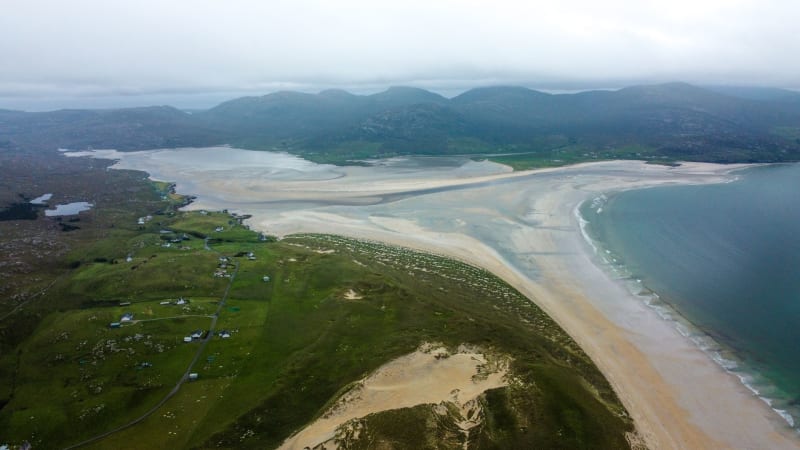
 Luskentyre
The most improbably Caribbean beach in northern Scotland, where the sand turns from cream to silver with each tide and the silence belongs entirely to you.
Explore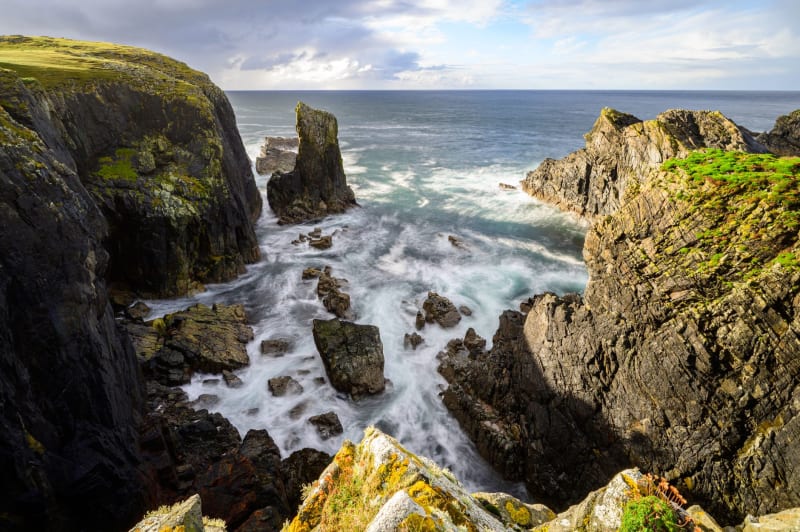 outer-hebrides
 Rodel
A medieval church at the southern tip of Harris holds carved stone tombs so detailed they stop your thinking and start you asking unanswerable questions.
Explore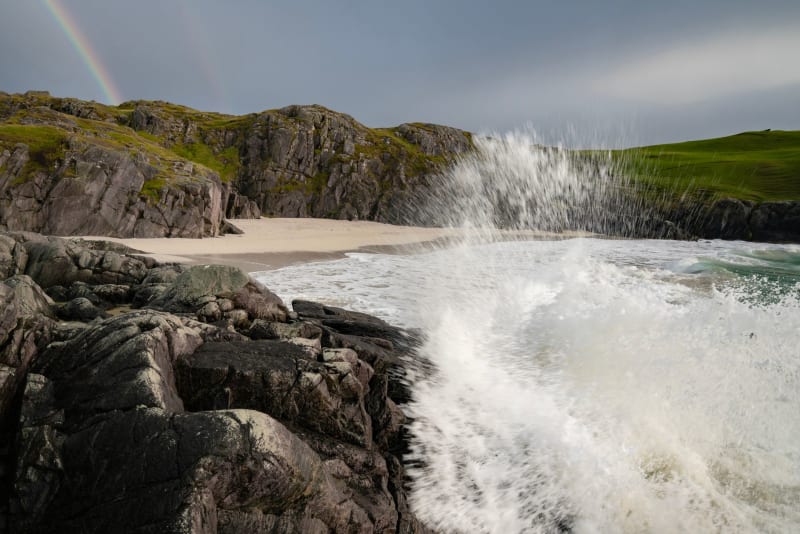 outer-hebrides
 South Uist
A long Atlantic island where thirty miles of machair runs in full flower and a hillside statue watches over the lochs with the patience of the permanent.
Explore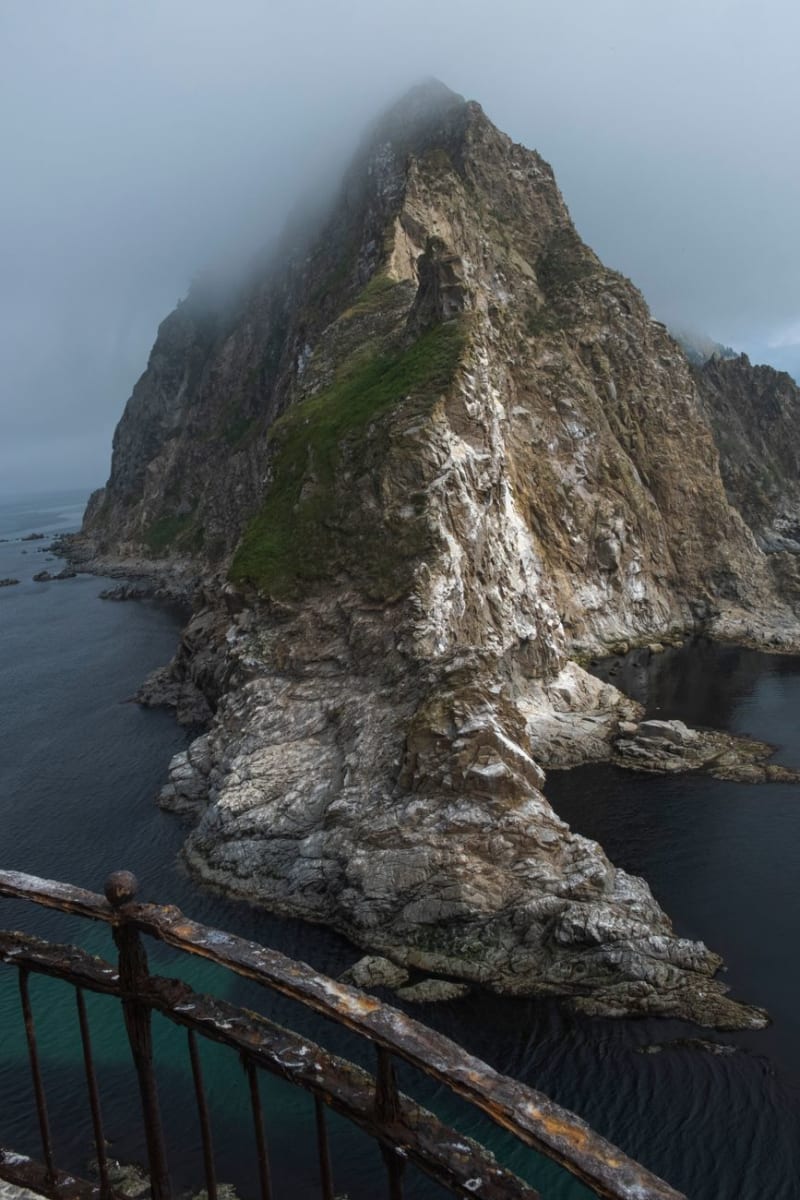 outer-hebrides
 St Kilda
The remotest fragment of the British Isles, an abandoned island world of sea stacks and a million seabirds, fifty miles out into the wild Atlantic.
Explore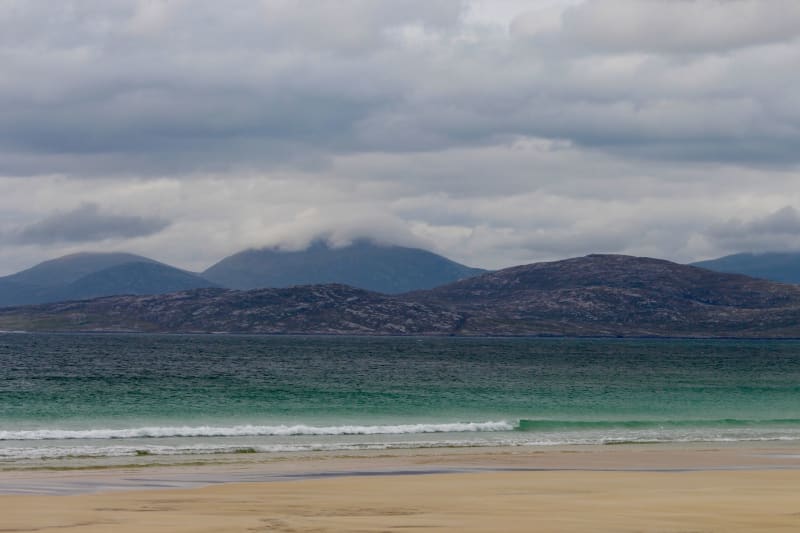 outer-hebrides
 Stornoway
The only town in the Outer Hebrides large enough to have a traffic light, and still the kind of place where the barman knows your grandfather's name.
Explore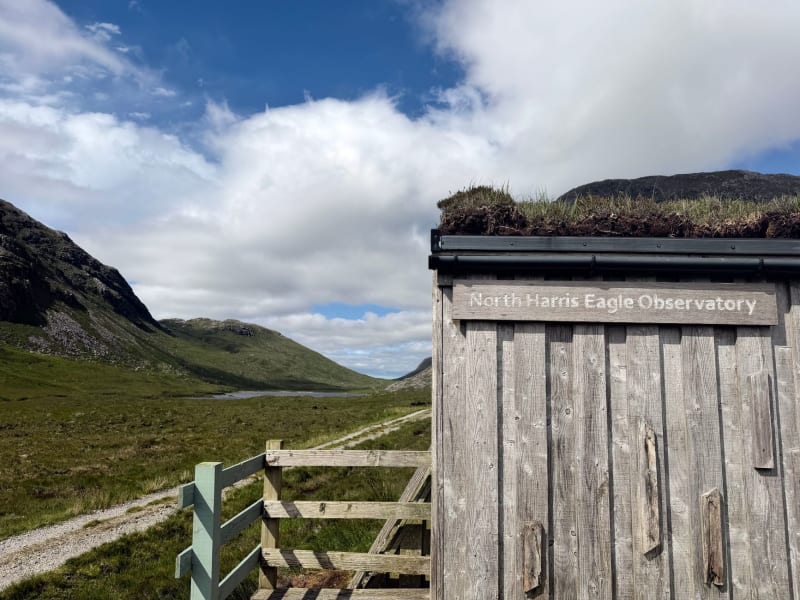 outer-hebrides
 Tarbert, Harris
A ferry village pinched between mountains and two sea-lochs where Harris Tweed is still woven in domestic sheds and the road south is the most dramatic single-track in the British Isles.
Explore