Middle East
Oman
"The Gulf country that still remembers what the Gulf used to be."
A Gulf country that refused to become Dubai — ancient forts above turquoise wadis, frankincense smoke in open-air souqs, and silence where you least expect it.

I landed in Muscat at midnight, expecting something like Dubai’s younger, quieter sibling — gleaming hotels, air-conditioned malls, the usual Gulf playbook. Instead I got a city with a 10 p.m. building-height limit, white-painted houses climbing low hills toward the sea, and a corniche that smelled of saltwater and diesel boats rather than cologne. It took about twenty minutes for Oman to start dismantling everything I thought I knew about this part of the world.
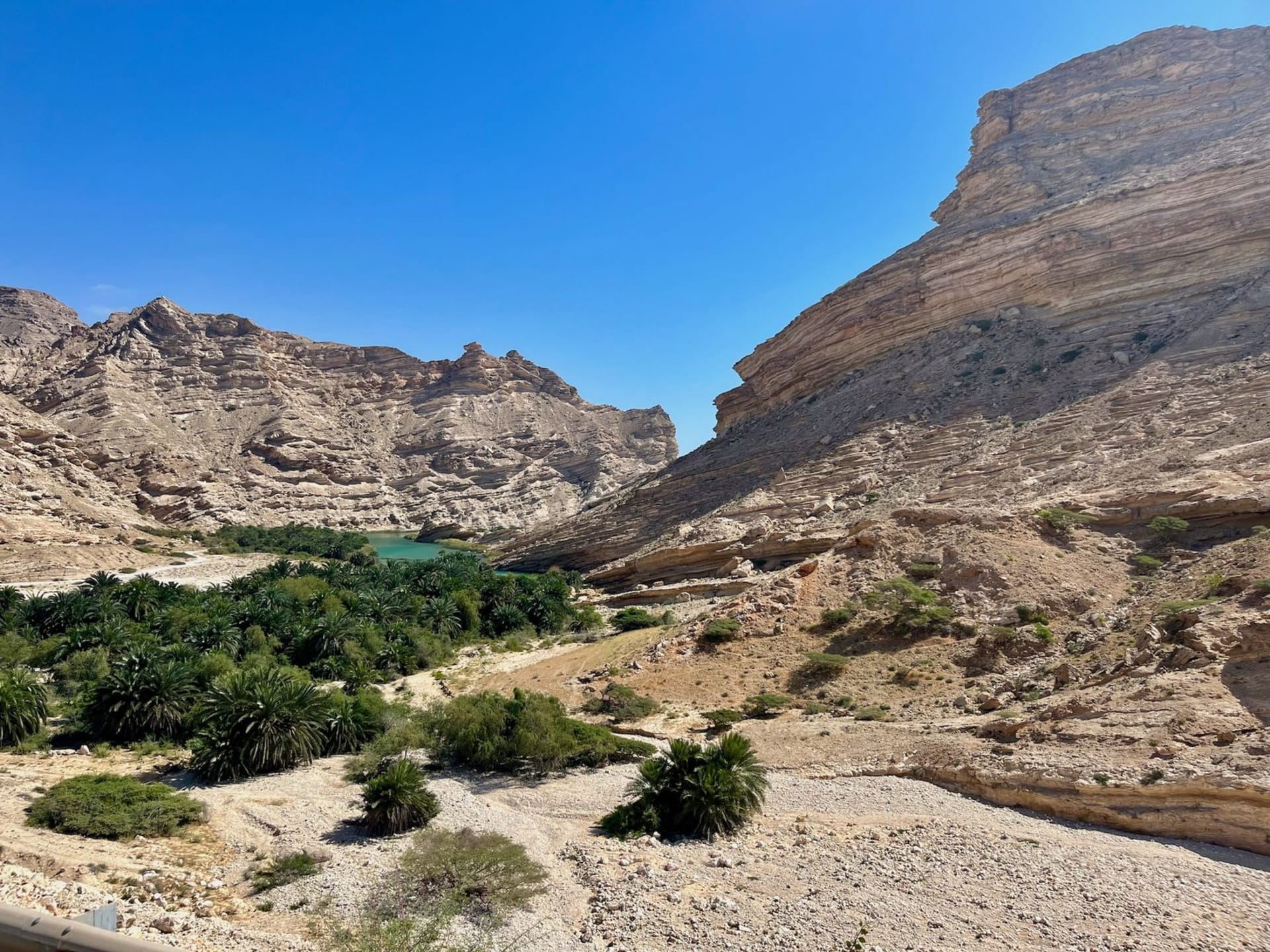
Wadi Shab is the reason most people who’ve been to Oman won’t stop talking about it. You hire a boat across a reservoir, you walk an hour through a canyon where the rock walls drip with ferns and the path is ankle-deep in clear water, and then you swim through a narrow passage into a cave where a waterfall falls from a hole in the ceiling into a pool the color of antifreeze. It sounds like a screensaver. It looks like one too, except it’s real and the water is cold enough to take your breath out of you. I went in October and had maybe thirty other people in the entire wadi. I’ve never had that kind of silence in that kind of beauty anywhere in the Middle East — or most other places, for that matter.
The frankincense souq in Salalah hit me differently than I expected. I’d read about Oman’s role as the ancient crossroads of the incense trade, but reading about it and standing inside a stall where resin chunks are burning on hot coals while a vendor pours you cardamom coffee without asking if you want any — those are different experiences entirely. Dhofar, the southern region, is extraordinary during the khareef, the monsoon season from July to September, when the coastal mountains turn green and cloud over in a way that has absolutely nothing to do with what you expect from the Arabian Peninsula. Waterfalls appear. Cows appear. It looks more like Ireland than Arabia.
When to go: October to March for most of the country — the heat is manageable, the wadis are hikeable, and Muscat is genuinely pleasant. July to September if you want Dhofar and the Salalah monsoon season — humid and cool up in the mountains, which sounds absurd but is accurate. Avoid April to June in the interior; 45°C in a canyon is not an adventure.
What most guides get wrong: They frame Oman as a luxury destination — five-star desert camps, infinity pools, Bedouin experiences for four hundred dollars a night. And yes, that version of Oman exists. But the country is also remarkably functional for independent travel on a modest budget. Wadis are free. The Mutrah souq in Muscat is free. Nizwa Fort costs two rials. The most memorable thing I did — swimming through that cave in Wadi Shab — cost the price of a boat crossing and a pair of water shoes. Don’t let the marketing convince you Oman requires a platinum card.
Explore
Places in Oman
 oman
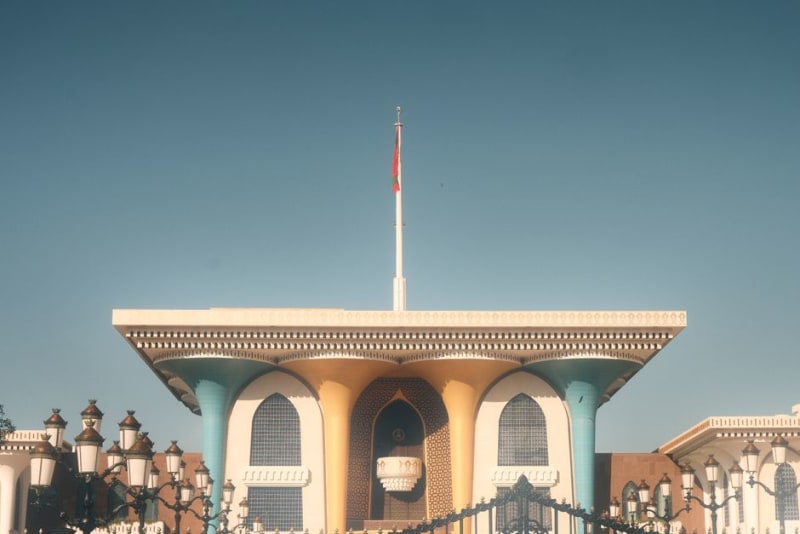
oman Al Alam Palace
The Sultan's ceremonial palace, all blue-and-gold columns, wedged between two Portuguese forts on Muscat's old harbour.
Explore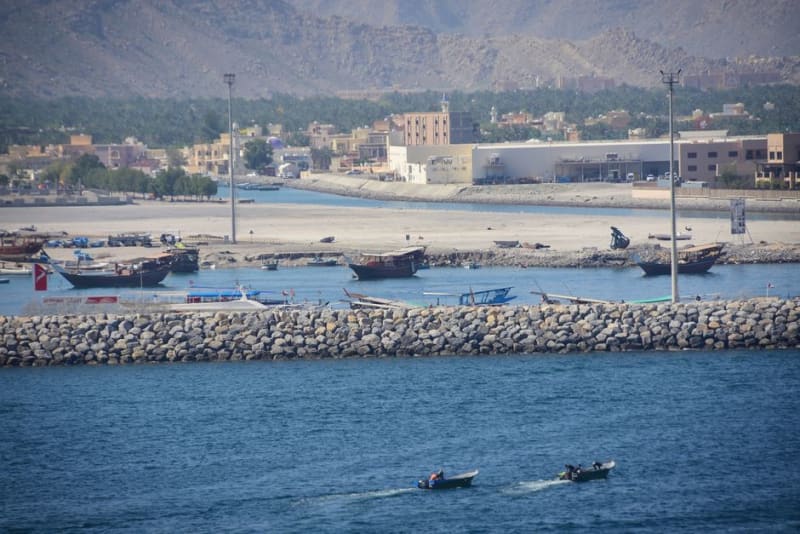 oman
oman Al Ashkharah
A working fishing town at the edge of the desert coast, the last real stop before the ferry crossing to Masirah Island.
Explore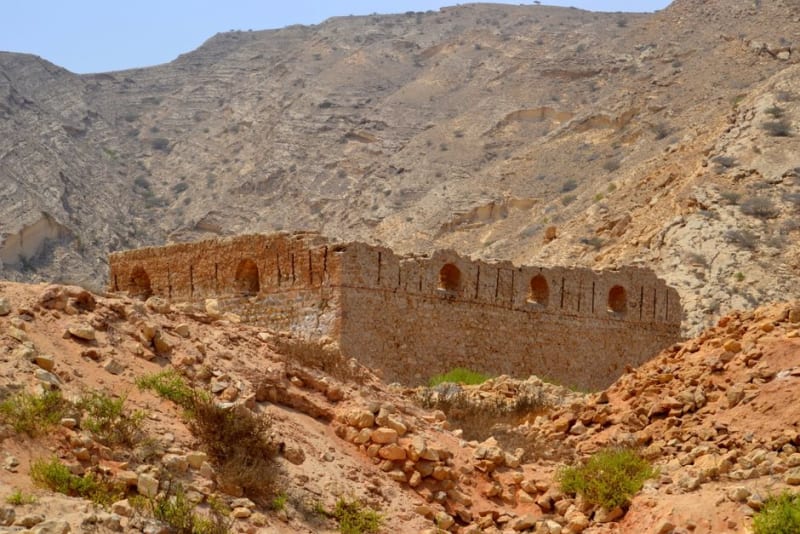 oman
oman Al Ayn Beehive Tombs
The best-preserved cluster of Bronze Age beehive tombs in Oman, lined up along a ridge against the jagged backdrop of Jebel Misht like a row of stone teeth.
Explore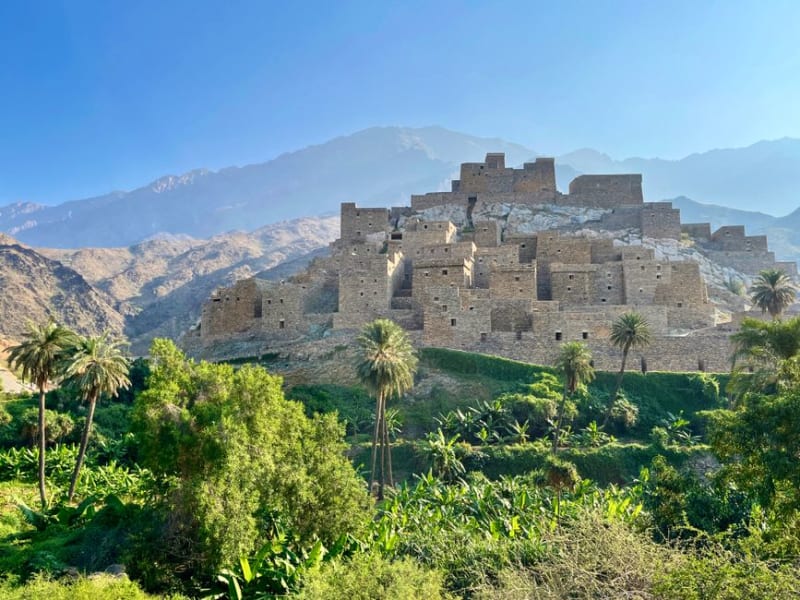 oman
oman Al Baleed and the Frankincense Land Museum
The ruins of a medieval trading port and a museum that explains, finally, why frankincense was ever worth fighting over.
Explore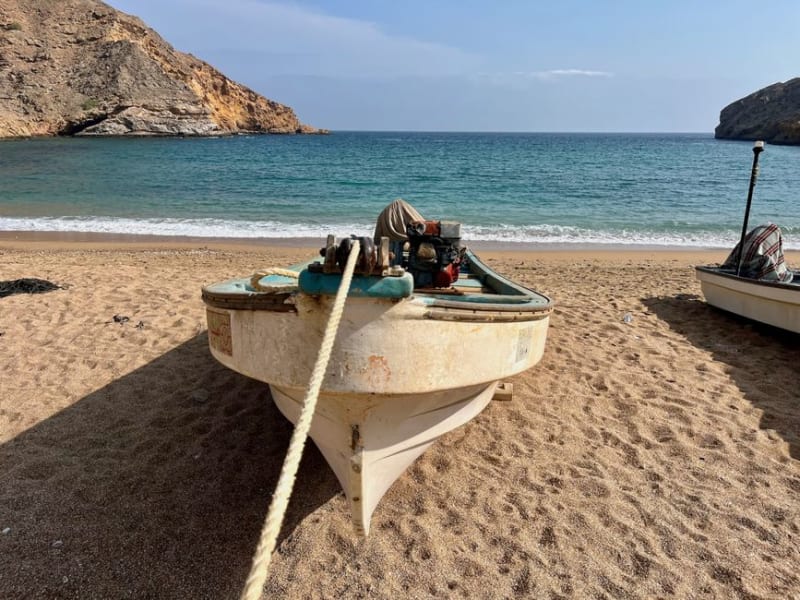 oman
oman Al Fazayah Beach
A crescent of white sand reached by a single hairpin road through the mountains, with almost nothing on it but coconut palms and camels.
Explore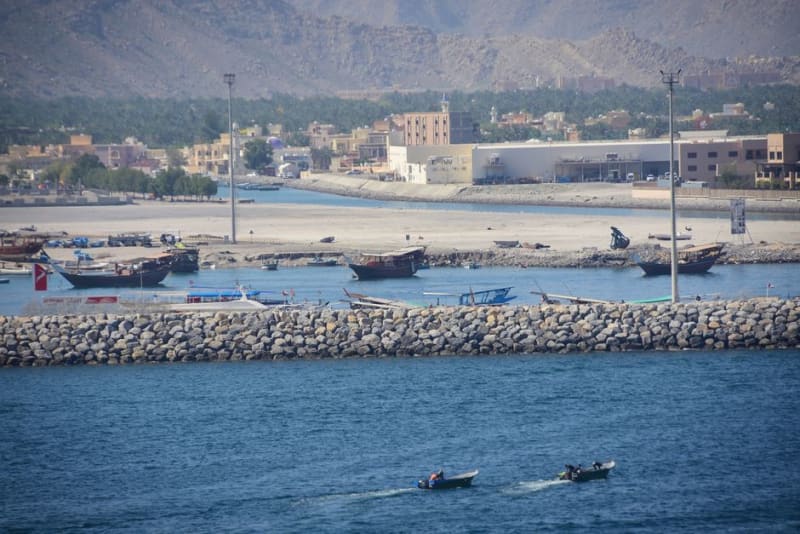 oman
oman Al Hamra
A 400-year-old mud-brick town at the foot of the Al Hajar mountains, where two-story merchant houses stand empty and unlocked, waiting for nobody in particular.
Explore oman
oman Al Hazm Fort
A fortress built without a single supporting pillar in its main hall, hidden in plain sight in the quiet Batinah town of As Suwayq.
Explore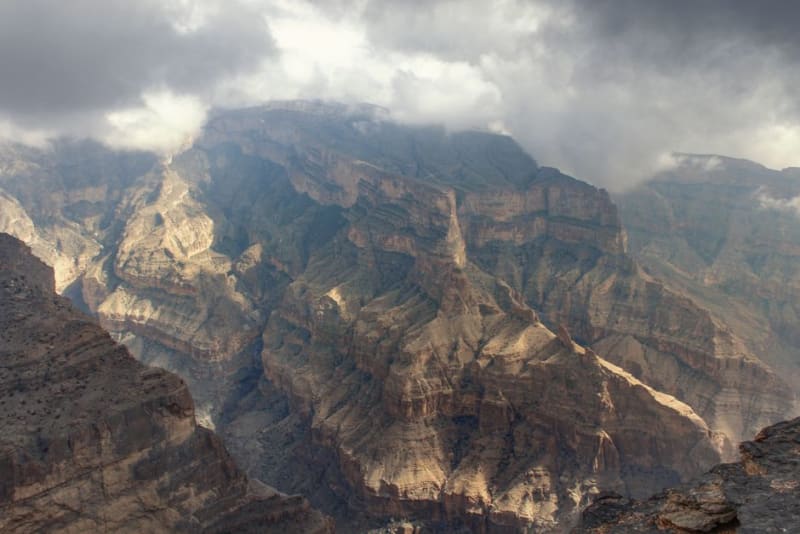 oman
oman Al Hoota Cave
A vast limestone cave system beneath Jebel Nakhal, with an underground lake, blind fish found nowhere else on earth, and a small train to get you there.
Explore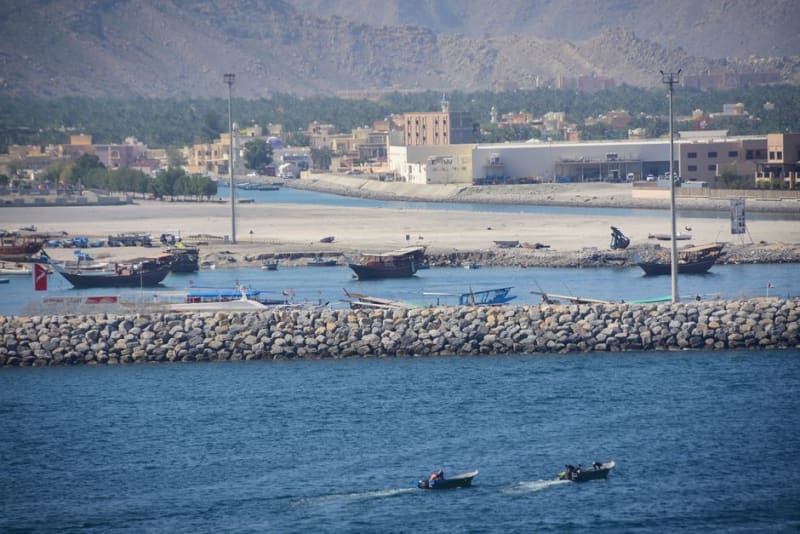 oman
oman Al Jazir
A remote fishing village on Dhofar's eastern coast where lobster boats outnumber cars and the Arabian Sea does most of the talking.
Explore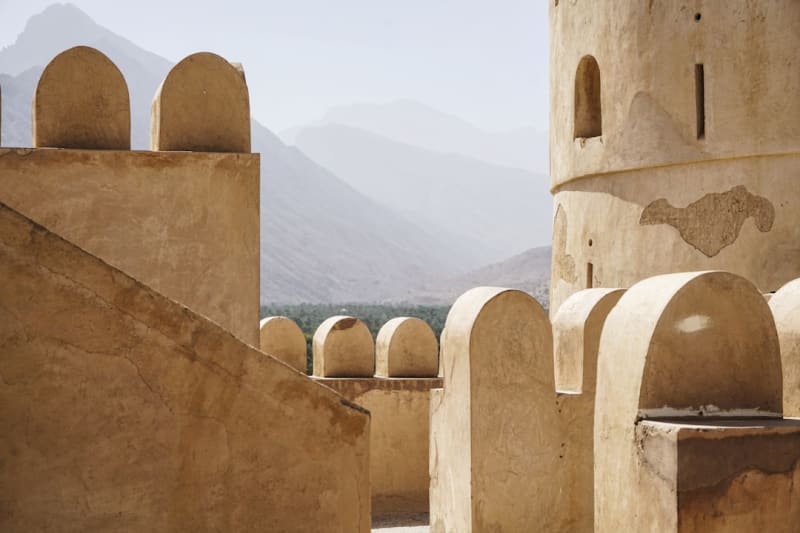 oman
oman Al Khaburah
The Batinah town best known for halwa production, dhow-lined beaches, and a fort slowly being reclaimed by the coastline around it.
Explore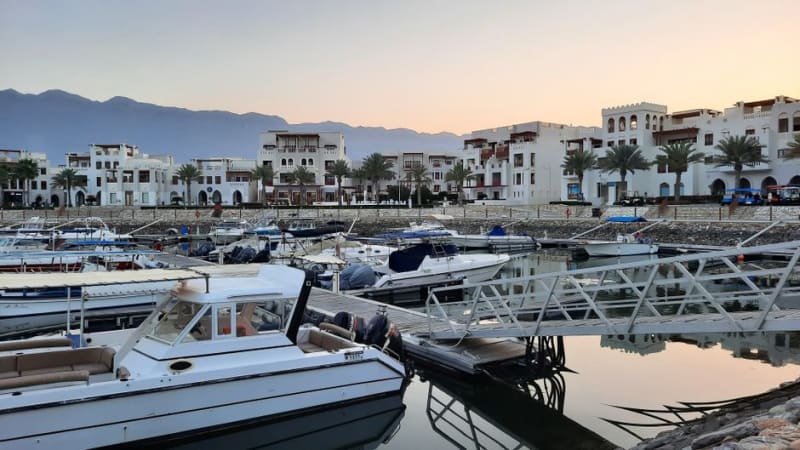 oman
oman Al Mouj Marina
Muscat's newest waterfront — yachts, waterside cafes, and a glimpse of the Gulf-style city Oman deliberately chose not to become everywhere else.
Explore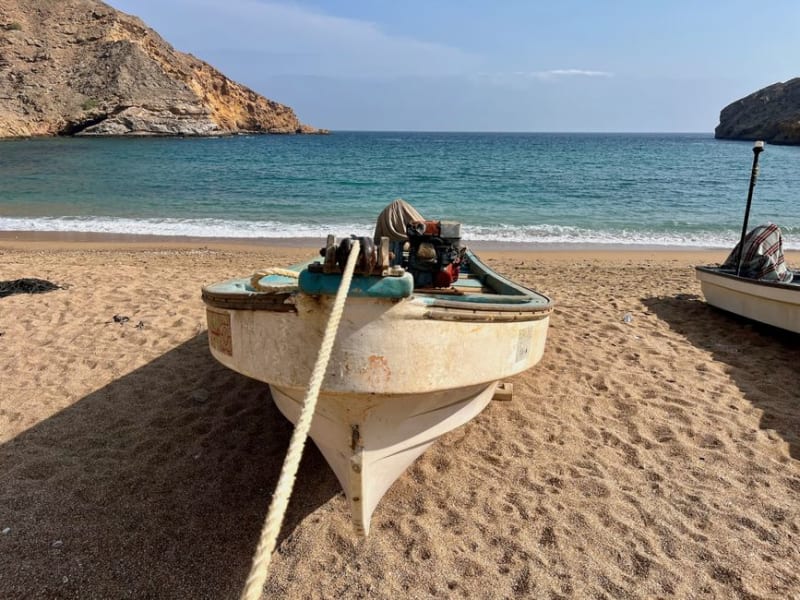 oman
oman Al Mudayrib
A fortified caravan town on the old route to the interior, its watchtowers and mud-brick core still standing guard over a settlement most travelers drive straight past.
Explore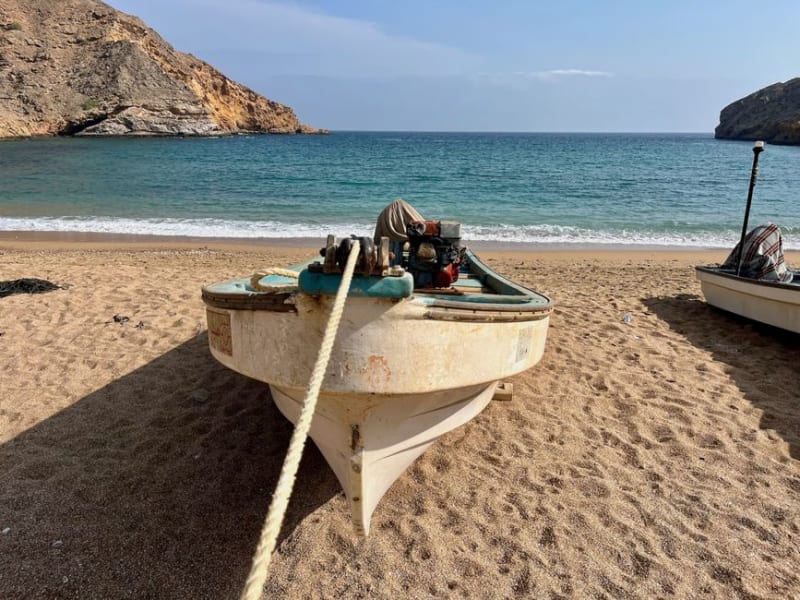 oman
oman Al Mughsail Beach
A wide, wild beach west of Salalah where sea caves blast columns of water into the air and the mountains drop straight into the surf.
Explore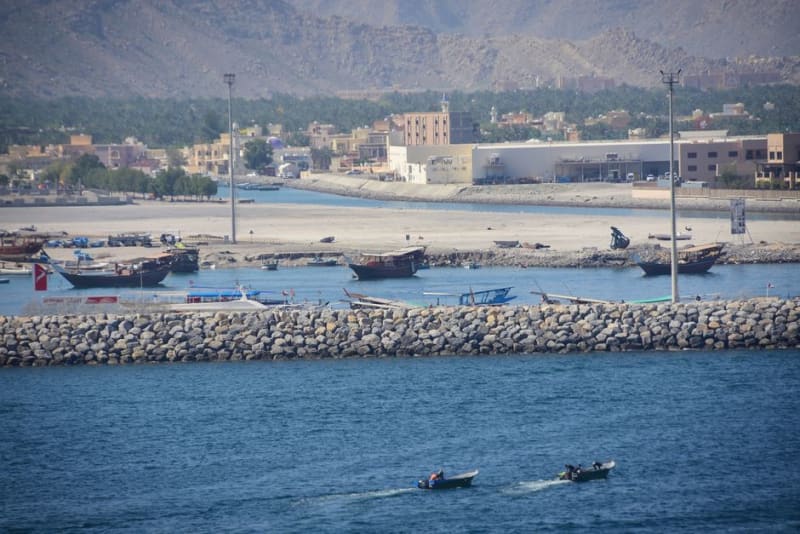 oman
oman Al Musanaah
A string of quiet watchtowers and fishing villages along the Batinah coast, the kind of place that rewards nothing more than an unplanned stop.
Explore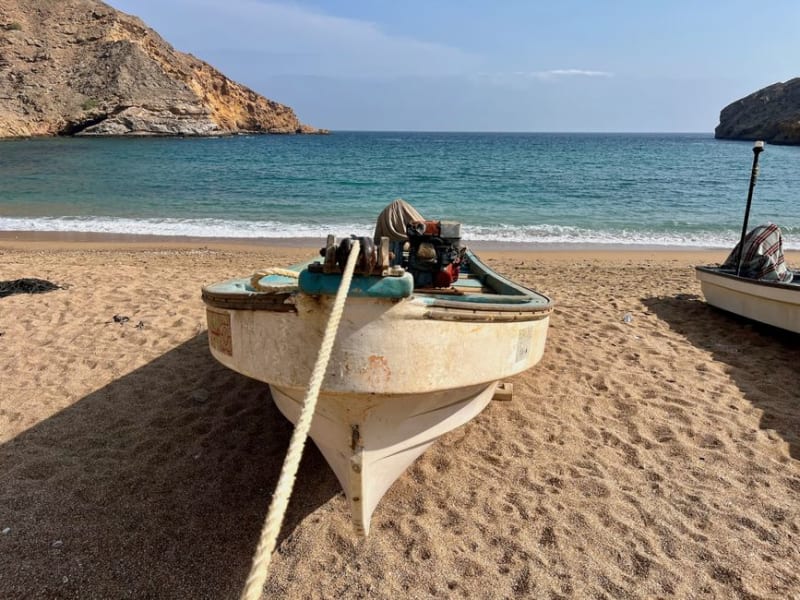 oman
oman Al Sawadi Islands
A scatter of nine uninhabited islands off Oman's Batinah coast, and the easiest good snorkeling within reach of Muscat.
Explore oman
oman Amouage Perfumery
A factory tour built around frankincense and oud, from a luxury perfume house that turned Omani scent traditions into a global export.
ExploreAll areas in Oman
- Bahla Fort
- Bait Al Zubair Museum
- Bandar Khayran
- Barka
- Barr Al Hikman
- Barr Al Jissah
- Bat Archaeological Site
- Bilad Sayt
- Bimmah Sinkhole
- Birkat Al Mouz
- Bukha Fort
- Daymaniyat Islands
- Dhalkut
- Dibba
- Duqm
- Fahal Island
- Fins Beach
- Hallaniyat Islands
- Ibra
- Ibri Fort
- Izki
- Jabrin Castle
- Jebel Akhdar
- Jebel Misht
- Jebel Samhan
- Jebel Shams
- Job's Tomb (Nabi Ayoub)
- Khasab Fjords
- Khor Najd
- Khor Rori (Ancient Sumhuram)
- Kumzar
- Lima
- Liwa (Al Batinah)
- Manah
- Masirah Island
- Mirbat
- Misfat Al Abriyeen
- Muscat Old Town
- Nakhal
- Nakhal Fort
- Nizwa
- Qalhat
- Qurum Beach
- Ras Al Hadd
- Ras Al Jinz
- Ras Madrakah
- Riyam Park
- Royal Opera House Muscat
- Rustaq Fort
- Sadah
- Saham
- Salalah
- Samail
- Shinas
- Shuwaymiyah
- Sinaw Souq
- Sohar Fort
- Sultan Qaboos Grand Mosque
- Sur
- Tanuf Ruins
- Taqah
- Wadi Al Arbeieen
- Wadi Al Ayn
- Wadi Al Khoud
- Wadi Bani Awf
- Wadi Bani Ghafar
- Wadi Bani Khalid
- Wadi Bani Kharus
- Wadi Damm
- Wadi Darbat
- Wadi Dayqah
- Wadi Ghul
- Wadi Hibi
- Wadi Hoqain
- Wadi Mayh
- Wadi Mistal
- Wadi Nakhr
- Wadi As Sahtan
- Wadi Shab
- Wadi Tiwi
- Wahiba Sands
- Wukan
- Yanqul
- Yiti Beach