
A former pearl-trading port with a crumbling fort, a working fish market, and one of the best diving bases on the Dhofar coast.

Mirbat is about an hour east of Salalah, and the drive there along the coastal road is reason enough to go — cliffs on one side, ocean on the other, and almost no traffic once you’re past Taqah. But the town itself is what stayed with me: a scatter of old coral-stone houses with carved wooden doors, a harbor full of small blue-and-white fishing boats, and a stillness that felt earned rather than accidental, like the town had simply decided decades ago it wasn’t interested in becoming anything bigger.
A Port With a Violent Footnote
Mirbat’s history runs deeper than its current quiet suggests. It was once a major pearling and frankincense port, wealthy enough to leave behind the ruins of a fort and several grand merchant houses, some still standing with their original wind-tower ventilation intact. It’s also the site of the 1972 Battle of Mirbat, a small but pivotal engagement in Oman’s Dhofar rebellion where a handful of British SAS soldiers and local forces held off a much larger insurgent force — a piece of history that barely registers outside military circles but that locals will mention if you ask the right questions at the right teahouse.

The Fish Market at First Light
We got up before dawn specifically for Mirbat’s fish auction, and it did not disappoint. Boats came in loaded with kingfish, tuna, and the occasional shark, unloaded straight onto the concrete quay, where buyers haggled in rapid Dhofari Arabic over prices while gulls fought over the scraps. Nobody paid us much attention, which made it easier to just stand at the edge and watch — a fisherman gutting a tuna in about four practiced motions, a boy of maybe ten helping haul a net, the whole operation running on a rhythm clearly older than anyone currently doing it.

Later, a dive operator we’d emailed ahead of time took us out past the harbor for a two-tank dive, and the water turned out to be genuinely excellent — better visibility than anywhere else we tried on this coast, plus a decent chance of encountering whale sharks between roughly October and February. Lia, who dives far more seriously than I do, called it one of the better sites she’s logged in years, and she does not say that lightly.
When to go: October through April for calmer seas and the best diving visibility, with a real shot at whale sharks in the cooler months. The fish market runs daily at dawn regardless of season.
Keep exploring
More from Oman
 oman
Misfat Al Abriyeen
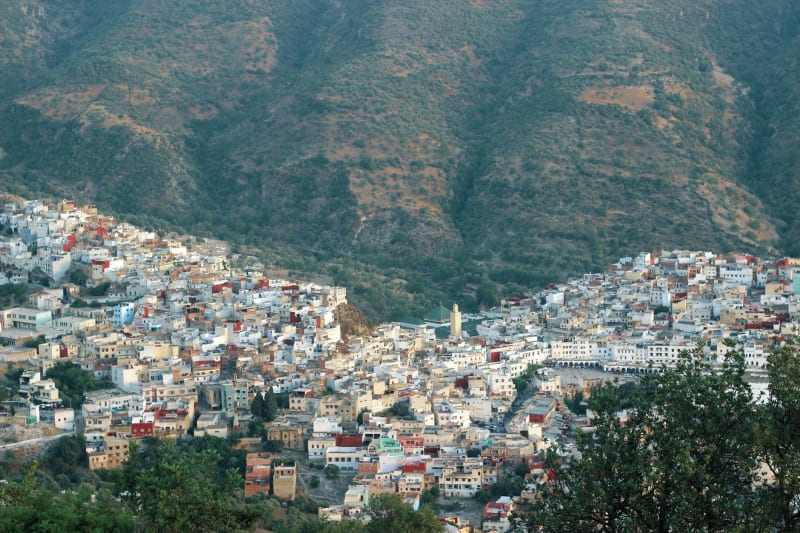
A mud-brick village clinging to a mountain cliff above terraced gardens watered by an ancient falaj irrigation system.
Explore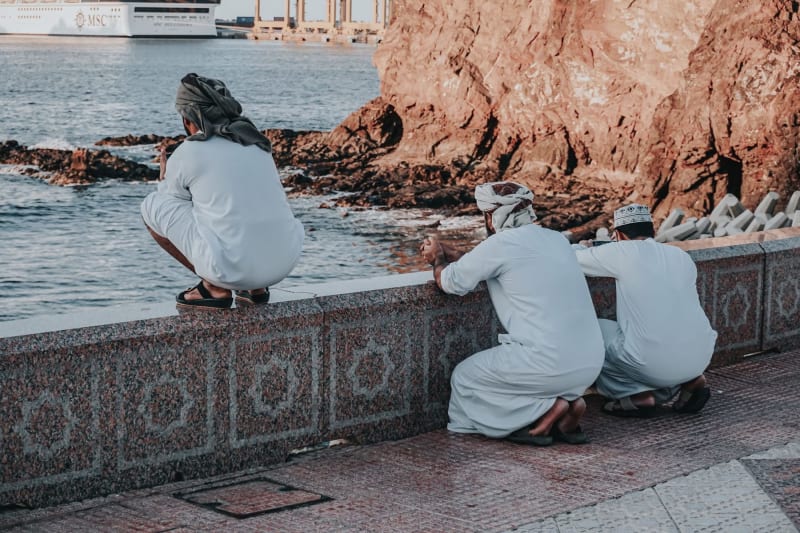 oman
Muscat Old Town
Whitewashed houses, a corniche-hugging harbour, and the perfume of the Muttrah souq at dusk.
Explore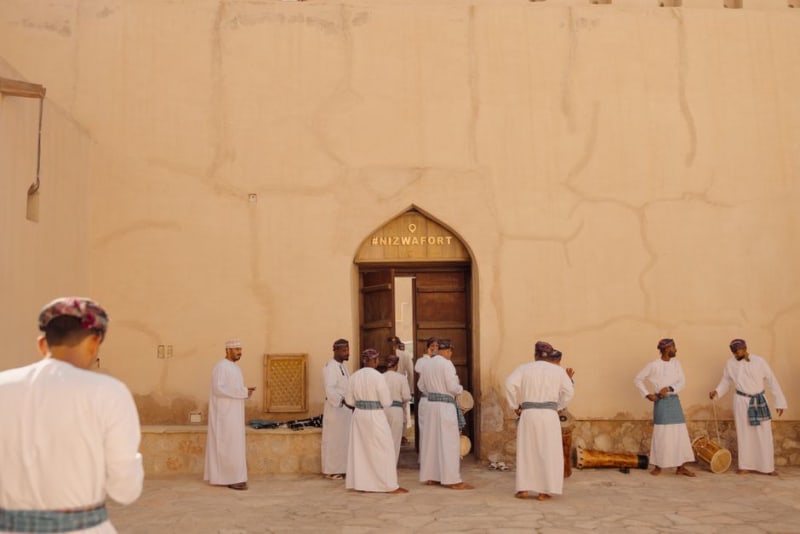 oman
Nakhal
A hilltop fort guarding date palm oases, and hot springs where locals soak year-round in water that never cools.
Explore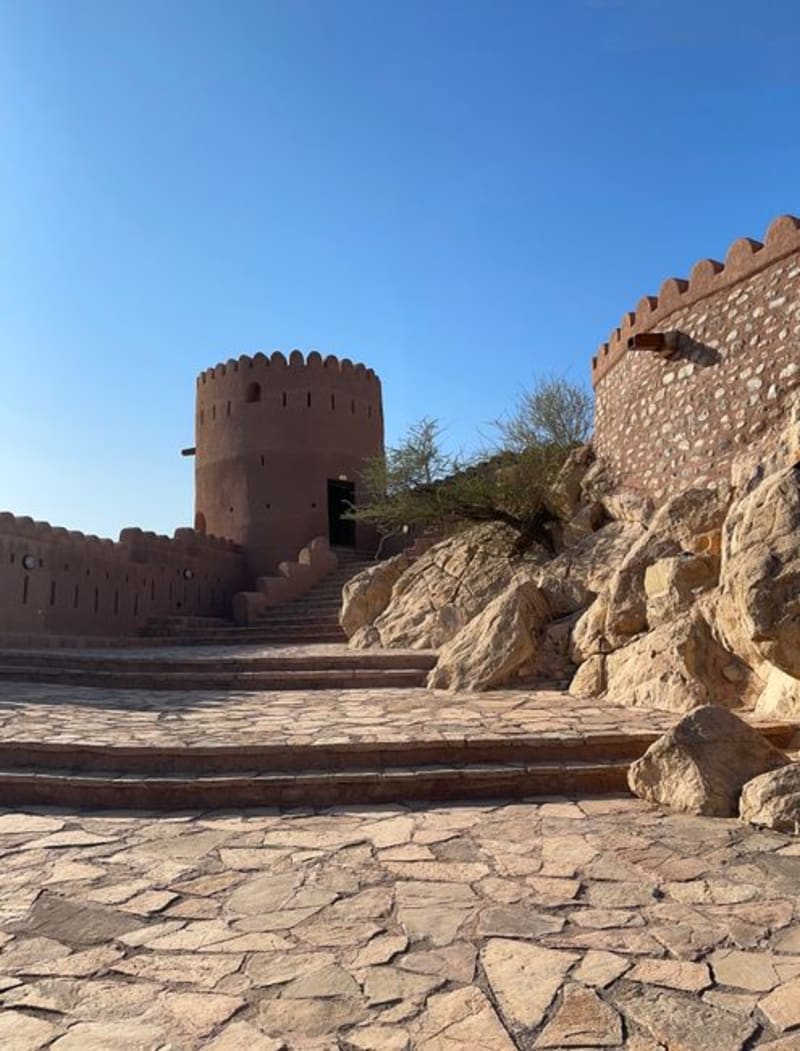 oman
Nakhal Fort
A dramatically restored fort perched on a rocky outcrop at the foot of the Al Hajar mountains, paired with a hot spring where locals soak within earshot of the falaj.
Explore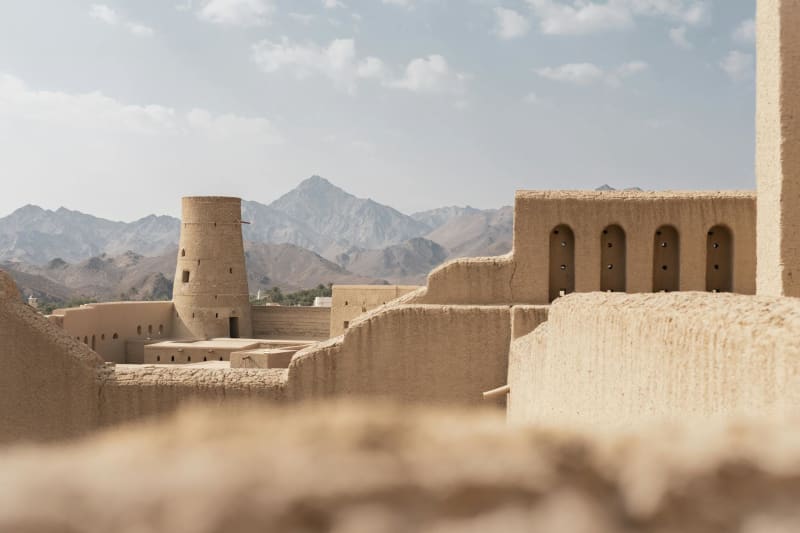 oman
Nizwa
Oman's ancient capital, home to a magnificent round fort and a Friday souq where goats and silver are traded.
Explore oman
Qalhat
A UNESCO ruin field on the coast road, once a medieval trading port praised by Marco Polo and now just a lone tomb and a scatter of stone.
Explore