
Dieppe
"I ate a bucket of moules on the pebble beach at Dieppe and looked up at the same chalk cliffs the raiding troops never made it past in 1942."
A weathered cross-Channel port on the Normandy coast, marked by white chalk cliffs and the memory of the disastrous 1942 Allied raid.

Dieppe doesn’t get talked about as much as the D-Day beaches further west, but it carries its own heavy piece of the war, and honestly a different one, because Dieppe is a story of failure rather than a foothold gained. In August 1942, mostly Canadian troops launched a raid on the town, testing German coastal defenses ahead of a full invasion, and it went badly wrong almost immediately — pinned down on the pebble beach under fire from the cliffs and the old castle above, thousands of casualties in a matter of hours. Walking that beach now, past the beach volleyball nets and the striped changing cabins, it’s an odd thing to reconcile, this ordinary summer beach scene layered over one of the grimmer days of the war. There’s a Canadian memorial and a small museum in the castle that lay it out plainly, no dressing it up as a victory, which I respected.

Away from the raid history, Dieppe is a genuinely working town, which I liked after the more polished resort feel of Deauville or Cabourg. It’s a real cross-Channel ferry port, still connected to England, and the harbor has that mix of fishing boats and ferry terminal bustle that gives it an unpretentious energy. There’s a big scallop fishery here, and the town throws an actual scallop festival in November that I’d go back specifically for — I had coquilles Saint-Jacques at a harborside restaurant that were pulled from the water that same morning, and it was one of the best simple seafood meals I’ve had in France. The Saturday market, one of the largest in Normandy, sprawls through the streets near the church of Saint-Rémy and sells everything from local cider to fresh fish to secondhand tools, and it’s worth timing a visit around.
The chalk cliffs themselves, the same pale white as the more famous ones at Étretat further along the coast, frame the whole town and give it this dramatic backdrop that the raid history makes feel almost cinematic in a grim way. The castle up on the western cliff, part medieval and part later fortification, houses a museum with a genuinely good collection of ivories, a Dieppe specialty from its old trading days with Africa, alongside the war material, so there’s more range there than I expected walking in.
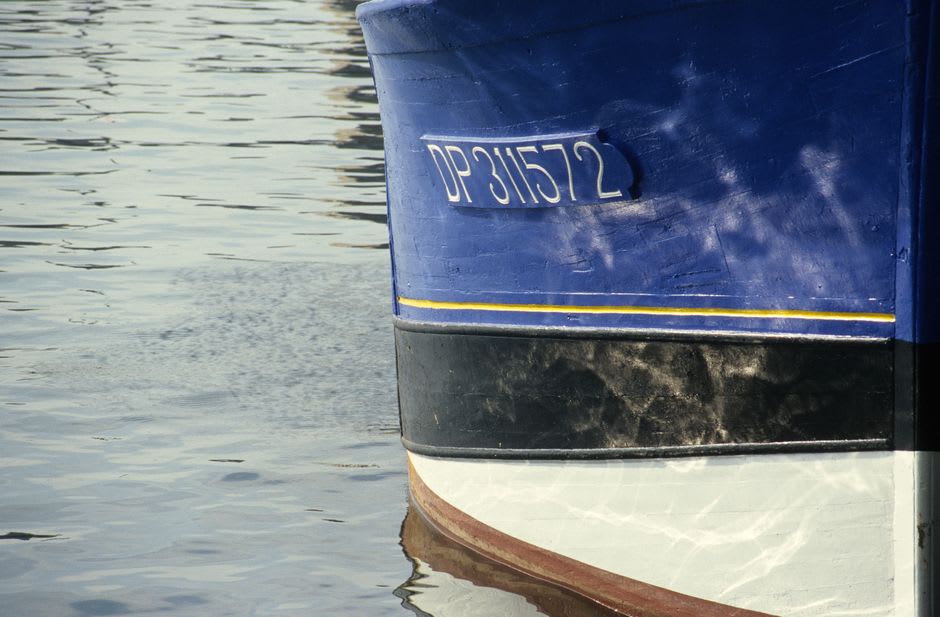
Lia and I ended up staying longer than planned, mostly because the town felt lived-in rather than curated for visitors, and that’s rare on this coast.
When to go: Visit in November for the scallop festival if seafood is your priority, or come on a Saturday any time of year to catch the market at full swing; the pebble beach is at its best on a clear, wind-still afternoon.
Keep exploring
More from Normandy
 normandy
Étretat
The chalk arches that drop into the Channel here have been painted a thousand times and still leave you wordless.
Explore normandy
Giverny
Monet's garden in the Eure valley, where the man spent forty years building the exact landscape he wanted to paint — and where, on a quiet morning, you can almost forgive the crowds.
Explore normandy
Granville
A walled granite headland town on the western Cotentin coast where Christian Dior grew up and the tides still set the schedule for everything.
Explore normandy
Honfleur
A harbour so perfectly preserved it looks like a stage set — except the oysters are real and the calvados is better than it has any right to be.
Explore normandy
Mont-Saint-Michel
A medieval abbey on a tidal rock that still manages to astonish despite being on every calendar ever printed.
Explore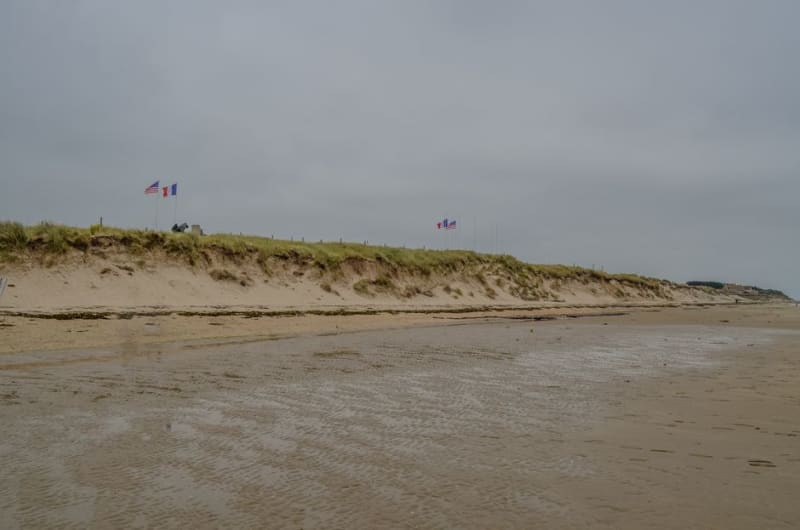 normandy
Omaha Beach
A vast stretch of pale sand in Normandy where the weight of June 6, 1944 still presses into every quiet, wind-scoured morning.
Explore