Europe
Normandy
"The place that reminds you France is more than wine and sunshine."
Chalk cliffs, cider orchards, and the weight of history — Normandy is France's most emotionally complex coastline, and its least understood.

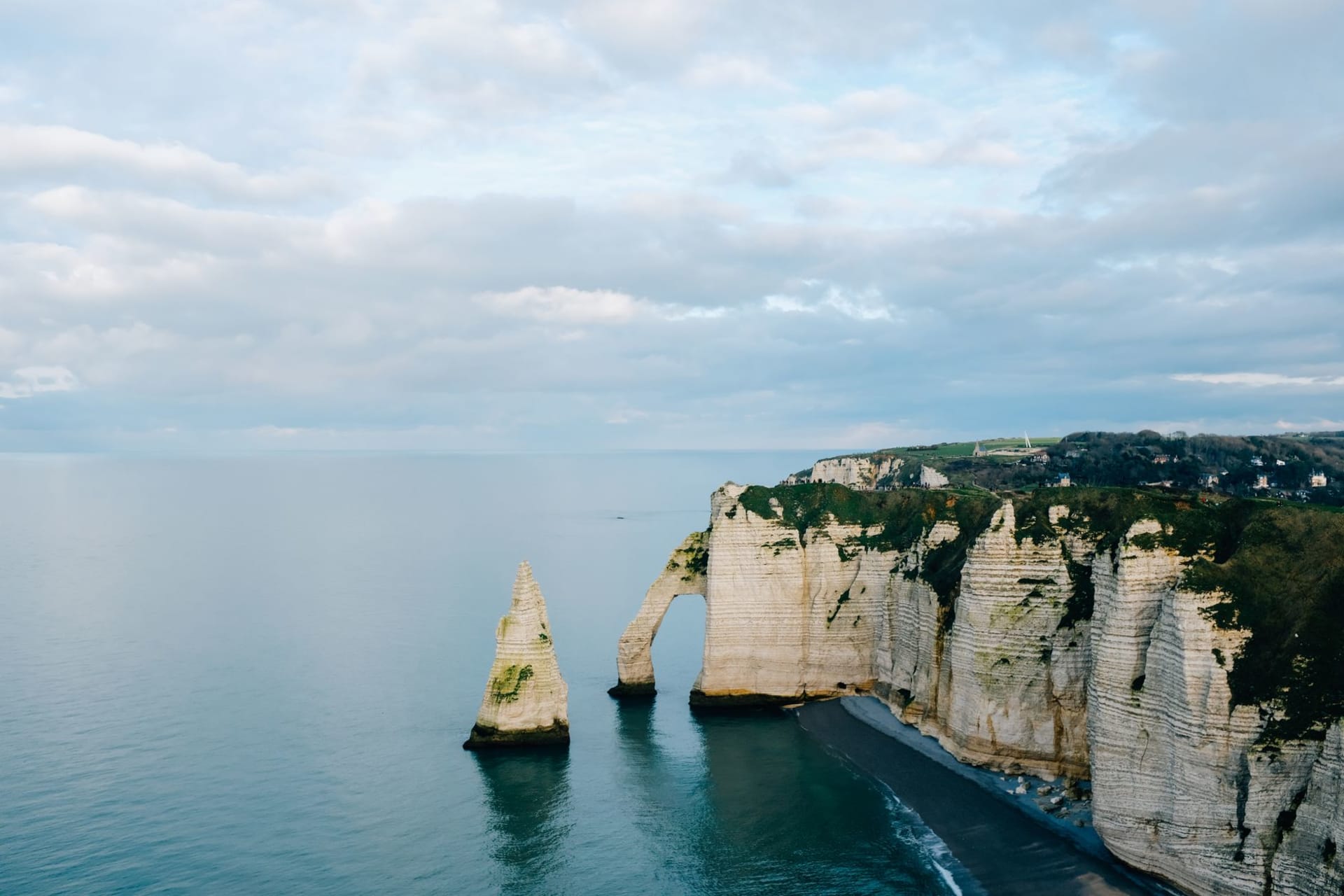
I arrived in Normandy on a Tuesday in October, driving north from Paris with the radio off. The sky closed in somewhere around Rouen — that flat, pewter light that feels nothing like the south — and by the time I reached the coast near Étretat the wind was cutting straight off the Channel. There was no one else on the clifftop path. The chalk arches dropped straight into the sea below, prehistoric and completely indifferent to my presence. I had been living in Mexico for two years at that point. Standing there, I felt something I had almost forgotten: actual cold.
Normandy is one of those places where the landscape does something to you before you have had time to form an opinion about it. The coastline alone could keep you occupied for days — the Alabaster Coast’s white cliffs running north toward Fécamp, the wild dunes at Utah Beach, the tidal drama of Mont-Saint-Michel at dawn before any buses arrive. But what surprised me most was the interior: bocage countryside stitched together with hedgerows, half-timbered farmhouses, apple orchards so dense you can smell the fermentation in autumn. This is where calvados comes from, and the cider that pairs better with a plateau de fruits de mer than any white wine you might reach for. I sat in a ferme-auberge outside Cambremer one evening eating a local Livarot cheese that was aggressively ripe, drinking a brut cidre from a ceramic jug, and thought: this is a completely different France from the one in the postcards.
The D-Day sites require a separate reckoning. I am not someone who typically seeks out war memorials, but Normandy makes it impossible to look away. The American Cemetery at Colleville-sur-Mer is one of the most quietly devastating places I have ever stood — not because of its scale, though the scale is staggering, but because of its precision. Row after row of white crosses and Stars of David, each one a specific person, facing west toward a home they did not return to. You leave changed. The town of Bayeux nearby, home to the tapestry, makes for a necessary exhale: half-timbered, cathedral-shadowed, utterly intact after a war that destroyed so much around it.
When to go: September and October are the best months. The summer crowds thin, the apple harvest begins, and the light turns melancholic in ways that suit the landscape. May and June are also excellent — long days, wildflowers along the cliff paths, and the commemorations around June 6th if you want to witness the region at its most solemn and purposeful. Avoid August in coastal towns like Étretat and Honfleur, which become genuinely unnavigable.
What most guides get wrong: They reduce Normandy to D-Day and a quick look at Mont-Saint-Michel, then move on. That misses almost everything. The cheese route, the cider circuit, the medieval abbeys, the fishing ports where you can eat oysters at 9am looking out at working boats — these are what make Normandy irreplaceable. It is also one of the few parts of France where the food and drink are completely indigenous: calvados, camembert, teurgoule, mussels from the bay, cream in everything. You do not eat like this anywhere else in the country.
Explore
Places in Normandy
 normandy
 Arromanches
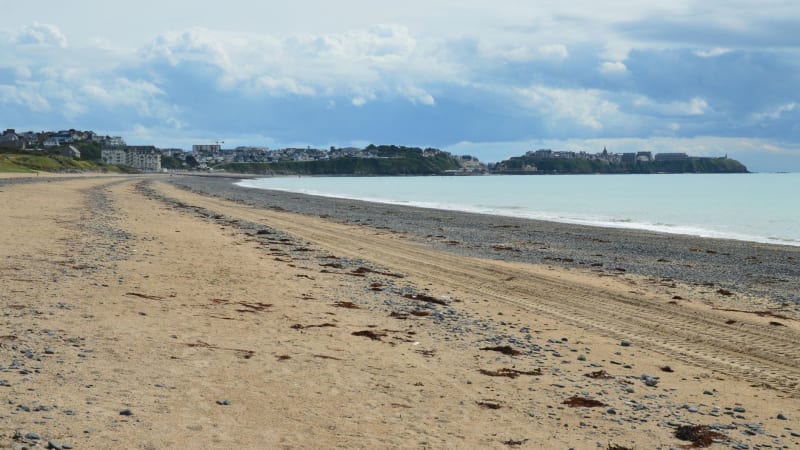
The concrete caissons of the artificial harbour built overnight in June 1944 still sit in the bay — the most extraordinary engineering ruin on any European beach.
Explore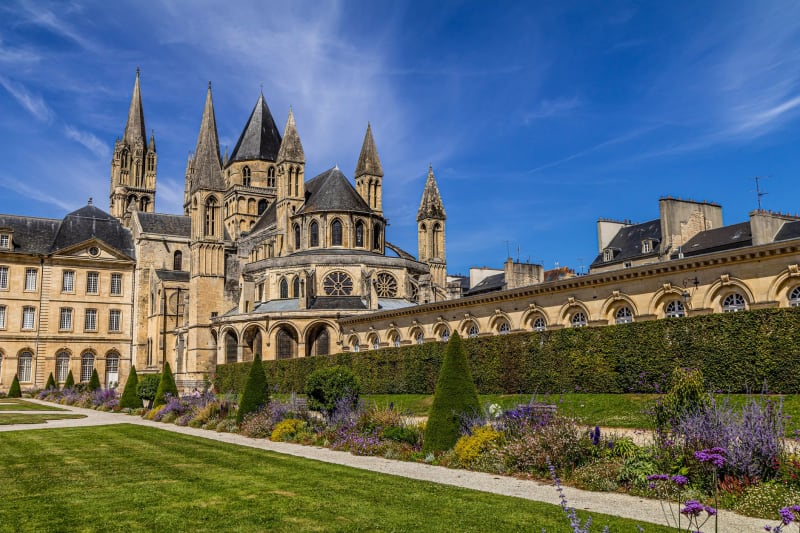 normandy
 Bayeux
An intact medieval town with a seventy-metre tapestry that rewrites what you thought you knew about the year 1066.
Explore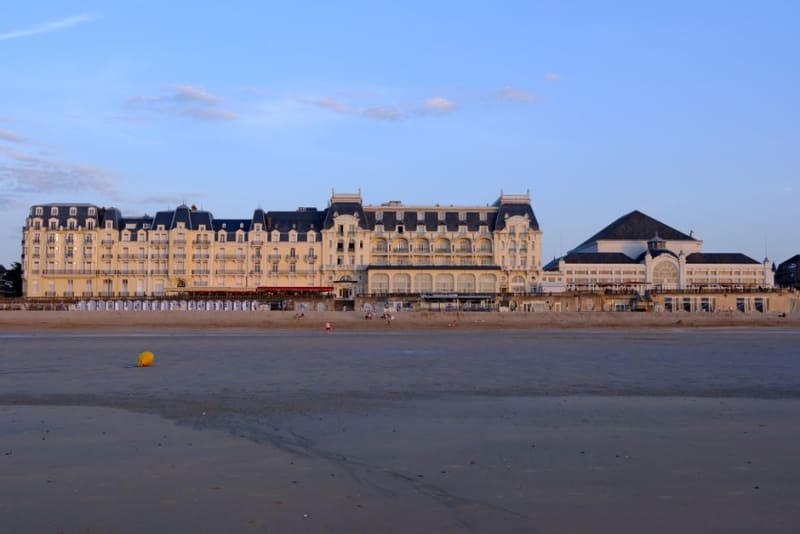 normandy
 Cabourg
A grand Belle Époque resort on the Normandy coast that Marcel Proust reimagined as the fictional Balbec in his novels.
Explore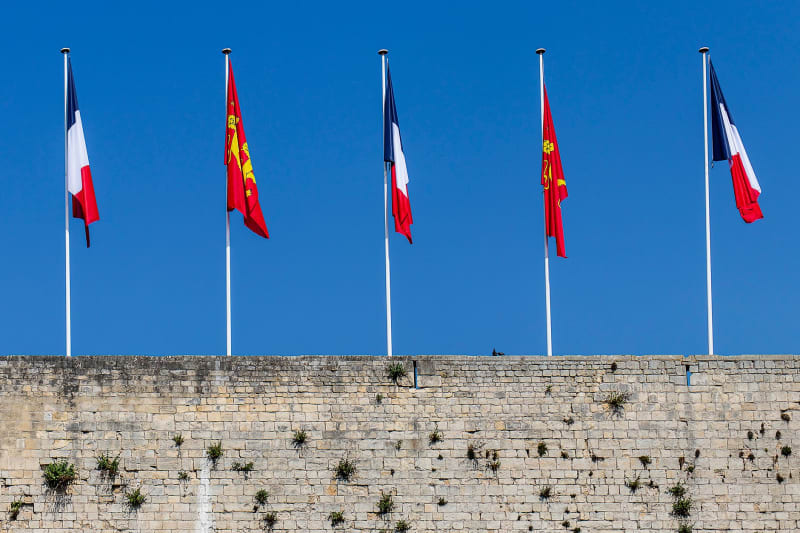 normandy
 Caen
William the Conqueror's capital was bombed to rubble in 1944 and rebuilt without self-pity — its Memorial is one of Europe's essential museums.
Explore normandy
 Colleville-sur-Mer
The American Cemetery above Omaha Beach — 9,387 white markers in rows so precise they carry their own form of grief.
Explore normandy
 Deauville
A Belle Époque resort on the Côte Fleurie where Parisian glamour meets the Channel tide, one wooden plank at a time.
Explore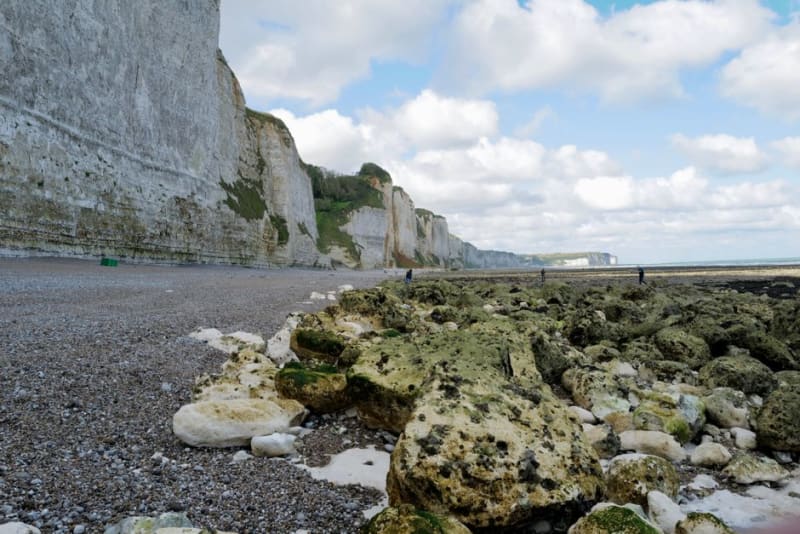 normandy
 Dieppe
A weathered cross-Channel port on the Normandy coast, marked by white chalk cliffs and the memory of the disastrous 1942 Allied raid.
Explore normandy
 Étretat
The chalk arches that drop into the Channel here have been painted a thousand times and still leave you wordless.
Explore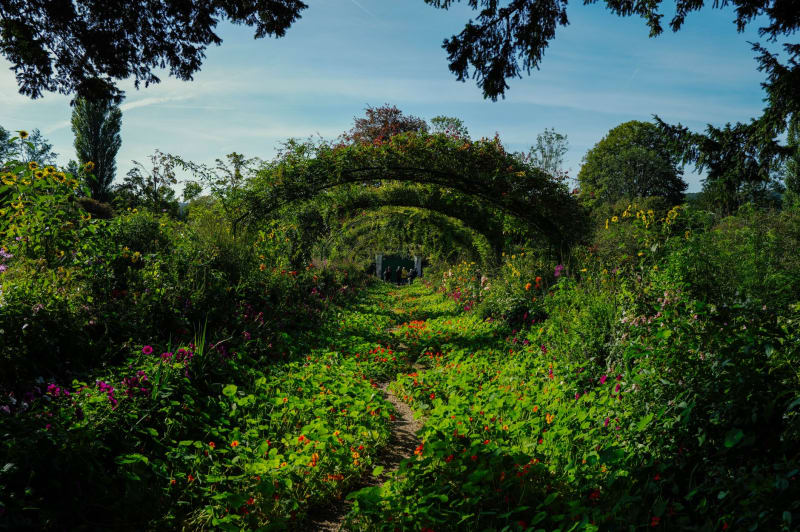 normandy
 Giverny
Monet's garden in the Eure valley, where the man spent forty years building the exact landscape he wanted to paint — and where, on a quiet morning, you can almost forgive the crowds.
Explore normandy
 Granville
A walled granite headland town on the western Cotentin coast where Christian Dior grew up and the tides still set the schedule for everything.
Explore normandy
 Honfleur
A harbour so perfectly preserved it looks like a stage set — except the oysters are real and the calvados is better than it has any right to be.
Explore normandy
 Mont-Saint-Michel
A medieval abbey on a tidal rock that still manages to astonish despite being on every calendar ever printed.
Explore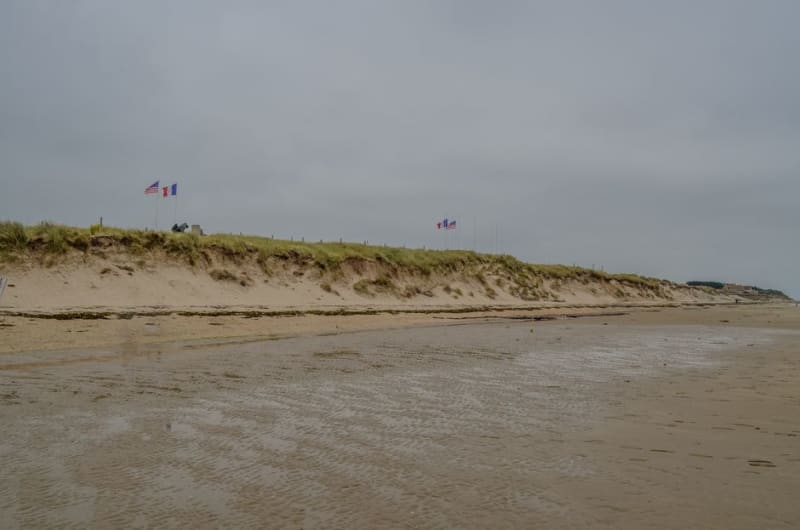 normandy
 Omaha Beach
A vast stretch of pale sand in Normandy where the weight of June 6, 1944 still presses into every quiet, wind-scoured morning.
Explore normandy
 Pays d'Auge
Apple orchards, bocage hedgerows, and the farmhouses where calvados and camembert were invented — Normandy's most delicious interior.
Explore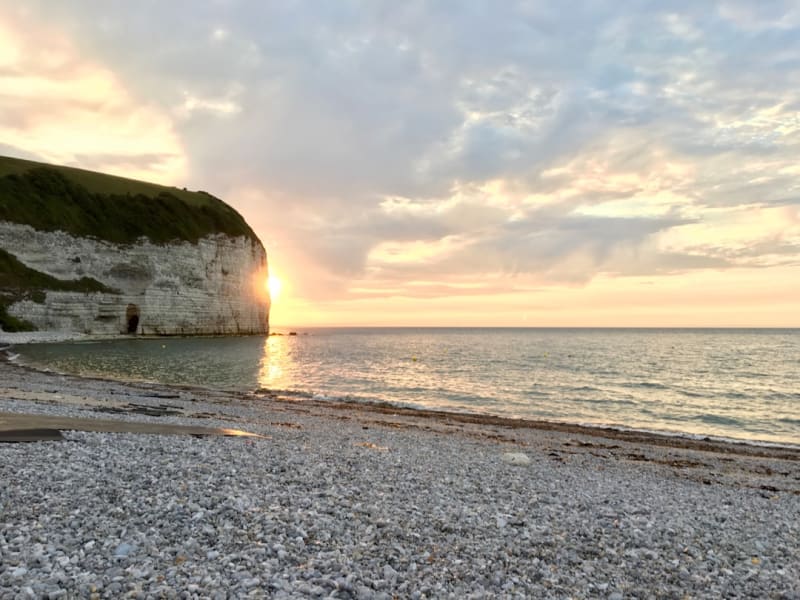 normandy
 Pointe du Hoc
A 30-meter cliff still scarred with craters, where American Rangers climbed under fire on D-Day and where the silence today feels almost unbearable.
Explore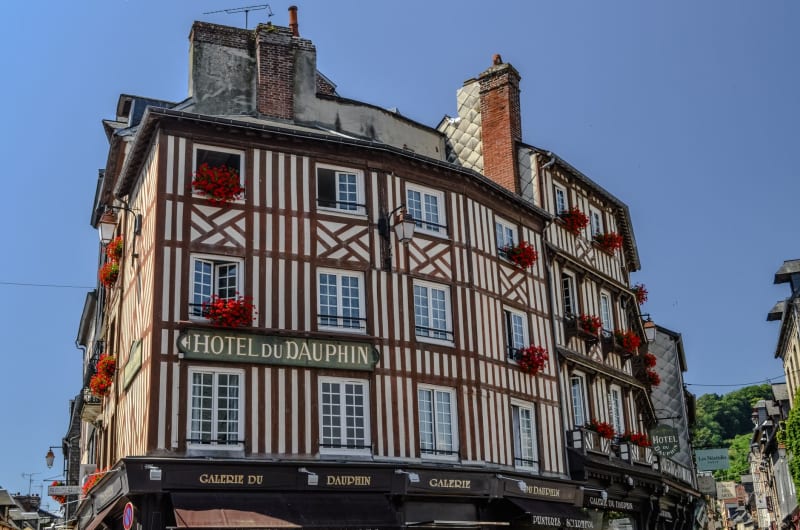 normandy
 Rouen
A Gothic cathedral Monet painted thirty times and streets of half-timbered houses that survived a war — Normandy's most underrated city.
Explore