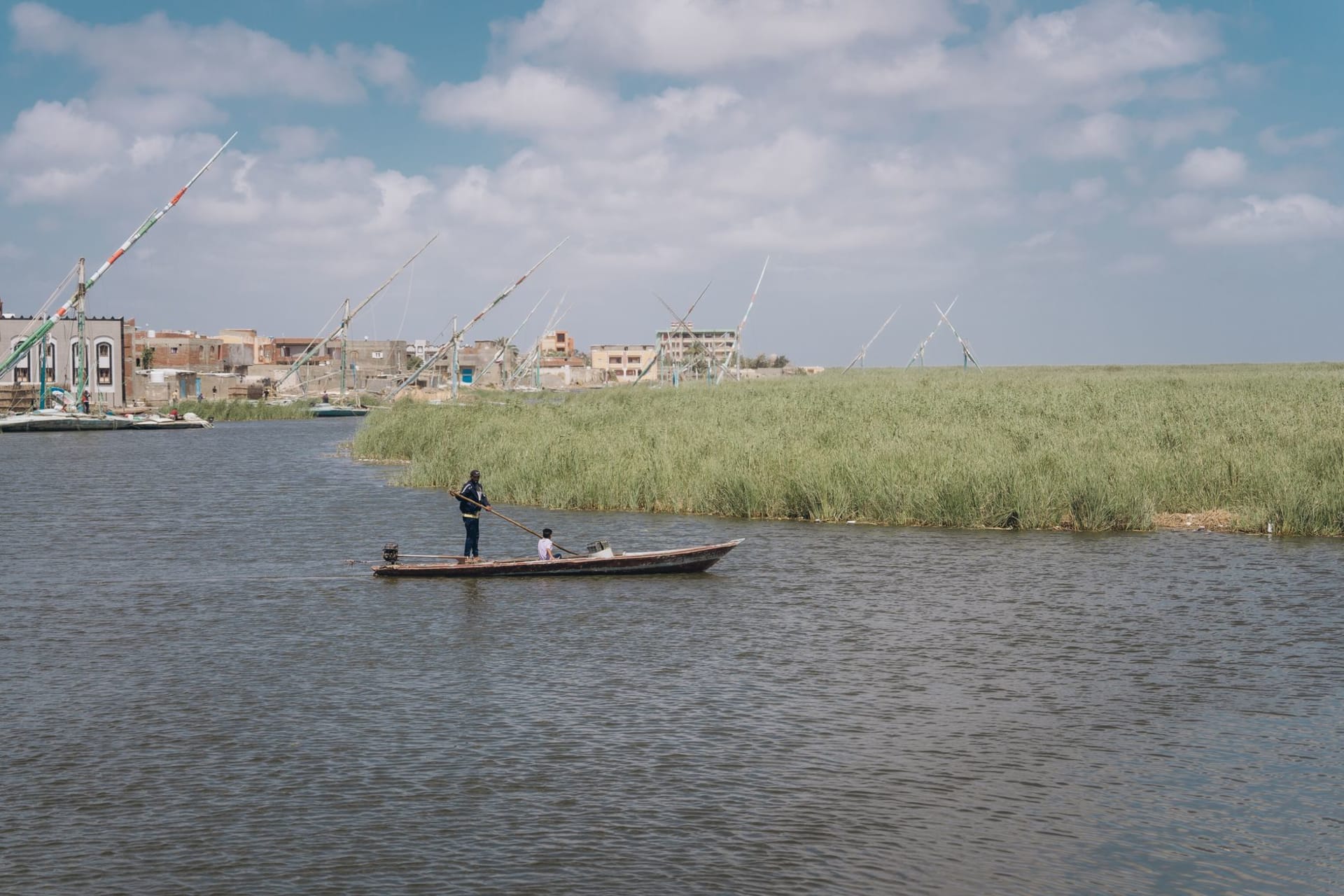
Tanta
"A million people came to pray and eat and celebrate and I was lost in all of it, which felt exactly right."
The beating agricultural heart of the Delta, a cotton-and-clover city that erupts each October into Egypt's largest moulid — a million pilgrims and the smell of sugarcane.

I timed my visit to Tanta by accident. I had intended to pass through on my way south, but the microbus driver in Mansoura mentioned in passing that the moulid was starting this week, and I asked him what moulid, and he looked at me with the expression of someone who has discovered an enormous gap in another person’s education. The moulid of Sayed Ahmed el-Badawi is the largest religious festival in Egypt, possibly in the Arab world, drawing something between one and two million pilgrims each October to honor the thirteenth-century Sufi saint whose shrine sits at the center of Tanta. I did not know any of this. I got off the bus with my bag and walked into a city that was in the process of becoming a different version of itself.

The city center was layered with sound — Sufi chanting from speakers mounted on poles, car horns, the percussion of street vendors banging spoons against their pots to announce their wares, children crying, a man reciting something from the Quran into a microphone at high volume from an unseen location. The smells were extraordinary: roasted nuts, sugarcane juice pressed on the spot, attar of rose from stalls selling small glass vials, grilling meat, incense from the direction of the mosque. I moved through it all at walking speed, unable to go faster because of the crowds, and this slowness turned out to be exactly what the experience required. You cannot rush a moulid. The moulid processes at its own pace and you simply move with it.
The food during moulid week is its own category. Halawet el-moulid — sweets specific to this festival — appear on every corner: sesame candy, sugar-dusted chickpeas, dense molasses-dark halva, and something called basbousa that is semolina and honey and takes effort to stop eating. There are also stalls selling enormous pots of ful — fava beans slow-cooked with cumin and garlic — which is eaten standing up with bread torn from a round loaf, dipped and eaten in a single motion. I ate this twice in one morning and felt capable of anything.

Outside the moulid weeks, Tanta is a different kind of city — quieter, more commercial, an agricultural hub where cotton and clover and rice flow through on their way to the markets. The central square is large and a little windswept; the old cafes along the main street are full of retired men and young men equally, separated by generation and united by the same small glasses of tea. The mosque of Sayed Ahmed el-Badawi is beautiful at any time — its green-tiled dome visible from most of the city center — and the quiet around it outside of festival season carries its own specific weight.
When to go: The moulid of Sayed Ahmed el-Badawi falls over three weeks culminating in mid-October, with the peak week varying by Islamic calendar year. If the crowds and noise and spiritual intensity of Egypt’s largest festival is what you want, plan around this. If you prefer the city without a million pilgrims, come in November or March, when the Delta weather is mild and the city itself is the only show.
Keep exploring
More from Nile Delta
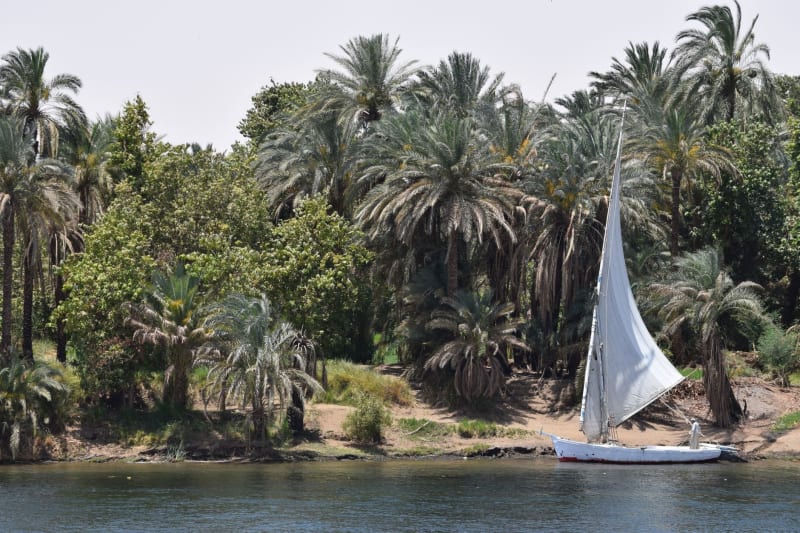 nile-delta
 Zagazig
The eastern Delta city built beside ancient Bubastis, where cats were sacred and the ruins of a great temple lie scattered among the traffic and cotton warehouses.
Explore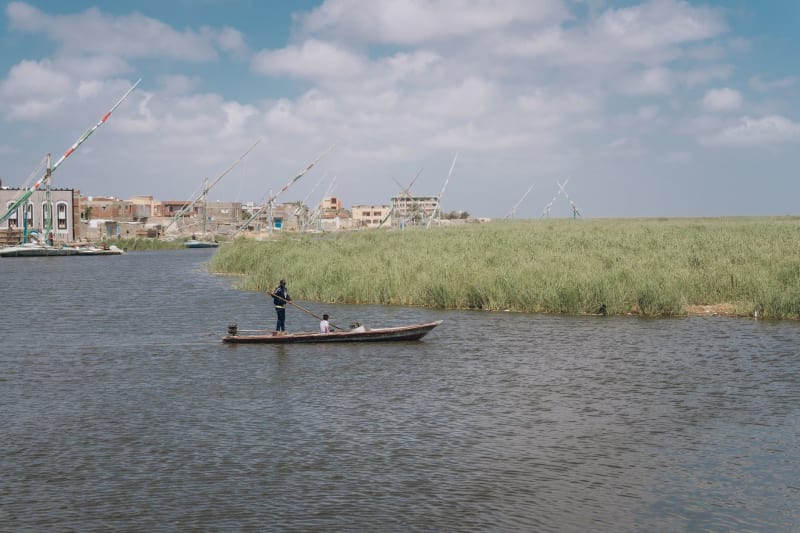 nile-delta
 Abu Mena
A UNESCO early Christian pilgrimage site in the desert west of Alexandria where the ruins of a Byzantine basilica sink slowly back into the earth they rose from.
Explore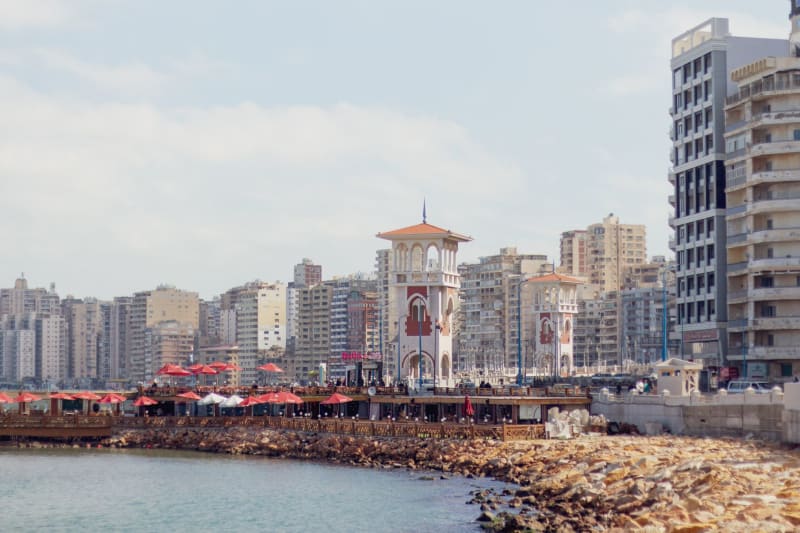 nile-delta
 Alexandria
A Mediterranean city haunted by its own legend, where Greco-Roman ruins meet crumbling belle époque and the sea never lets you forget what was lost.
Explore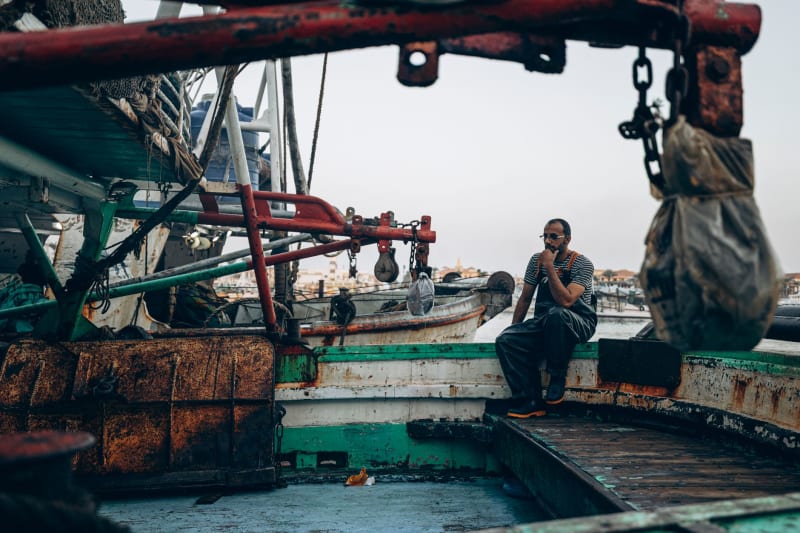 nile-delta
 Damietta
A port city at the Nile's eastern mouth where the furniture workshops never stop and the morning fish markets smell like the sea before the sea arrives.
Explore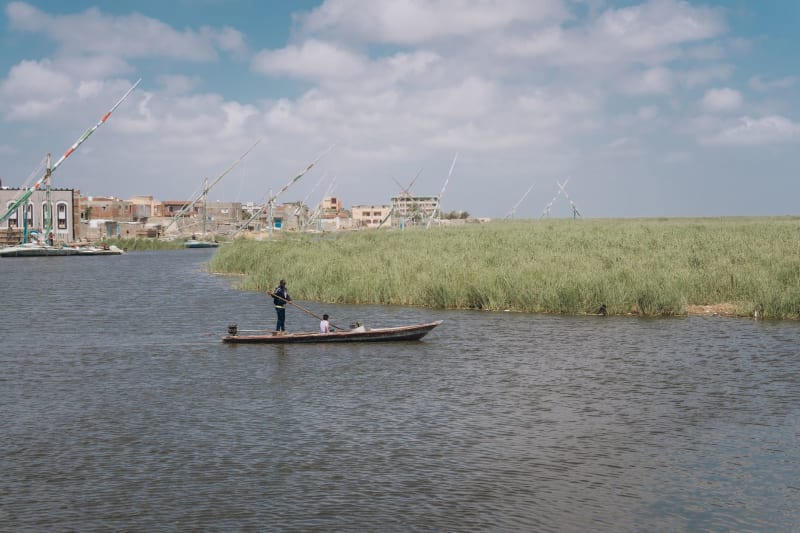 nile-delta
 Kafr el-Sheikh
The unhurried provincial capital at the Delta's green heart, where rice paddies run to every horizon and the rhythm of the agricultural year is visible in the streets.
Explore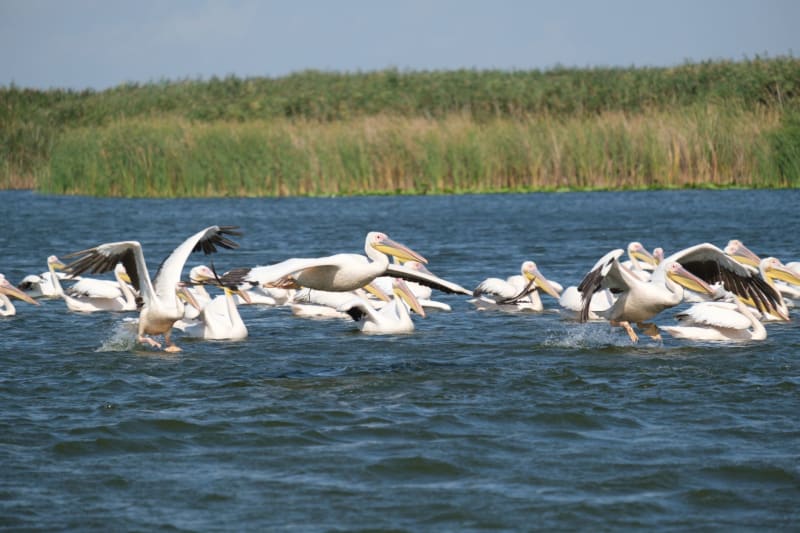 nile-delta
 Lake Manzala
A vast brackish lagoon between the Nile and the Suez Canal where flamingos stand in shallows and fishing families have lived on reed islands for generations.
Explore