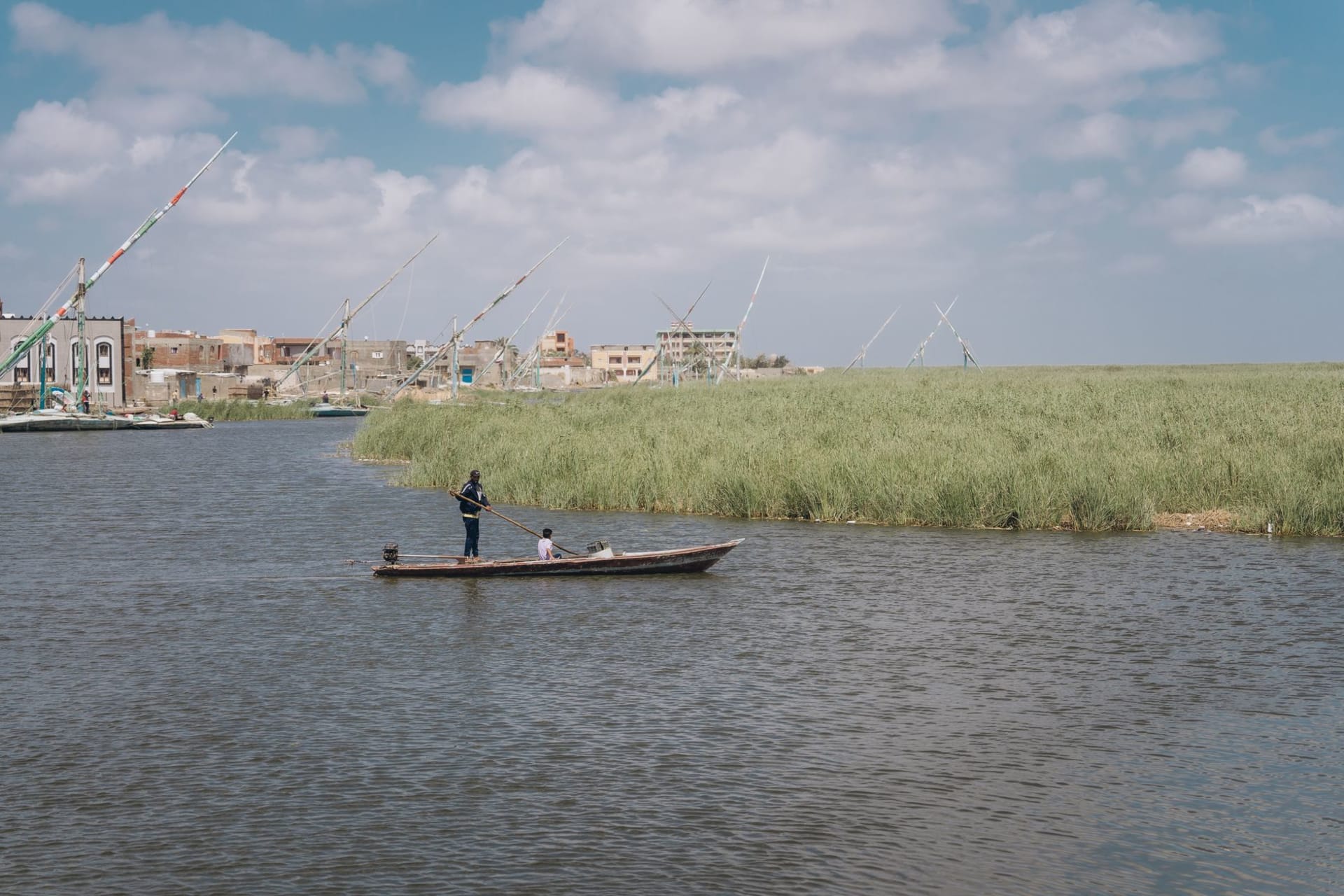
Abu Mena
"They built this for a saint and a million pilgrims came. Now it is very quiet, and the quiet has a different quality than other quiets."
A UNESCO early Christian pilgrimage site in the desert west of Alexandria where the ruins of a Byzantine basilica sink slowly back into the earth they rose from.

I got to Abu Mena by taxi from Alexandria, an hour west through the coastal desert on a road that runs between the dunes and the salt flats of Lake Mariout. The driver had done this trip before for curious foreigners and said nothing the entire way, which suited me because I wanted to arrive at a UNESCO World Heritage Site that nobody visits in the right frame of mind, which is to say not thinking about other UNESCO World Heritage Sites at all. Abu Mena was one of the most important pilgrimage sites in the early Christian world. Saint Menas, an Egyptian soldier martyred in the third century, was buried here, and the miracles attributed to his tomb drew pilgrims from across the Mediterranean — from Rome, Constantinople, Spain, Syria, Ethiopia. By the fifth century, the Emperor Arcadius had built a basilica here of extraordinary size, and a whole city had grown up around the shrine.
What stands now is the absence of what stood. The basilica is on the UNESCO endangered list not because of conflict or neglect but because of groundwater — the water table in this part of the coastal desert has been rising since the construction of the High Dam at Aswan changed the hydrology of the entire Nile basin, and the ground beneath the ruins has been slowly liquefying, causing the ancient stones to tilt and sink. You can see this happening. Columns lean at gentle angles. Floor mosaics that were horizontal a decade ago are now slightly canted. The ruins are being swallowed from below in geological slow motion, and there is apparently no engineering solution that doesn’t cost more than anyone is willing to spend.
I walked through the site with a site guardian named Ibrahim who carried an enormous ring of keys that opened nothing — all the doors being long gone — but seemed to serve as a talisman for his authority in the empty space. He showed me the baptistery, still roofed by a partial dome, where light fell through a crack in the masonry in a single hard shaft onto a stone floor. He showed me the pilgrim hostels, long rectangular rooms where thousands of travelers had once slept. He pointed out the columns imported from Alexandria — identifiable by their distinctive marble — standing in a field of desert sand and local stone. His Arabic was Alexandrian and I caught about half of it, but the site communicated the rest on its own terms.

The ampullae — small flasks of holy oil from Saint Menas’s shrine — were among the most widely distributed pilgrim souvenirs of late antiquity. They have been found in archaeological sites from England to Persia. Millions were made and carried home by pilgrims who came here to touch the saint’s tomb and fill a small container with the miraculous oil and then walk back out into the desert and across the Mediterranean. I thought about this standing in what had been the nave of the great basilica, looking at the slanting columns and the creeping sand, and found it impossible to feel anything other than the gravity of accumulated human longing concentrated in one flat patch of Egyptian desert.
When to go: October through April. The site is open year-round but the summer heat in this coastal desert is debilitating — there is no shade and the white sand reflects heat upward from below as well. A morning visit in November or December, when the light on the desert ruins goes golden within an hour of sunrise, is the ideal.
Keep exploring
More from Nile Delta
 nile-delta
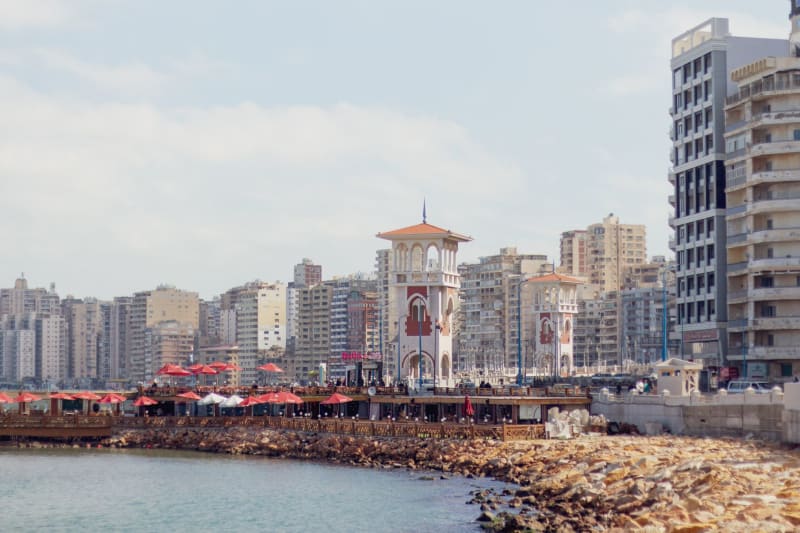
 Alexandria
A Mediterranean city haunted by its own legend, where Greco-Roman ruins meet crumbling belle époque and the sea never lets you forget what was lost.
Explore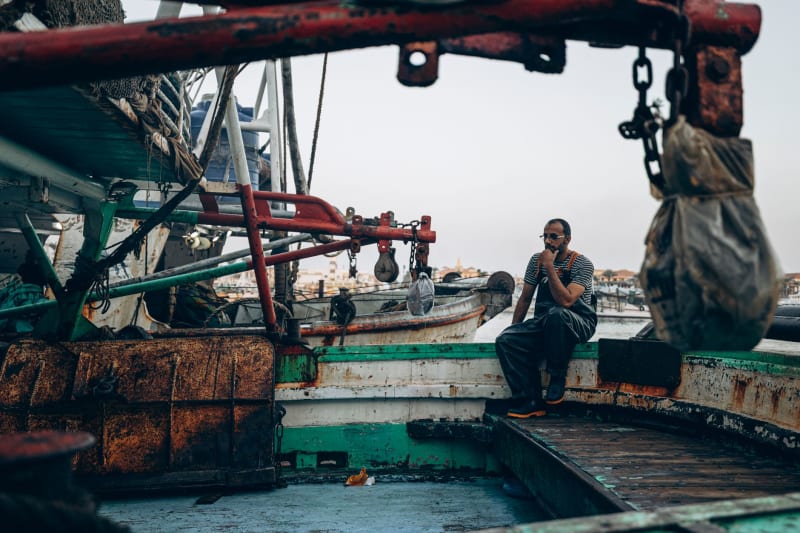 nile-delta
 Damietta
A port city at the Nile's eastern mouth where the furniture workshops never stop and the morning fish markets smell like the sea before the sea arrives.
Explore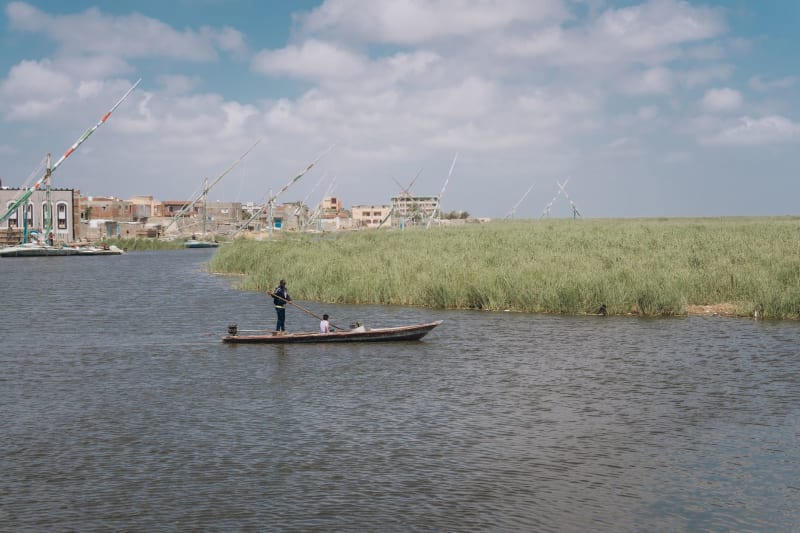 nile-delta
 Kafr el-Sheikh
The unhurried provincial capital at the Delta's green heart, where rice paddies run to every horizon and the rhythm of the agricultural year is visible in the streets.
Explore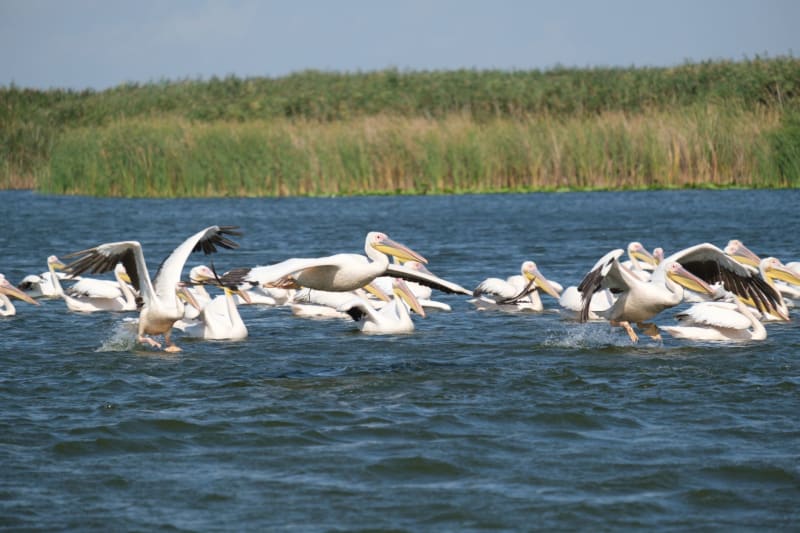 nile-delta
 Lake Manzala
A vast brackish lagoon between the Nile and the Suez Canal where flamingos stand in shallows and fishing families have lived on reed islands for generations.
Explore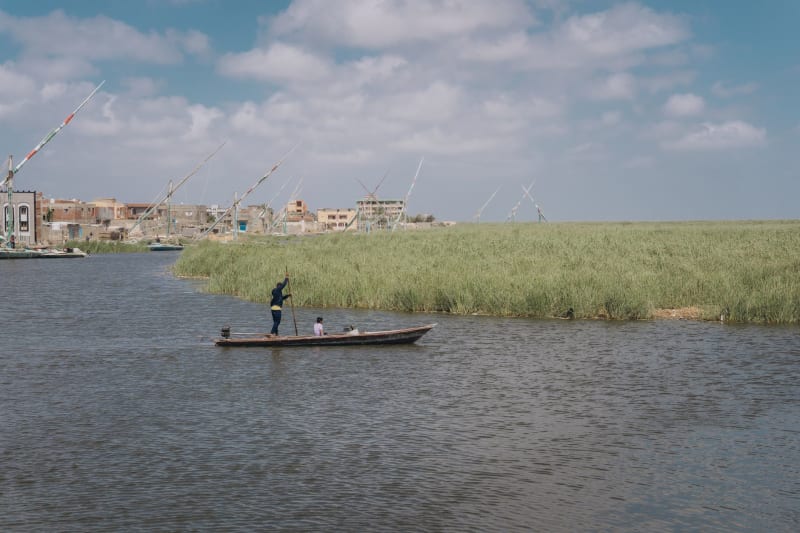 nile-delta
 Mansoura
A university city on the Damietta branch of the Nile where a medieval battle changed the course of the Crusades and student life floods the streets every evening.
Explore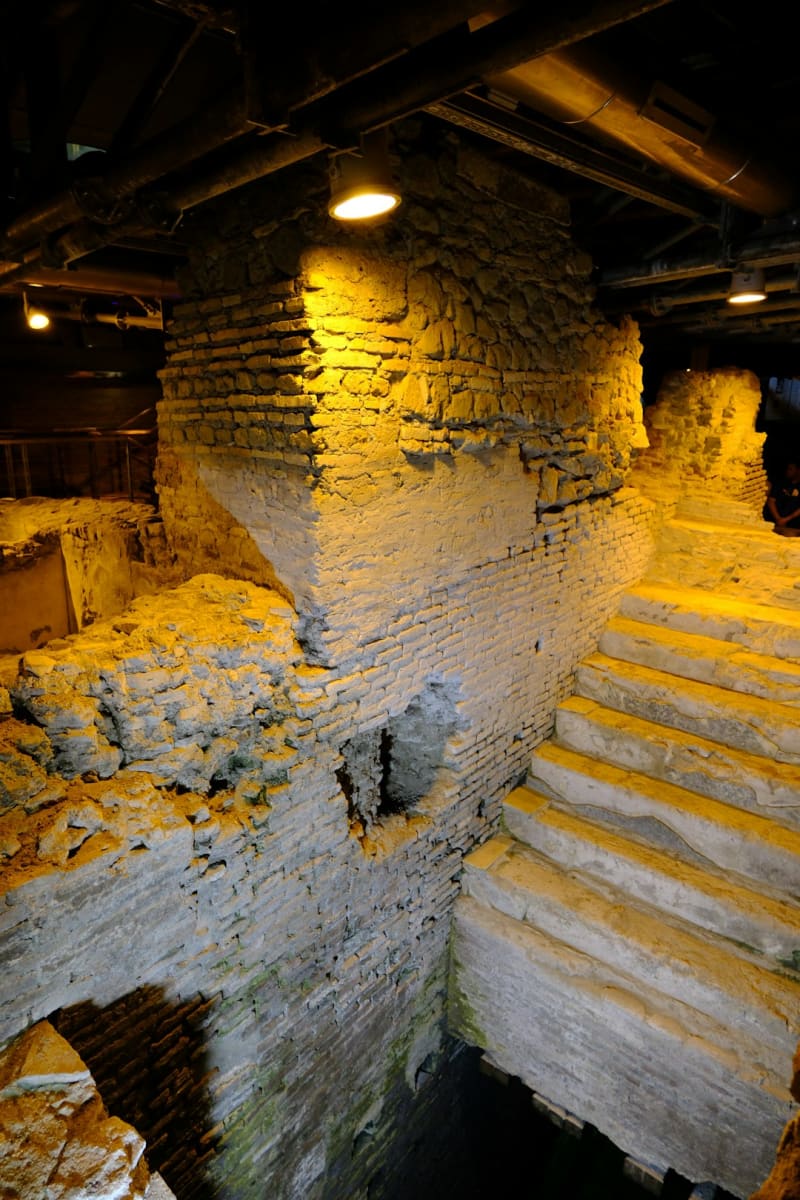 nile-delta
 Naucratis
A vanished Greek trading port buried in Delta silt, where broken pottery still whispers of merchants from Miletus and Samos.
Explore