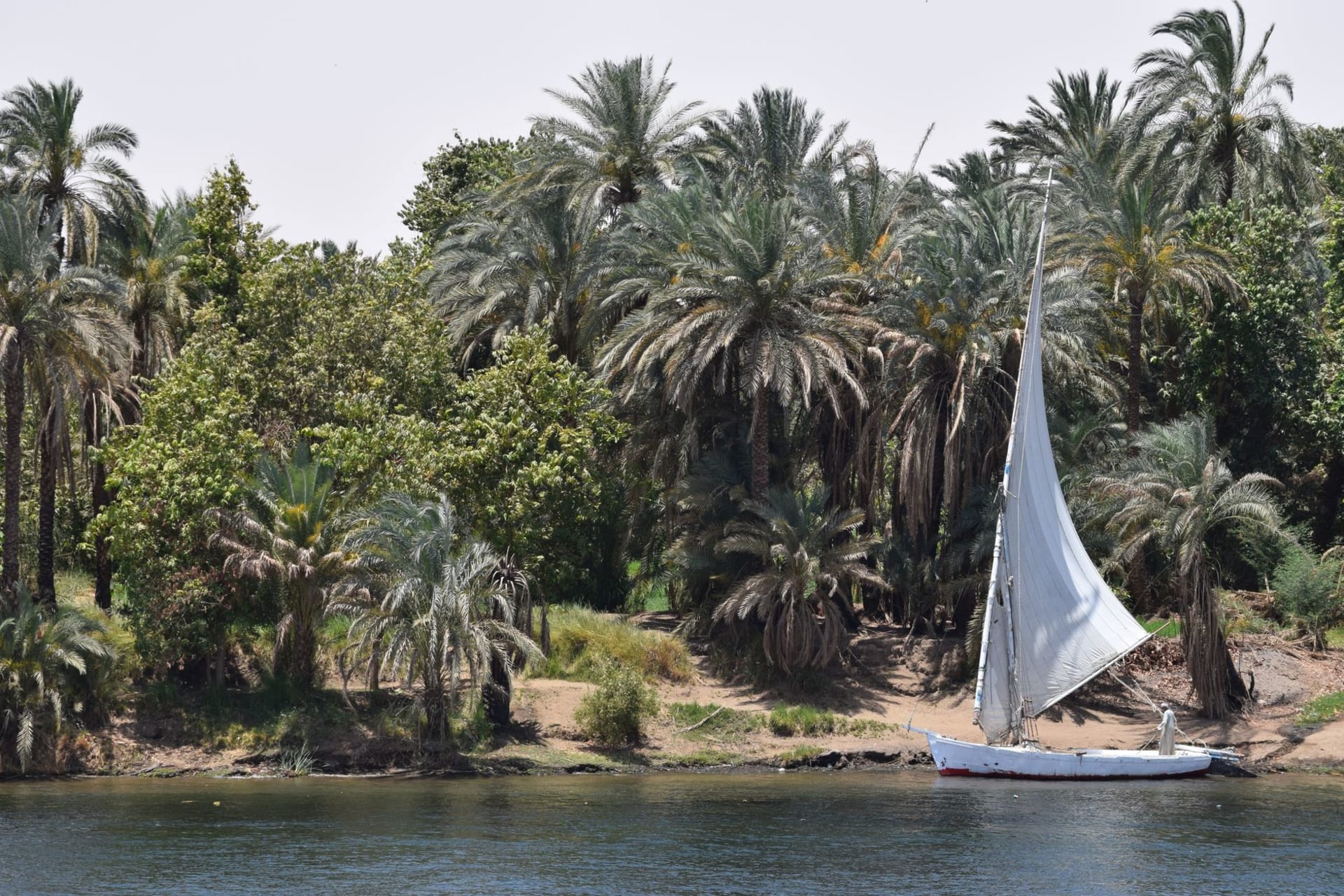
Zagazig
"The goddess of cats had her temple here. The cats are still everywhere. Some things persist."
The eastern Delta city built beside ancient Bubastis, where cats were sacred and the ruins of a great temple lie scattered among the traffic and cotton warehouses.

I reached Zagazig in the middle of the afternoon and everything felt slightly overlaid, the modern city transparent enough that the ancient one showed through at odd angles. This is not a metaphor — Bubastis, the ancient city of the cat goddess Bastet, sits directly beneath and adjacent to Zagazig, and for much of the nineteenth and twentieth centuries, temple stones were simply incorporated into the walls of new buildings or used as fill in construction projects. What survives is scattered in an open-air site on the edge of town where red granite blocks the size of refrigerators lie in the dust with the casualness of things that have been lying there for three thousand years.

The Bubastis Archaeological Site is not particularly well maintained or well signed. This is half its appeal. I arrived and found a gatekeeper who charged a small fee and then wandered off to make tea, leaving me alone in the site with a group of goats who had found a gap in the fence and clearly regarded the ruins as their property. The granite blocks are extraordinary — deep red, heavily carved, with hieroglyphs still sharp after thirty centuries. These are blocks from a temple that Herodotus called the most beautiful in Egypt. Herodotus visited in the fifth century BC and was apparently impressed enough to describe the annual festival of Bastet, which he claimed attracted more pilgrims than any other festival in Egypt. I walked among the blocks in the warm afternoon while the goats observed me and thought about continuity — how three thousand years ago people came here in enormous numbers for a festival, and how twenty kilometers away in Tanta they still do.
The modern city of Zagazig is a commercial and agricultural hub without many tourist pretensions, which makes it a pleasure to navigate. The central market sells cotton textiles, spices, and agricultural tools in roughly equal quantities. The tea stalls operate on a system where the tea is delivered to wherever you have found to sit — a wall, a stool, the steps of a closed shop — and collected later by small boys who balance multiple glasses on a tray with improbable grace.

The regional museum in Zagazig holds some of what was excavated from Bubastis before it was further disturbed — bronze cat figurines of the sort that were left as votive offerings to Bastet, small amulets, grave goods. The attendant who let me in spoke no English but conveyed, through a combination of gestures and enthusiasm, that the small bronze cats were his personal favorites and that I should look at them for longer than I had been. He was right. They are extraordinary — each one slightly different, some with earrings of inlaid gold, each sitting with the particular self-contained dignity that cats have maintained across every civilization that has ever tried to understand them.
When to go: October through April. Zagazig is a working city with no tourist season as such — any time of year outside of summer will serve you. If you want to combine it with the Tanta moulid, it is only 40 kilometers west and easily done in a day.
Keep exploring
More from Nile Delta
 nile-delta
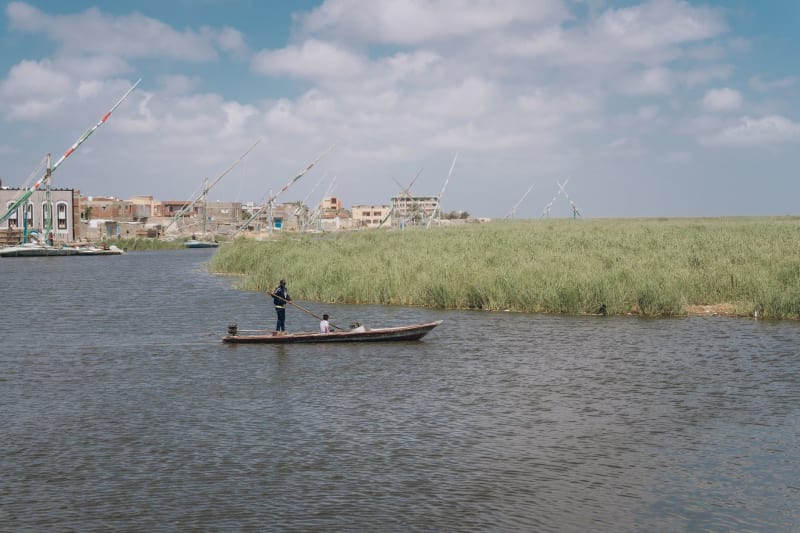
 Abu Mena
A UNESCO early Christian pilgrimage site in the desert west of Alexandria where the ruins of a Byzantine basilica sink slowly back into the earth they rose from.
Explore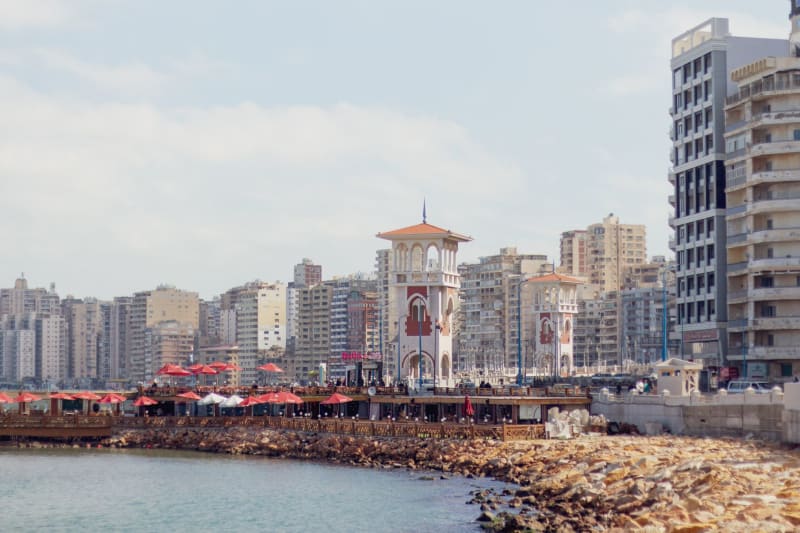 nile-delta
 Alexandria
A Mediterranean city haunted by its own legend, where Greco-Roman ruins meet crumbling belle époque and the sea never lets you forget what was lost.
Explore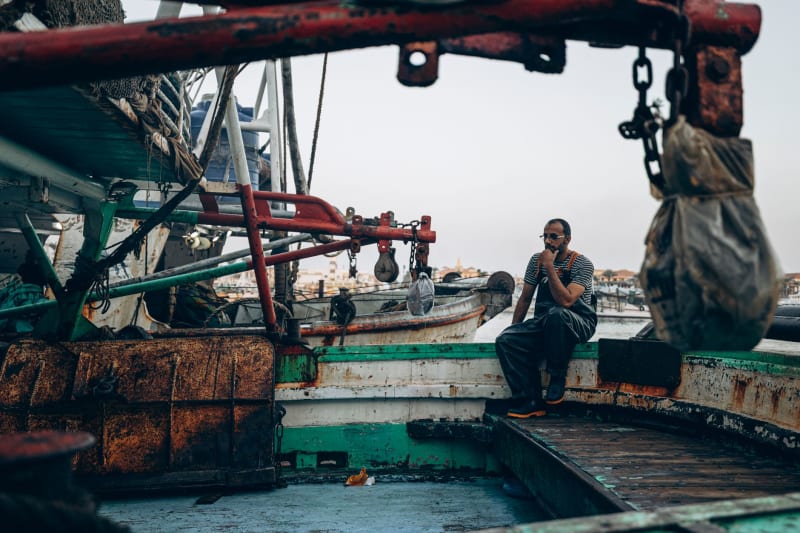 nile-delta
 Damietta
A port city at the Nile's eastern mouth where the furniture workshops never stop and the morning fish markets smell like the sea before the sea arrives.
Explore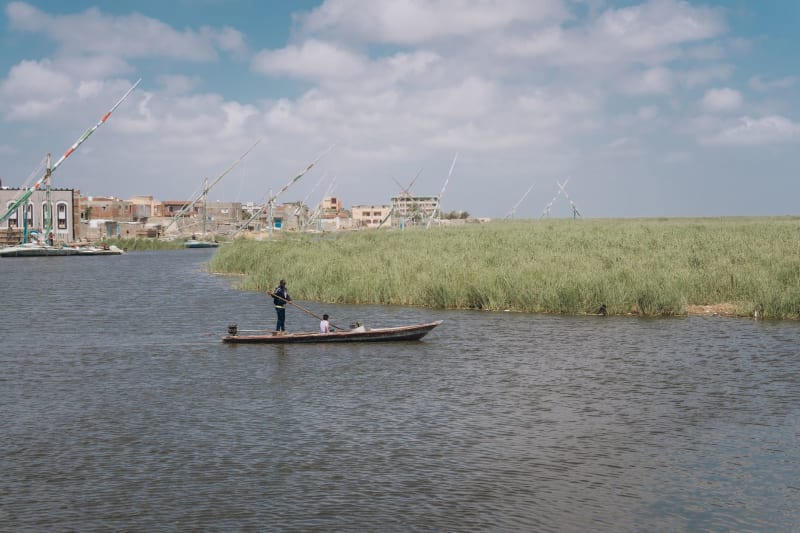 nile-delta
 Kafr el-Sheikh
The unhurried provincial capital at the Delta's green heart, where rice paddies run to every horizon and the rhythm of the agricultural year is visible in the streets.
Explore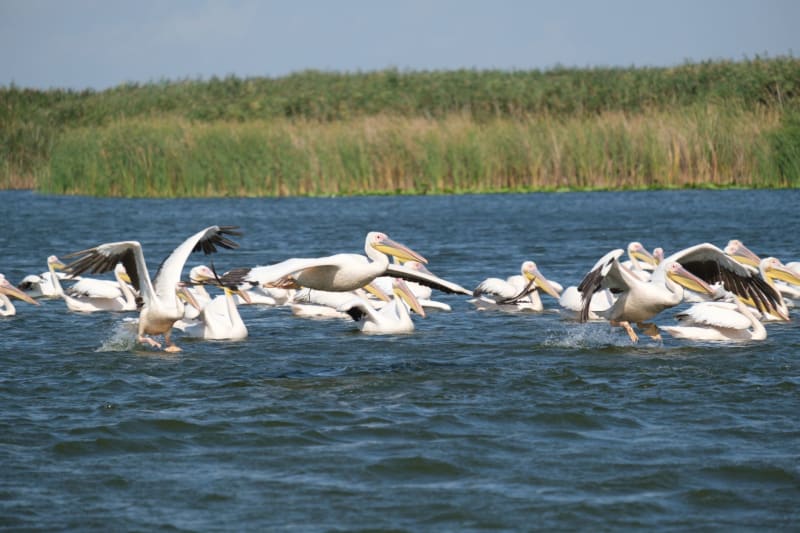 nile-delta
 Lake Manzala
A vast brackish lagoon between the Nile and the Suez Canal where flamingos stand in shallows and fishing families have lived on reed islands for generations.
Explore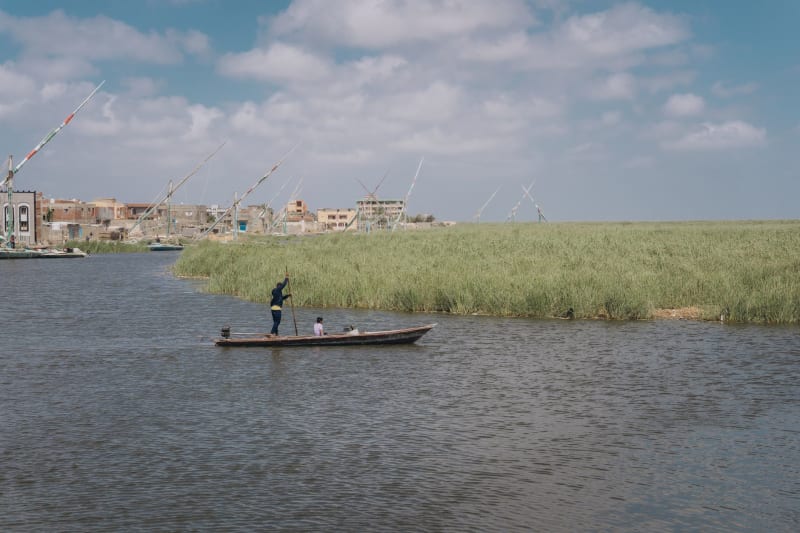 nile-delta
 Mansoura
A university city on the Damietta branch of the Nile where a medieval battle changed the course of the Crusades and student life floods the streets every evening.
Explore