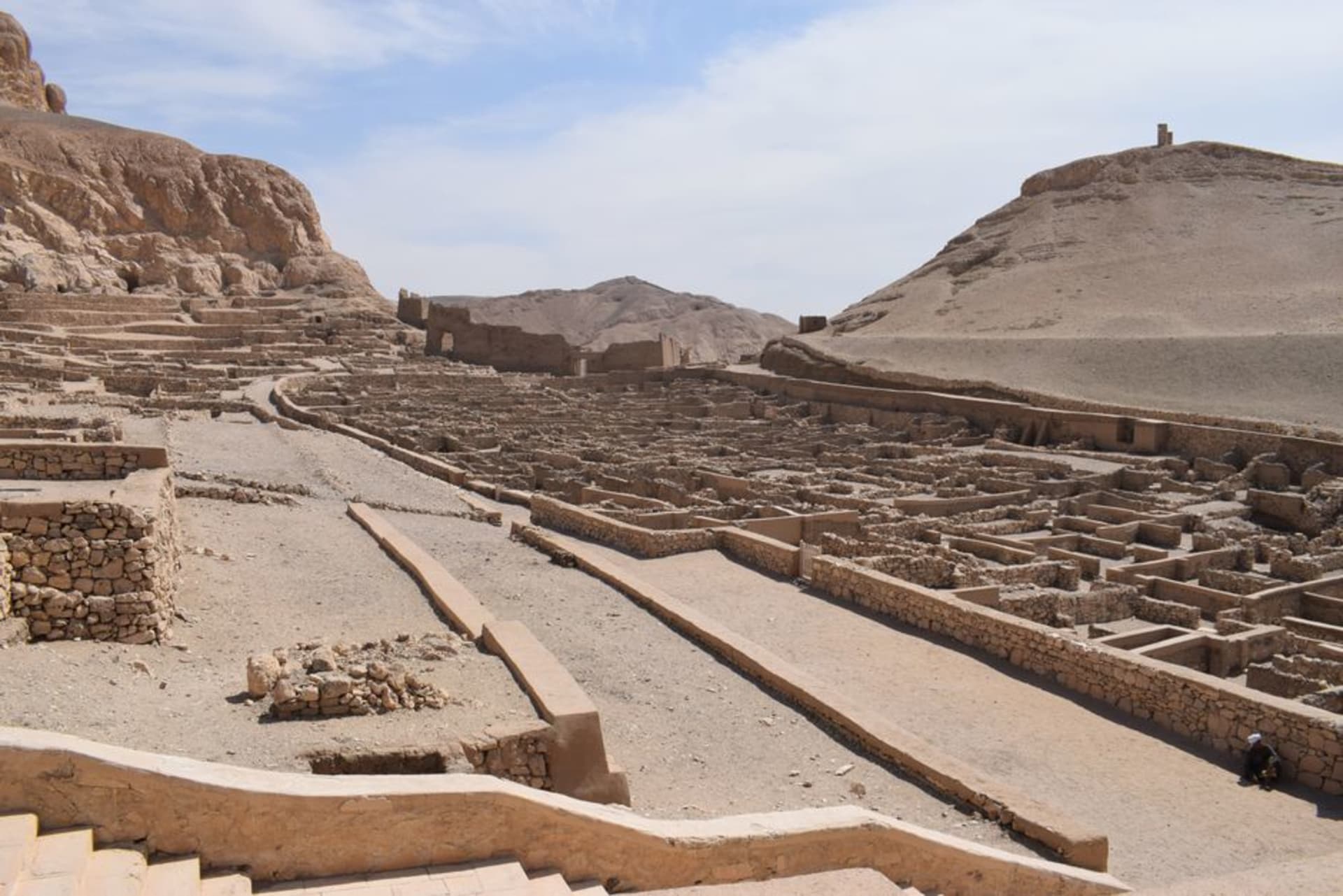
Sais (Sa el-Hagar)
"We came looking for a capital and found a cornfield — that's when I understood what erasure really looks like."
A vanished capital in the western Delta, where a lake of lamps once burned for Neith and only silence remains.
I’ll be honest, Lia and I almost turned the car around before we got there. Sa el-Hagar doesn’t announce itself the way Luxor or even Tanis does — no ticket booth, no rows of tour buses, just a dusty turnoff past Kafr el-Sheikh and a village that seemed unaware it was sitting on top of one of the most important cities in Egyptian history. For two centuries, from 664 to 525 BC, this was Sais, capital of the 26th Dynasty and the beating heart of the Saite Period — the last great flowering of native Egyptian art and administration before the Persians arrived. Herodotus came here too, centuries after its founding but while it still stood proud, and wrote about a temple precinct dedicated to Neith and an annual Festival of Lamps that apparently lit up the whole city in a way he clearly found unforgettable. I kept thinking about that as we walked the mounded earth: an entire town glowing at night, and now not even a wall standing to catch the sunset.
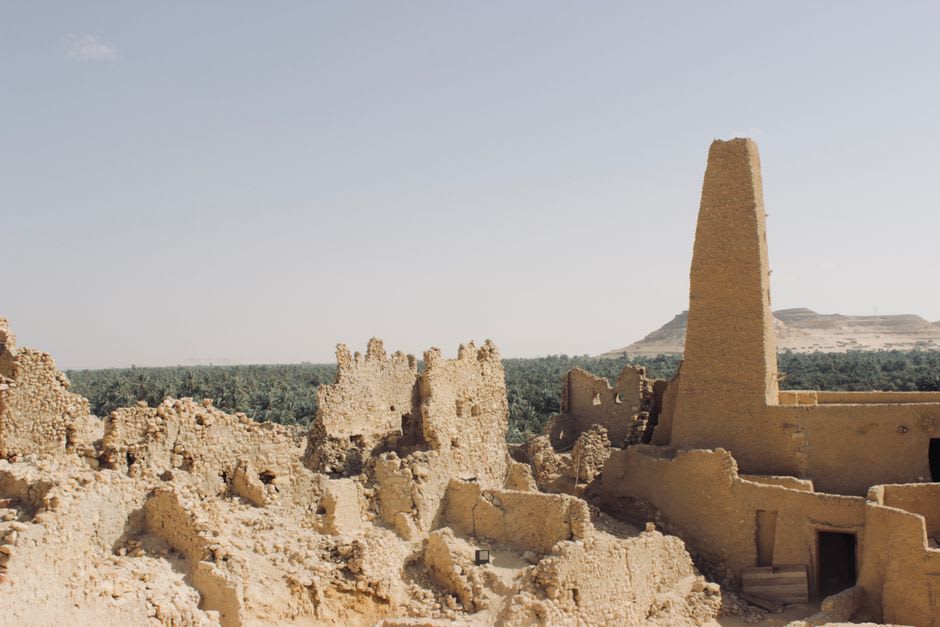
That’s really the strange gift of Sais — there is almost nothing to see, and that absence says more than a full temple could. Later rulers, right up through the nineteenth century, quarried this site mercilessly for its stone, hauling away blocks that had once framed Neith’s sanctuary to build other things entirely. Lia, who has more patience for this kind of archaeological faith than I do, kept pointing out low mounds and telling me to imagine pylons, imagine a sacred lake, imagine crowds. I needed the guide’s sketches to see it. What’s genuinely exciting, though, is what’s not visible at all: geophysical surveys and underwater work in recent years have mapped extensive temple foundations and confirmed that sacred lake beneath the modern fields, proving Herodotus wasn’t exaggerating even if the Egyptians who came after him didn’t feel much need to preserve his source material.
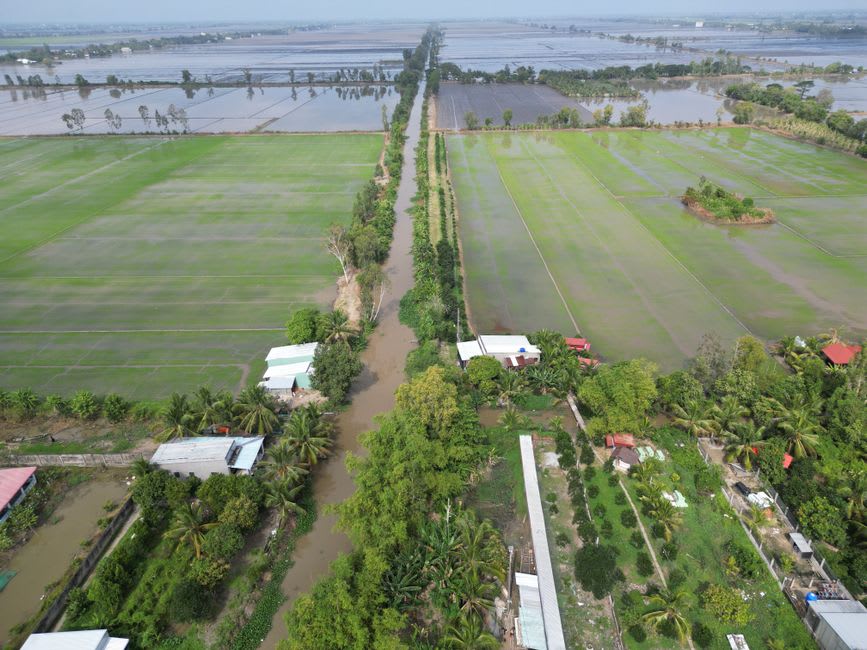
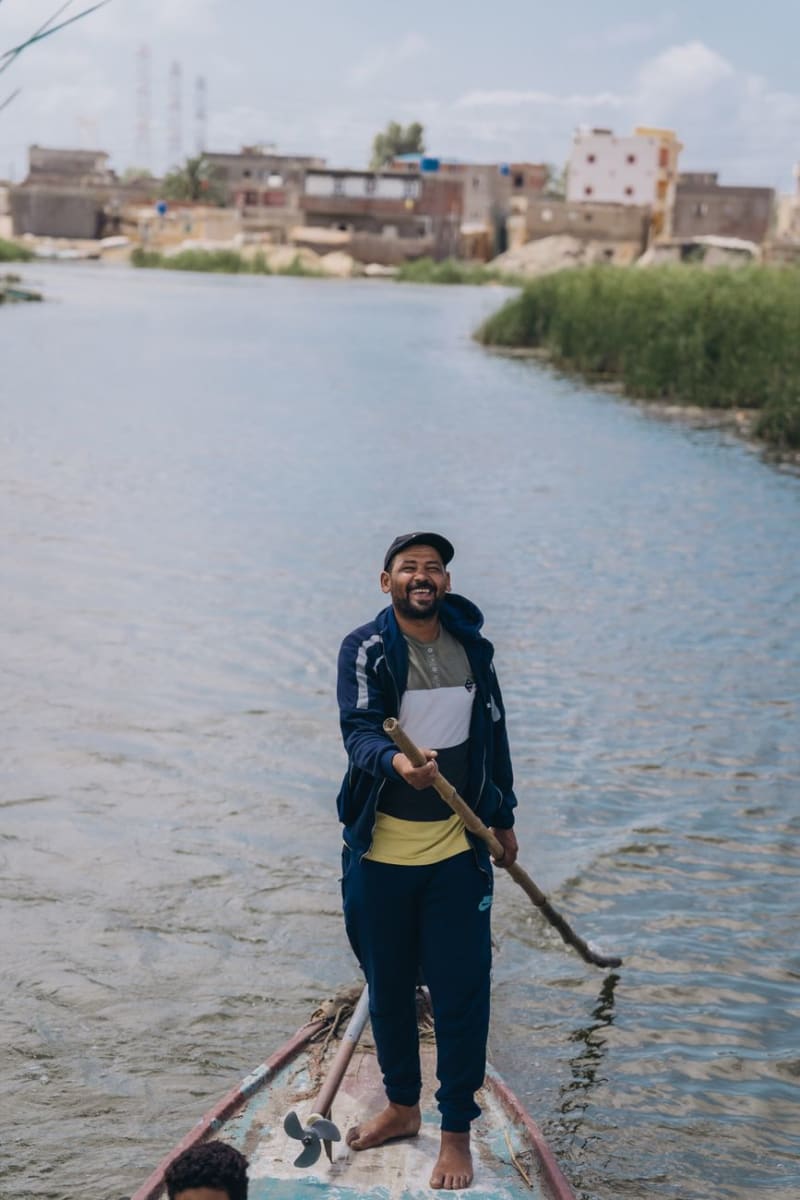
We ate lunch afterward in Kafr el-Sheikh, some grilled fish and rice at a plastic-table place that clearly saw more farmers than foreigners, and I remember feeling almost giddy about how obscure the whole morning had been. No other visitors, no souvenir stalls — just us, a very patient local guide named Sameh who knew the survey maps better than most books do, and a village going about its day on top of a city that once named an entire era of Egyptian art. If you care about the Saite Period at all, or just want to stand somewhere that forces you to fill in the blanks yourself, Sais does something the polished sites can’t.
When to go: Come between November and March, when the Delta’s heat and humidity ease off — this is farmland with almost no shade, and the mounds are far more bearable to explore in cooler air.
Keep exploring
More from Nile Delta
 nile-delta
 Tanis
A sprawling, half-forgotten field of fallen colossi and royal tombs in the northeastern Delta — the city Hollywood made famous and almost nobody actually visits.
Explore nile-delta
 Tanta
The beating agricultural heart of the Delta, a cotton-and-clover city that erupts each October into Egypt's largest moulid — a million pilgrims and the smell of sugarcane.
Explore nile-delta
 Zagazig
The eastern Delta city built beside ancient Bubastis, where cats were sacred and the ruins of a great temple lie scattered among the traffic and cotton warehouses.
Explore nile-delta
 Abu Mena
A UNESCO early Christian pilgrimage site in the desert west of Alexandria where the ruins of a Byzantine basilica sink slowly back into the earth they rose from.
Explore nile-delta
 Alexandria
A Mediterranean city haunted by its own legend, where Greco-Roman ruins meet crumbling belle époque and the sea never lets you forget what was lost.
Explore nile-delta
 Damietta
A port city at the Nile's eastern mouth where the furniture workshops never stop and the morning fish markets smell like the sea before the sea arrives.
Explore