
Rosetta (Rashid)
"The stone that unlocked ancient Egypt was found here, and then they shipped it to London. The town stayed, quiet and entirely itself."
The quiet Nile town where a stone changed everything and almost no one visits — Ottoman merchants' houses still stand with mashrabiyya screens over the river.

The bus dropped me at a junction on the edge of Rosetta at mid-morning and I walked the last kilometer into town through a neighborhood of mechanics and spare-parts shops that felt absolutely continuous with the sixteenth century underneath all its modernity — the same narrow lanes, the same river wind, the same light coming in at the same angle off the Nile. Rosetta sits at the point where one of the two main branches of the Nile meets the Mediterranean, and that geographical fact has made it quietly important for a thousand years. The Rosetta Stone was found here in 1799, deciphered, and taken to London, where it still sits in the British Museum. The town got a brief moment of historical fame and then returned to being exactly what it was before: a working river town where men fish from feluccas and women sell vegetables from plastic crates in the market square.

What stayed with me most about Rosetta was the architecture. The town has an extraordinary collection of Ottoman merchant houses — tall, narrow, built from red and black brick in alternating bands, with carved wooden mashrabiyya screens projecting out from the upper floors over the lanes below. These screens served to let women see the street without being seen, but they also caught the wind off the river and filtered it into the rooms in a way that kept interiors cool without any electricity. A few of the houses are open to visitors, and inside them you find painted wooden ceilings, tiled courtyards, and a specific quality of silence that belongs to thick walls and the absence of traffic. The House of the Sabil, the House of Amasyali, the House of Abu Shaheen — each one different, each one a different merchant’s vision of dignity and protection.
The market near the town center sells produce from the surrounding delta — mangoes in season, enormous tomatoes, dried herbs in loose piles. I bought a bag of dried hibiscus for tea and ate a plate of ful medames at a table outside a tea shop where the owner looked at me with polite puzzlement — foreigners simply do not come here, and he was not quite sure what to do with me. We settled on coffee and a mutual decision to mind our own business and it was perfect.

In the late afternoon I walked to the riverbank and sat on a concrete wall above the Nile. The river here is wide and slow-looking even though I knew from the bus ride that the current runs strong beneath the surface. Fishermen were setting their nets for the evening. A boy was washing a water buffalo in the shallows, and the animal stood with enormous patience while the boy scrubbed it with a brush. Two egrets watched from a sandbar. The light came down from the west, going gold and then copper, and I thought about the Champollion and Young and the decades of work that followed the finding of that carved stone in these fields, and how none of that history is visible here — how the town contains it without displaying it, the way a river contains everything that has ever moved through it.
When to go: October through April. The Nile breeze keeps the town tolerable even in shoulder-season warmth. Avoid the July–August humidity. If you can, come on a Thursday morning when the weekly market fills the lanes around the main square and the whole town feels briefly like a village festival.
Keep exploring
More from Nile Delta
 nile-delta
 Sais (Sa el-Hagar)
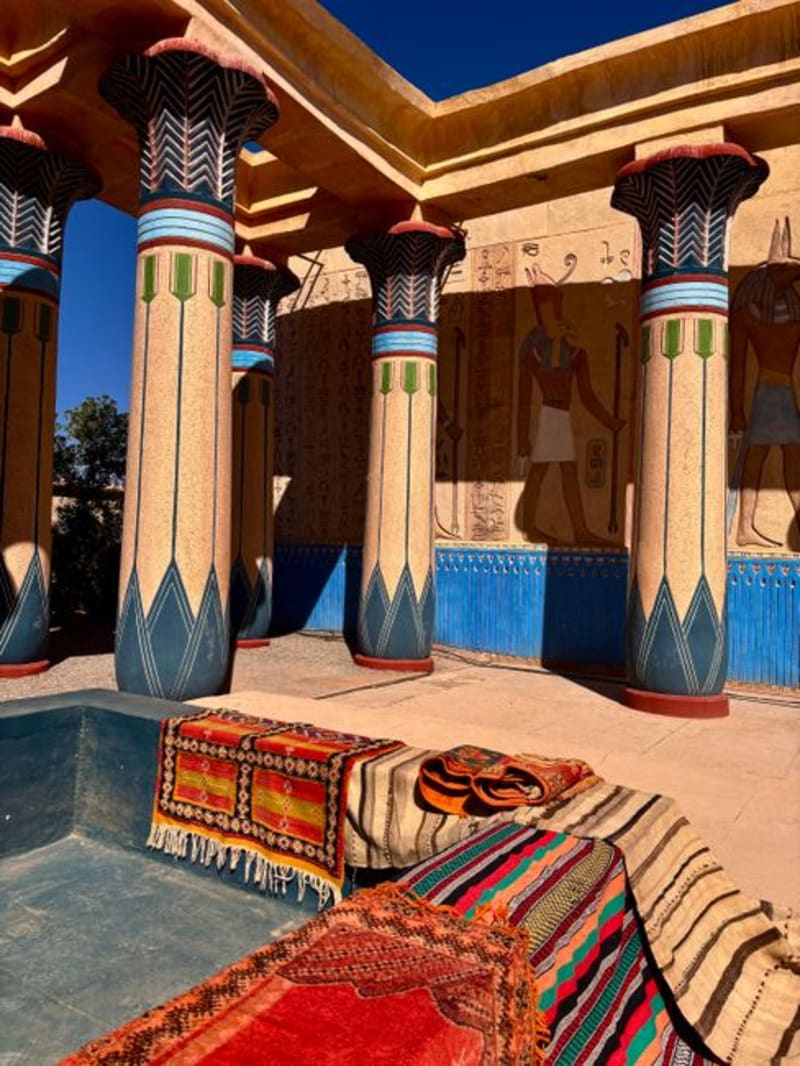
A vanished capital in the western Delta, where a lake of lamps once burned for Neith and only silence remains.
Explore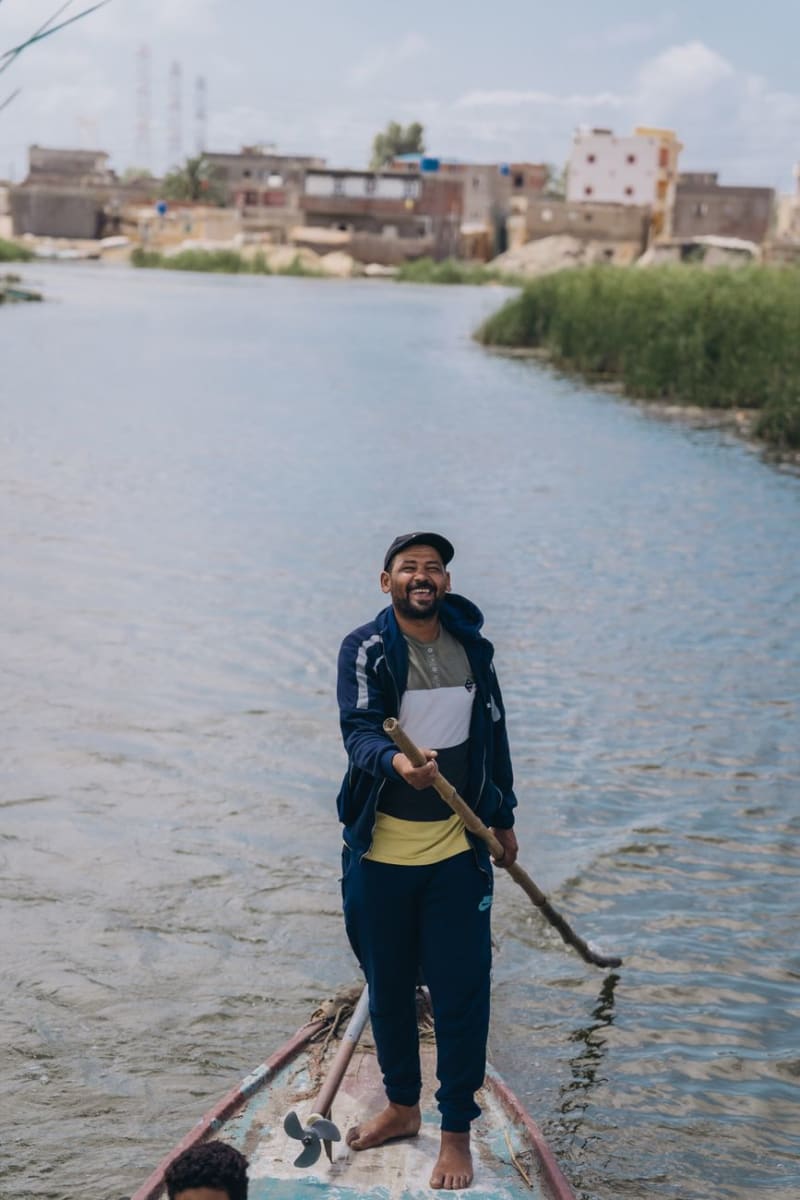 nile-delta
 Tanis
A sprawling, half-forgotten field of fallen colossi and royal tombs in the northeastern Delta — the city Hollywood made famous and almost nobody actually visits.
Explore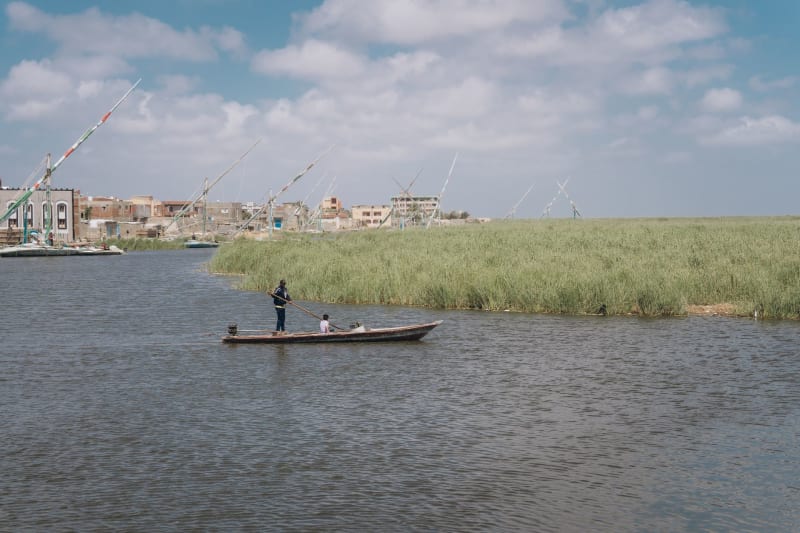 nile-delta
 Tanta
The beating agricultural heart of the Delta, a cotton-and-clover city that erupts each October into Egypt's largest moulid — a million pilgrims and the smell of sugarcane.
Explore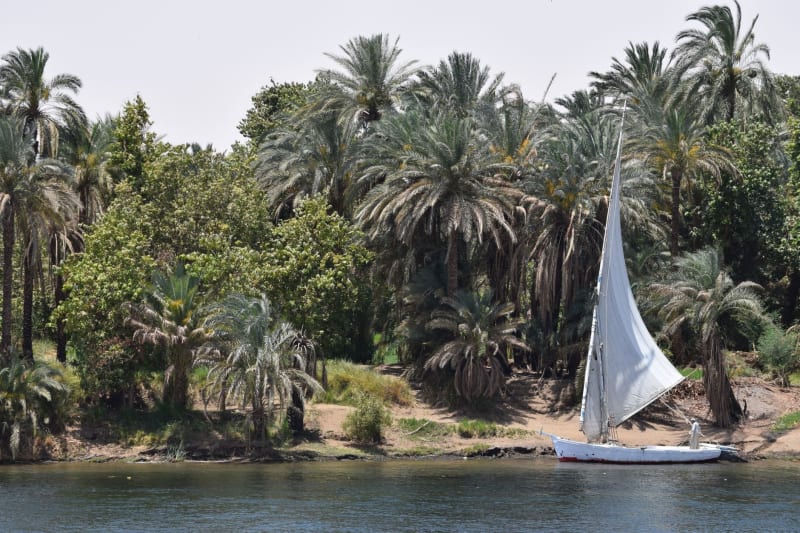 nile-delta
 Zagazig
The eastern Delta city built beside ancient Bubastis, where cats were sacred and the ruins of a great temple lie scattered among the traffic and cotton warehouses.
Explore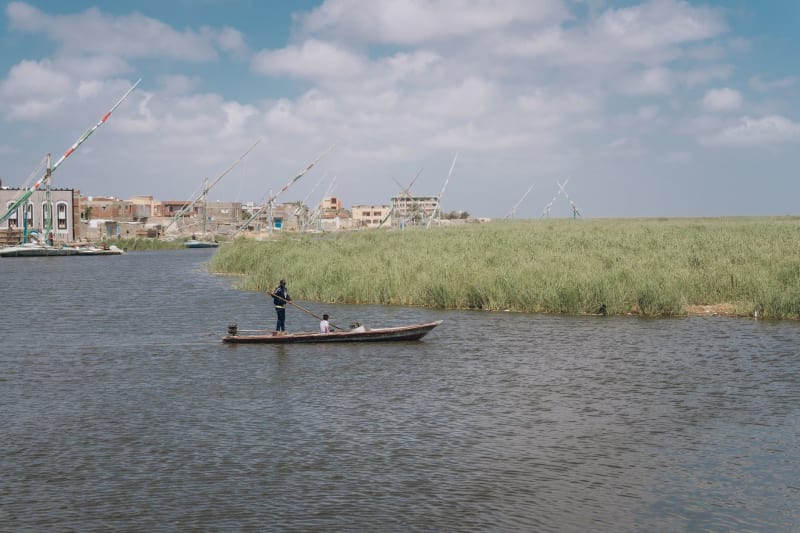 nile-delta
 Abu Mena
A UNESCO early Christian pilgrimage site in the desert west of Alexandria where the ruins of a Byzantine basilica sink slowly back into the earth they rose from.
Explore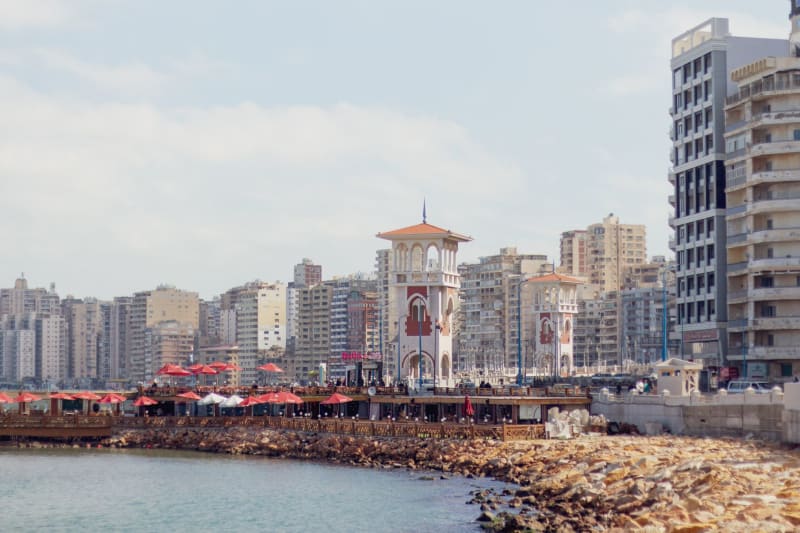 nile-delta
 Alexandria
A Mediterranean city haunted by its own legend, where Greco-Roman ruins meet crumbling belle époque and the sea never lets you forget what was lost.
Explore