Naucratis
"We came looking for a port and found a field — but the field remembered everything."
A vanished Greek trading port buried in Delta silt, where broken pottery still whispers of merchants from Miletus and Samos.
I’ll admit it: Lia and I almost didn’t bother with Naucratis. There’s no temple pylon rising out of the fields, no ticket booth, nothing that photographs well from the road near Kom Ge’if. But I’d been reading about this place for months — how Pharaoh Psamtik I let Greek merchants from Miletus and Samos set up shop here around the 7th century BC, the only spot in Egypt where they were allowed to trade freely for grain — and I couldn’t drive past it without stopping. We parked by an irrigation canal, and a farmer walked over just to ask what we were looking at. When I told him, he shrugged and said his grandfather used to plow up “old broken pots” all the time. That, right there, is Naucratis.
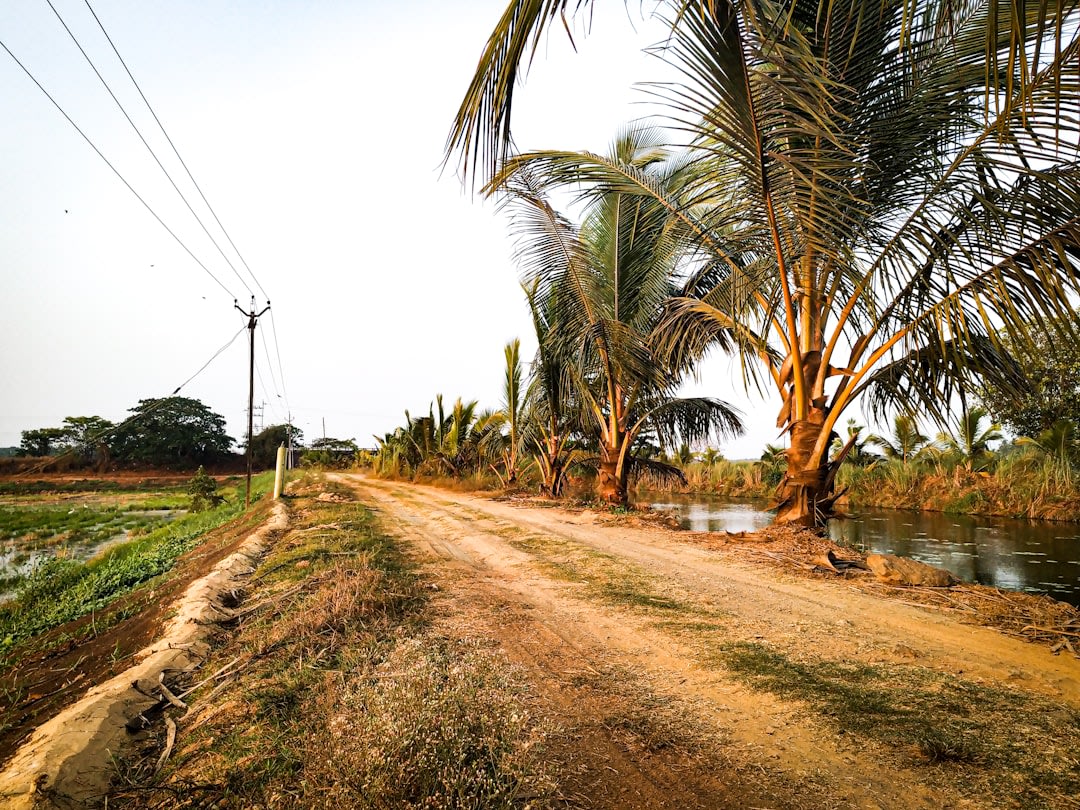
What got me, standing in that field, was trying to picture the emporium that used to sit under our feet. This wasn’t some random trading post — it was a controlled gateway, the place where Greek goods came in and Egyptian grain went out, generation after generation. Flinders Petrie dug here in the 1880s and pulled up sanctuaries to Apollo and Hera sitting practically next to Egyptian shrines, which still strikes me as the most honest image of what this town actually was: two worlds doing business side by side, not really blending, just coexisting because it worked. I kept thinking about the merchants who sailed here from the Aegean and had to leave their gods’ temples inside an Egyptian pharaoh’s rules.
The detail that stuck with Lia more than anything was the pottery. Naucratis produced so much inscribed Greek ceramic that archaeologists still use it as a dating reference for Greek pottery styles elsewhere — a port town’s trash heap became, centuries later, a scholarly clock. We found a shard half-sunk in the canal mud, unremarkable, probably nothing special, and just held onto it for a minute before putting it back exactly where it was. You’re not supposed to take anything, obviously, but you’re allowed to sit with it.
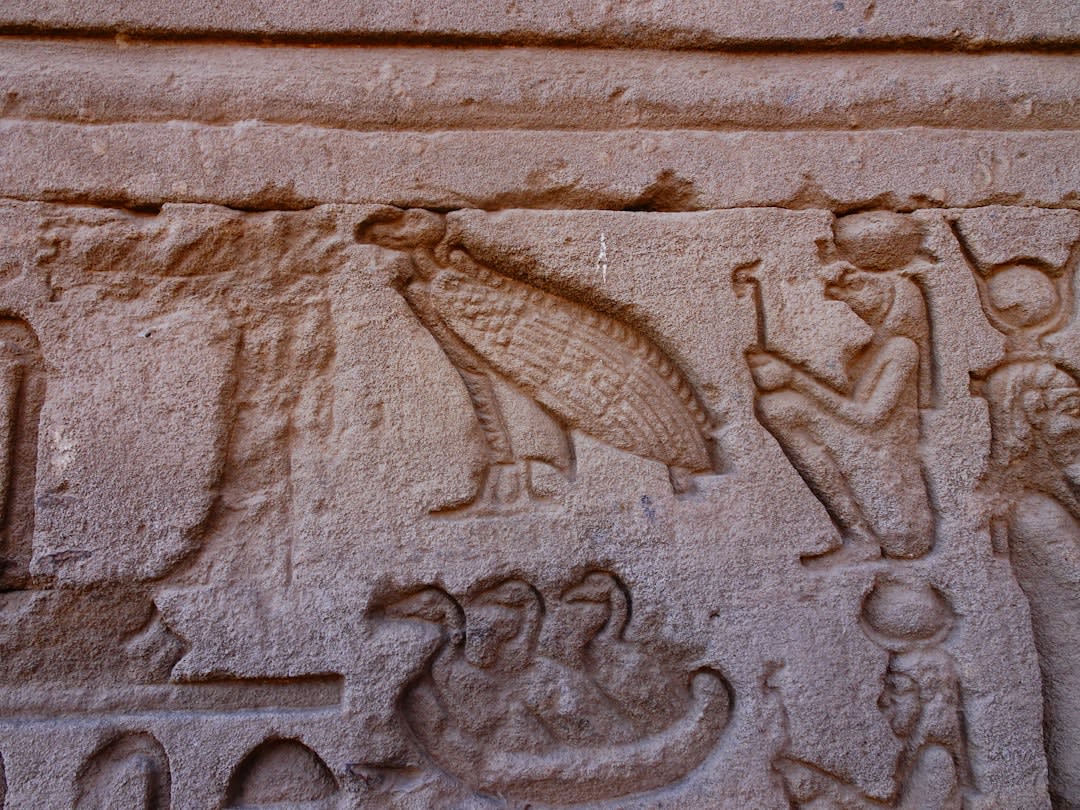
By the time we left, the sun was dropping fast the way it does in the Delta, turning the canals orange, and I understood why this place stayed a working port well into the Roman period before the Nile simply moved away from it and left it stranded inland — no dramatic ending, just a river changing course and a town quietly losing its reason to exist. There’s something very Delta about that: nothing here gets destroyed dramatically, it just gets absorbed back into the mud, waiting for a farmer’s plow or a curious traveler to notice.
When to go: Aim for November through March — the Delta’s summer humidity is brutal for wandering open fields, and the milder cooler months make the walk out to the site, and the inevitable chat with a local farmer, far more pleasant.
Keep exploring
More from Nile Delta
 nile-delta
 Port Said
The canal city at the northeastern tip of Egypt where ships pass between two seas and the wooden verandas of the colonial quarter lean over streets that smell of salt and history.
Explore nile-delta
 Rosetta (Rashid)
The quiet Nile town where a stone changed everything and almost no one visits — Ottoman merchants' houses still stand with mashrabiyya screens over the river.
Explore nile-delta
 Sais (Sa el-Hagar)
A vanished capital in the western Delta, where a lake of lamps once burned for Neith and only silence remains.
Explore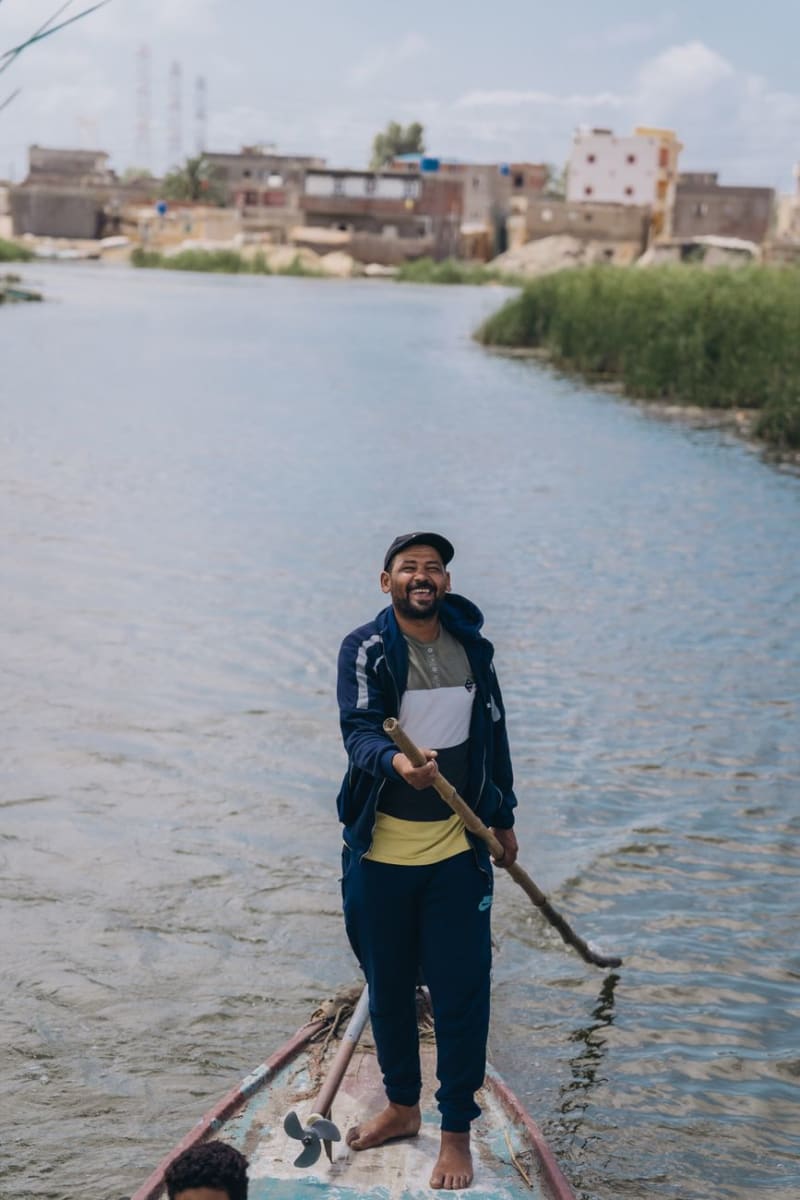 nile-delta
 Tanis
A sprawling, half-forgotten field of fallen colossi and royal tombs in the northeastern Delta — the city Hollywood made famous and almost nobody actually visits.
Explore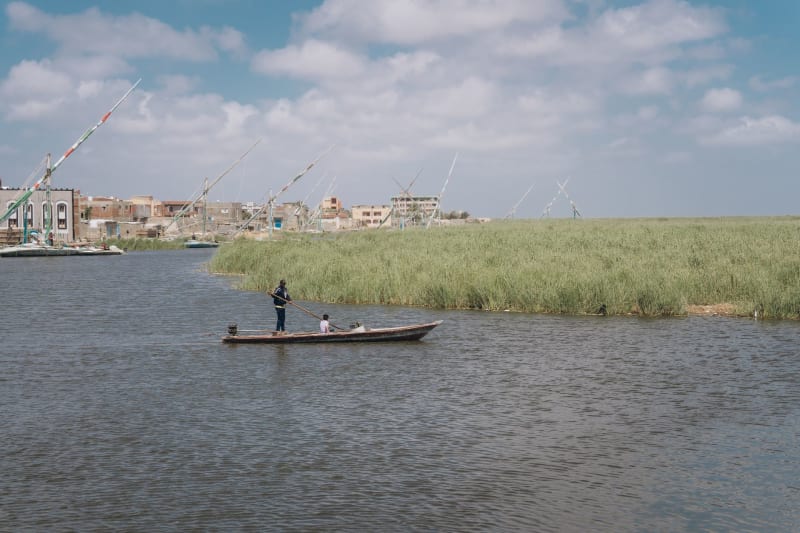 nile-delta
 Tanta
The beating agricultural heart of the Delta, a cotton-and-clover city that erupts each October into Egypt's largest moulid — a million pilgrims and the smell of sugarcane.
Explore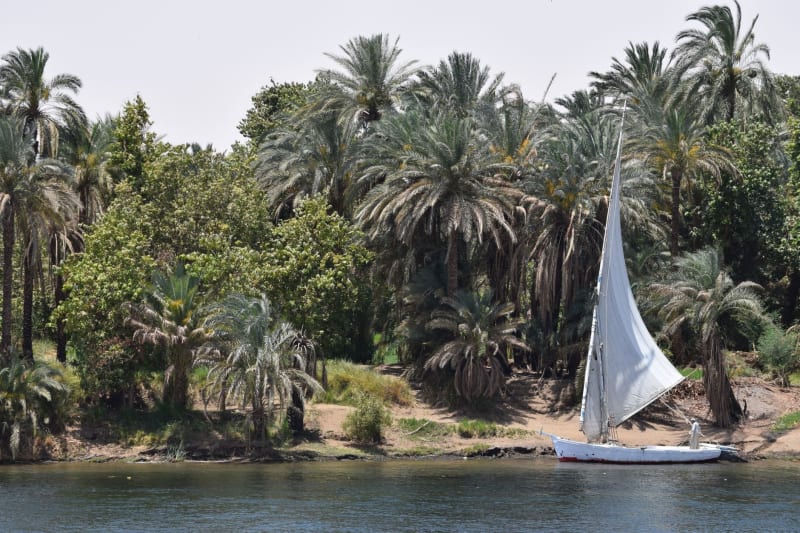 nile-delta
 Zagazig
The eastern Delta city built beside ancient Bubastis, where cats were sacred and the ruins of a great temple lie scattered among the traffic and cotton warehouses.
Explore