Rivière Bleue
"A dam killed this forest decades ago, and it has never looked more alive."
A protected park in the far south where a flooded forest of dead giants stands in still water, and one of the rarest birds on Earth still refuses to fly.
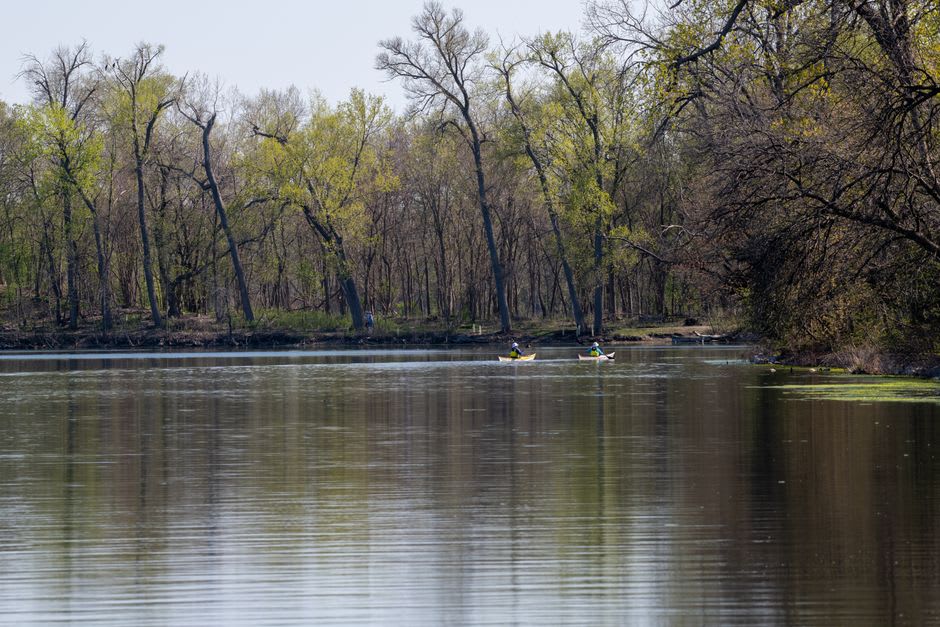
Parc de la Rivière Bleue sits in the far south of Grande Terre, an hour or so past Yaté, and it protects a landscape unlike anywhere else I found on the island — dense maquis shrubland and kaori forest wrapped around a reservoir created in the 1950s when a hydroelectric dam flooded a valley of towering trees. The trees died where they stood, and six decades later their bleached, branchless trunks still rise directly out of the still, tea-dark water, a genuinely eerie and beautiful sight the park calls the forêt noyée — the drowned forest. I rented a kayak at the entrance and paddled out among them for close to two hours, the water so still it mirrored the trunks perfectly, doubling a forest that technically no longer exists.
Cars are restricted past the entrance gate, which is the best decision this park made — you get around by bicycle, on foot, or on the small shuttle, and the enforced slowness changes how you experience the place entirely. I cycled the main track deep into the reserve, past groves of giant kaori trees that predate the dam by centuries, some of them among the largest trees in New Caledonia, their trunks too wide to get an arm’s length around in a photograph that does them justice.
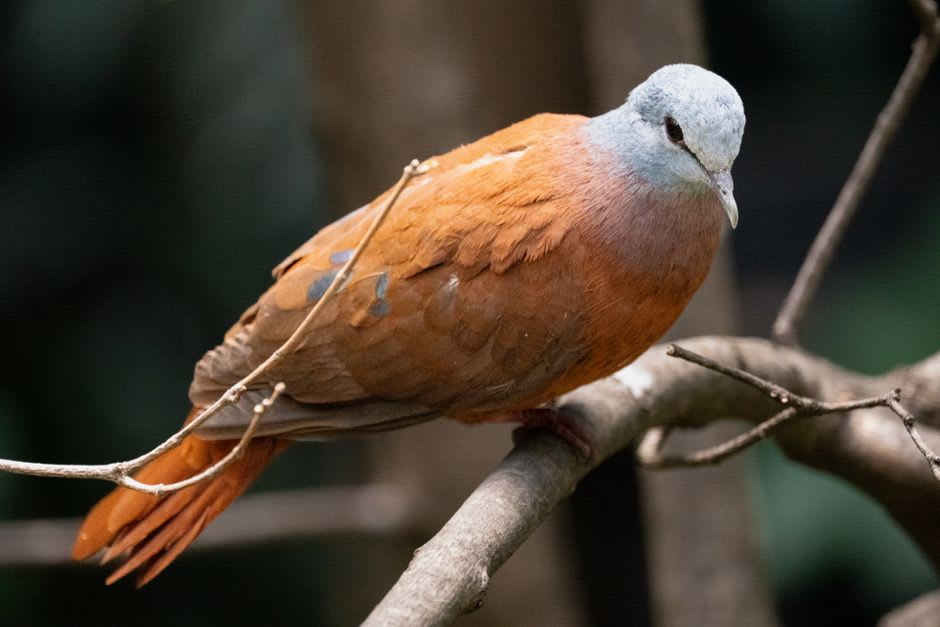
The reason most serious birdwatchers come here, though, is the cagou. This flightless, ash-grey bird is New Caledonia’s national symbol and one of the rarest birds on the planet, found nowhere else on Earth, and the population inside Rivière Bleue’s predator-controlled zones is one of the healthiest left. I saw one on the third try, at dusk near a ranger station, walking with the odd, stiff-legged gait of a bird that has simply never needed to fly and its bark-like call carrying strangely far through the quiet forest. It is not a dramatic-looking bird. It is, instead, a genuinely moving one, once you understand how close it has come to disappearing entirely.
This park requires a full day at minimum, and honestly rewards two. It is the clearest example I found in New Caledonia of a landscape shaped by industrial ambition that has since become one of the territory’s most important conservation sites, without the industry or the conservation ever quite cancelling each other out.
When to go: The park is open year-round, but the dry season, April through November, keeps the tracks passable for cycling and gives the clearest reflections on the drowned forest. Arrive early for the best chance of spotting a cagou before the midday heat quiets the forest.
Keep exploring
More from New Caledonia
 new-caledonia
 Sarraméa
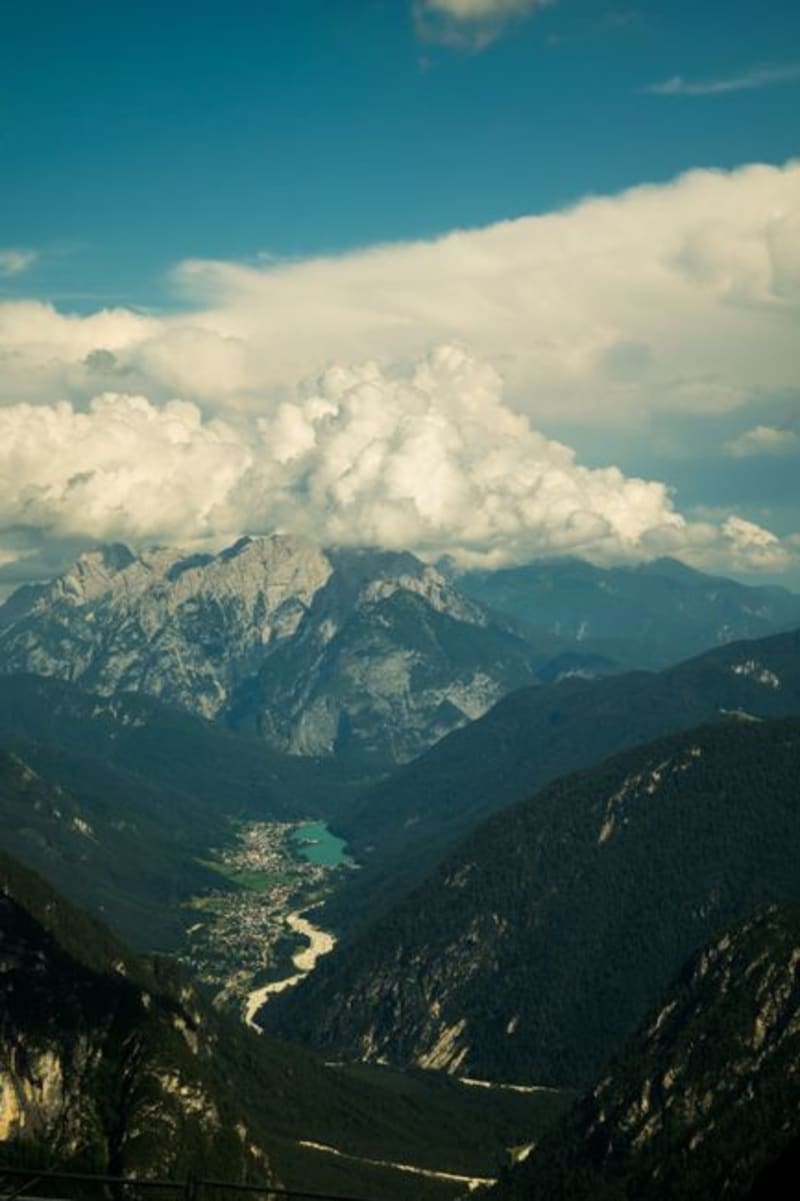
A cool inland valley locals call New Caledonia's Little Switzerland, where the humidity finally breaks and the hiking starts in earnest.
Explore new-caledonia
 Thio
The east coast mining town where New Caledonia's nickel wealth started, and where the mountains still wear the red scars to prove it.
Explore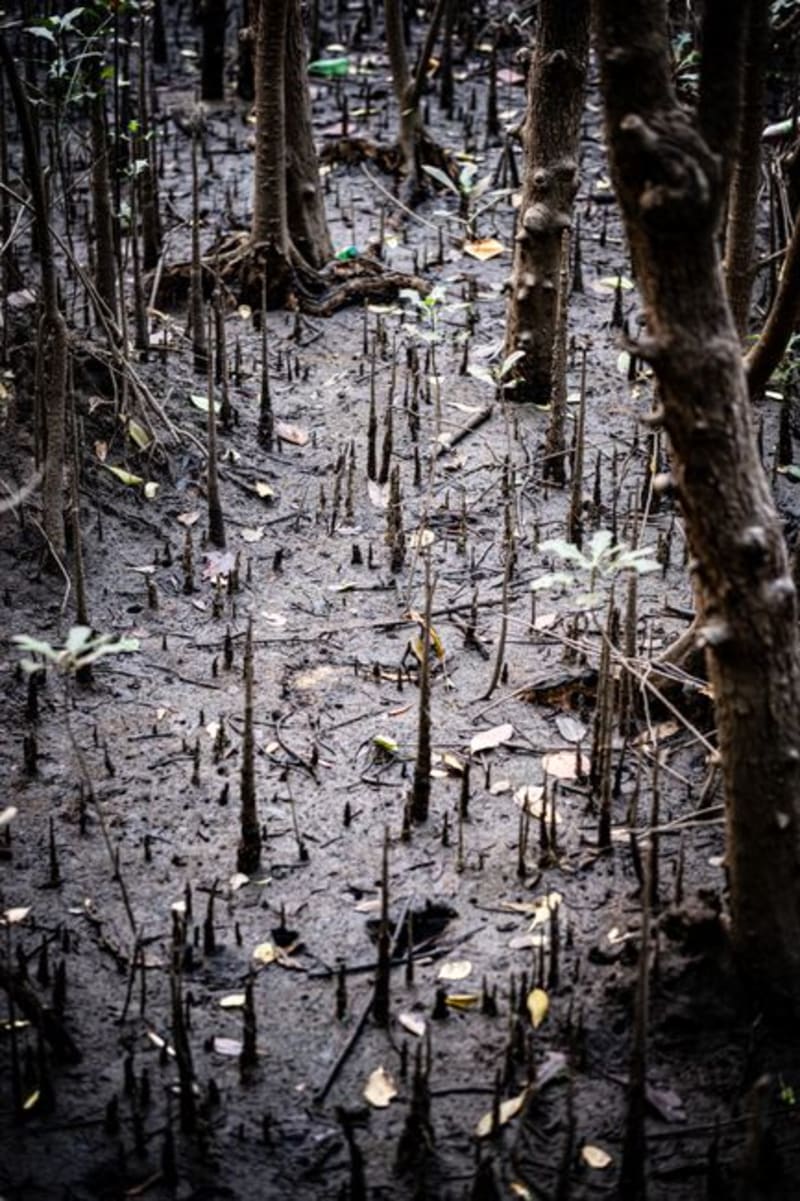 new-caledonia
 Voh
A quiet mangrove town on the west coast that became famous for a shape it cannot actually see from the ground.
Explore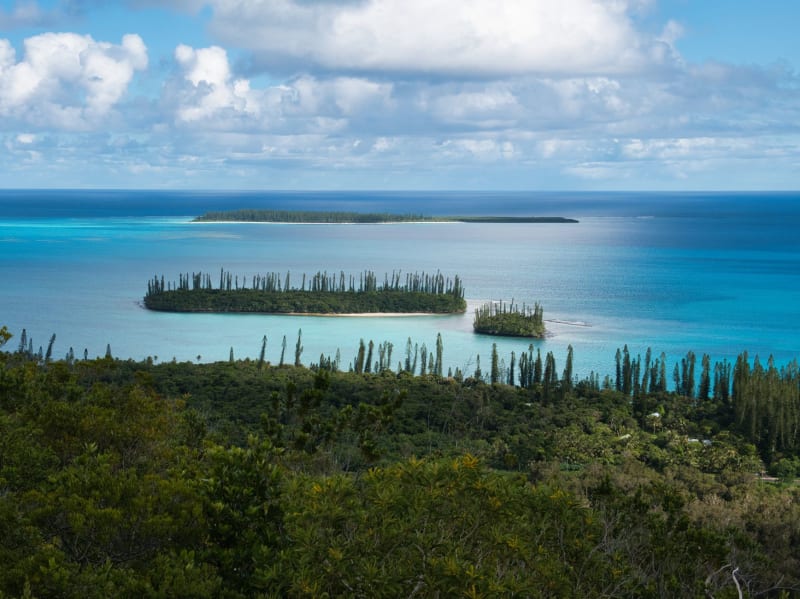 new-caledonia
 Yaté
A valley of gorges and blue river pools at the south end of Grande Terre, where the light makes everything look like a painting that hasn't been touched up.
Explore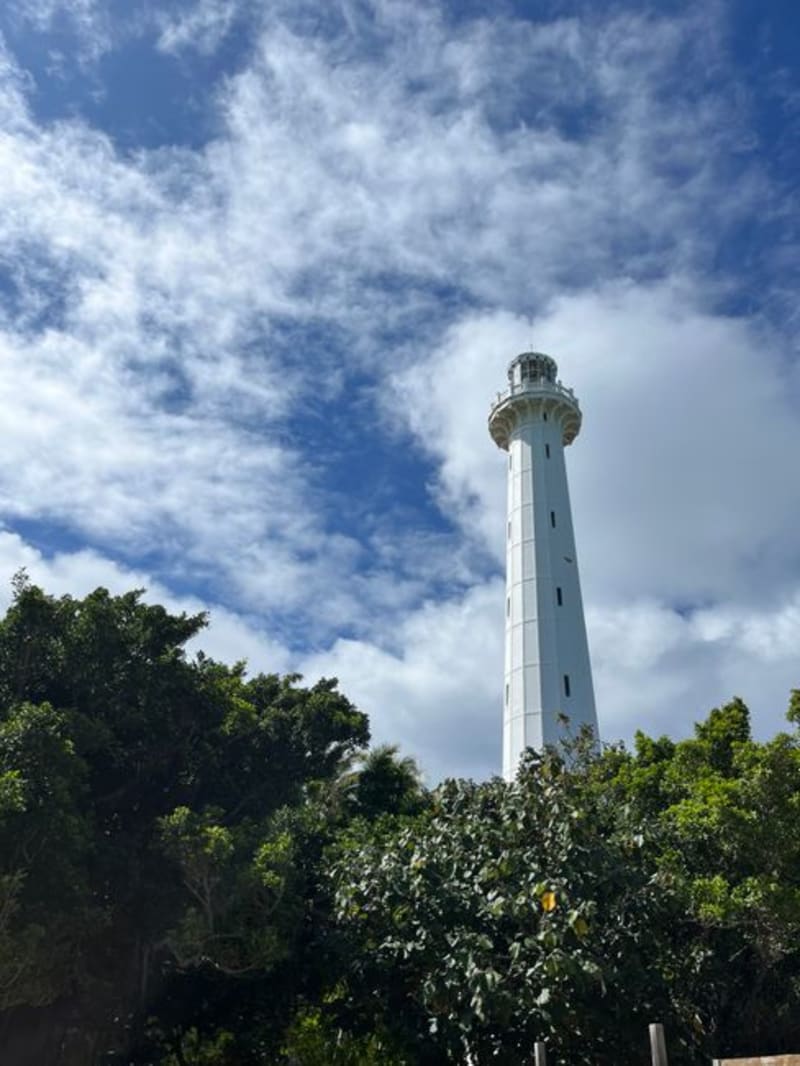 new-caledonia
 Amédée Island
A speck of coral sand off Nouméa crowned by a cast-iron lighthouse that France shipped across the world in pieces and never quite finished being proud of.
Explore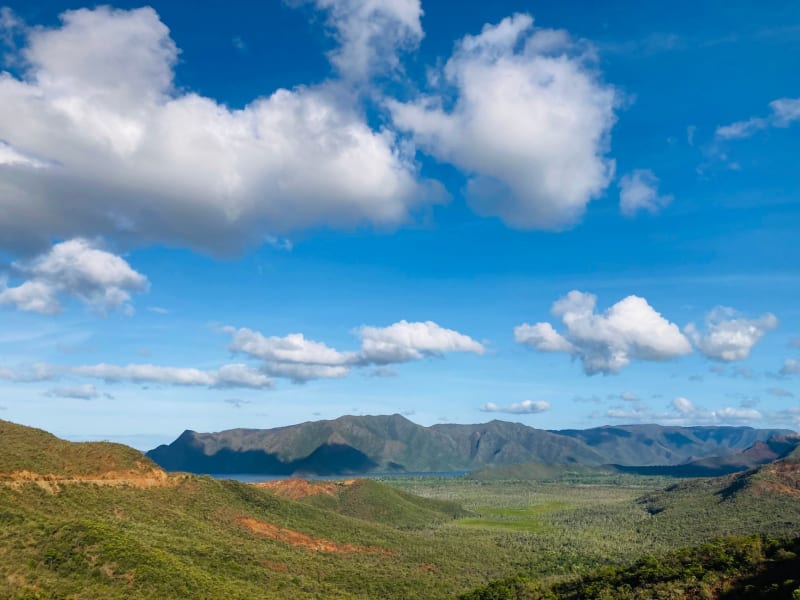 new-caledonia
 Baie de Prony
A ghost town, hot springs, and mangrove labyrinth at the southern tip of Grande Terre, where the island goes quiet in a way that feels geological.
Explore