Lifou
"In Lifou, the pace isn't slow — it's calibrated to something other than urgency."
The largest Loyalty Island, where clifftop villages overlook lagoons and Kanak custom life runs on its own unhurried calendar.

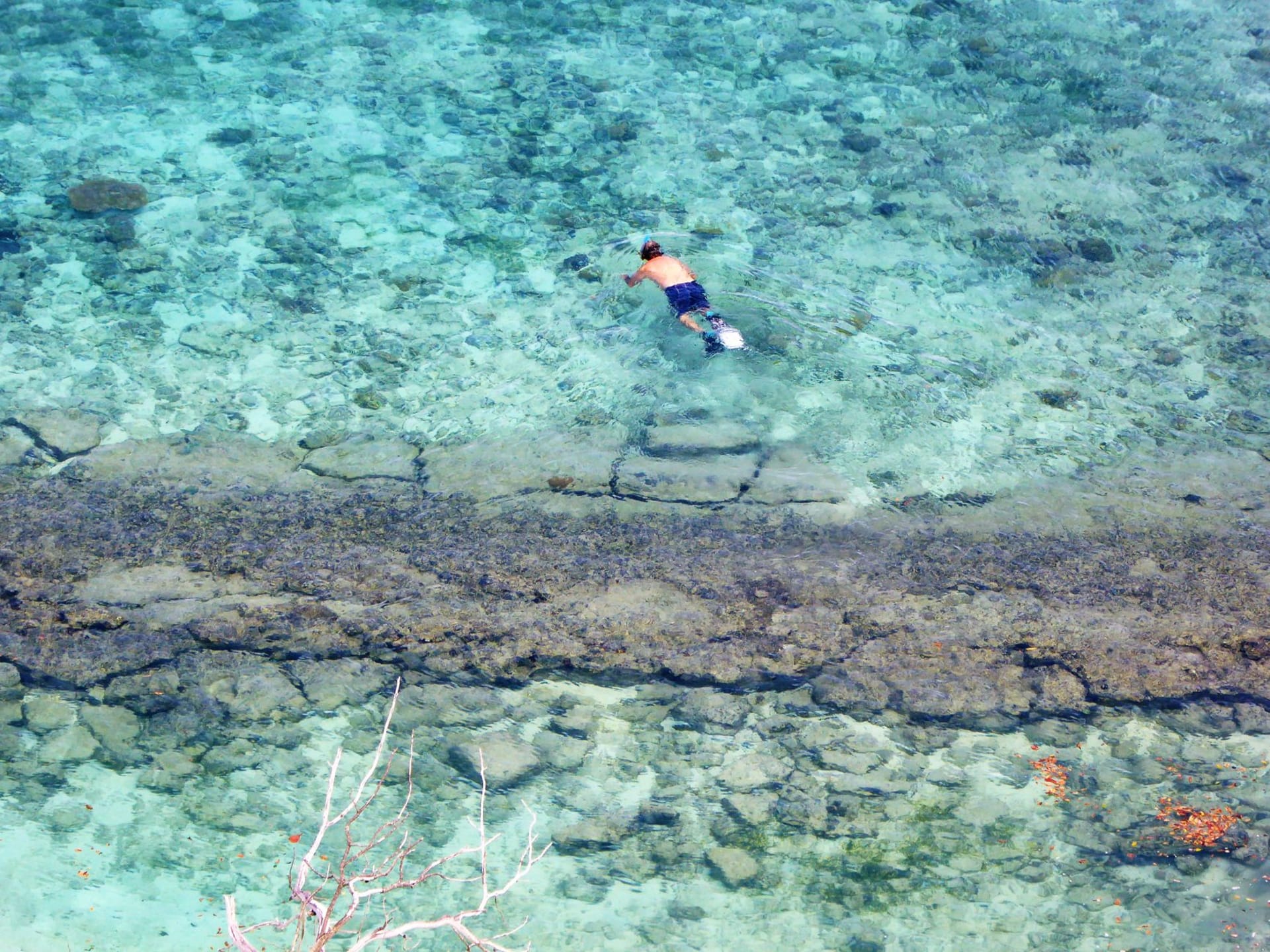
Lifou is raised. Where the other Loyalty Islands sit at sea level, Lifou’s interior plateau lifts the island forty or fifty metres above the Pacific, and the result is a coastline of cliffs — not dramatic, sheer cliffs but gently terraced coral limestone, overgrown with wild frangipani and pandanus, dropping to water so clear you can read the bottom from the clifftop. I arrived on the morning flight from Nouméa and spent the first hour simply driving the coastal road from the airport, stopping every ten minutes because there was another gap in the vegetation and another improbable view.
The main town, Wé, is the administrative centre of the Loyalty Islands — a loose collection of government buildings, a small hospital, a couple of supermarkets, and the kind of covered market that rewards patience. I found smoked fish there, wrapped in banana leaf, the smoke flavour deep and slightly sweet, nothing like what the word “smoked” suggests in a European context. The woman who sold it to me was wearing a mou-mou dress in bright floral cotton, standard dress for Kanak women on the island, and she explained the preparation with a specificity that suggested this was important information, not small talk.

Luengoni Bay on the island’s east coast is the standard recommendation, and it earns it without being showy about it — a wide bay with a shallow sandy floor, coral formations along the edges, and the particular silence of a place that has not yet acquired background noise. I was there on a weekday and had the bay entirely to myself for three hours. The snorkelling was better than I expected: large parrotfish working the coral heads, a turtle that circled me once and then lost interest, and an absurd density of small reef fish that seemed to operate in formations, schooling through the staghorn coral in formations that suggested choreography.
The interior of the island is where Lifou’s Kanak culture is most legible. The various districts — Wetr, Gaïca, Lössi — each have their own Grand Chef and their own customary protocols, and moving between them involves a social geography that visitors are largely invisible to but benefit from. The Catholic mission at Hnathalo, built in the nineteenth century, sits above the coast in a state of weathered grandeur, its coral stone walls stained with time and the salt air, its interior still used on Sundays when the choir fills the nave with harmonies that come from a liturgical tradition entirely inflected by Kanak musical sensibility.

What I kept noticing on Lifou was the ratio of wild space to human presence. The plateau interior is dense with vegetation — dense enough that the road sometimes narrows to a single lane between encroaching forest — and the cleared spaces around the villages seem provisional, as though the bush is waiting to take them back. There are no large resorts. There are fare fare guesthouses, some clan-run, some basic to the point of austerity, and a campsite near Luengoni. The island operates on its own terms, and those terms include not being in any particular hurry to accommodate yours.
When to go: April through November covers the dry season, with July and August at peak visitor numbers. October and November offer the warmest water for snorkelling and the clearest conditions, with fewer visitors than the winter peak. Avoid the Christmas to March period if coral visibility matters — the wet season brings rain and reduced water clarity.
Keep exploring
More from New Caledonia
 new-caledonia
 Maré
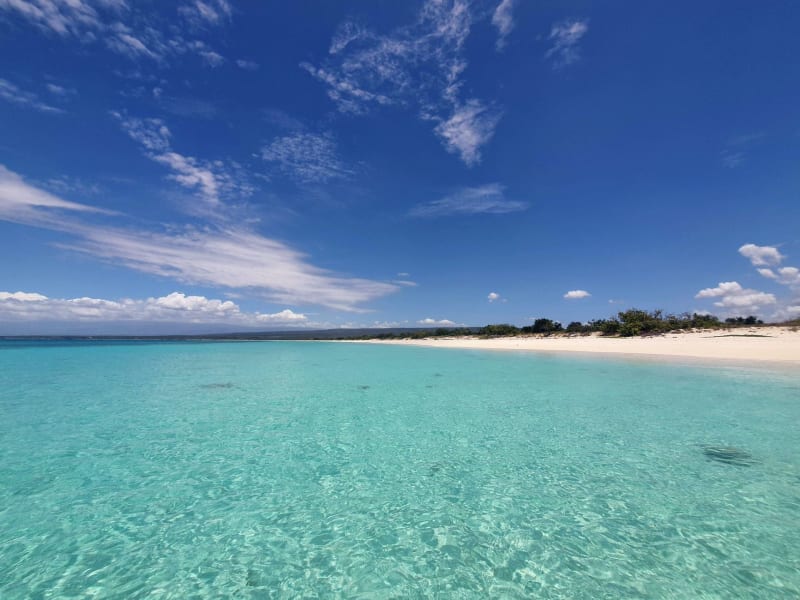
The most rugged of the Loyalty Islands, a raised coral plateau with cave pools and an atoll that never bothered to be gentle.
Explore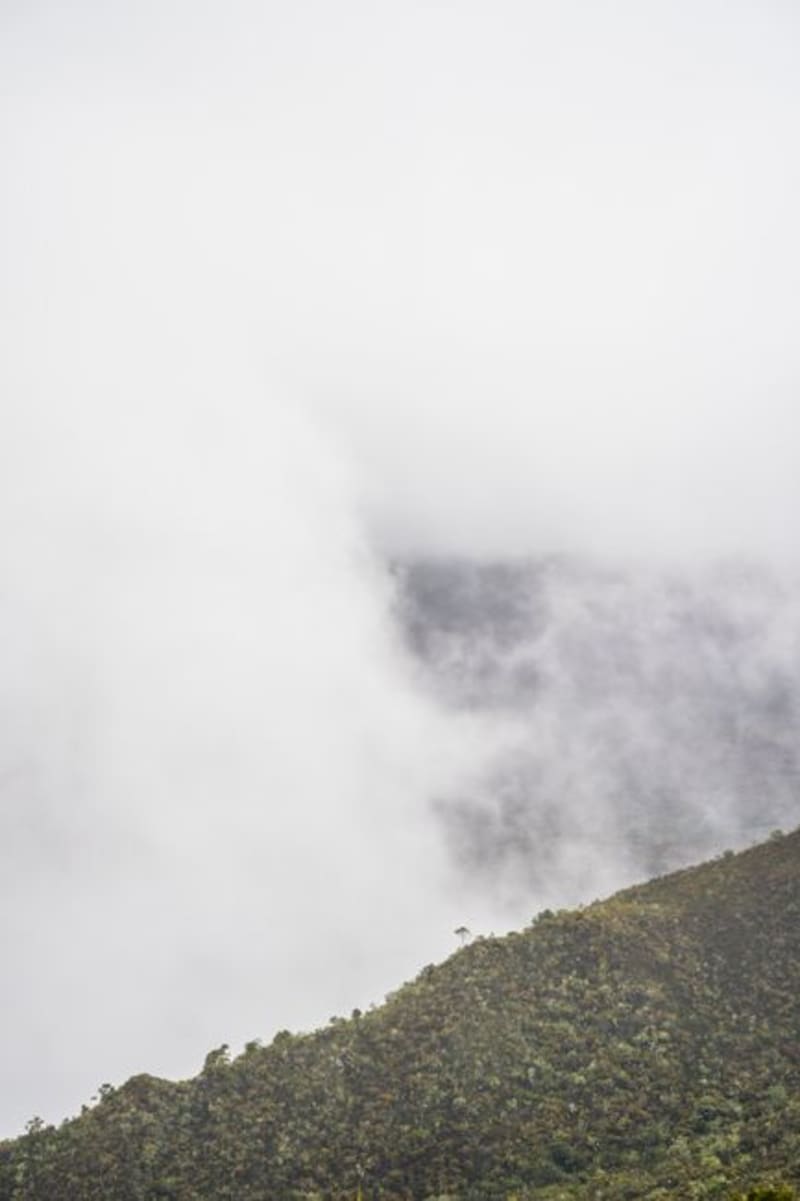 new-caledonia
 Mont Panié
New Caledonia's highest peak, a Kanak sacred mountain wrapped in cloud forest that most visitors never even learn the name of.
Explore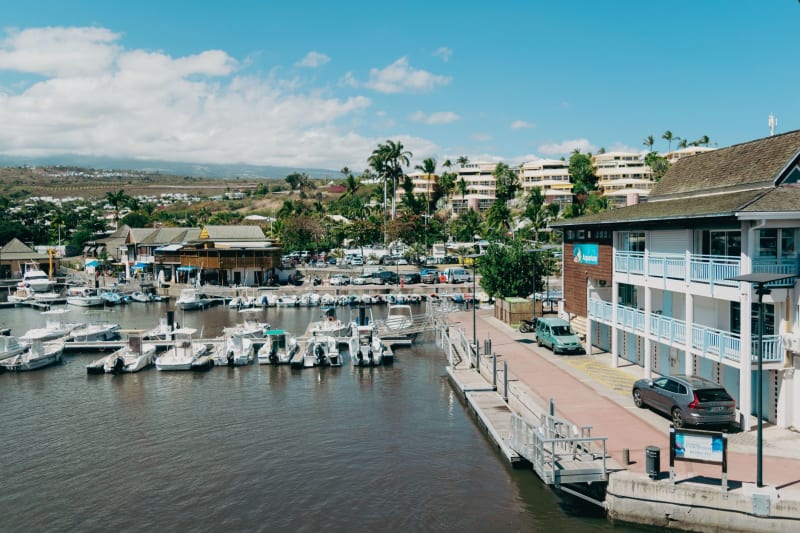 new-caledonia
 Nouméa
A French city dropped into the Pacific, where croissants and coconuts coexist without anyone finding it strange.
Explore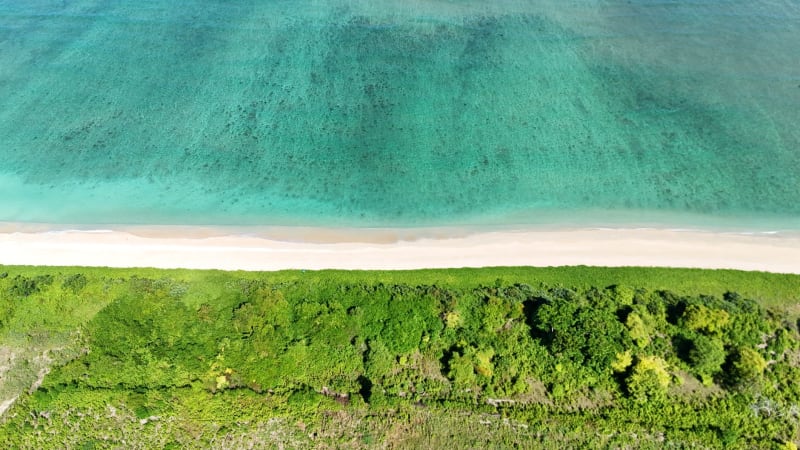 new-caledonia
 Ouvéa
A forty-kilometre crescent of white sand so remote that getting here feels like earning it.
Explore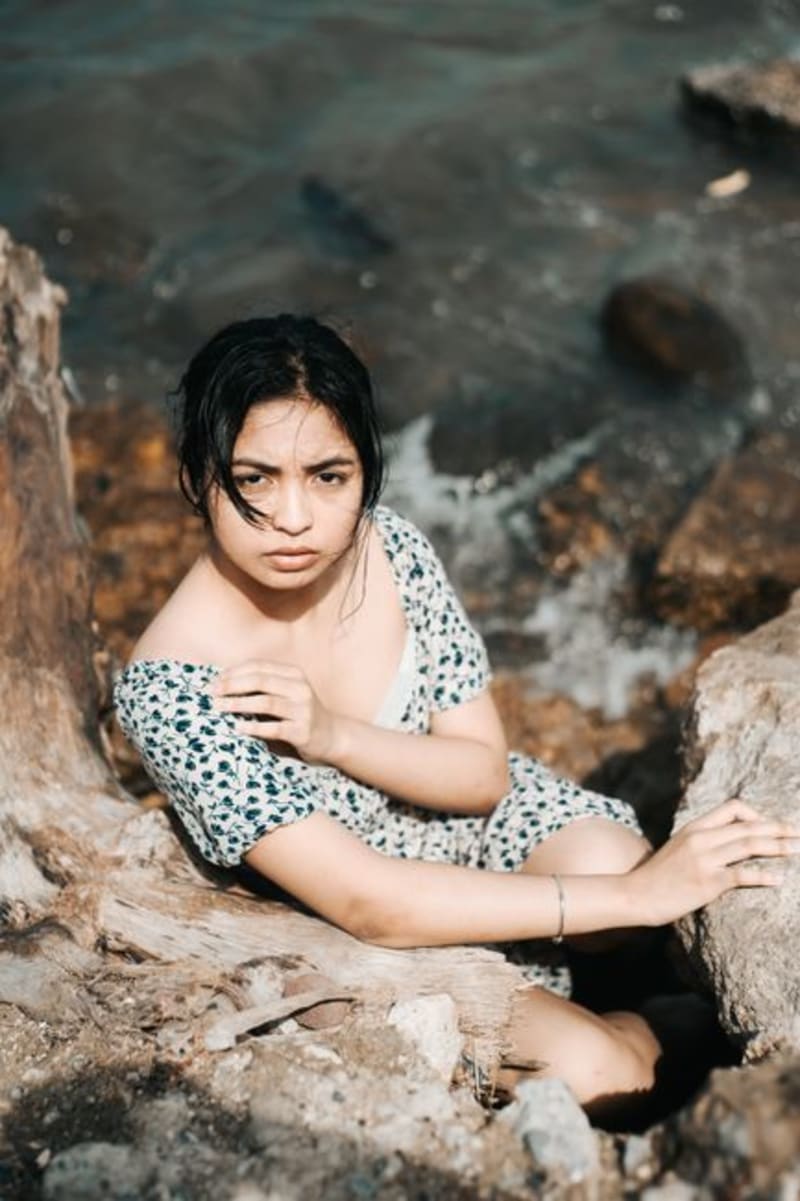 new-caledonia
 Poindimié
The east coast town locals call the garden of New Caledonia, where the rain that spoils the west coast lagoon turns everything here an almost unreasonable green.
Explore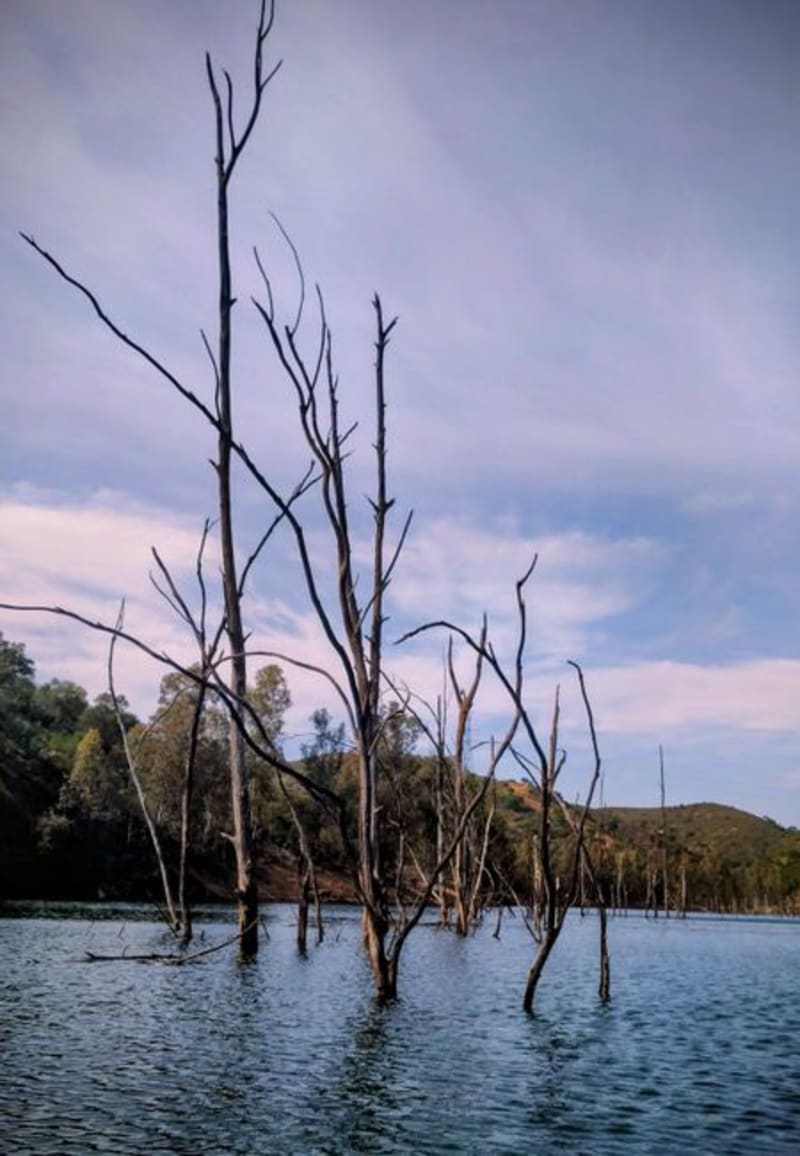 new-caledonia
 Rivière Bleue
A protected park in the far south where a flooded forest of dead giants stands in still water, and one of the rarest birds on Earth still refuses to fly.
Explore