Mahendra Cave
"Mahendra Cave has no railings to speak of and no polish. That's exactly why I liked it."
A bat-filled limestone cavern north of Pokhara, less polished than its famous neighbor and better for it.
Most people who ask about caves near Pokhara get pointed straight to Gupteshwor, near Davis Falls, which is fair — it’s dramatic and easy to combine with the waterfall next door. Mahendra Cave sits further out, north of the city near Batulechaur, and gets a fraction of the visitors, which is precisely why I ended up spending an entire unplanned afternoon there instead of the twenty minutes I’d budgeted.
A Rougher, Less Managed Cave
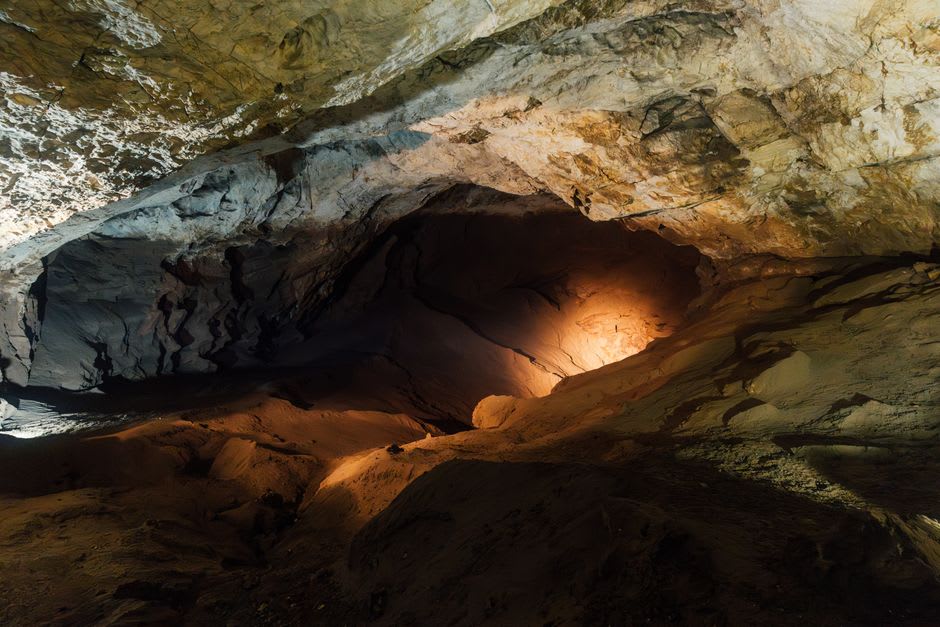
Named after King Mahendra, the cave is a long limestone cavern with none of the metal walkways and colored floodlighting that make Gupteshwor feel semi-curated. Here, you duck under low ceilings on uneven natural rock, occasionally stooping fully to get through a passage, guided mostly by a local kid who attached himself to us at the entrance with a flashlight and an encyclopedic, possibly invented knowledge of every stalactite formation’s supposed resemblance to something — a lion’s head here, a coiled snake there. Half of it was nonsense. All of it was delivered with total conviction, which is its own kind of charm.
Bats, and a Lot of Them
The deeper chambers are home to a genuinely large colony of bats, and at one point our young guide told us, with visible pleasure at our discomfort, to switch off our flashlights for thirty seconds. What followed was total darkness, the papery rustle of hundreds of wings somewhere close overhead, and Lia’s hand finding mine faster than I’ve ever seen her move. When the lights came back on, a few bats had shifted position on the ceiling directly above us, close enough to see the fine structure of their folded wings.
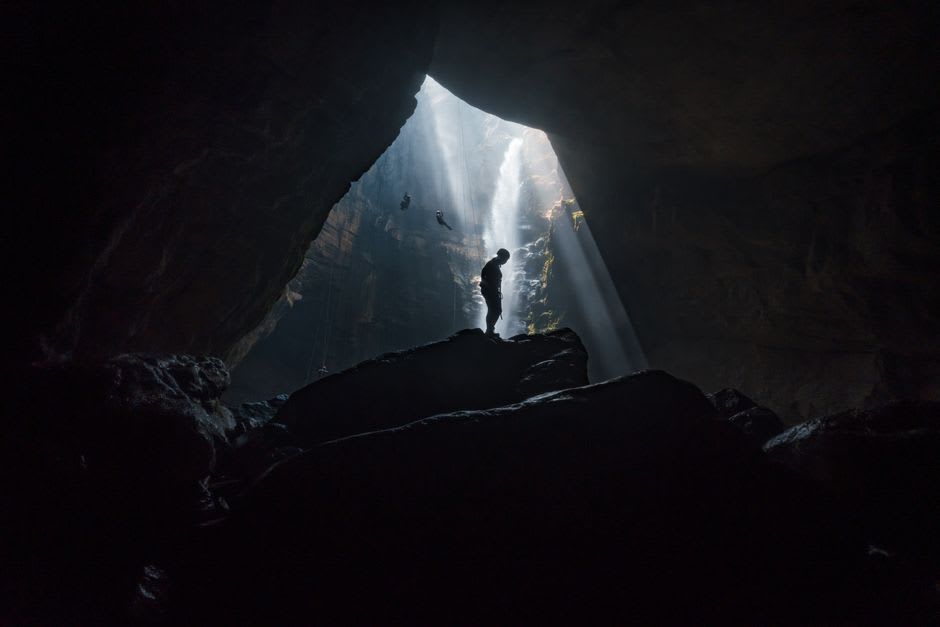
We emerged blinking into a valley scattered with Gurung and Tamang villages, considerably more rural than anything near Lakeside, and ate lunch at a tiny roadside stall run by a woman who seemed mildly amused that we’d bothered coming all the way out for the lesser-known cave.
When to go: Dry season, October through April, keeps the internal paths less slick and muddy. Bring your own flashlight as backup — the cave’s lighting is inconsistent, and a local guide, while not strictly required, is worth the small tip for both safety and the running commentary.
Keep exploring
More from Nepal
 nepal
nepal Makalu Base Camp
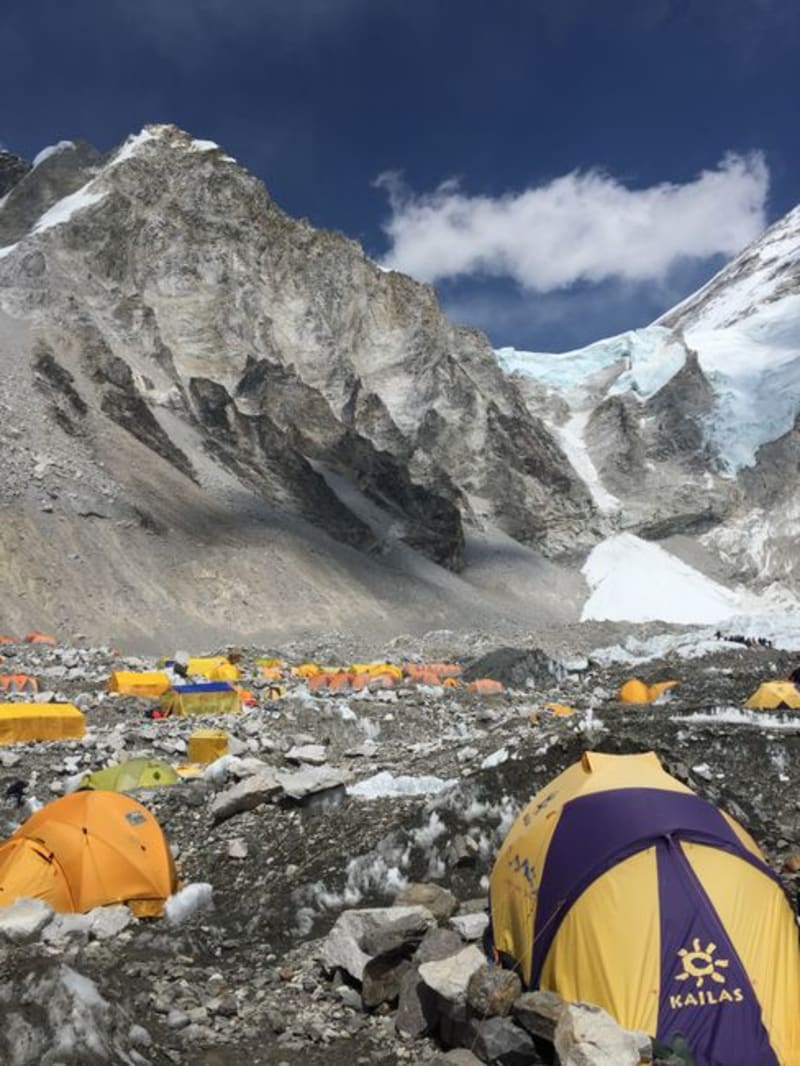
A demanding trek into the Barun Valley beneath the world's fifth-highest peak, through one of Nepal's most pristine and least developed conservation areas.
Explore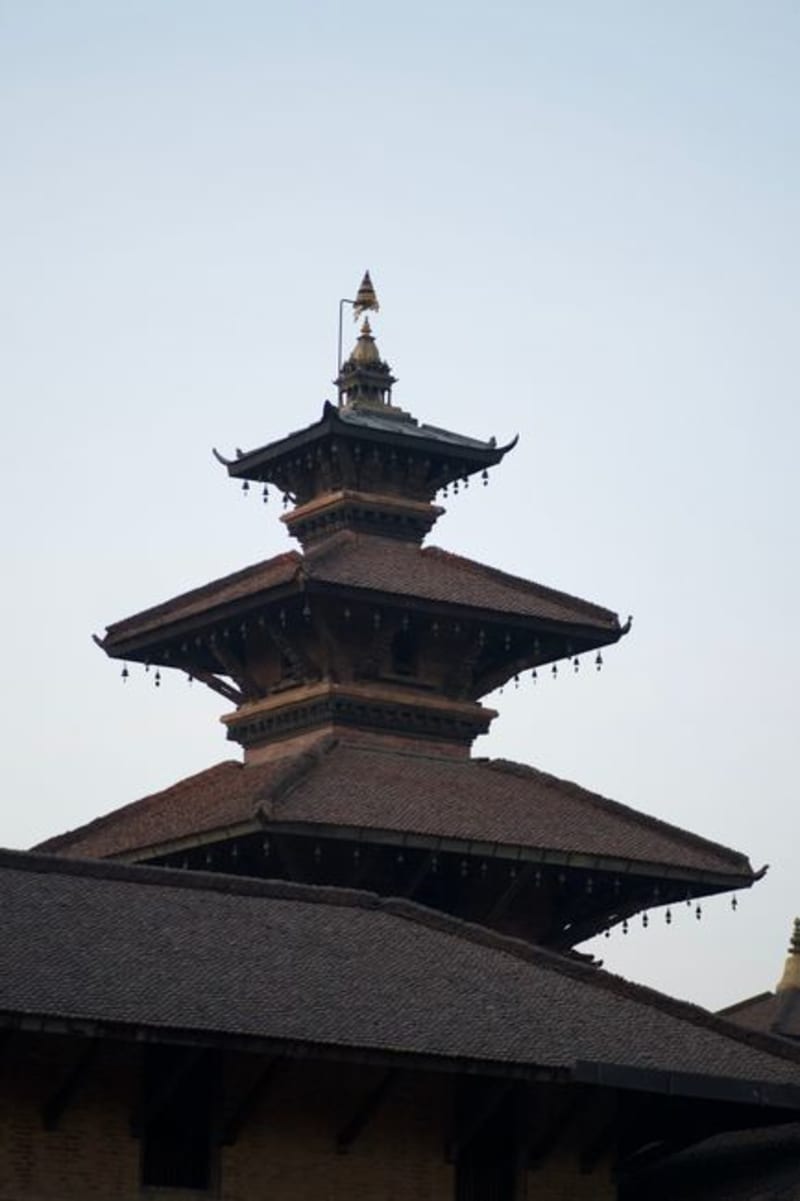 nepal
nepal Manakamana
A wish-granting Hindu temple reached by a cable car strung high over a river gorge, where pilgrims and sacrifice goats share the same gondola line.
Explore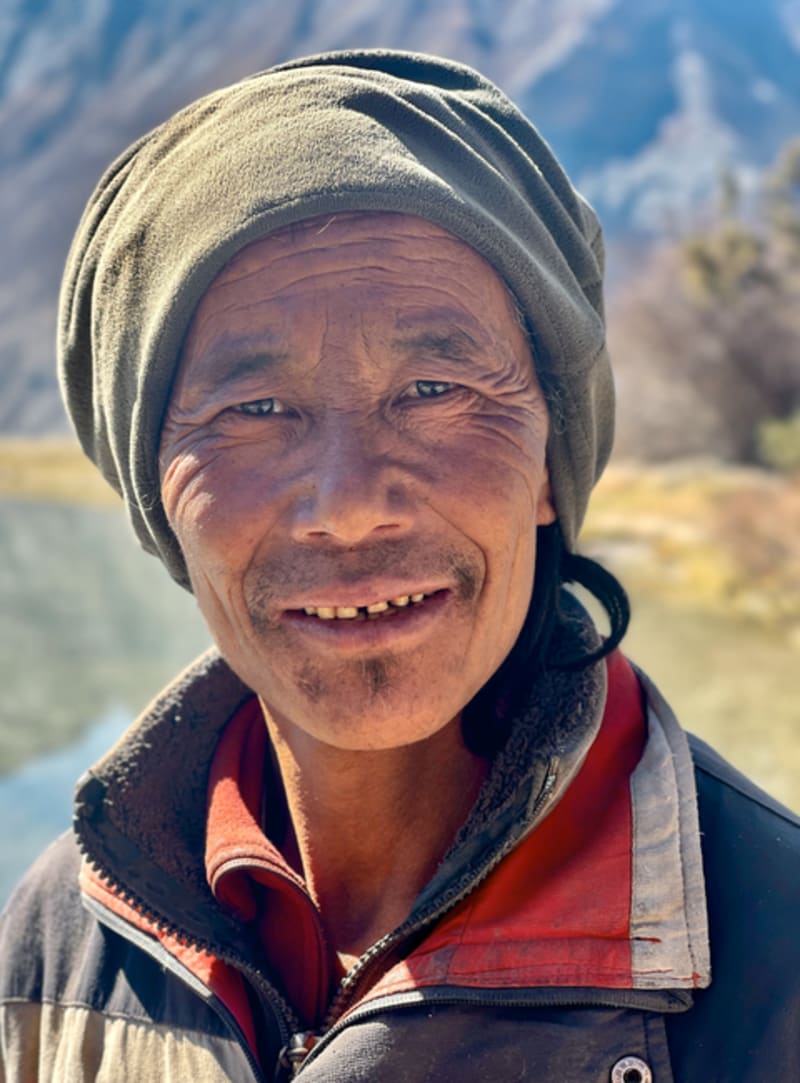 nepal
nepal Marpha
A whitewashed Thakali village in the Mustang rain shadow, famous for apple orchards, local brandy, and some of the best-preserved traditional architecture on the Annapurna Circuit.
Explore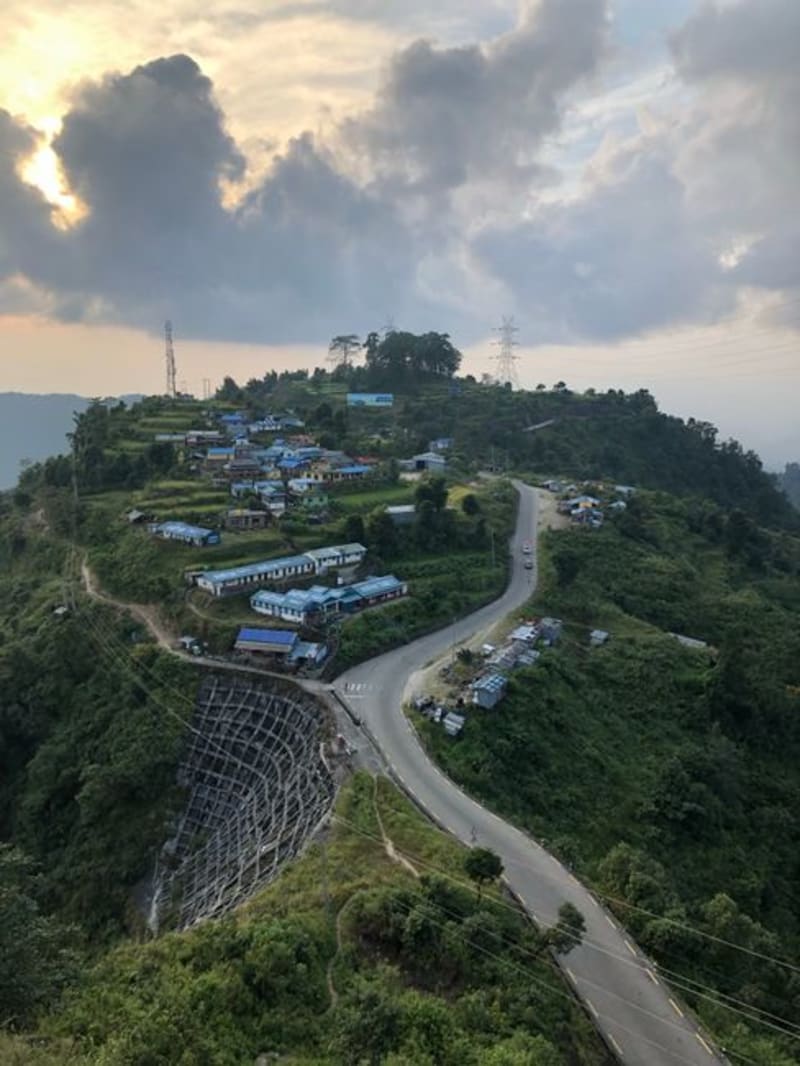 nepal
nepal Melamchi
The river town where the Helambu trek spills back down to the road, a working Tamang and Newari market center rebuilding after catastrophic flooding, and a reminder that not every valley in Nepal survives on tourism.
Explore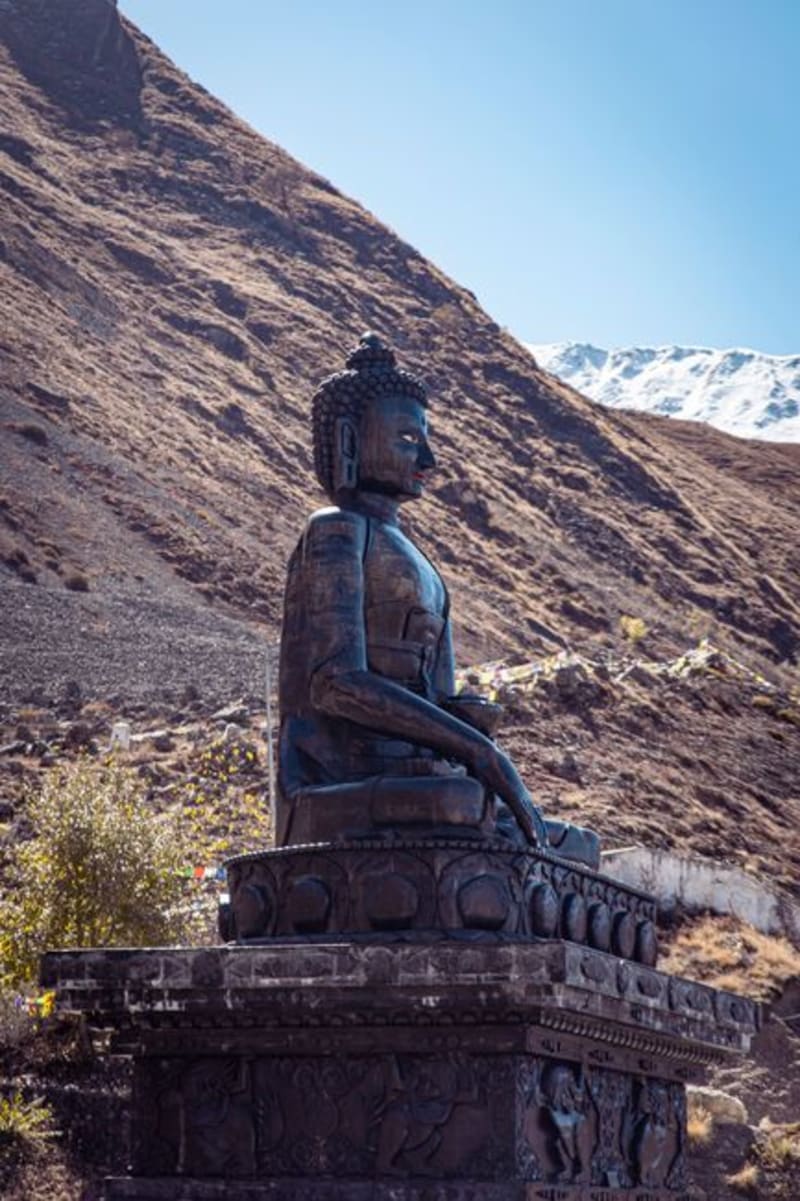 nepal
nepal Muktinath
A sacred pilgrimage site holy to both Hindus and Buddhists, where 108 stone spouts pour glacial water over anyone brave enough to stand under all of them.
Explore nepal
nepal Mustang
The forbidden walled kingdom of Lo Manthang, a Tibetan enclave of white-walled towns and ochre cliffs.
Explore