Kagbeni
"Kagbeni is the last village that still looks like Nepal before Nepal stops looking like anything you've seen before."
A medieval walled village at the mouth of Upper Mustang, where the Kali Gandaki gorge narrows and the checkpoint into the restricted kingdom actually stamps your permit.
Everyone who has done the Annapurna Circuit or pushed into Upper Mustang passes through Kagbeni, but almost nobody stays. That’s a mistake. Lia and I had planned one night — just long enough to get our restricted-area permit checked at the ACAP post — and ended up staying two, mostly because the village itself is one of the best-preserved medieval settlements in the whole Mustang region, older and less renovated than Lo Manthang, and nobody was telling anyone that.
A maze built for wind, not tourists
The core of Kagbeni is a warren of covered alleyways, low doorways, and mud-brick walls packed so tightly that the wind — which howls up the Kali Gandaki valley every afternoon like it has somewhere to be — barely reaches the ground level. You duck through tunnels between houses, past prayer wheels worn smooth, past a 15th-century red gompa with faded protector deities on the walls that a young monk unlocked for us without being asked twice. There’s a story locals tell about the village being cursed or protected, depending on who’s talking, tied to the ammonite fossils — shaligrams — that wash out of the riverbed nearby and are considered sacred manifestations of Vishnu.
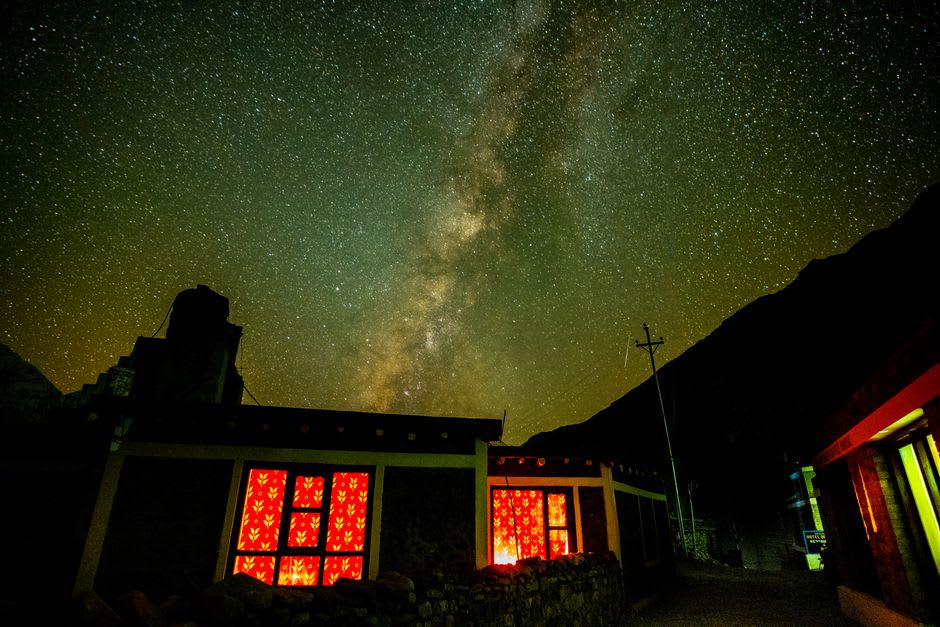
The checkpoint and the edge of the restricted zone
Just north of the village is the checkpoint where trekkers without the (expensive) Upper Mustang permit have to turn back. Lia and I sat at a rooftop café near the barley fields watching groups arrive, get checked, and either continue north toward Chele or turn south toward Jomsom looking deflated. There’s a strange energy to that spot — half the people around you are about to enter one of the last truly restricted regions in Nepal, and you can feel the anticipation shift the whole terrace’s mood. We ordered the local specialty, yak steak with a side of stir-fried greens grown in the surprisingly fertile fields along the river, and watched the light go orange on the canyon walls.
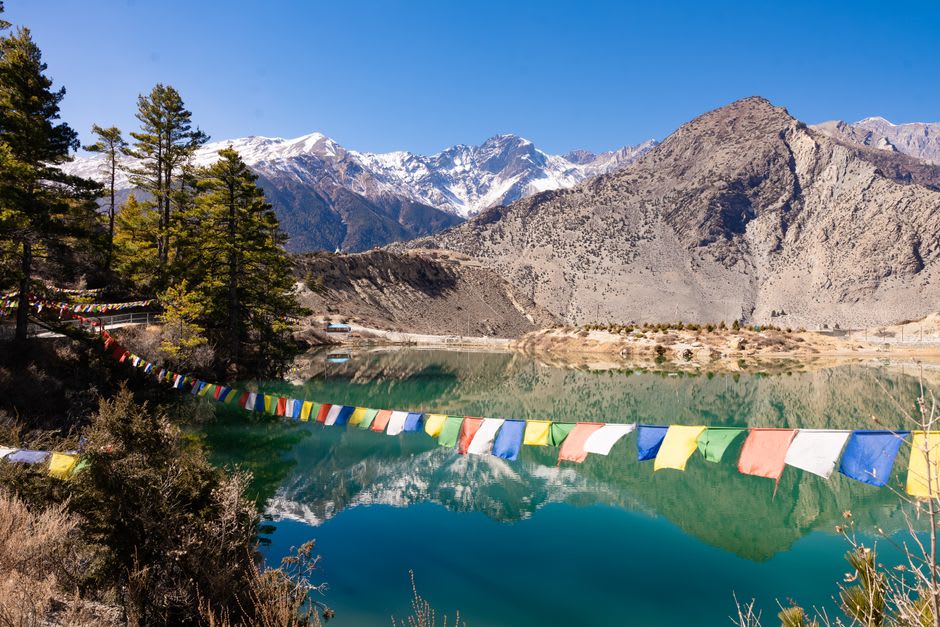
The best hour in Kagbeni is early morning, before the wind picks up, when the alleys are quiet enough to hear your own footsteps and old women are already out sweeping the thresholds of houses that have stood, more or less unchanged, for five hundred years.
When to go: September through November and March through May give you dry trails and the clearest views into the gorge. The afternoon wind is a fixture of the valley year-round — plan your walking for the mornings regardless of season.
Keep exploring
More from Nepal
 nepal
nepal Kakani
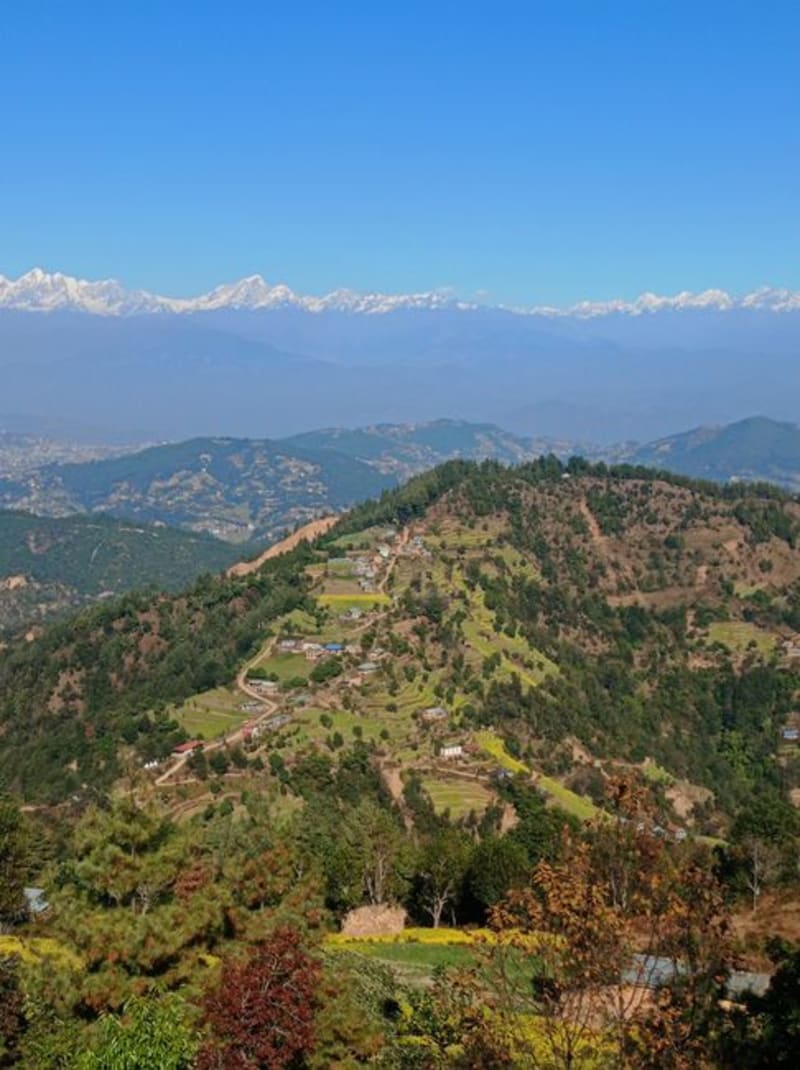
A quiet ridge-top hamlet northwest of Kathmandu, less famous than Nagarkot but with an arguably better angle on the Langtang and Ganesh Himal ranges, plus a pine forest that smells like nowhere else in the valley.
Explore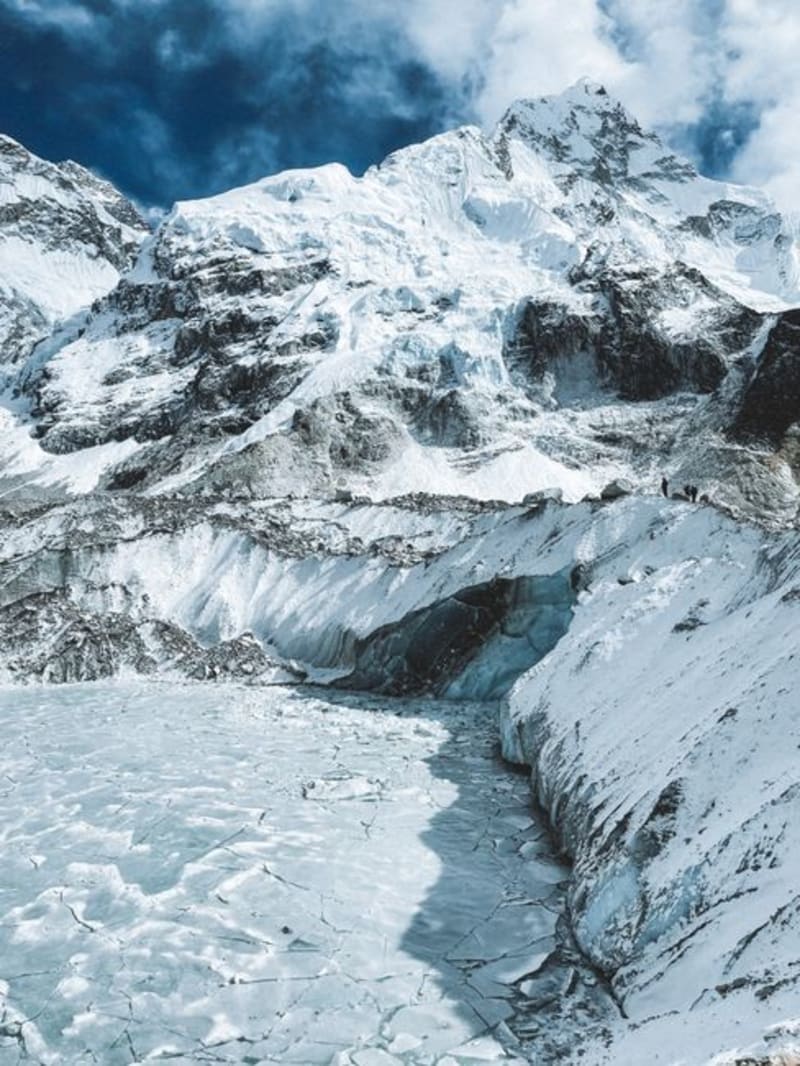 nepal
nepal Kala Patthar
The pre-dawn viewpoint above Gorak Shep that delivers the Everest photograph nobody actually gets from Base Camp itself.
Explore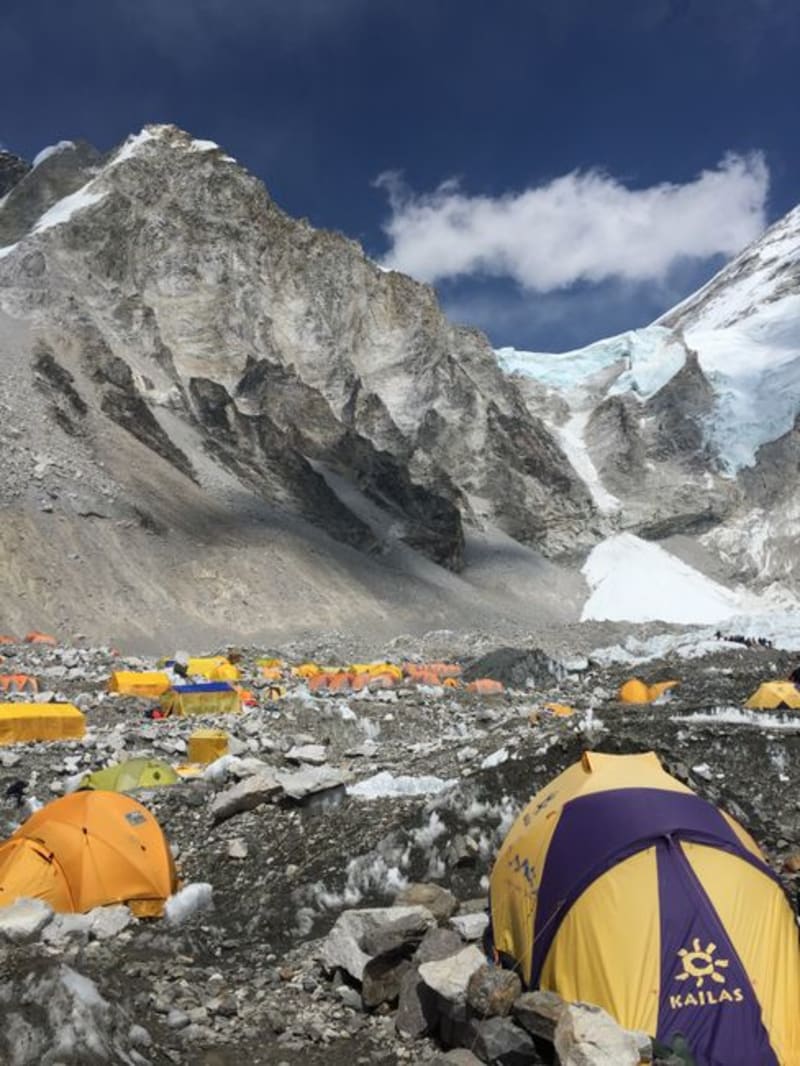 nepal
nepal Kanchenjunga Base Camp
A remote three-week trek to the base of the world's third-highest mountain, through Nepal's most biodiverse and least-crowded conservation area.
Explore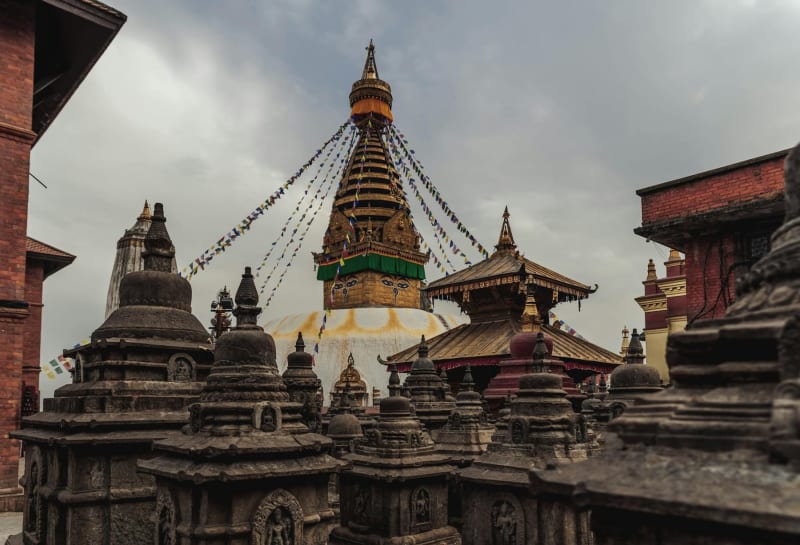 nepal
nepal Kathmandu
A labyrinth of medieval alleys, spinning prayer wheels, and the Boudhanath stupa's all-seeing eyes.
Explore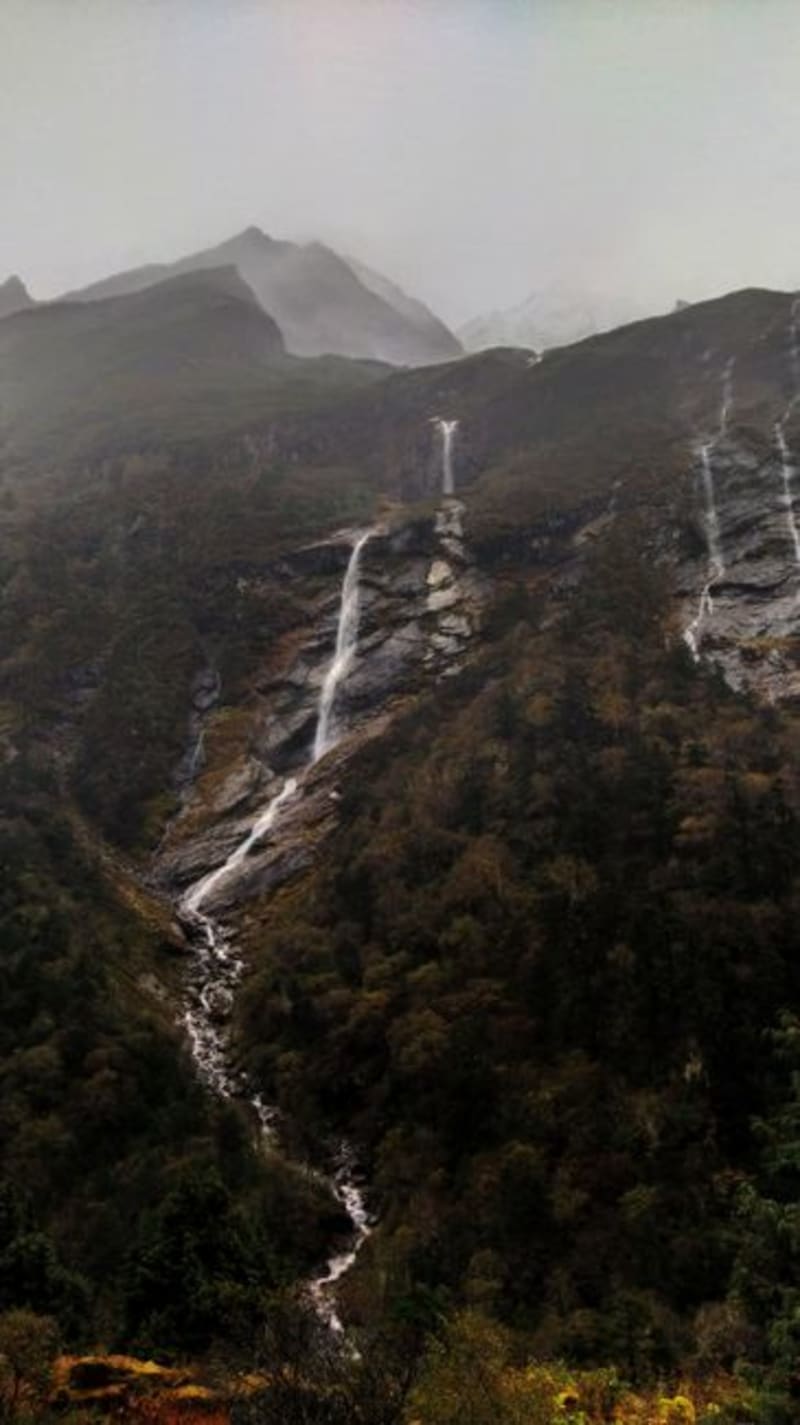 nepal
nepal Khaptad National Park
A high plateau of rolling meadows, oak forest, and hidden lakes in far-western Nepal, sacred to pilgrims and visited by almost no one else.
Explore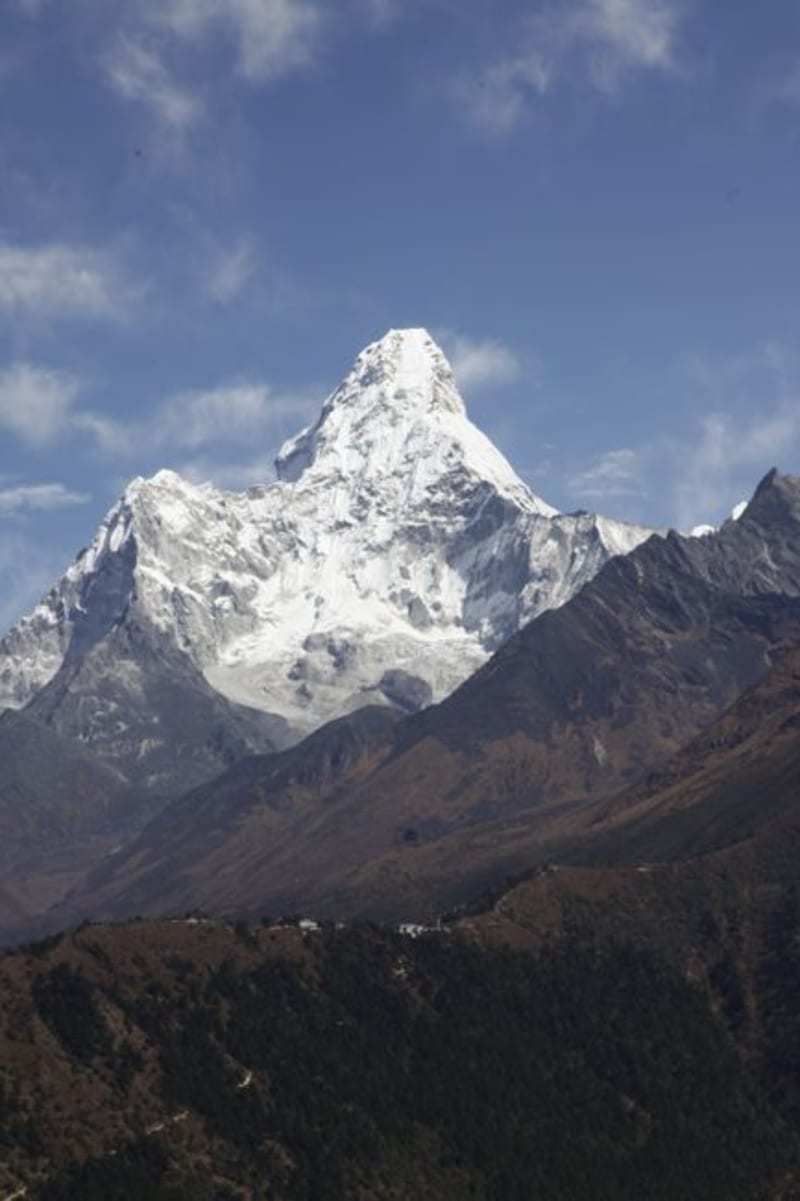 nepal
nepal Khumjung
A quiet Sherpa farming village above Namche, home to Edmund Hillary's oldest school and a monastery relic that draws its own peculiar kind of pilgrim.
Explore