Bikini Atoll
"I dove a nuclear-test ghost fleet in a lagoon so still it felt like swimming through a held breath."
A ghost fleet of sunken warships resting beneath a lagoon still recovering from twenty-three nuclear detonations, reachable only by liveaboard.
There is no ferry to Bikini. There’s barely a way in at all — the only realistic access is a liveaboard dive boat out of Majuro, a journey of a day and a half across open ocean to reach an atoll that the United States evacuated its entire Marshallese population from in 1946 and then detonated twenty-three nuclear devices on and around over the next twelve years, including Castle Bravo, the largest weapon the US ever tested, a thousand times more powerful than Hiroshima. I went in with a small group of wreck-diving obsessives who’d been planning the trip for two years. I’m still not sure I fully processed what I saw until I was back on dry land writing about it.
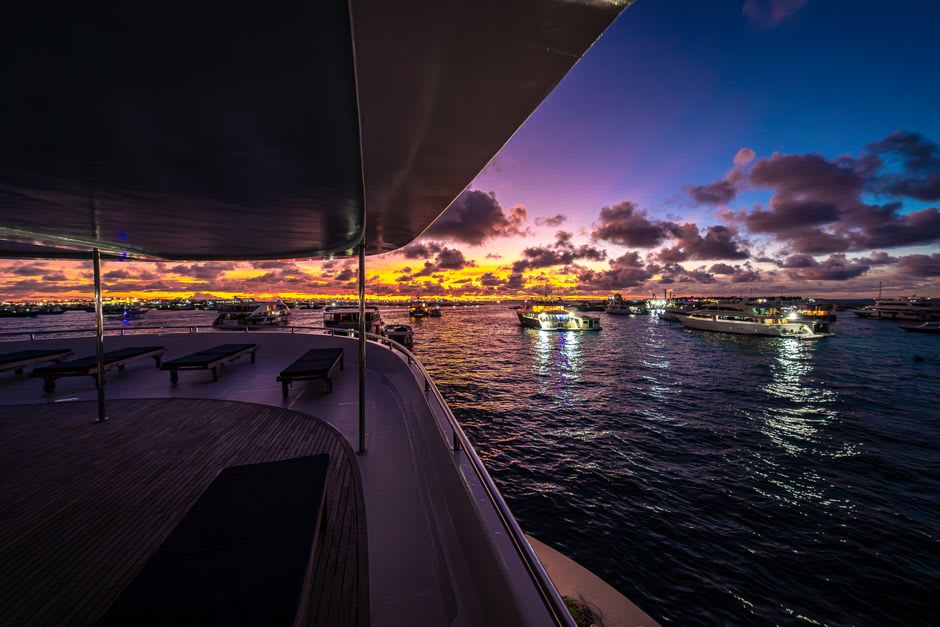
The lagoon floor holds what divers call the “ghost fleet” — a collection of warships, including the captured German cruiser Prinz Eugen and the American aircraft carrier USS Saratoga, deliberately anchored here as target vessels for the 1946 Operation Crossroads tests, then sunk by the blasts and left exactly where they settled. The Saratoga is close to 270 meters long and sits almost fully intact on the lagoon floor, its flight deck, control tower, and aircraft still recognizable eighty years later. Diving it is unlike any wreck dive I’ve done — the scale is disorienting, the visibility exceptional, and the entire time you’re aware, in a way you can’t quite set aside, of exactly why this ship is sitting where it is.
Radiation levels in the lagoon and on the water itself are now considered safe for diving and short visits, monitored continuously, though the land on Bikini Island remains uninhabited — the coconut crabs and produce still carry contamination levels too high for the Bikinian community, still displaced today across other Marshallese islands and in the US, to safely return home to eat what grows there. Our dive guide, whose own family traces back to Bikini, spoke about it plainly and without performance: this is a UNESCO World Heritage Site precisely because of what it represents, not despite it, and diving here means sitting with that history rather than around it.
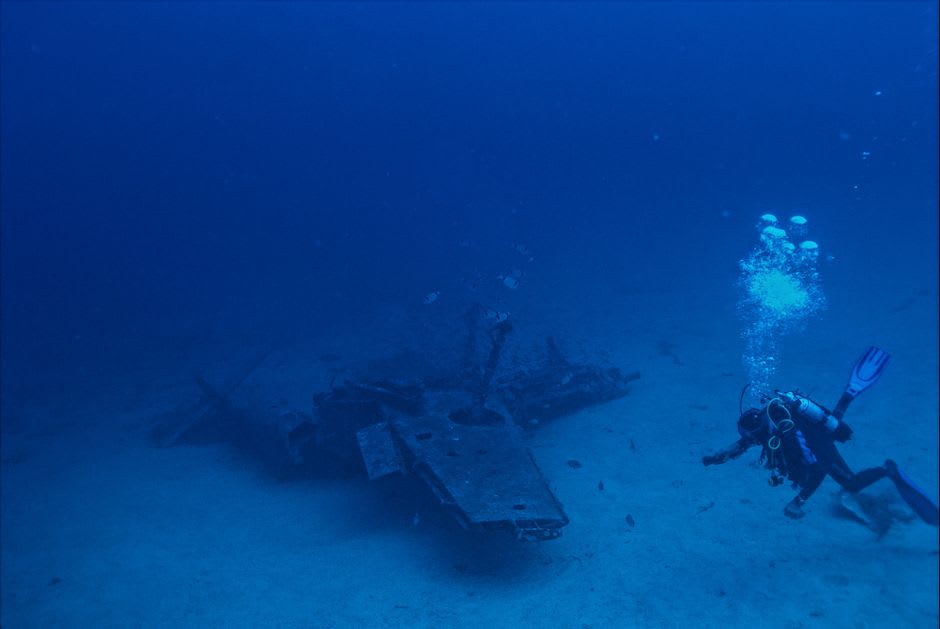
When to go: Liveaboard trips run roughly April through November, weather-dependent, and require advanced open water certification at minimum given the wreck depths. Spots fill a year or more in advance — this is a trip you plan, not one you improvise.
Keep exploring
More from Micronesia
 micronesia
 Chuuk Lagoon
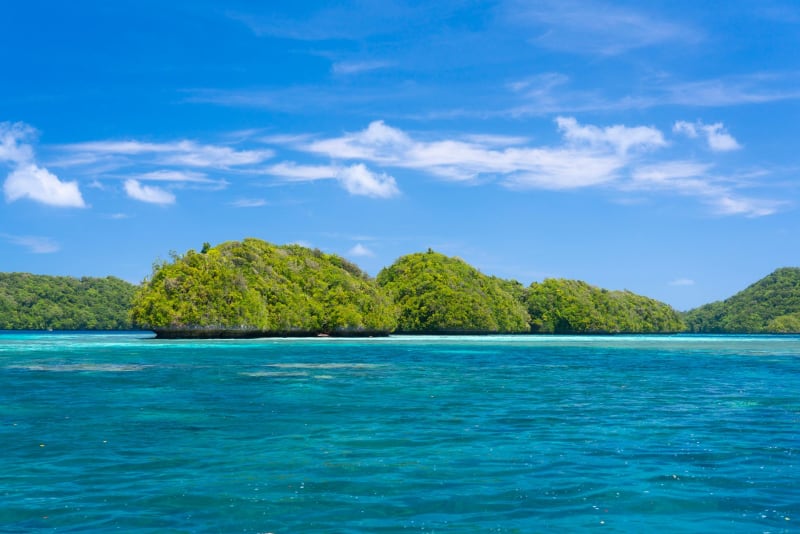
Sixty Japanese warships sleep on the seafloor here, coral-draped and inhabited, the most haunting dive site on the planet.
Explore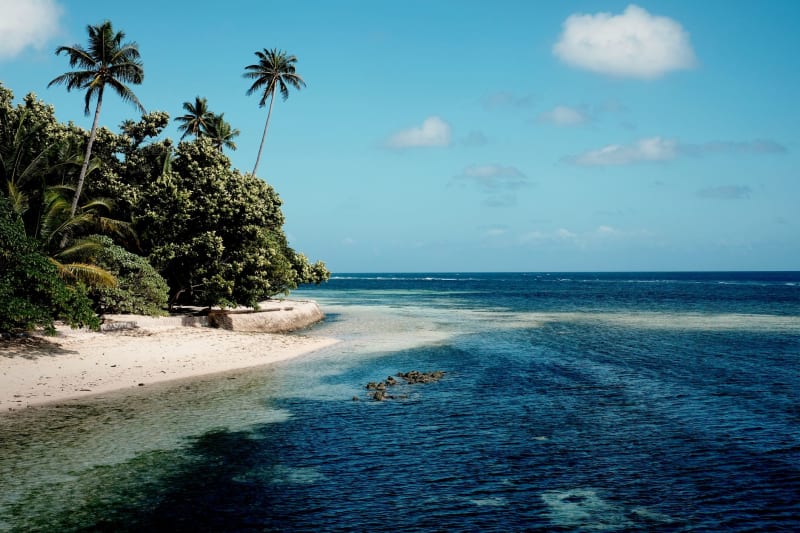 micronesia
 Colonia, Yap
The smallest capital town in the Pacific, where stone money discs line the main road and the pace of life makes slow look rushed.
Explore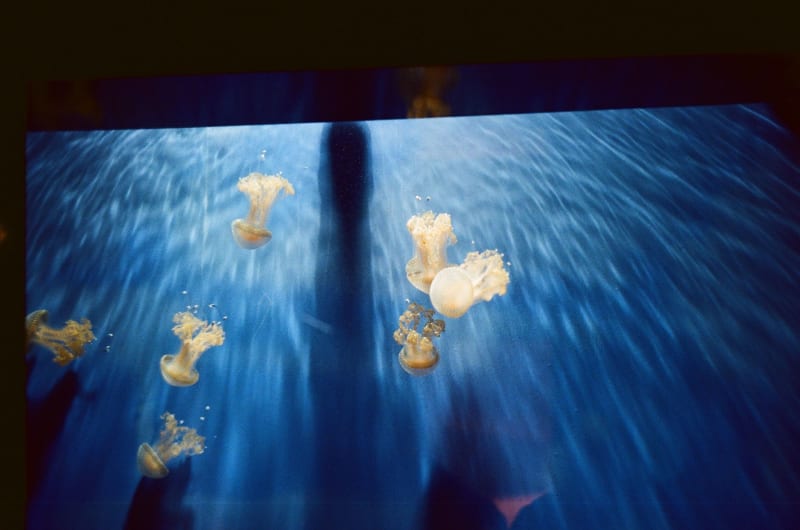 micronesia
 Jellyfish Lake
A landlocked lake in Palau where millions of golden jellyfish have evolved to lose their sting — and swimming among them is genuinely surreal.
Explore micronesia
 Kepirohi Waterfall
A wide jungle waterfall in Pohnpei's Kitti municipality, quietly outshining better-known sights on the same island for the price of a muddy walk.
Explore micronesia
 Koror
Palau's compact, scooter-noisy former capital, where every dive boat, ferry, and cold beer in the country eventually passes through.
Explore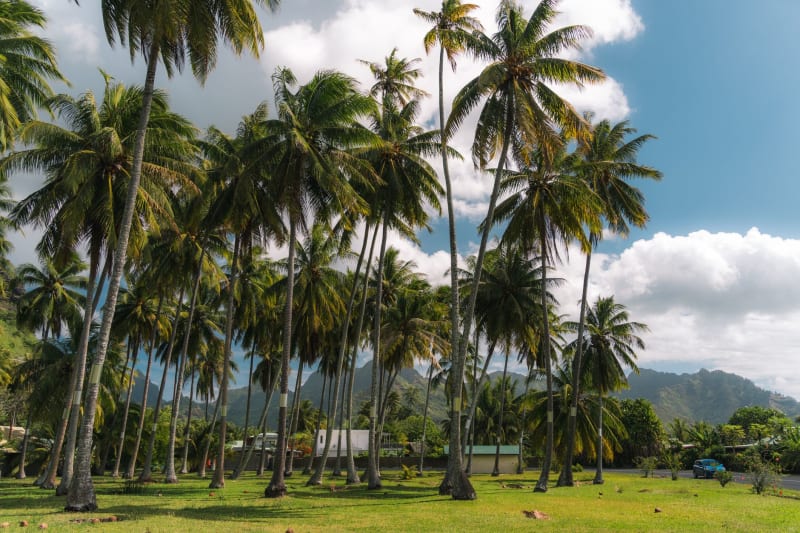 micronesia
 Kosrae
The forgotten island of Micronesia — no cruise ships, no dive crowds, just an impossible reef and a jungle that swallows everything.
Explore