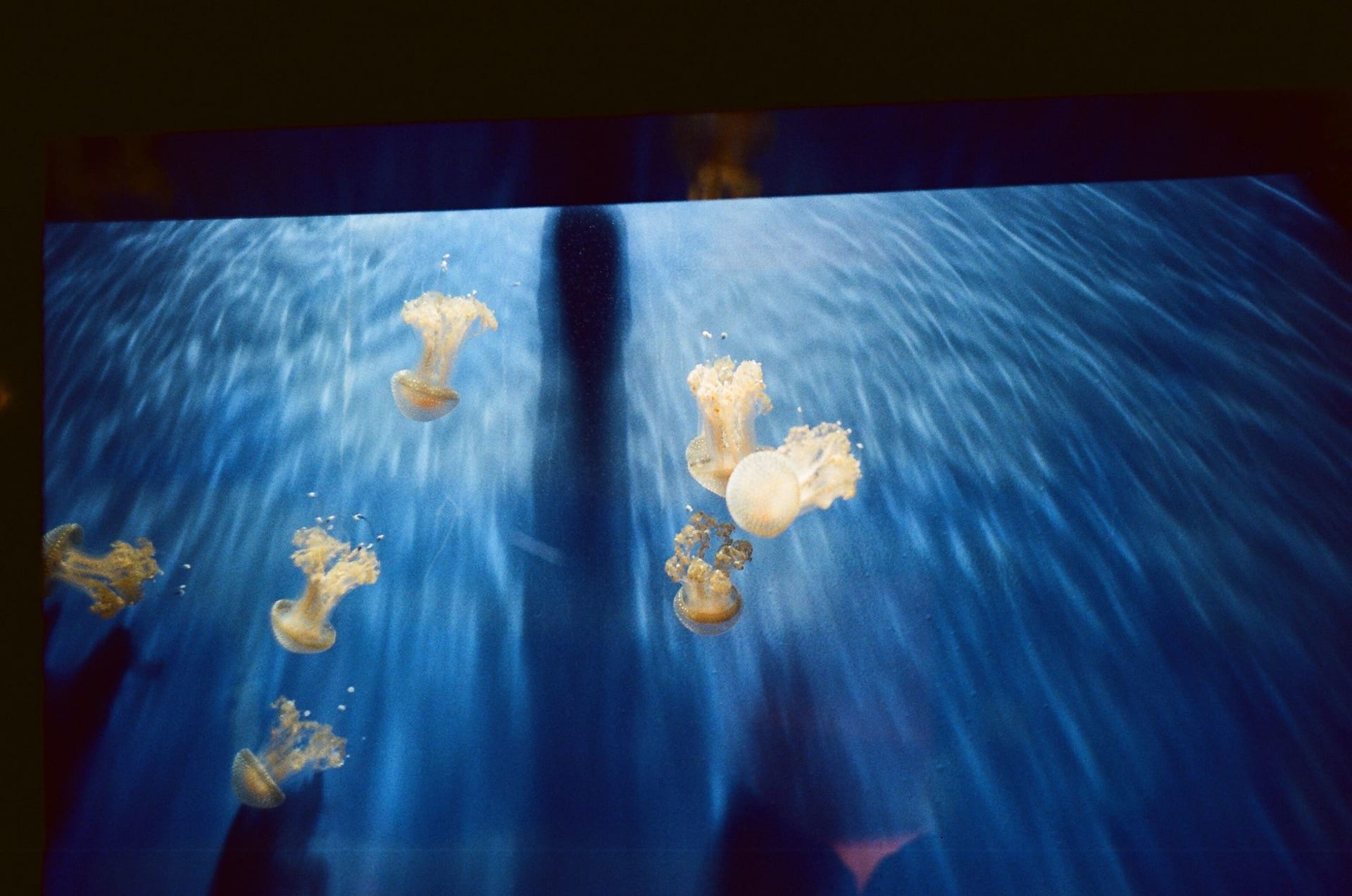
Jellyfish Lake
"I was surrounded by ten million animals that had given up violence. The feeling was very specific."
A landlocked lake in Palau where millions of golden jellyfish have evolved to lose their sting — and swimming among them is genuinely surreal.

The path from the dock climbs over a low ridge through dense tropical forest, switchbacking through roots and mud for about fifteen minutes before the lake appears below — a pocket of still, greenish water cupped in limestone hills, with no visible connection to the ocean except underground. It takes a moment to register that what you’re seeing as gentle movement across the surface is not wind on water. It is the lake’s resident population: tens of millions of golden jellyfish, Mastigias papua etpisonii, a subspecies found nowhere else on earth except in a few other isolated marine lakes in the Rock Islands. I stood at the edge for a while before I got in. I wasn’t sure what the right speed of entry was for something like this.

The backstory of the lake is one of those slow-motion evolutionary experiments the Pacific runs without announcement. When Palau’s Rock Islands were raised from the sea by geological uplift over the past ten to twelve thousand years, pockets of seawater were isolated in their limestone hollows. Some of those pockets became marine lakes — connected to the ocean through underwater fissures in the rock but effectively landlocked. The jellyfish that found themselves trapped in these lakes had no predators and no evolutionary pressure to maintain stinging capability. Over ten millennia, they lost it. The golden jellyfish in Jellyfish Lake can produce a mild contact irritation in sensitive individuals, but nothing that reads as a sting — nothing, at any rate, that penetrates a wetsuit or registers as pain through normal skin. What you are left with when you lower yourself into the water is a lake full of animals the size of your fist, pulsing gently around you, through you, against your mask.
The jellyfish follow the sun. In the mornings they aggregate on the eastern side of the lake, then migrate westward through the day, tracking light for the photosynthetic algae that live within their tissues and provide most of their nutrition. In the water you can see the direction of this migration — not as a crowd moving, but as a texture, a density, a sense that the water itself has grain. I swam with them for an hour and the dominant sensation was something I can only describe as trust — a mutual disinterest in causing harm that produced, in me, an inexplicable calm. When I eventually climbed out, lake water running off my shoulders, I sat on a tree root and looked back at the surface and couldn’t quite make myself leave.

Scuba diving is prohibited in Jellyfish Lake to protect the chemocline — a distinct hydrogen sulfide layer at depth that is lethal and must not be disturbed by bubble agitation. Snorkeling only, which turns out to be the right tool anyway. The jellyfish congregate in the upper meters where the light reaches them. Going deep here would mean moving away from the thing you came for.
When to go: Jellyfish Lake is accessible year-round with a valid Palau Pristine Paradise Environmental Fee pass. Jellyfish populations fluctuate — a severe El Niño event in 2016 nearly eliminated the population, which has since recovered. Mornings offer calmer surface conditions and the eastern aggregation is most concentrated in early hours.
Keep exploring
More from Micronesia
 micronesia
Kepirohi Waterfall
A wide jungle waterfall in Pohnpei's Kitti municipality, quietly outshining better-known sights on the same island for the price of a muddy walk.
Explore micronesia
Koror
Palau's compact, scooter-noisy former capital, where every dive boat, ferry, and cold beer in the country eventually passes through.
Explore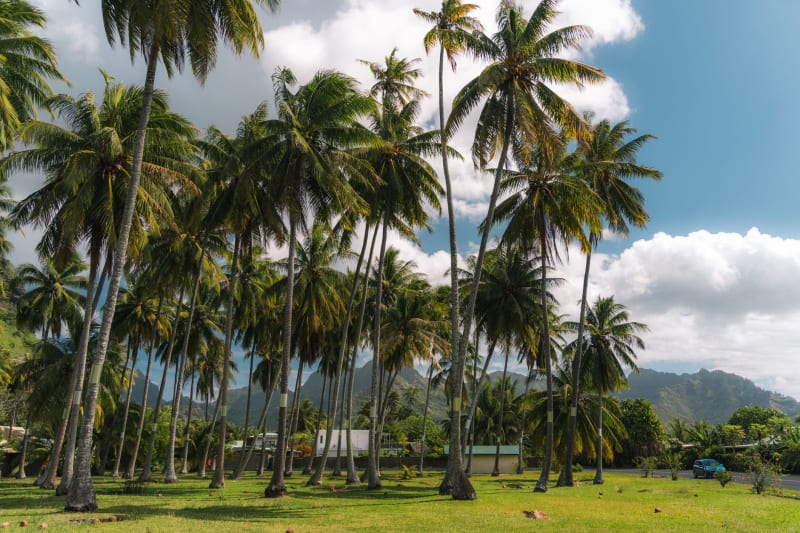 micronesia
Kosrae
The forgotten island of Micronesia — no cruise ships, no dive crowds, just an impossible reef and a jungle that swallows everything.
Explore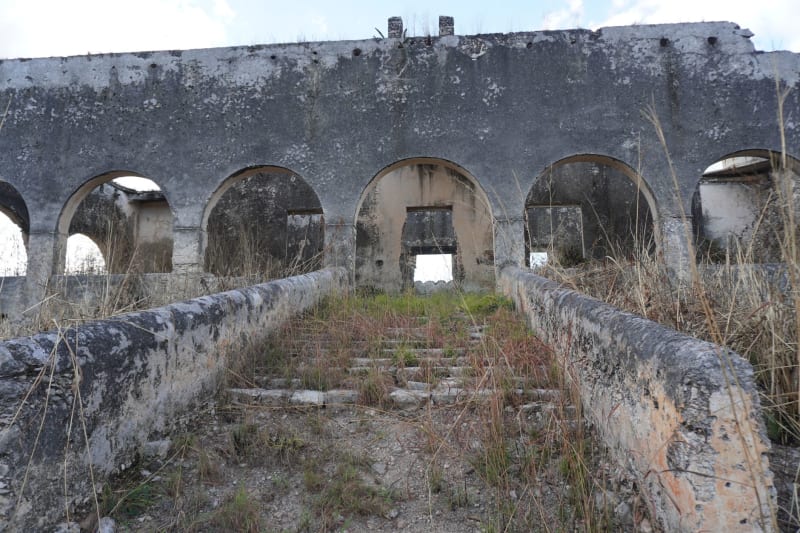 micronesia
Lelu Ruins
Kosrae's ancient stone city — a cousin to Nan Madol, built from basalt, reclaimed by jungle, and almost entirely unvisited.
Explore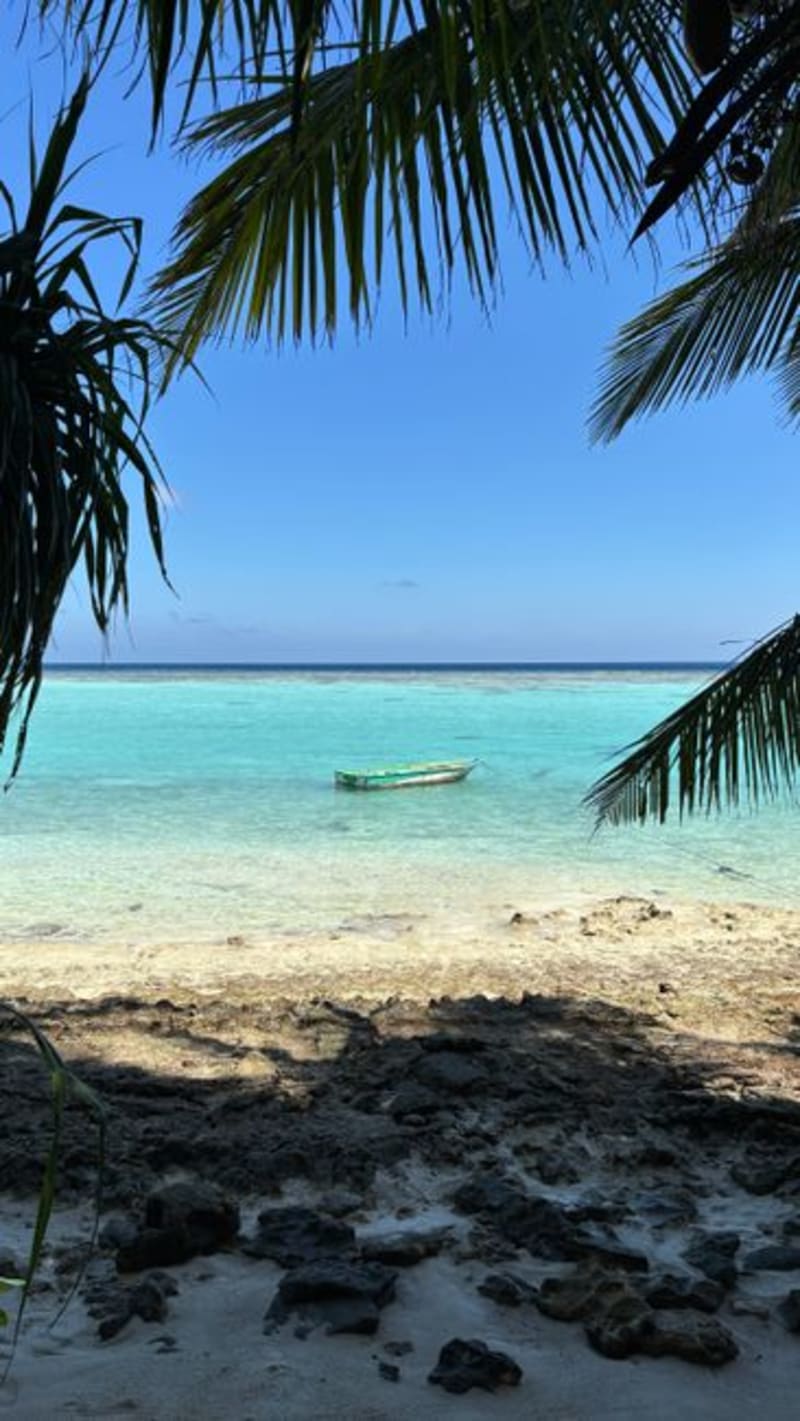 micronesia
Majuro Atoll
A thirty-mile ring of sand barely wider than its one road in places, and the improbable capital of a nation staring down its own disappearance.
Explore micronesia
Nan Madol
A city of basalt and silence built on a lagoon eight centuries ago by a civilization that left no alphabet behind.
Explore