Pacific
Micronesia
"I went for the diving and discovered a silence I didn't know I needed."
More than six hundred islands scattered across an ocean the size of the continental United States, where the underwater world is more alive than anything above the surface.

I flew into Pohnpei with a broken dive computer and no real plan, which turned out to be exactly the right way to arrive. The capital of the Federated States of Micronesia is not a place that rewards itineraries. It rains almost every day, the roads turn to red mud, and the island is wrapped so densely in jungle that you can’t see the water from the center of town. What you can see, if you’re paying attention, is the ruins of Nan Madol — a city built entirely on a lagoon, stone by massive basalt stone, sometime around the thirteenth century, by a civilization that left almost no written record. I sat there in the afternoon rain for two hours and barely saw another person. That is not something that happens at a UNESCO World Heritage Site with a history this strange.
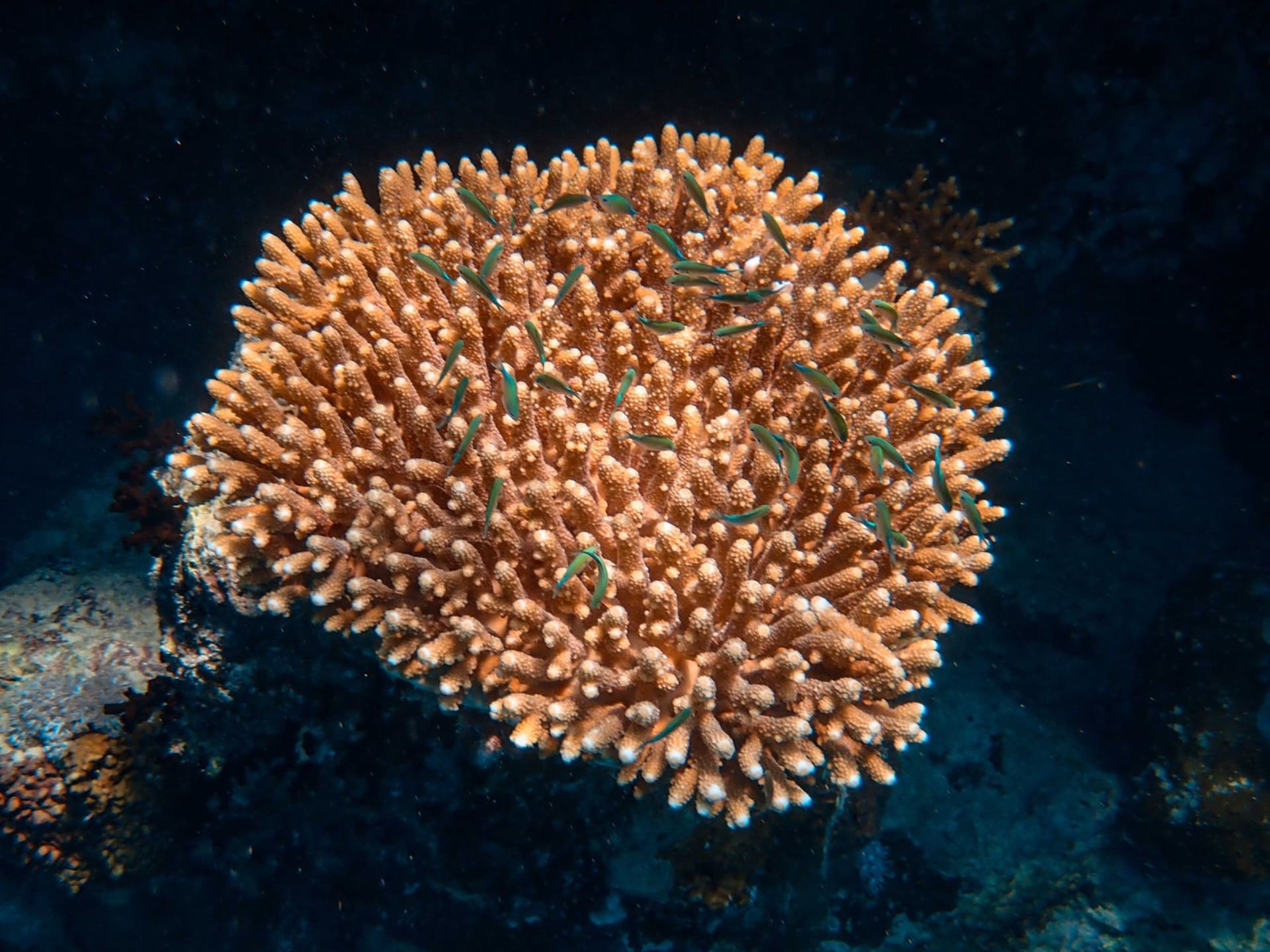
The diving is what most people come for, and it deserves every superlative it gets. Truk Lagoon — now more commonly called Chuuk — holds the wreck of an entire Japanese fleet sunk during Operation Hailstone in February 1944. Sixty-plus ships, now draped in coral, populated by lionfish and barracuda, resting at depths that make them accessible to recreational divers. I did five dives over two days and surfaced each time feeling like I had been watching a war documentary from the inside. The light filtering through a destroyer’s hull at thirty meters is something that doesn’t translate into photographs. Palau, technically a separate republic but geographically and culturally part of this Pacific world, has Jellyfish Lake — where you can swim through millions of golden jellyfish that have evolved to lose their sting — and walls of soft coral that start at the surface and drop to hundreds of meters. The marine biologists I met in Palau talked about it the way art historians talk about the Louvre.
Above the water, Micronesia rewards patience and discomfort in roughly equal measure. The infrastructure is patchy, the inter-island flights run on schedules that are more aspirational than operational, and many of the best places require a local contact or a boat. But the rewards are proportionate. Yap still practices traditional stone money — huge circular limestone discs, some too heavy to move, whose ownership is tracked through oral history. The local men on Yap wear loincloths not for tourists but because it’s Tuesday.
When to go: December to April is the dry season across most of Micronesia and the peak period for diving visibility. Typhoon season runs June through November, though Palau sits mostly outside the typhoon belt and stays viable year-round. Chuuk’s wrecks are good any time, but clearest from January to March.
What most guides get wrong: They sell Micronesia purely as a diving destination and leave everyone else with the impression there’s nothing to do if you don’t go underwater. The surface history here — Nan Madol, Yapese stone money, the WWII legacy written into every lagoon — is extraordinary on its own terms. The real problem isn’t the lack of things to do. It’s that getting between islands requires planning, patience, and a tolerance for small prop planes with creative departure times.
Explore
Places in Micronesia
 micronesia
 Bikini Atoll
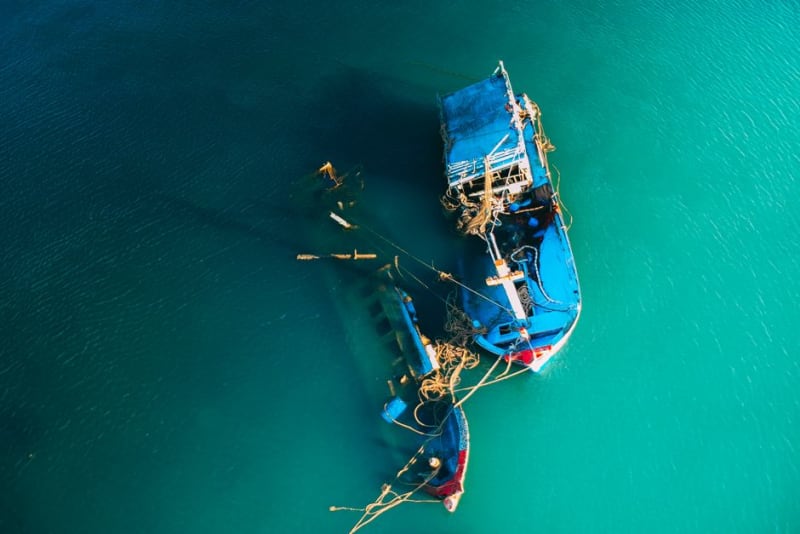
A ghost fleet of sunken warships resting beneath a lagoon still recovering from twenty-three nuclear detonations, reachable only by liveaboard.
Explore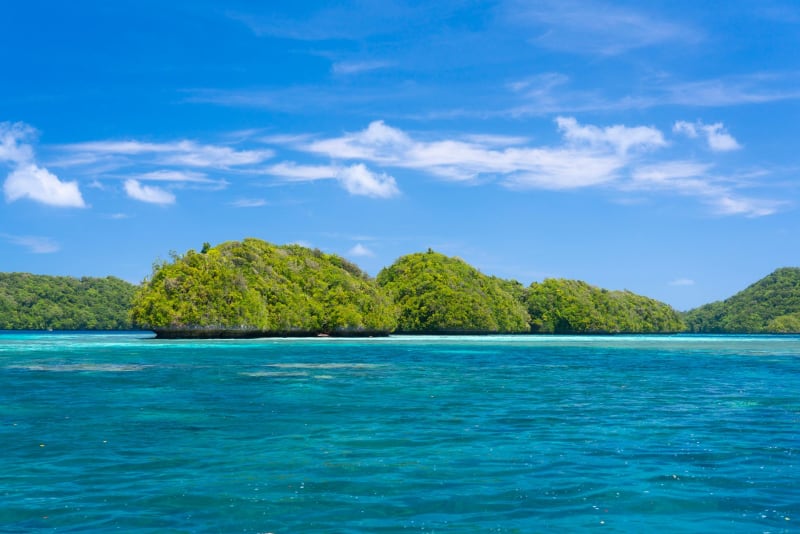 micronesia
 Chuuk Lagoon
Sixty Japanese warships sleep on the seafloor here, coral-draped and inhabited, the most haunting dive site on the planet.
Explore micronesia
 Colonia, Yap
The smallest capital town in the Pacific, where stone money discs line the main road and the pace of life makes slow look rushed.
Explore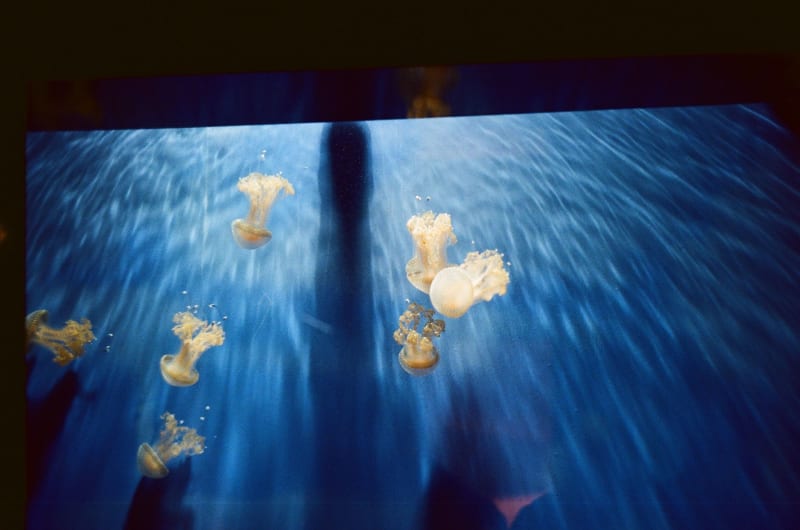 micronesia
 Jellyfish Lake
A landlocked lake in Palau where millions of golden jellyfish have evolved to lose their sting — and swimming among them is genuinely surreal.
Explore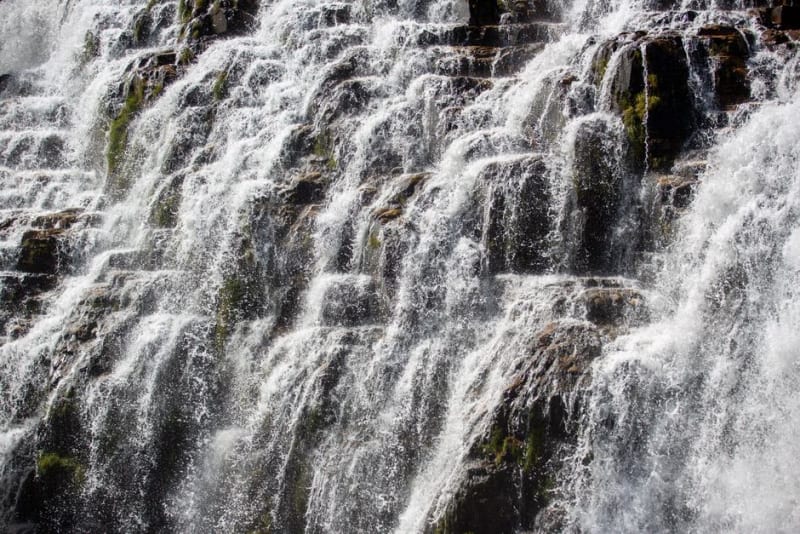 micronesia
 Kepirohi Waterfall
A wide jungle waterfall in Pohnpei's Kitti municipality, quietly outshining better-known sights on the same island for the price of a muddy walk.
Explore micronesia
 Koror
Palau's compact, scooter-noisy former capital, where every dive boat, ferry, and cold beer in the country eventually passes through.
Explore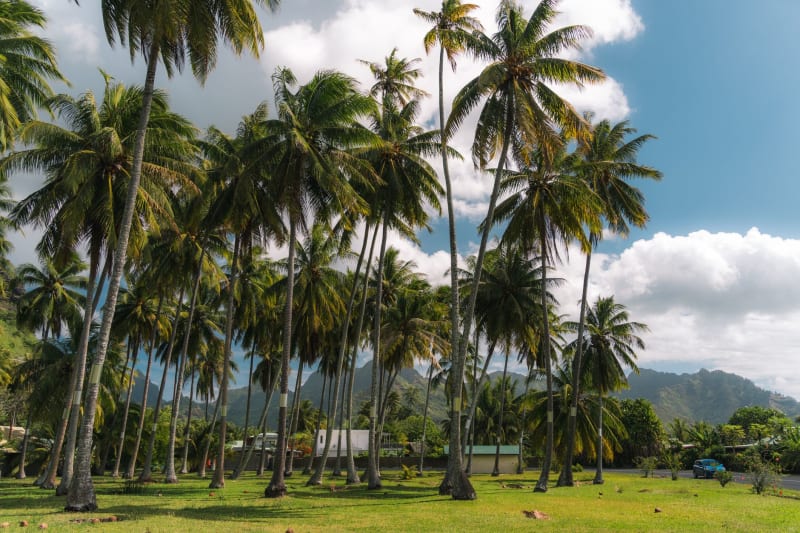 micronesia
 Kosrae
The forgotten island of Micronesia — no cruise ships, no dive crowds, just an impossible reef and a jungle that swallows everything.
Explore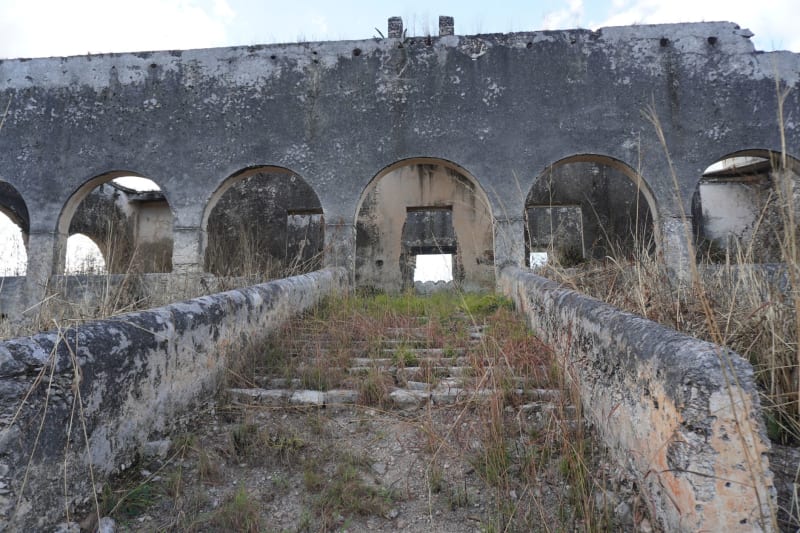 micronesia
 Lelu Ruins
Kosrae's ancient stone city — a cousin to Nan Madol, built from basalt, reclaimed by jungle, and almost entirely unvisited.
Explore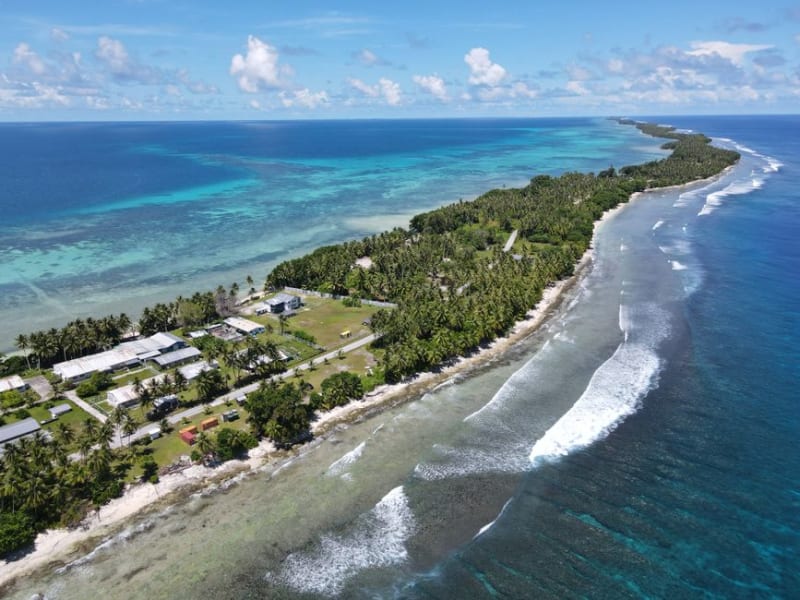 micronesia
 Majuro Atoll
A thirty-mile ring of sand barely wider than its one road in places, and the improbable capital of a nation staring down its own disappearance.
Explore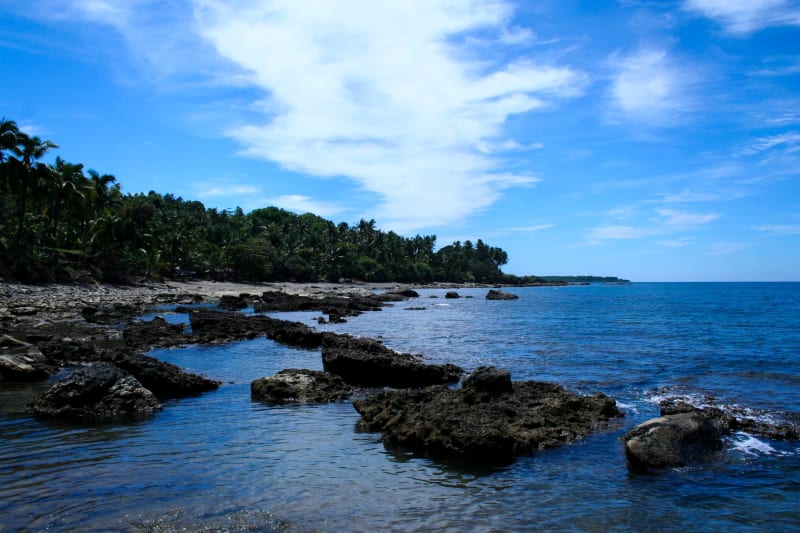 micronesia
 Nan Madol
A city of basalt and silence built on a lagoon eight centuries ago by a civilization that left no alphabet behind.
Explore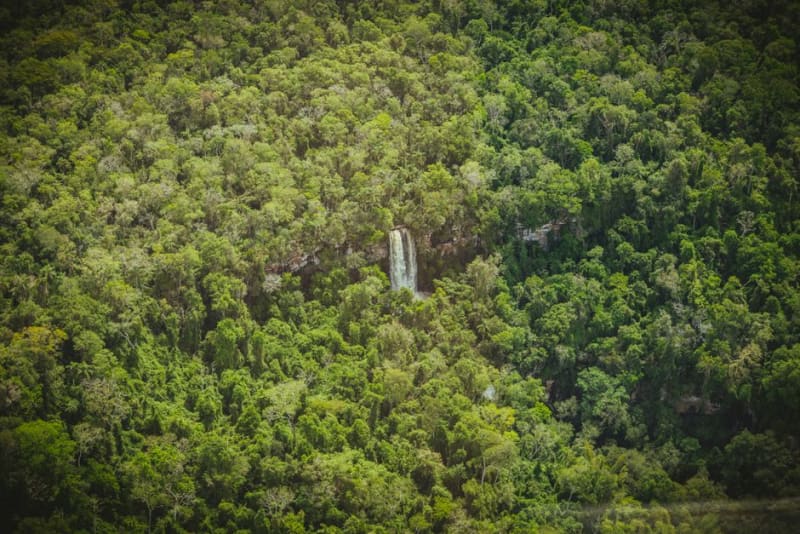 micronesia
 Ngardmau Falls
Palau's tallest waterfall, reached by an old Japanese mining railway that's been reborn as the strangest, most fun jungle cart ride I've taken.
Explore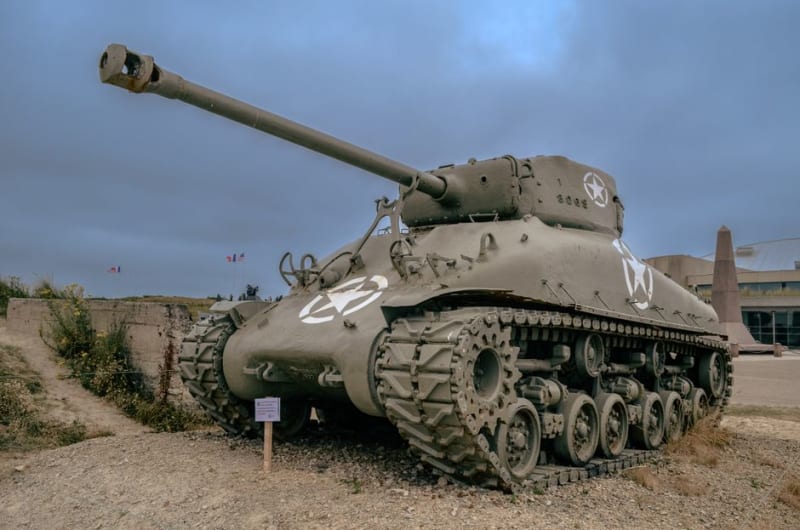 micronesia
 Peleliu
A small Palauan island where the jungle has spent eighty years quietly reclaiming one of the bloodiest battlefields of the Pacific War.
Explore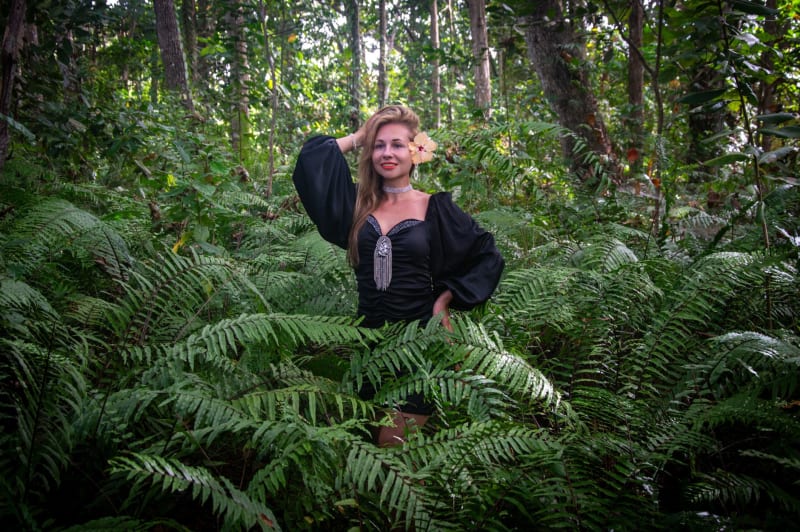 micronesia
 Pohnpei
The wettest island in Micronesia, where red mud roads disappear into jungle and the local kava makes your tongue go numb.
Explore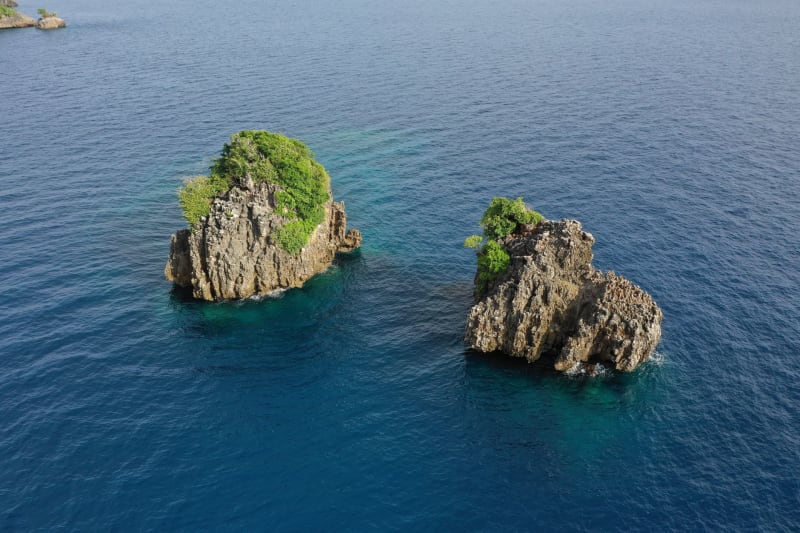 micronesia
 Rock Islands
Two hundred mushroom-shaped limestone islands scattered across a turquoise lagoon, each one undercut by salt water into something that shouldn't float.
Explore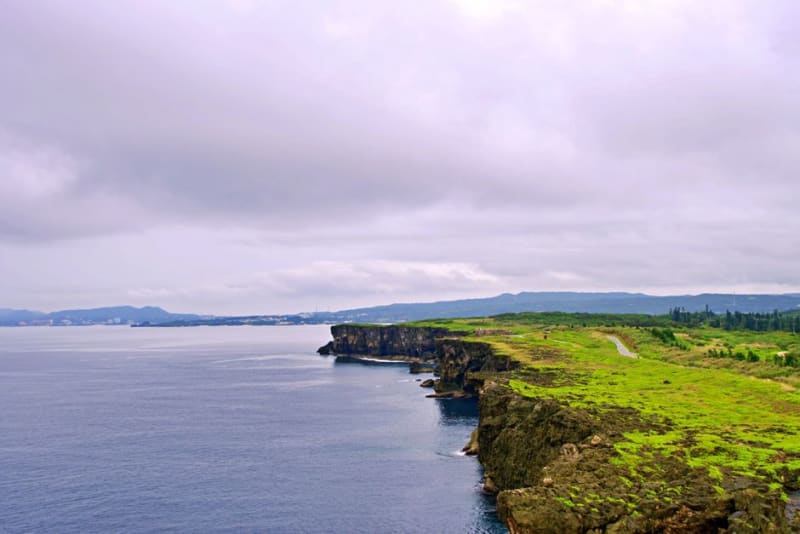 micronesia
 Saipan
The former Japanese capital of the Pacific mandate, where invasion beaches, karaoke bars, and a suicide cliff sit within a few kilometers of each other.
Explore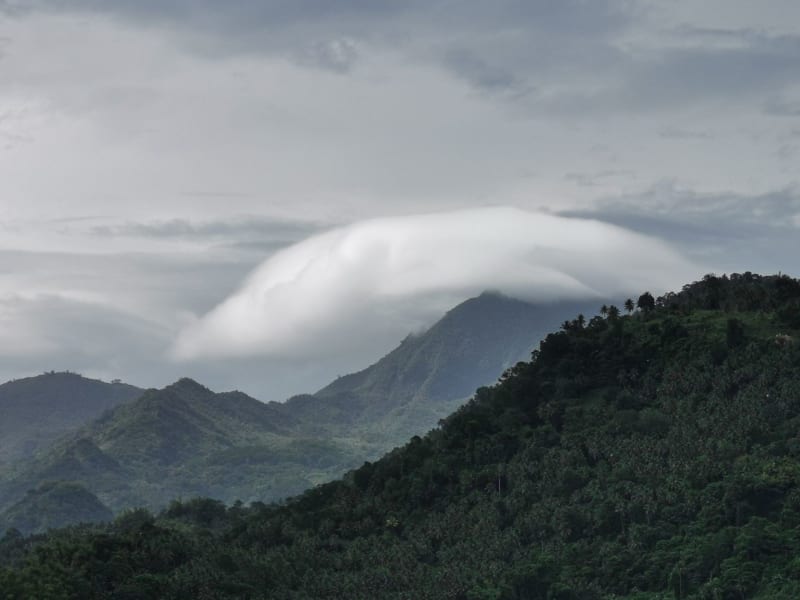 micronesia
 Sokehs Ridge
A basalt cliff that looms over Pohnpei's lagoon carrying the weight of a rebellion history textbooks elsewhere never bother to mention.
Explore