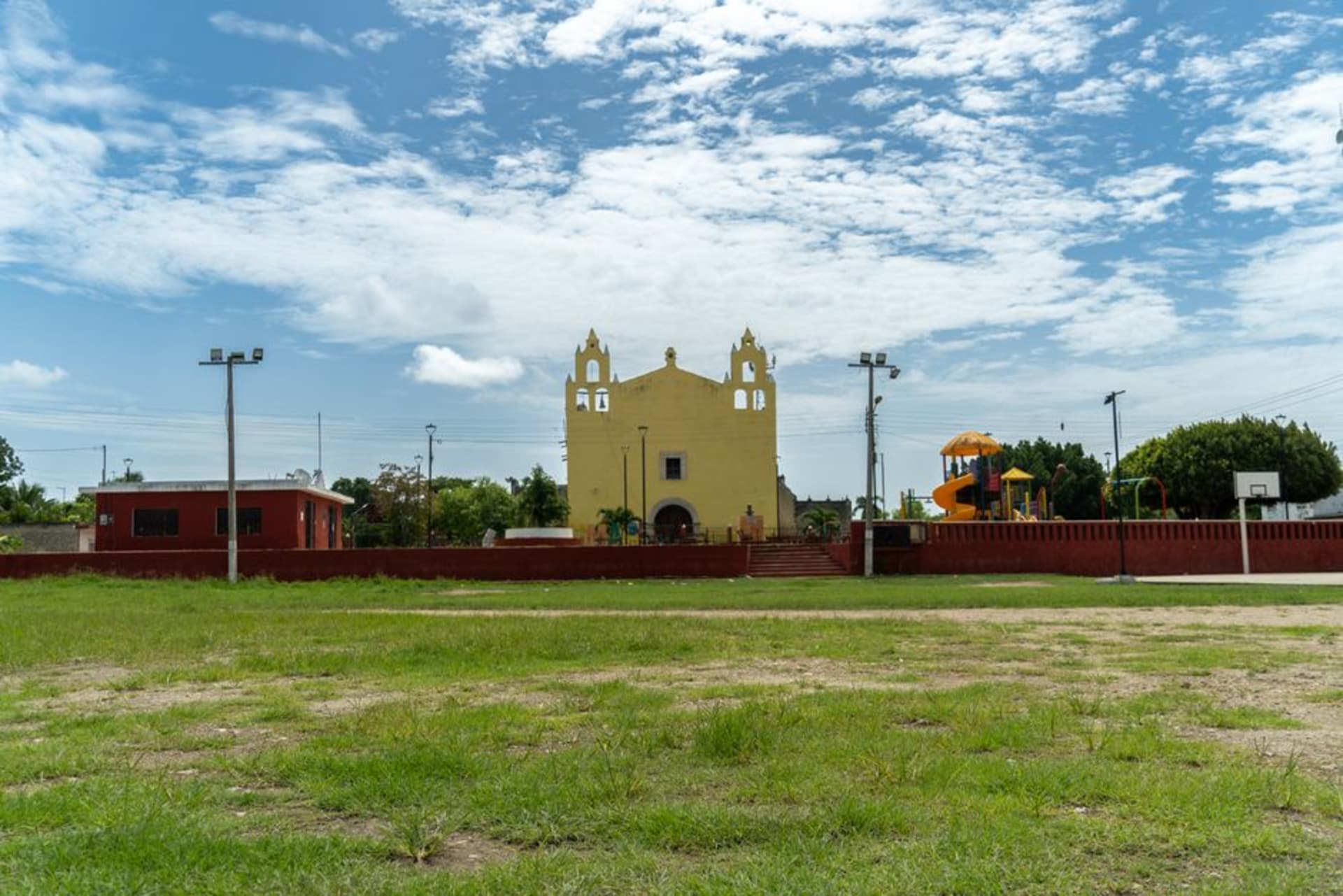
Tekax
"At dusk, a hundred thousand bats leave the cave in a spiral that takes twenty minutes to unwind."
Tekax sits at the southern edge of Yucatán where the highway traffic thins and the towns grow quieter. A massive Franciscan convent anchors a plaza that empties by nine at night, and a few kilometers out, a cave holds one of the largest bat colonies in the peninsula.

I stopped in Tekax because I had a slow puncture and the vulcanizadora was closed for lunch. By the time the tire was fixed I had eaten a bowl of sopa de lima at a table on the plaza, walked the length of the market twice, and decided there was no particular rush to leave. That was two years ago. I have been back three times since — which is about three more times than most people making the run between Mérida and Maní ever manage.
The Convent of San Juan Bautista
The convent is enormous in the way that Franciscan ambition in the sixteenth century was enormous — built to dominate not just the skyline but the imagination. The atrium alone could hold several hundred people, and on a Tuesday afternoon in June it held me, two dogs, and a man selling elotes from a cart near the gate. The church interior is stripped down, almost severe, which I find more affecting than the gilded altarpieces you see in the bigger Yucatán towns. The proportions are what stay with you. Standing at the back of the nave looking toward the altar, the barrel vault seems to compress distance and time in equal measure. The convent cells along the north cloister are partly accessible, and the views from the upper corridor across the rooftops to the sierra are worth the climb.

The Market and the Food
The Mercado Municipal in Tekax is the kind of place where everything on sale was grown or made within a two-hour radius, not because it is curated that way but because that is simply what people here eat. I have bought chaya leaves still damp from the field, recados ground to order, and a wedge of queso de bola so fresh it was still warm. The fondas along the back wall open early and serve poc chuc, papadzules, and a relleno negro that is genuinely dark and complex in a way that the version in tourist restaurants in Mérida is not. Bring cash. Bring a bag. Go before noon.

Gruta de Xtacumbilxunaan
The cave is about six kilometers outside town, a short and dusty drive down a road that the GPS treats with suspicion. The stalactites are fine — all caves have stalactites. What you come for is the exit flight. Around six in the evening, the bat colony begins to move, and for the next twenty minutes the sky above the cave mouth fills with a continuous dark spiral of perhaps a hundred thousand individuals, banking south in tight formation before dispersing across the milpa. It is entirely silent from a distance and entirely worth the wait. Bring something to sit on.

Getting There
Tekax is roughly 130 kilometers south of Mérida along Highway 184, about two hours by car. ADO runs daily buses from the Mérida CAME terminal, journey time around two and a half hours. There is no colectivo network worth relying on once you are in town, so a rental car or taxi arrangement makes the cave visit easier. Accommodation is limited — a couple of small hotels on the plaza, nothing fancy.
Keep exploring
More of Yucatán
Keep exploring
More from Yucatán
 mexico
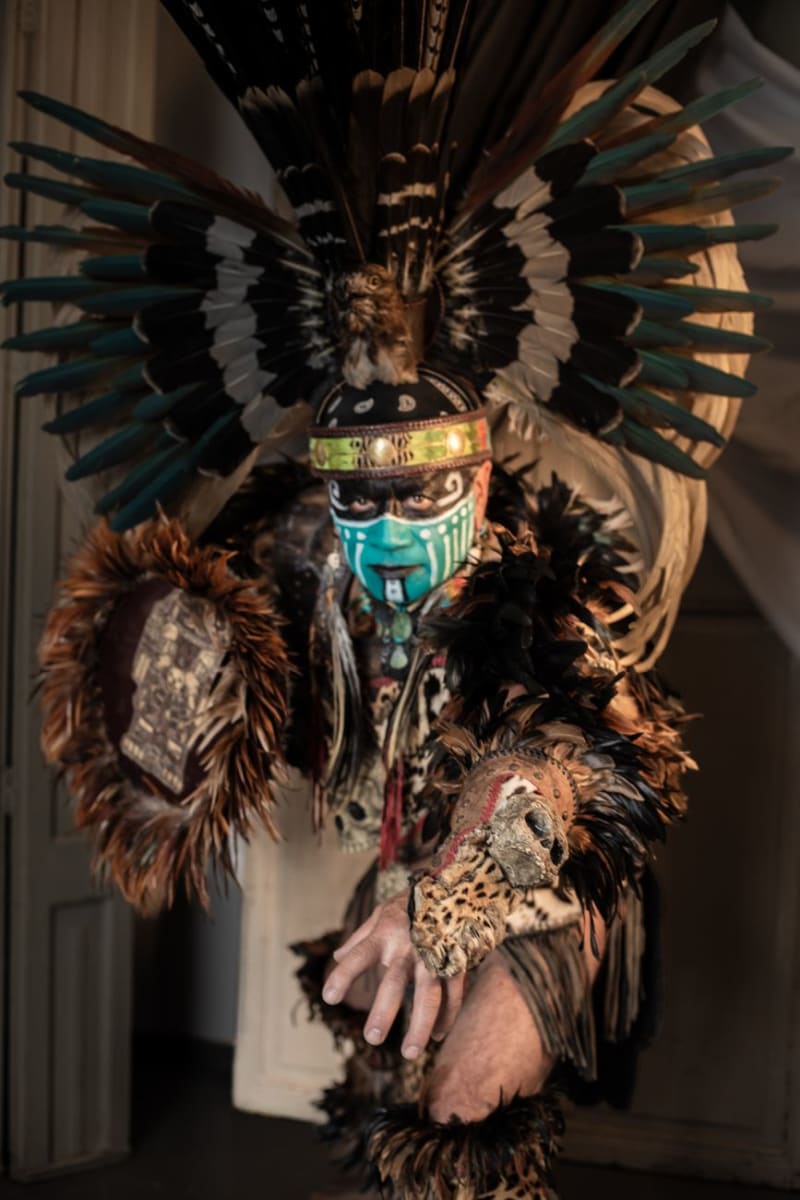
 Oxkutzcab
Oxkutzcab is the market capital of the Puuc hills region, a city in southern Yucatán whose surrounding groves produce limes, mandarins, oranges, mangoes, mamey, and the specific Yucatecan citrus varieties used in regional cooking. The Friday market is the largest in the Puuc zone, a genuine supply center for the Maya villages of the surrounding hills rather than a tourist operation. I bought a kilo of limes for three pesos, drove the Puuc Route, and ate tacos de cochinita in the market on the way back, which is roughly the correct order of operations.
Explore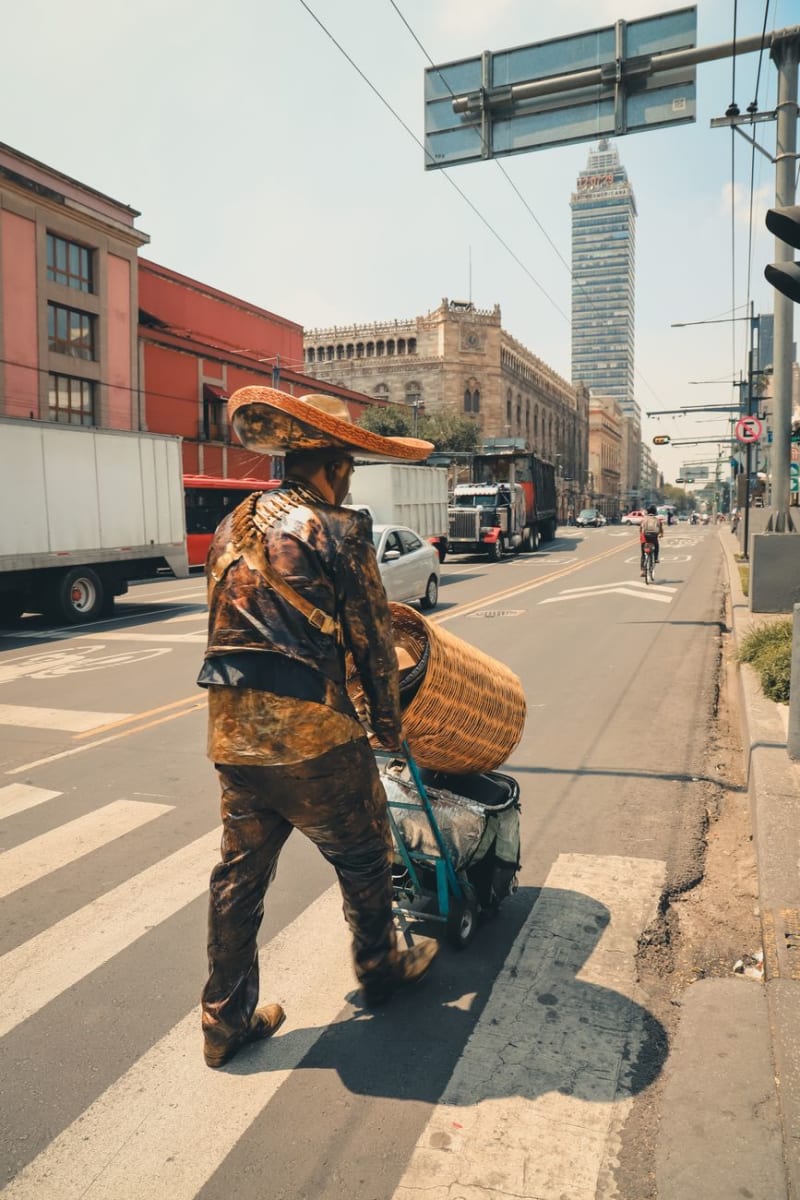 mexico
 Maní
Maní is a small town in the Puuc hills of Yucatán where, on July 12, 1562, the Franciscan bishop Diego de Landa burned the Maya codices — the folded bark-paper books containing centuries of astronomical, religious, and historical knowledge. Only four Maya codices survive in the entire world. The church where this happened is still standing. The town, somehow, makes the finest poc chuc I have eaten anywhere in the Yucatán.
Explore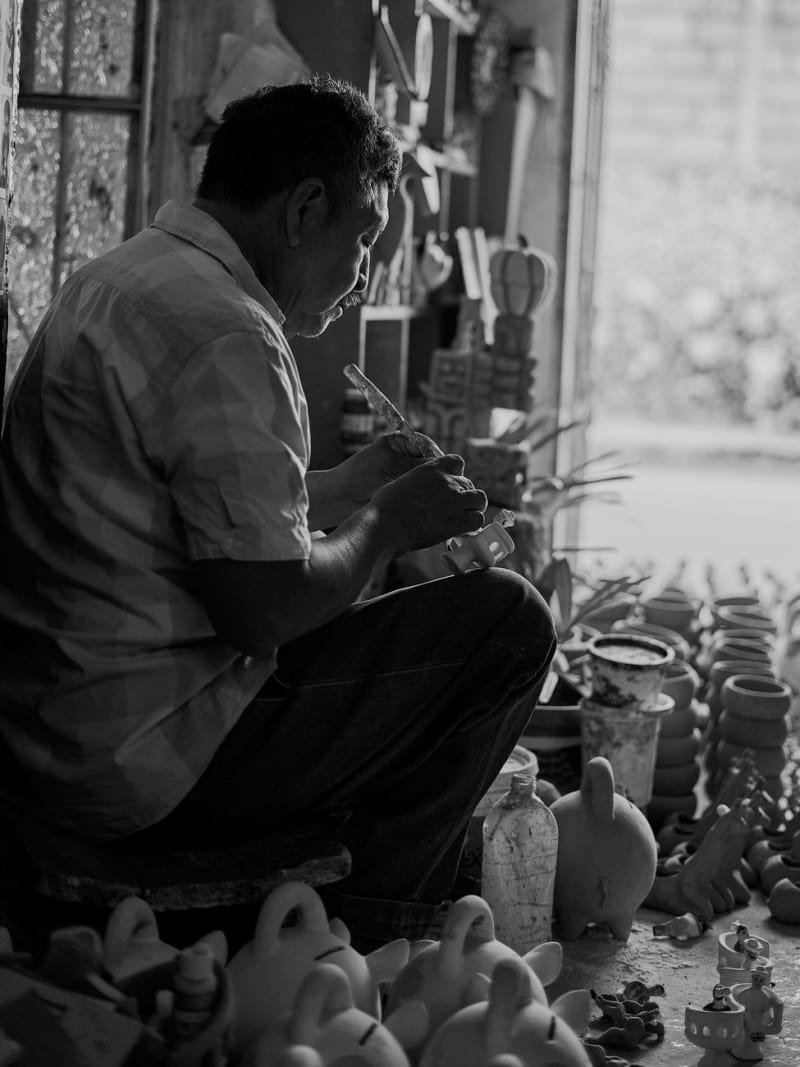 mexico
 Ticul
Ticul sits in the Puuc hills of southern Yucatán, 17 kilometers from the ruins of Uxmal, known for two things that coexist with improbable practicality: traditional Maya pottery in red local clay and handmade women's shoes. The food reason to come is poc chuc — thin-cut pork marinated in sour orange and grilled over wood — cooked here with a simplicity that the Mérida versions, however decent, cannot replicate. I ate it in a restaurant that has occupied the same building since 1965 and understood that I had been ordering the wrong thing in the capital for several months.
Explore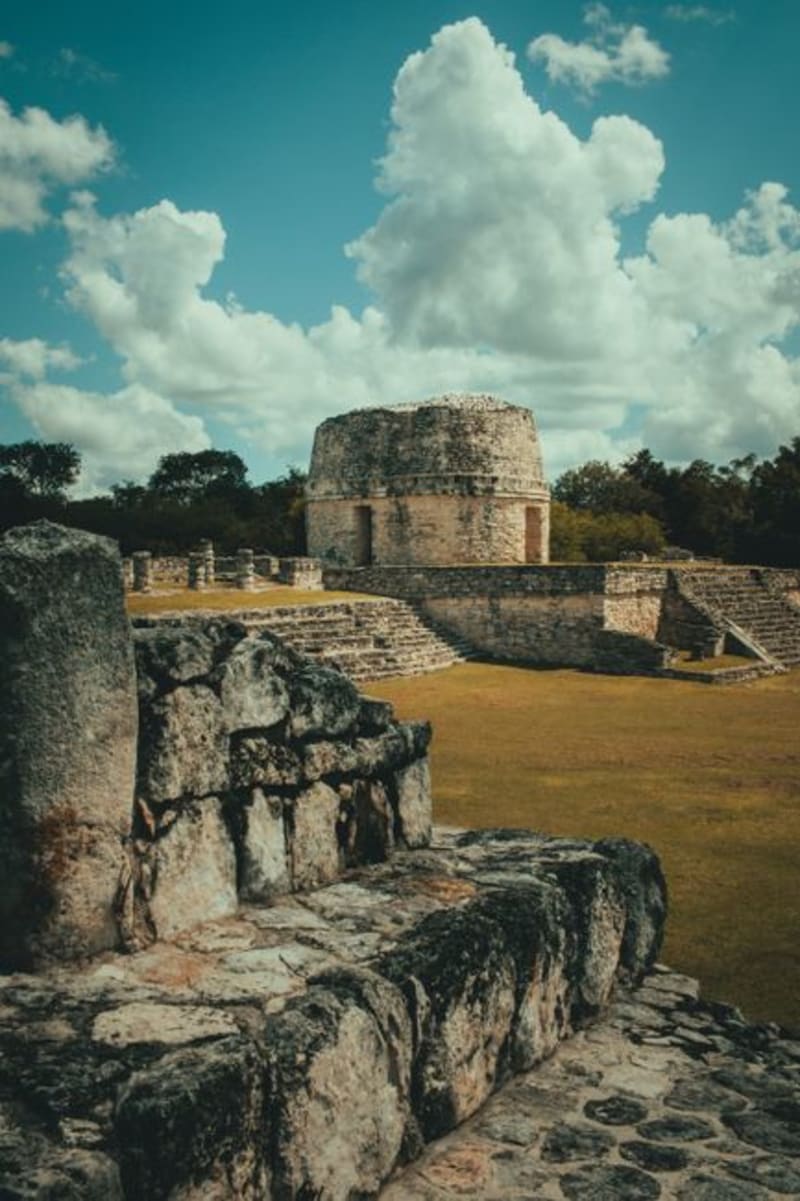 mexico
 Mayapán
The last great Maya capital before Spanish contact, Mayapán governed most of Yucatán for two centuries and now receives a fraction of the visitors that Chichén Itzá collects in a single morning. Quiet, archaeologically serious, and strangely intimate for a site of such historical consequence.
Explore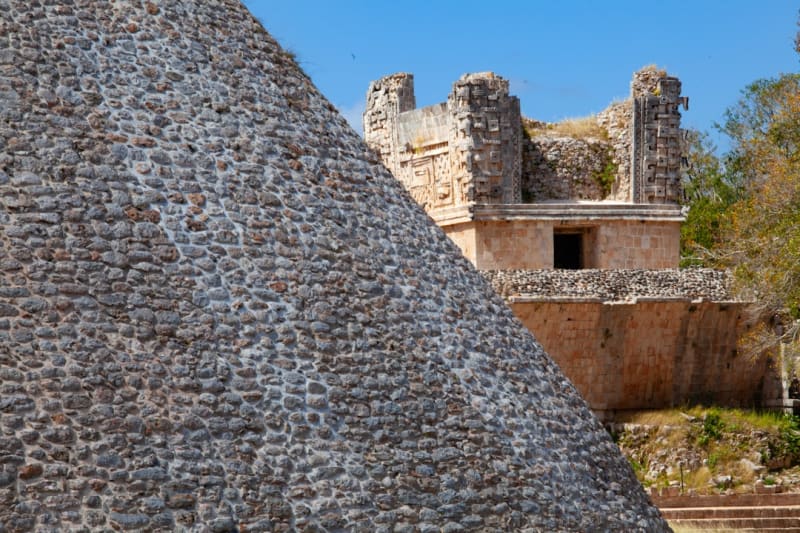 mexico
 Uxmal
The finest Maya architecture in the Yucatán — Puuc-style stone mosaic facades, a pyramid built to align with Venus, and almost none of the crowds that swamp Chichén Itzá.
Explore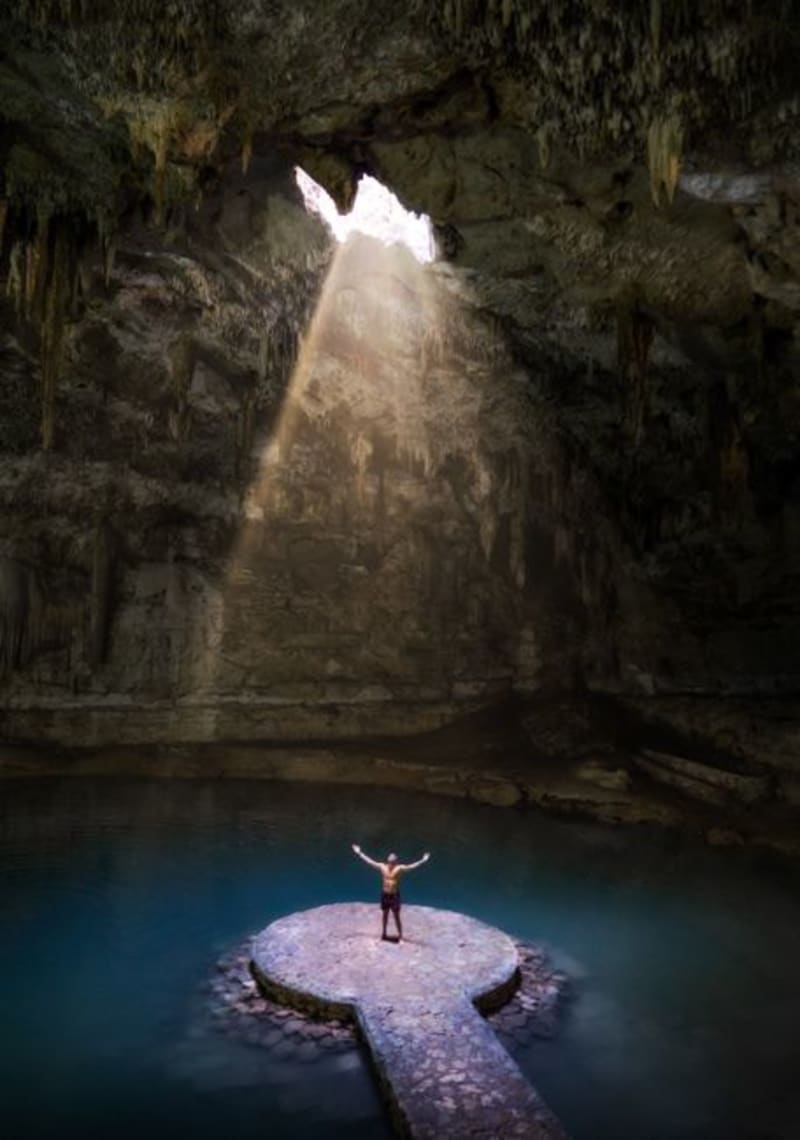 mexico
 Homún
Homún is a small Maya village in central Yucatán surrounded by a loose circuit of cenotes, most of them owned and run by local families who have never seen a reason to advertise. The water here is so clear it looks wrong, and the silence between them is just cornfields and bicycle chains.
Explore