Tehuacán
"I drove into the cactus forest expecting desert. What I found looked more like a cathedral of green columns."
A semi-arid city at the foot of the Tehuacán-Cuicatlán Biosphere Reserve, where the world's largest columnar cactus forest rises from a fossil valley once walked by mastodons. UNESCO-listed and largely overlooked, it rewards the detour with honest market food, mineral springs, and a landscape that defies every expectation.

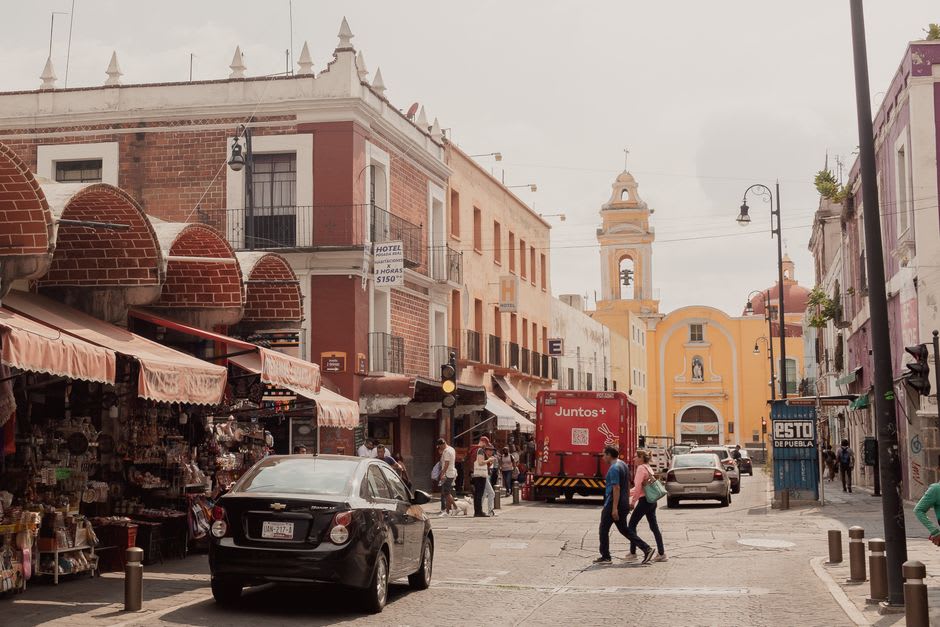
I came from Oaxaca on the overnight bus, arriving in Tehuacán just after seven when the market vendors on Calle Independencia were still arranging their stalls. The city sits at roughly 1,600 meters in a valley so dry the air tastes mineral — fitting, since the region has been bottling its spring water since the nineteenth century and still supplies much of central Mexico. What I hadn’t expected was the scale of the landscape waiting twenty minutes north of town, where a UNESCO World Heritage Site quietly gets on with being extraordinary without much announcement.
The Cactus Forest
The columnar cactus forest inside the Tehuacán-Cuicatlán Biosphere Reserve is one of those places that forces you to recalibrate. The tetechos and cardones grow six, eight, ten meters tall in dense columns across ridgelines and dry creek beds, more vertical mass per hectare than almost anywhere on earth. I hired a remis driver outside the Mercado Hidalgo for around 200 pesos to take me to the access road near the ejido of San Juan Raya, where fossil beds in the hillside have yielded mastodon molars and giant ground sloth bones — evidence that this valley was a very different place twelve thousand years ago. The reserve covers roughly 490,000 hectares across Puebla and Oaxaca; you can spend an hour or a week inside it. I spent a morning and felt I’d only read the cover.
Market and Mineral Springs
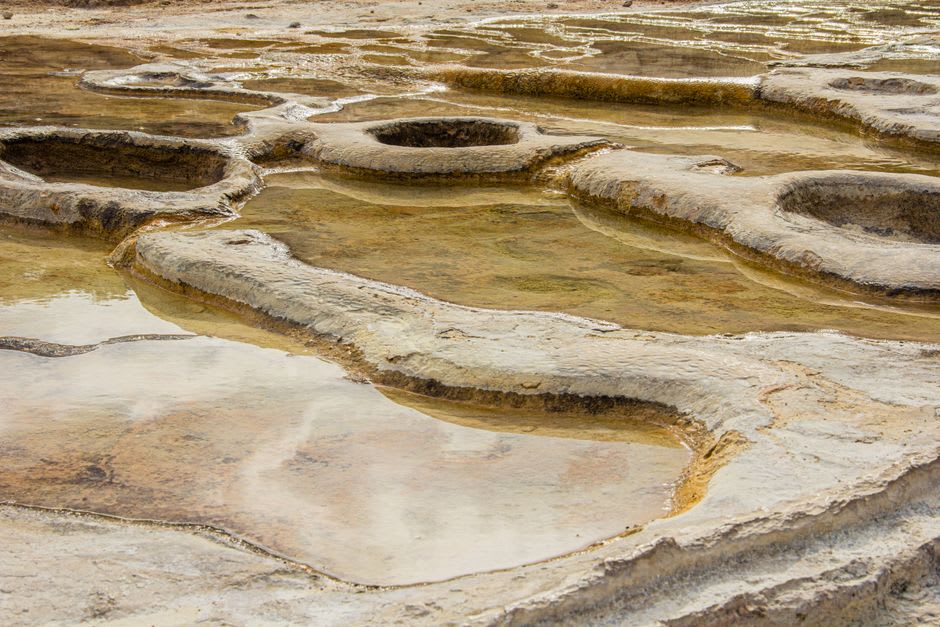
Back in the city, the Mercado Melchor Ocampo on Avenida Reforma is the place to eat. I sat at a corner stall around noon and had cecina enchilada — thin dried beef rubbed with chile paste, grilled over charcoal and served with memelas and fresh cheese — for about 60 pesos. The mineral water sold everywhere here is not a tourist affectation; locals drink agua mineral from Tehuacán the way Mexicans elsewhere drink Ciel. The Peñafiel bottling plant on the northern edge of town offers tours if you call ahead, though I was content just ordering a glass with lime at the market and watching the afternoon buses load. The springs themselves, at the spa resort of El Riego a few kilometers out on the highway, are warm and slightly sulfurous — the kind of place that feels more like 1975 than 2026, which is entirely its appeal.
The City Itself
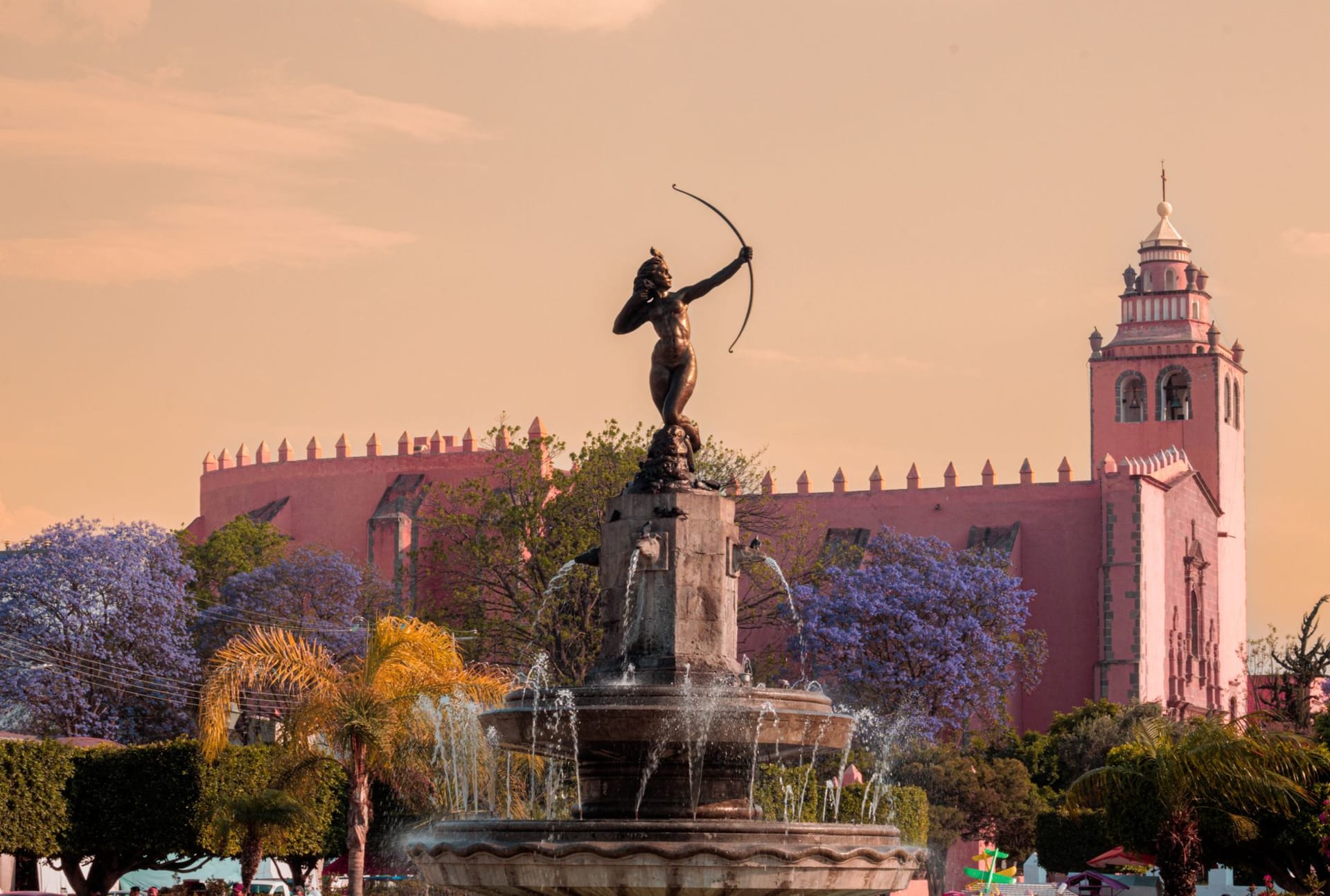
Tehuacán’s centro is compact and unhurried. The Catedral de la Inmaculada Concepción faces a zócalo shaded by old laurel trees where men play dominoes in the afternoon. A small regional museum on Calle Independencia has a room dedicated to the prehistoric megafauna of the valley — the fossil record here is considered among the most significant in North America. The city also claims to be the origin point of cultivated chile peppers; genetic studies of wild populations in the valley support that story, and the local market reflects it in varieties you won’t easily find elsewhere.
Getting There
Tehuacán sits about 120 kilometers southeast of Puebla city. ADO and AU run frequent direct buses from Puebla CAPU (roughly 2 hours, 120–160 pesos). From Oaxaca city, overnight buses arrive in around 5 hours. The city has no airport. A rental car is useful if you want full access to the biosphere reserve roads; public remis taxis handle the shorter runs.
Keep exploring
More of Puebla
Keep exploring
More from Puebla
 mexico
 Tepexi de Rodríguez
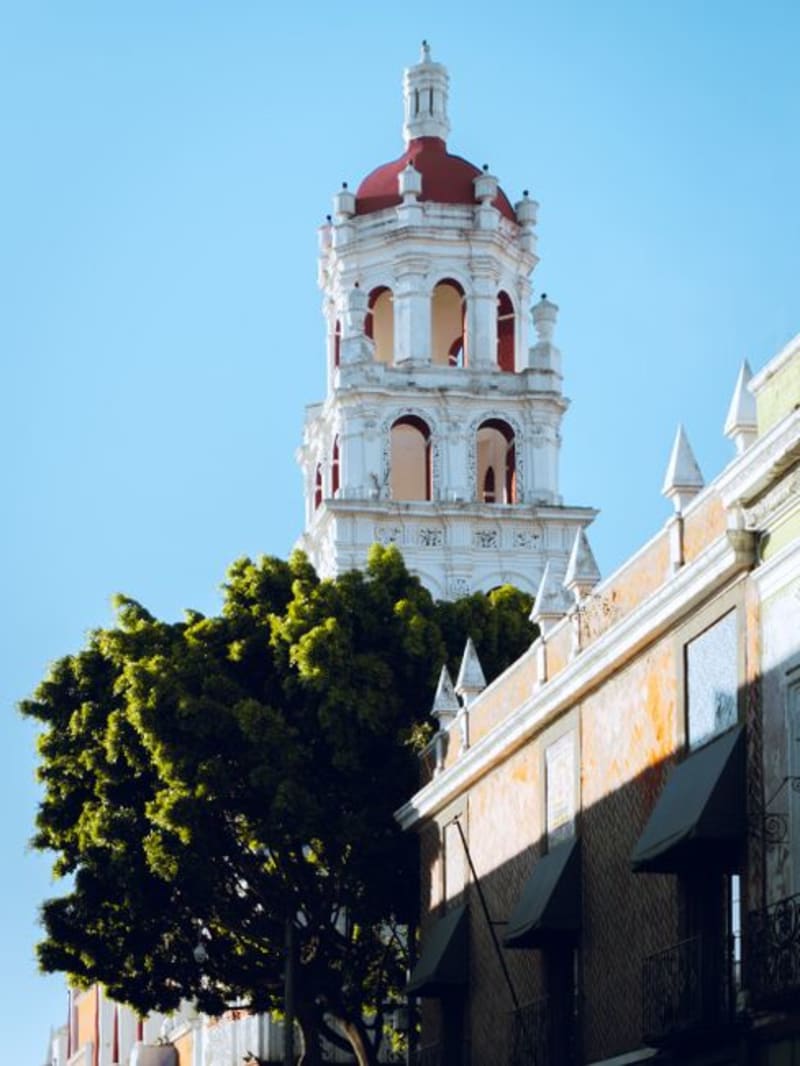
A dry-hill town in southern Puebla built on stone — onyx and marble pulled from the surrounding quarries and carved in workshops full of translucent light. Semi-arid, stony, and quietly proud of its craft, with deep-time fossil country in the hills nearby.
Explore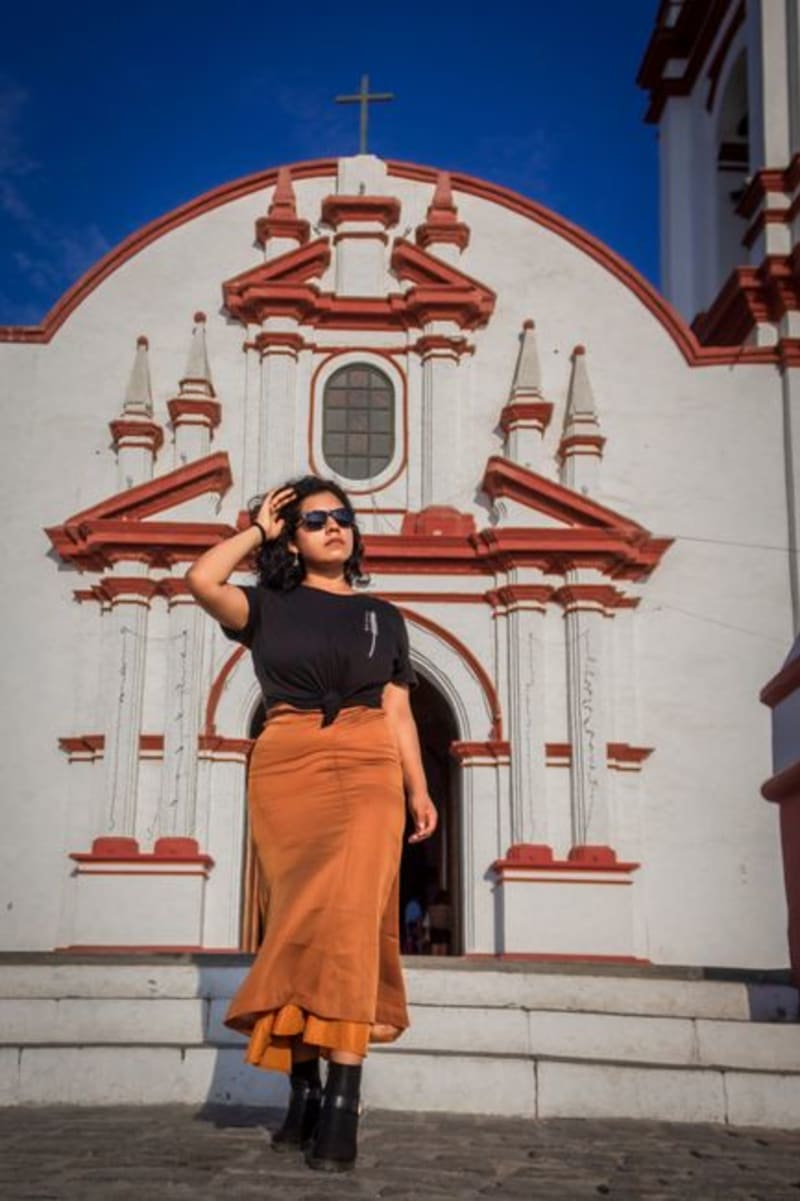 mexico
 Acatzingo
A colonial farm town on the plains southeast of Puebla city, famous for one of the region's biggest Sunday tianguis. A fine 16th-century convent, an arcaded plaza, and a rhythm that swings from market-day roar to weekday hush.
Explore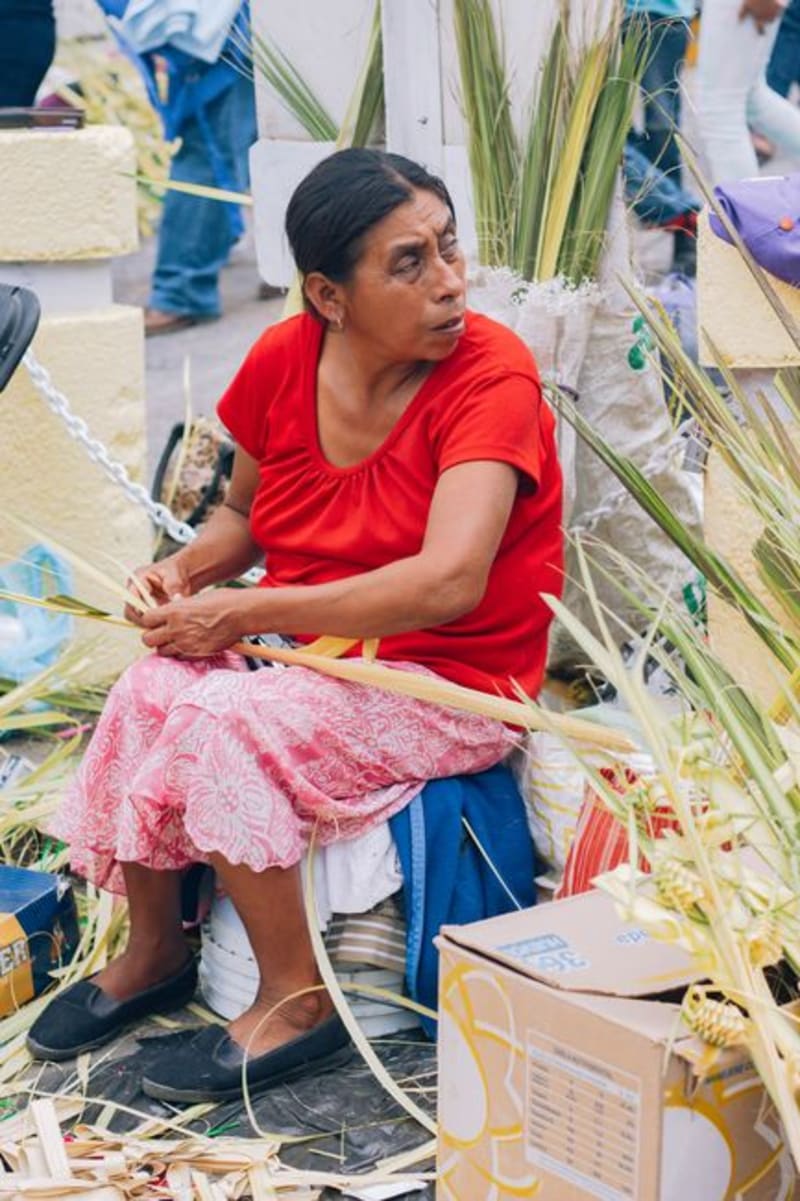 mexico
 Acatlán de Osorio
A Mixtec town in the southern Puebla highlands where palm-leaf weaving is practiced as daily life rather than tourist performance — workshops are open houses with their doors ajar, strips soaking in buckets, weavers who learned from grandmothers who learned from theirs. The central market draws produce and crafts from across the Mixteca Baja, and the town is worth considerably more than the fuel stop most drivers give it.
Explore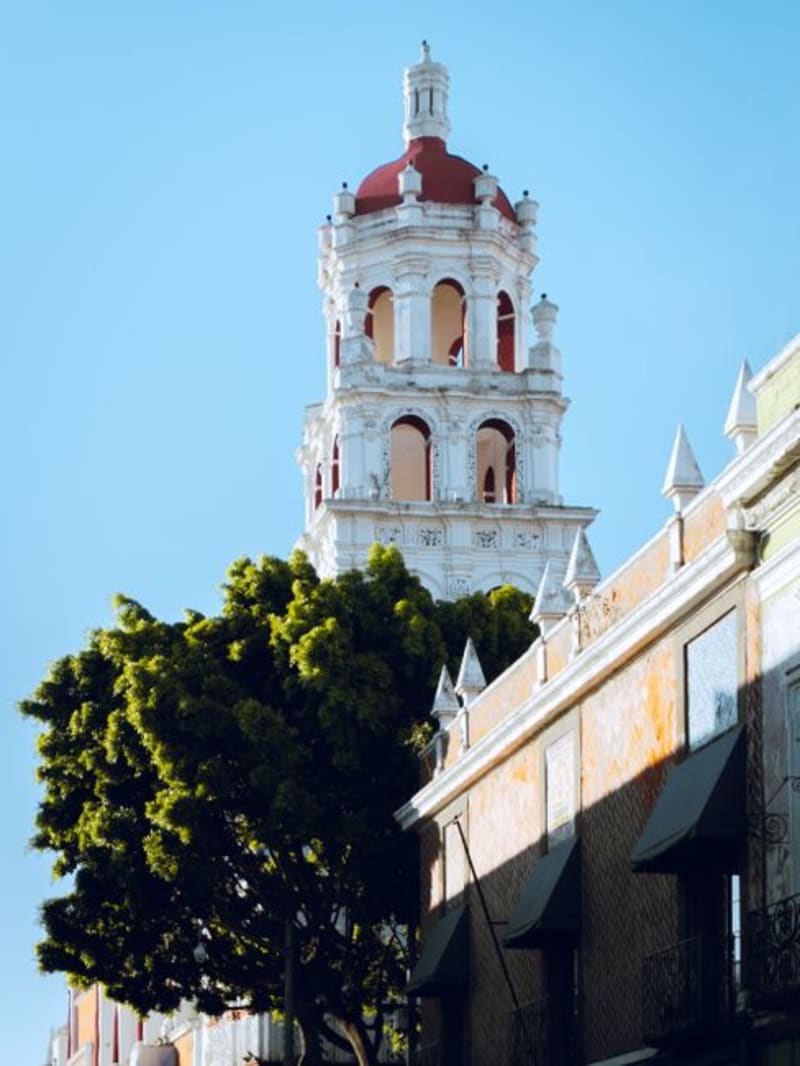 mexico
 Tepeaca
Every Friday, Tepeaca becomes the commercial heart of the Puebla valleys — a tianguis so large it swallows the streets around the ex-convento and keeps going. The 16th-century Franciscan complex and the cylindrical Rollo tower anchor the colonial end of the market, giving the whole sprawl an unlikely but coherent backdrop.
Explore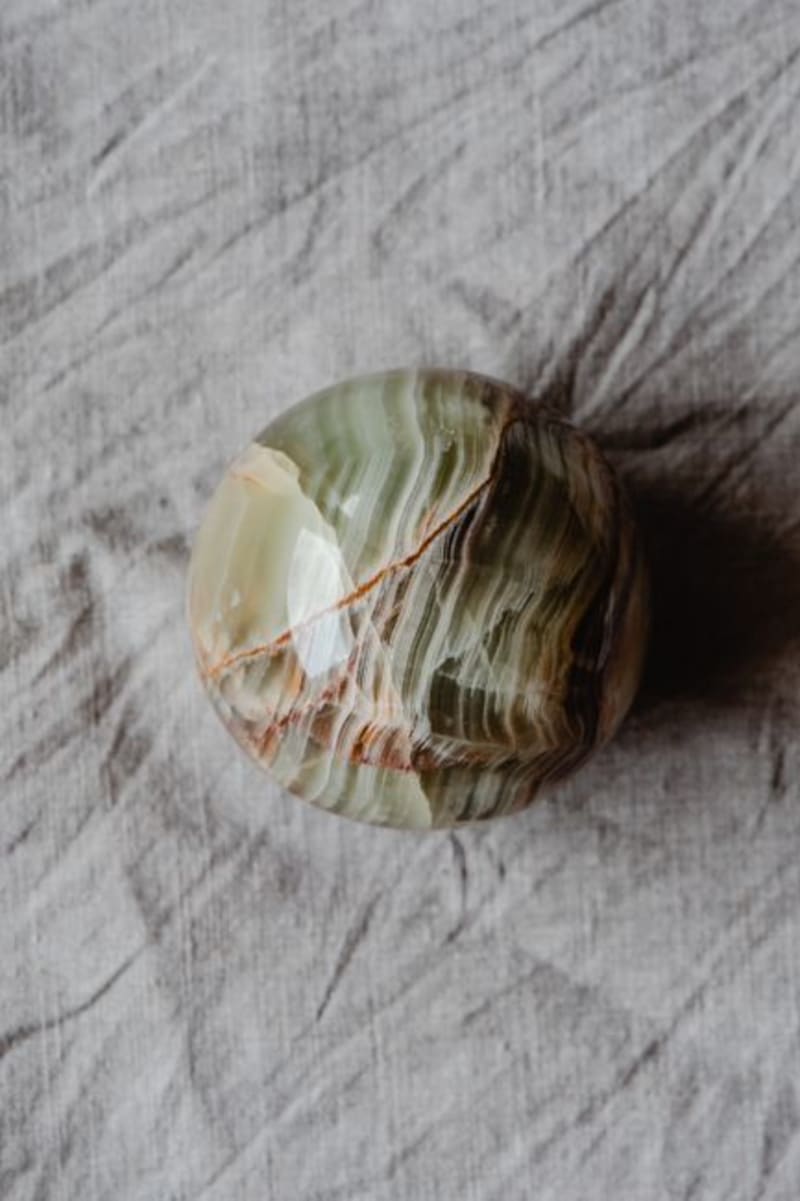 mexico
 Tecali de Herrera
Tecali de Herrera is a small Puebla town built entirely around one material: banded calcite onyx, quarried from the surrounding hills and carved here since before the Spanish arrived. Walk the workshop streets on any weekday morning and the grinding wheels are already running.
Explore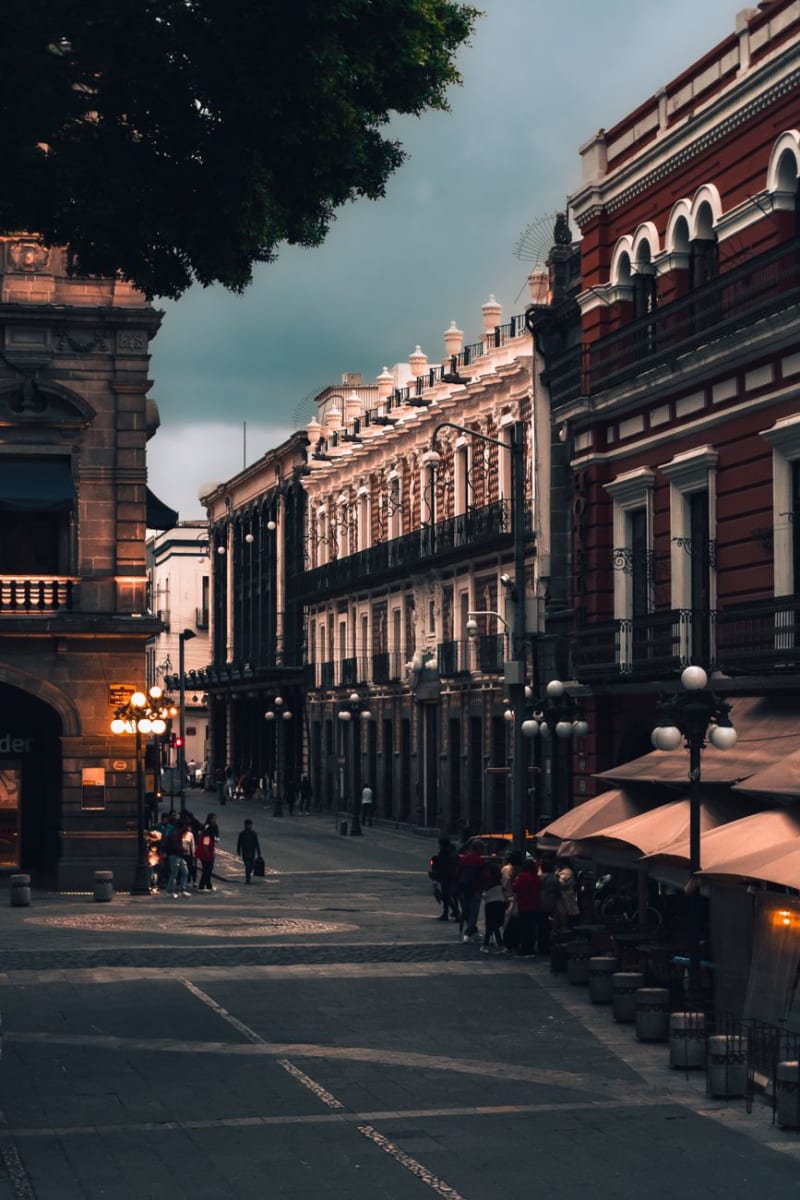 mexico
 Puebla City
The city where mole poblano and chiles en nogada were invented wears its culinary heritage on its sleeve — and on the talavera-tiled walls of the Barrio del Artista. The Baroque cathedral anchors a centro that hasn't tried very hard to be charming, which is exactly why it is.
Explore