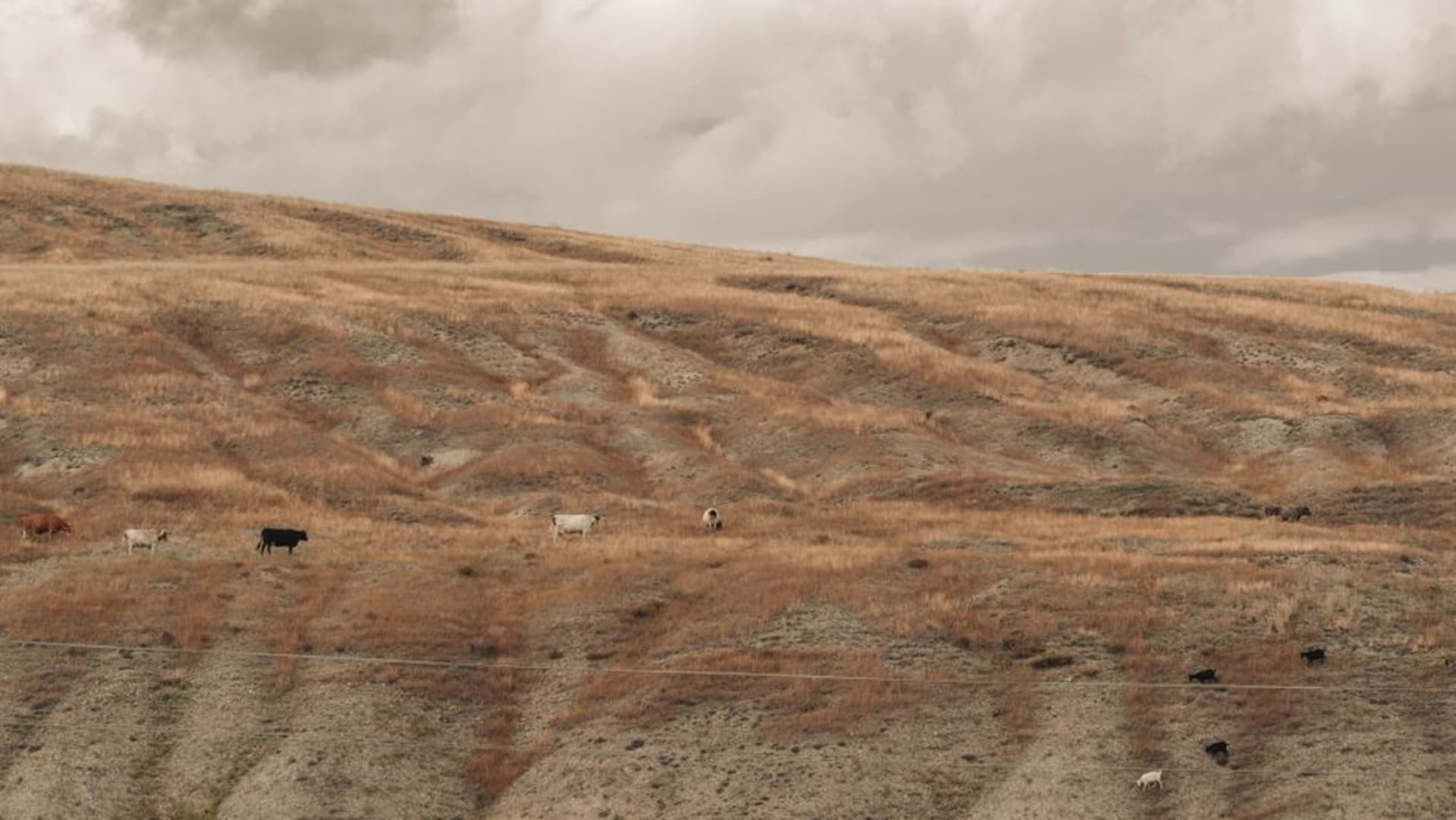
A vast, sparsely peopled highland municipality in the far northeast of Puebla — golden hills folding into deep ravines, cold nights under an enormous sky, and a name that Cortés's chroniclers wrote down in 1519 when the army marched through on its way to Tenochtitlán. Ranchos, maguey, and a great open silence.

I came here almost by accident, chasing a name I couldn’t pronounce on a road that kept climbing after I was sure it had run out of reasons to. Ixtacamaxtitlán isn’t a town so much as a scattering — a small cabecera and then ranchos flung across the folds of a huge, dry, upended country. I stopped the car on a shoulder above a ravine because a man on horseback was moving cattle along the far slope, unhurried, half a kilometer off, and the only sound was the wind pulling through the maguey. I stood there longer than I meant to. Some places make you talk more quietly without deciding to.
The Country the Conquest Passed Through
There’s a strange weight to knowing that Cortés and his army came up through here in the autumn of 1519, that the chroniclers wrote the long name down when they paused at the old fortress-town on the heights before pushing on toward Tlaxcala and the valley beyond. You feel it in the terrain more than in any monument. This is a natural corridor and a natural stronghold at once — hills that rise into defensible knuckles of rock, ravines that cut the land into something you’d want to hold from above. Nothing here announces the history. There’s no plaque where I’d have put one, no interpretive center. Just the same golden slopes the army would have seen, the maguey rows, the cold that comes down hard at night this high up. History here is a fact the landscape carries without comment, the way it carries the wind.

Maguey, Cattle, and the Long Light
Life up here runs on the two things the land will give: cattle and maguey. I watched a family scraping aguamiel from the heart of a plant the way it’s been done for centuries, the long gourd pipe, the patient rotation from plant to plant across a hillside. The rows of maguey march across the golden ground in that particular geometry that means someone has been tending them for a very long time. A rancher I fell into conversation with near a fence told me the cold is the whole story of the place — that the nights bite even in summer, that the frost decides what grows. He said it without complaint, the way you’d describe the temperament of a relative. Everything about the land felt earned and unadorned, no softness anywhere, and beautiful precisely because of that.

Night at Altitude
I hadn’t planned to stay past dusk, but the light did that thing it does in high dry country — went long and copper and impossible to leave. By the time the sun dropped behind the western ridge the temperature fell with it, fast, and I pulled on the jacket I’d almost not brought. The sky up here, once it’s dark, is the reason people who live in cities forget what a sky is. No haze, no glow on the horizon, just the enormous cold field of stars pressing down over the ravines. Somewhere below a dog barked and was answered, and then nothing. I’ve slept in a lot of quiet places in Mexico. This was among the quietest, and the coldest, and I mean both as praise.

Getting There
Ixtacamaxtitlán lies in the far northeast of Puebla, roughly two and a half to three hours from the city of Puebla, most easily reached via the road up through Libres and then north and east into the highlands — the pavement thins and climbs the whole way. There’s no meaningful bus service to the ranchos; a car, ideally something with a little clearance, is the honest answer. Bring layers, more than you think you’ll need, and go slowly. The point of this place is that there is no hurry to be had.
Keep exploring
More of Puebla
Keep exploring
More from Puebla
 mexico
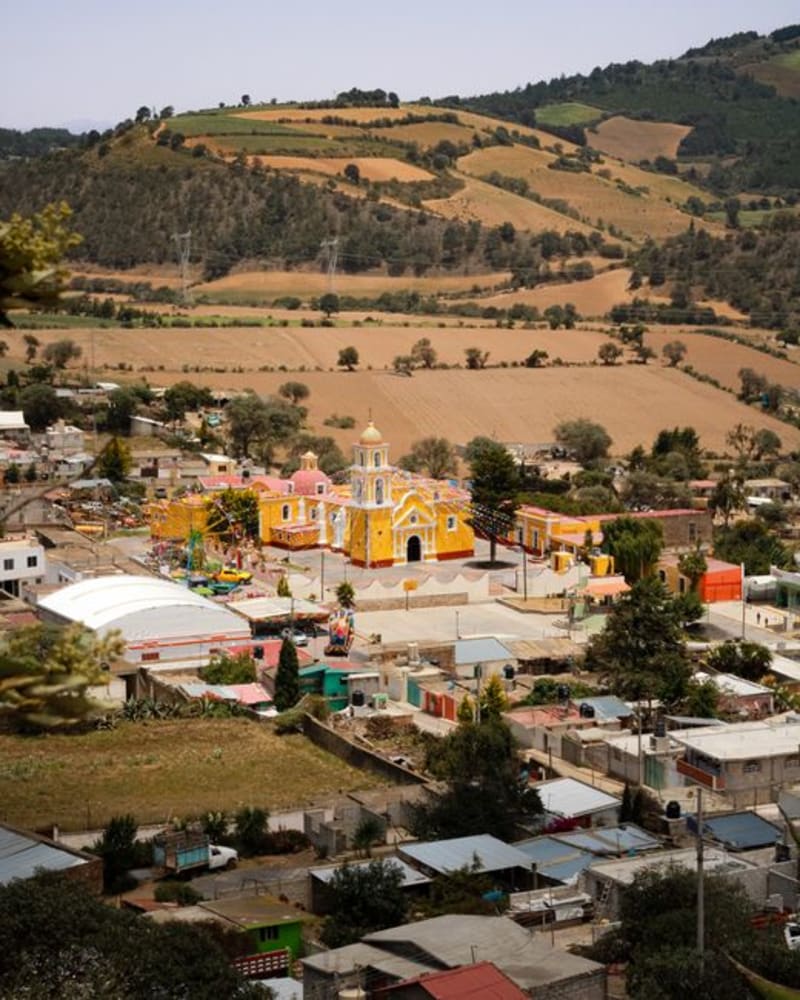
 Zautla
A remote, deeply traditional mountain municipality in the Sierra Norte de Puebla, where Nahua communities farm coffee and apples on impossibly steep green slopes and woodsmoke threads through the fog. As local as central Mexico gets.
Explore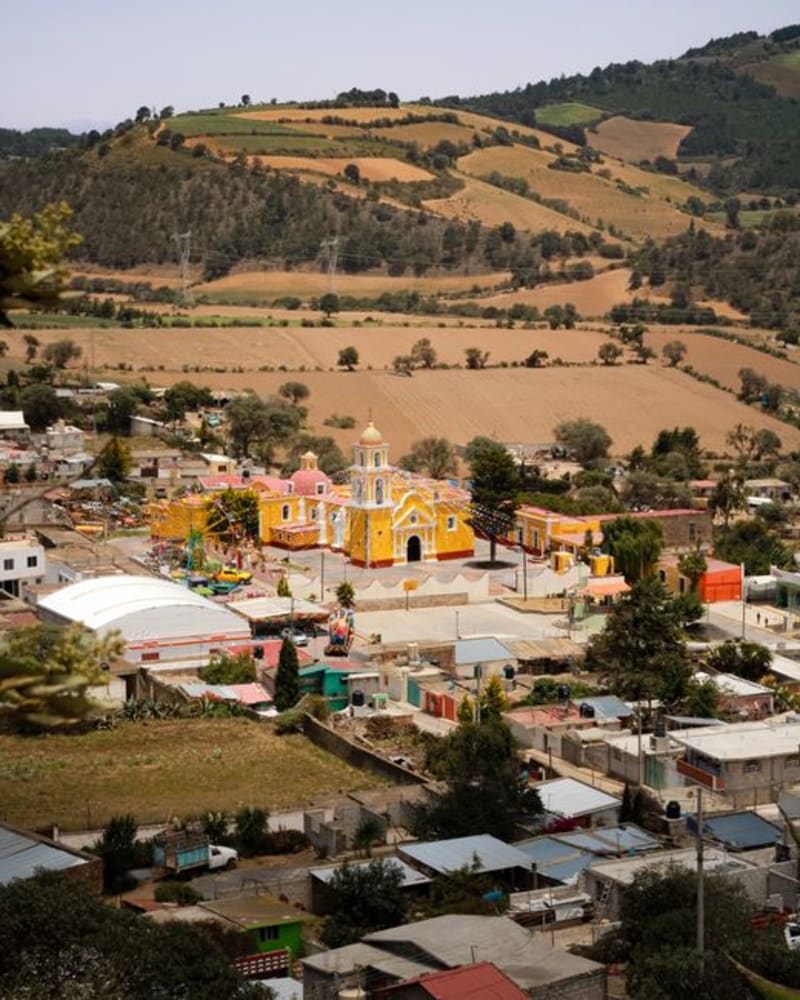 mexico
 Aquixtla
A cold green town folded into the pine forests of the Sierra Norte de Puebla, where apple orchards climb the slopes and the mist rolls through by afternoon. Little-visited, resin-scented, and gloriously quiet.
Explore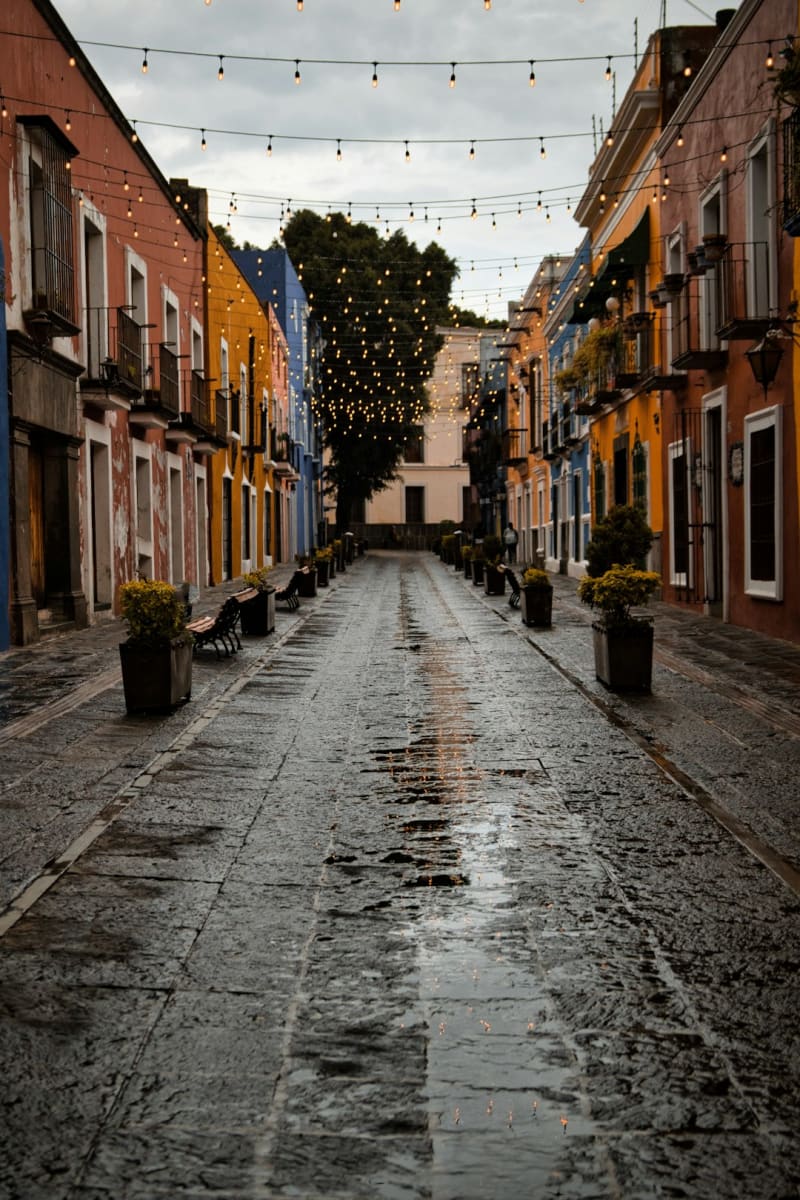 mexico
 Tetela de Ocampo
Tetela de Ocampo sits deep in the Sierra Norte de Puebla, where the road narrows, the air drops fifteen degrees, and the colonial center has been left largely alone — not as a reconstruction but as an accidental preservation. Coffee grows on the hillsides outside town, and the fog that rolls in most afternoons gives the whole place the unhurried quality of somewhere that never had to compete for attention.
Explore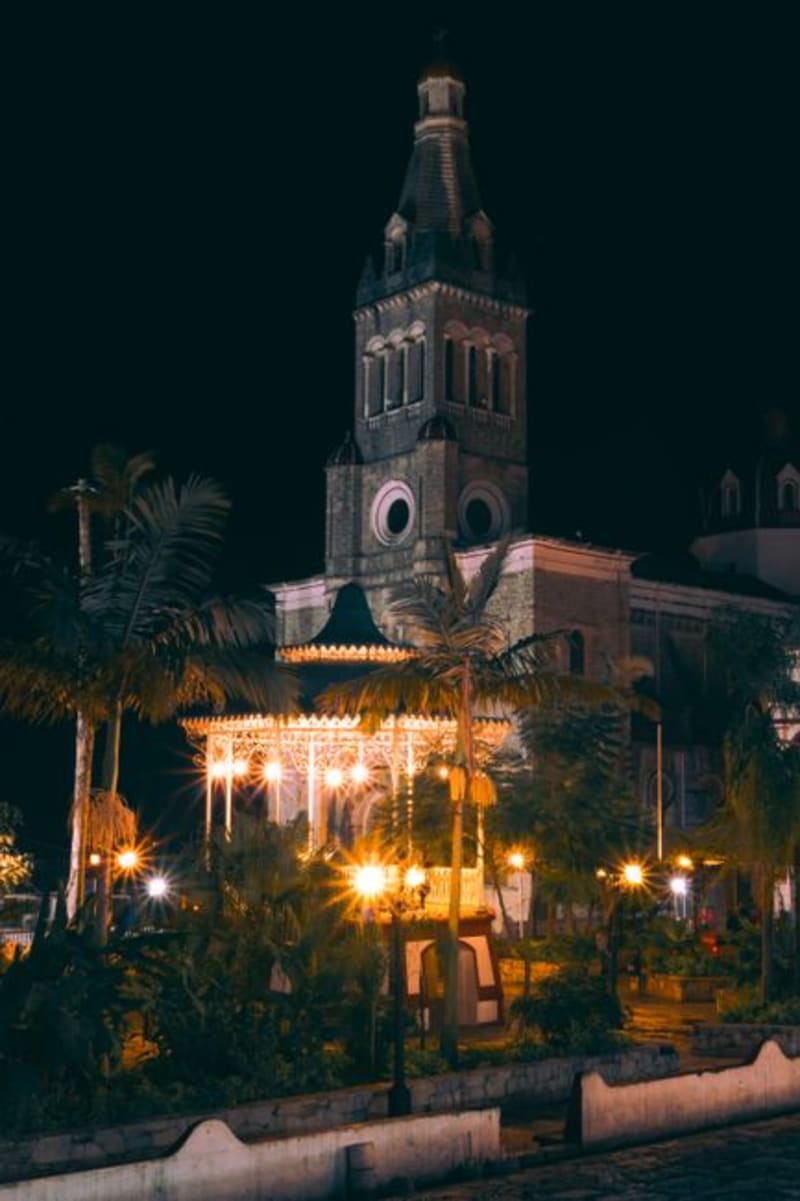 mexico
 Libres
A town on the high, wind-scoured volcanic plains of northeastern Puebla — the Llanos de San Juan — spread out under distant volcanoes. Cold, open ranching and farming country, a former stop on the old royal road, with wide horizons, big weather, and none of the polish that draws crowds. Real, unhurried, and mostly overlooked.
Explore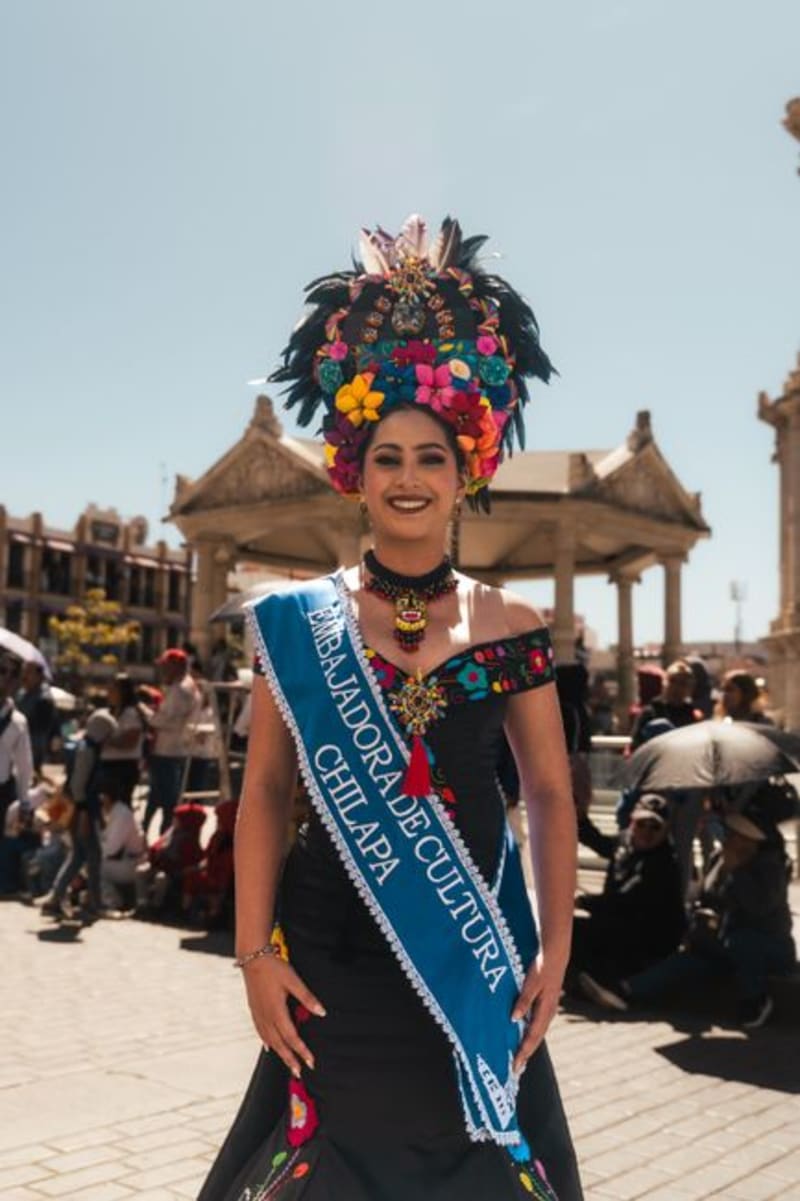 mexico
 Zacapoaxtla
A colonial sierra town in Puebla's Sierra Norte where Indigenous Nahua and Totonac soldiers helped turn back the French army on May 5, 1862 — a history the town carries with quiet, unperformative pride. Women still wear traditional embroidered dress on Thursday market days, and the cloud forests above town are worth lacing up boots for.
Explore mexico
 Chignahuapan
A Puebla highland town known for hand-blown glass Christmas ornaments, Chignahuapan saves its most arresting spectacle for November, when the Festival de las Animas transforms its thermal lagoon into a sea of glowing paper lanterns drifting for the dead. Outside Día de Muertos, the town runs on glass and thermal water — two things that together make for a stranger and more rewarding stop than the esfera trade suggests.
Explore