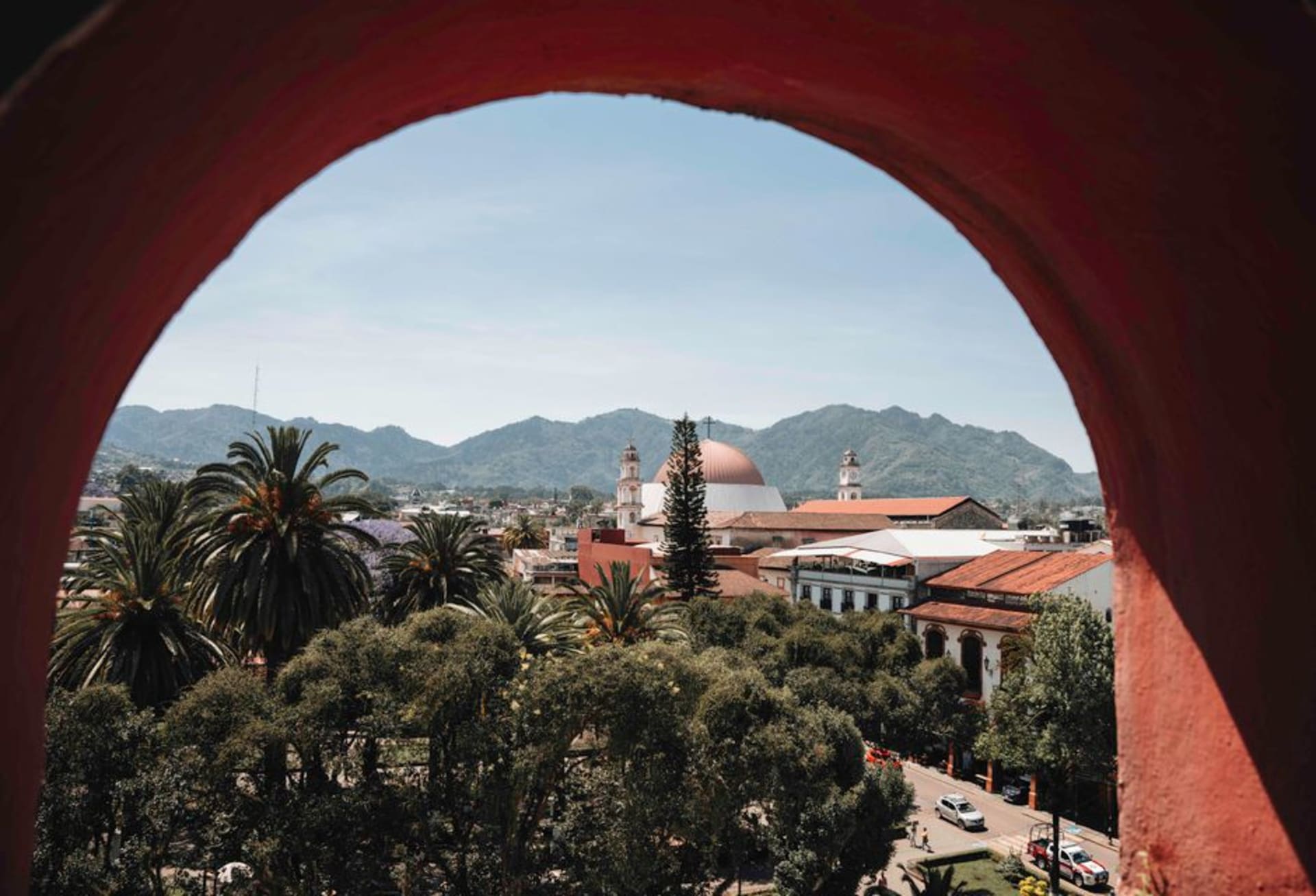
Zacapoaxtla
"Cinco de Mayo is not about beer. Standing in Zacapoaxtla's plaza, that becomes clear."
A colonial sierra town in Puebla's Sierra Norte where Indigenous Nahua and Totonac soldiers helped turn back the French army on May 5, 1862 — a history the town carries with quiet, unperformative pride. Women still wear traditional embroidered dress on Thursday market days, and the cloud forests above town are worth lacing up boots for.

I arrived on a Thursday by accident, which turned out to be the right day. The bus from Puebla had climbed for three hours through increasingly damp air, the highway narrowing as the Sierra Norte closed in around it, and by the time I stepped onto Zacapoaxtla’s central plaza the altitude had already done something to the quality of the light — flatter, cooler, the kind of afternoon that smells of woodsmoke and copal even when there is none. A woman selling chapulines at a folding table near the church ignored me entirely, which felt like the correct welcome.
The Battle They Actually Fought
The town’s central plaza has a monument I spent longer than I expected reading. On May 5, 1862 — the real Cinco de Mayo, not the export version — French imperial forces advancing on Puebla City met a coalition that included battalions of Nahua and Totonac soldiers recruited from these very mountains. The regiments from Zacapoaxtla and nearby Tetela de Ocampo were part of what turned back a European army that had not lost a pitched battle in fifty years. The holiday that became a beer commercial abroad is remembered here as something that actually happened, in a place that had skin in it. The presidencia municipal has murals on this, dense with Indigenous imagery that does not aestheticize the violence. I sat on a bench in front of them for a while. Nobody was selling souvenirs.

Thursday at the Tianguis
The weekly market spreads from the plaza down through the covered mercado and spills onto the surrounding calles by eight in the morning. What stopped me immediately were the women — not in a voyeuristic way, but in a paying-attention way. Many wear the traditional quechquémitl of the Sierra Norte Nahua: hand-embroidered white tunics layered over long skirts, the colors and patterns varying by village and occasion. It is not costume. These are women buying chiles and selling herbs and arguing cheerfully about prices with people they have known for forty years. At one corner of the market I found a cook making zacahuil to order — the enormous tamale of the sierra, steamed slowly in banana leaves inside wide clay pots, the masa dense and dark red with chile, the filling turkey that morning. Thirty-five pesos for a paper plate’s worth. I ate it standing against a post. There was a clear atole available and a plastic stool if I wanted. I wanted.

Into the Cloud Forest
The roads out of Zacapoaxtla climb fast into cloud forest — the kind where the light turns green and the air is cold enough that you check the date on your phone. A moto-taxi driver named Aurelio took me up toward the Filobobos archaeological zone for two hundred pesos; we talked about the rainy season the entire way. You can also walk the trails above town on your own if you go early, before the fog seals everything shut by early afternoon. Cuetzalan, the more famous sierra town, is forty minutes northwest by combi and makes a logical pair, but Zacapoaxtla felt less rehearsed — fewer mezcal bars, more hardware stores, the kind of place that has not yet been briefed on its own potential.

Getting There
From Puebla’s CAPU terminal, Autobuses Unidos and several smaller regional lines run to Zacapoaxtla throughout the day; the trip takes around three hours along federal highway 129D. From Mexico City’s TAPO terminal, expect four to five hours, possibly with a connection in Puebla. There are a handful of small hotels on and near the central plaza. Go on a Thursday.
Keep exploring
More of Puebla
Keep exploring
More from Puebla
 mexico
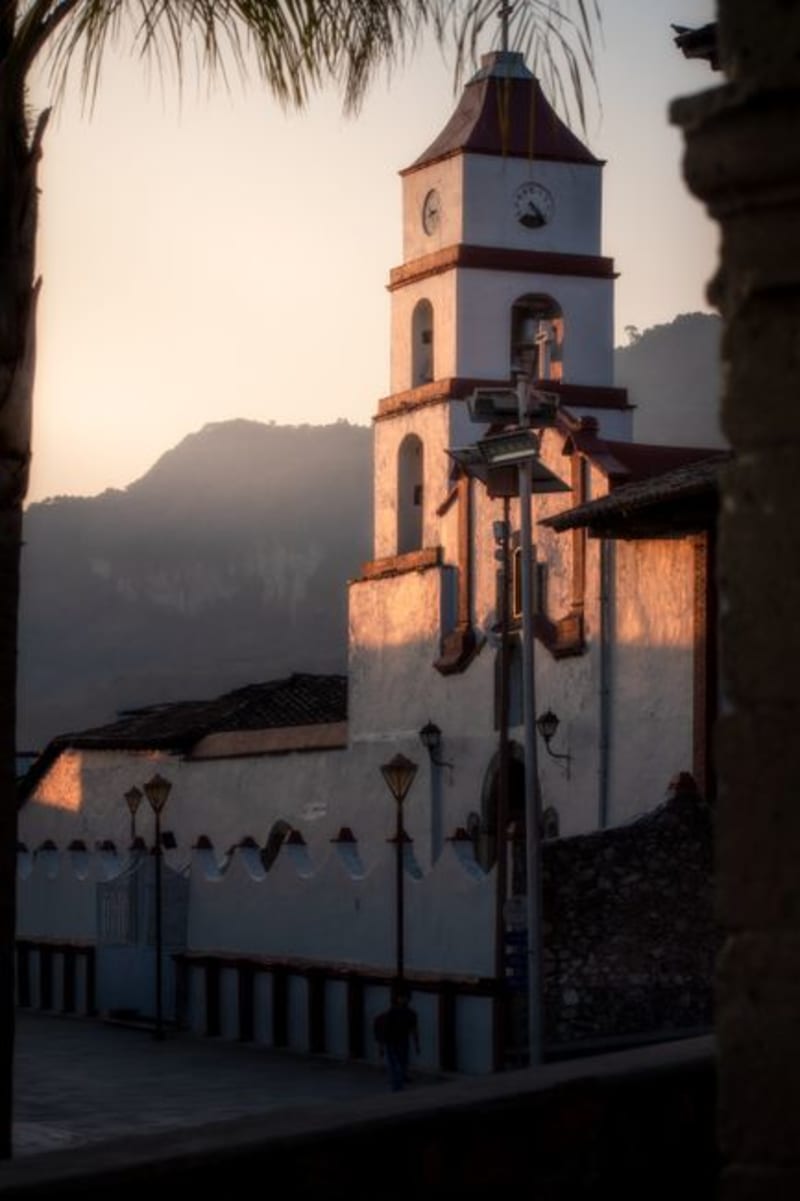
 Tlatlauquitepec
A Pueblo Mágico in the Sierra Norte of Puebla where serious coffee culture, a centuries-in-the-making parish church, and a market unlike anything else in the region coexist in thin mountain air that makes everything feel sharper.
Explore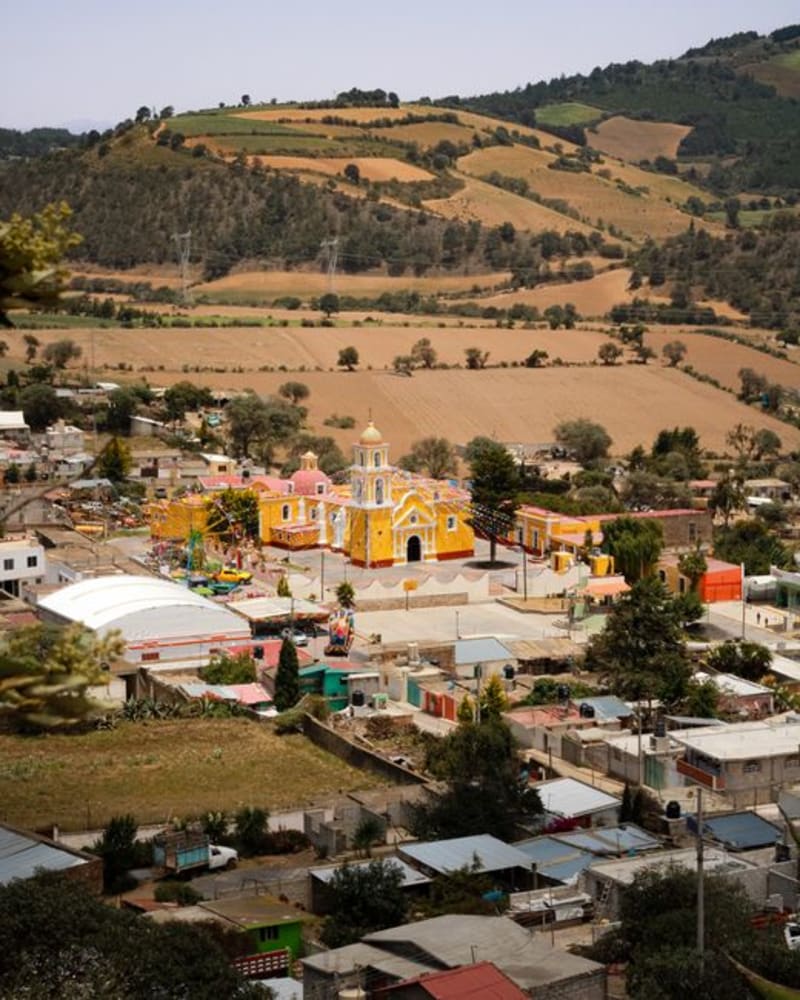 mexico
 Zautla
A remote, deeply traditional mountain municipality in the Sierra Norte de Puebla, where Nahua communities farm coffee and apples on impossibly steep green slopes and woodsmoke threads through the fog. As local as central Mexico gets.
Explore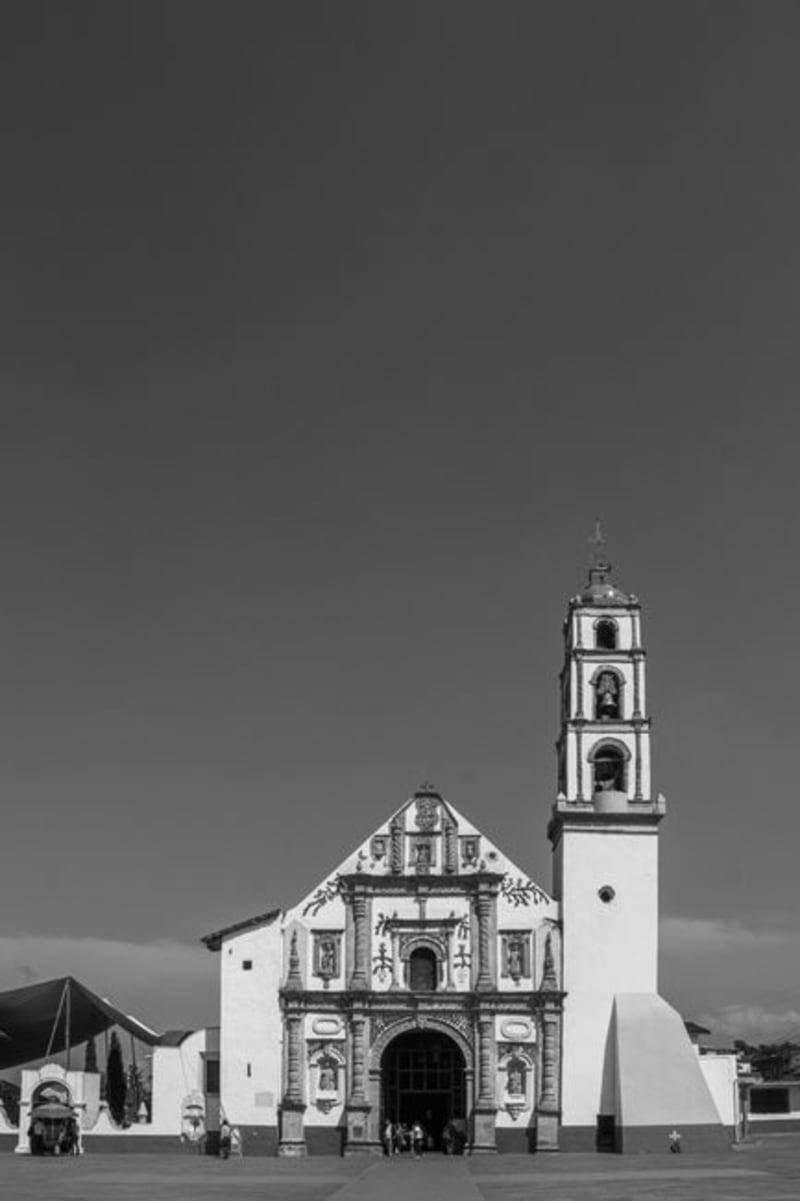 mexico
 Chignautla
A green, often foggy mountain town in the Sierra Norte de Puebla just above Teziutlán, ringed by pine forest and crowned by a hilltop chapel. Cool, damp, mossy air, wild mushrooms, and fierce local festivals.
Explore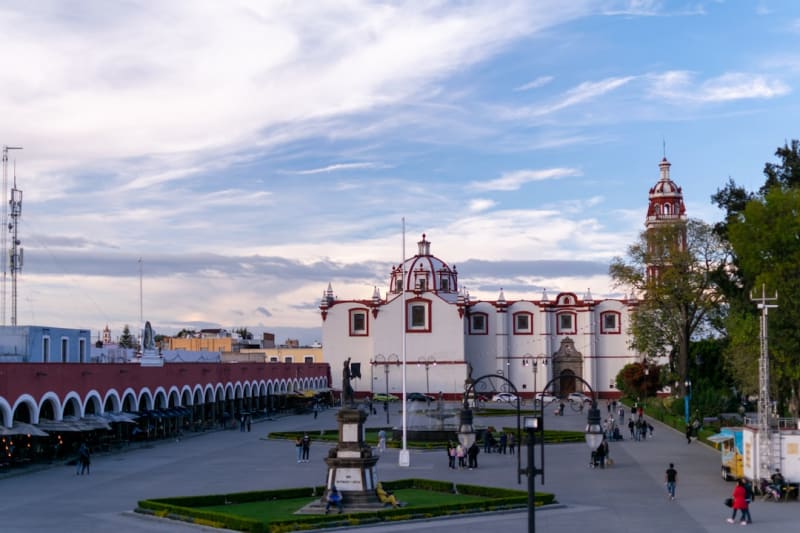 mexico
 Cuetzalan
A misty Nahua market town in the cloud forest of the Puebla sierra — waterfalls in the jungle, one of Mexico's best indigenous Sunday markets, and a colonial church built so high in the clouds it disappears in the afternoon.
Explore mexico
 Tetela de Ocampo
Tetela de Ocampo sits deep in the Sierra Norte de Puebla, where the road narrows, the air drops fifteen degrees, and the colonial center has been left largely alone — not as a reconstruction but as an accidental preservation. Coffee grows on the hillsides outside town, and the fog that rolls in most afternoons gives the whole place the unhurried quality of somewhere that never had to compete for attention.
Explore mexico
 Teziutlán
Teziutlán sits at the lip of the Sierra Norte where the cloud forest begins its long descent toward the Gulf, a town the mist never fully releases. Most travelers blow past on the road to Cuetzalan, which is their loss and the town's quiet fortune.
Explore