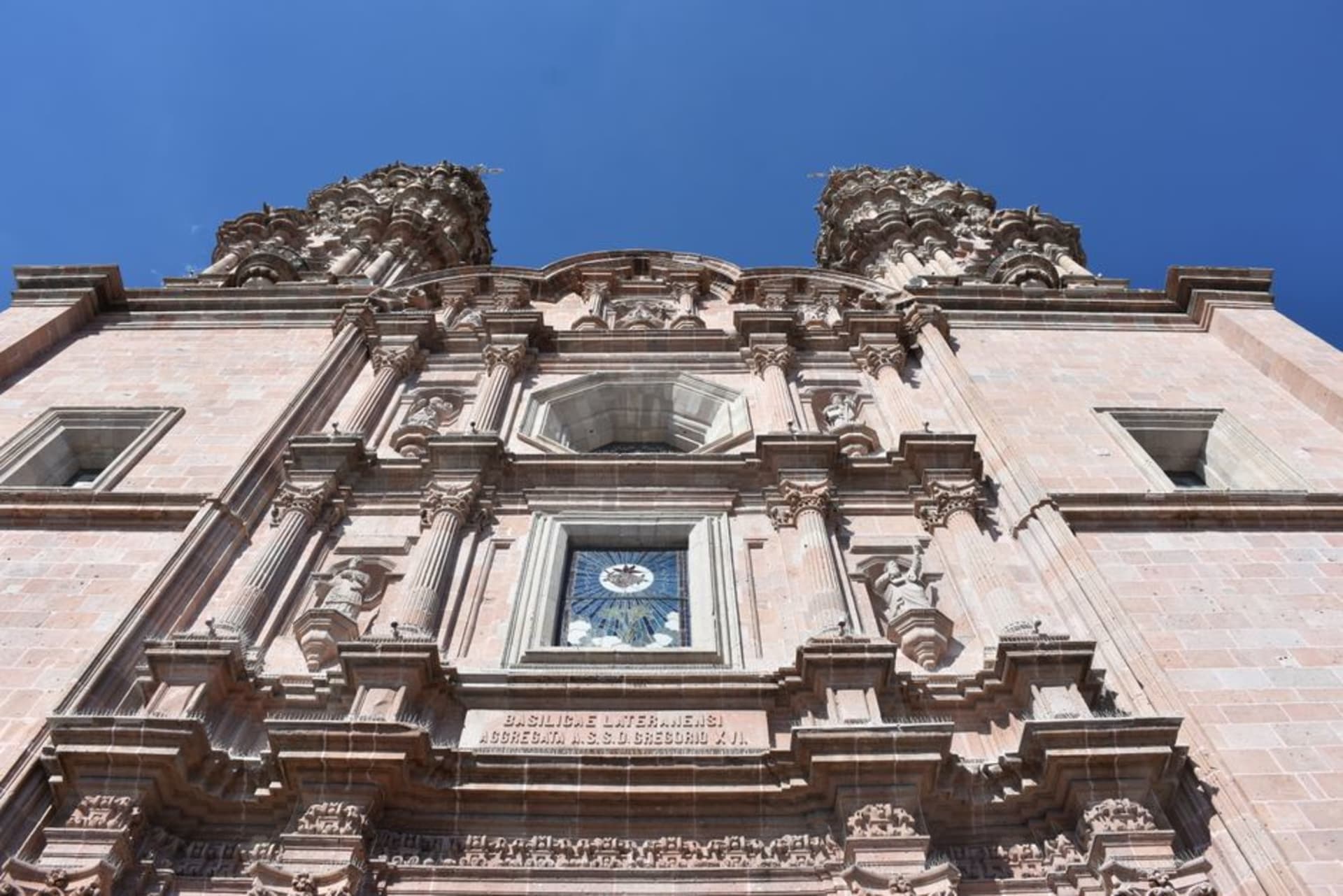
San Juan de los Lagos
"Whether or not you are Catholic, walking into that gilded basilica is the kind of experience that rewires something in your chest."
San Juan de los Lagos draws eight million pilgrims a year to its baroque basilica, one of the most visited shrines in the Americas. The town runs on devotion — candlelit atria, birria grilled at dawn, silver milagritos left in thanks for recovered limbs and survived accidents. Even arriving without faith, you leave with something rearranged.

San Juan de los Lagos receives eight million pilgrims a year, which means that on the Tuesday I arrived — no feast day, no special occasion — there were still enough people moving through the basilica’s atrium to fill a football stadium twice over. I had planned a quick stop en route to Guadalajara. Instead I sat for nearly two hours in a wooden pew watching a woman leave a small silver milagrito at the altar, return to her seat, then go back and leave another one, as if once wasn’t quite enough to be sure. I understood her logic completely.
A Forty-Centimeter Virgin and Eight Million Pilgrims
The Basílica de Nuestra Señora de San Juan de los Lagos is a piece of baroque theater that rearranges you the moment you step through the nave doors. The twin towers dominate the town from every approach, but it’s the interior that does the real work — gilded retablos rising from floor to ceiling, the air thick with incense and the murmur of rosaries being said simultaneously in at least four corners of the building. At the center of all this, the image of Nuestra Señora is roughly forty centimeters tall. The contrast between the colossal architecture built in her honor and the small, serene figure at its heart is one of those proportional jokes that Mexico does better than anywhere.
Upstairs, the museum of ex-votos is worth an hour of serious attention. Small painted tin panels where people have recorded their miracles with the matter-of-fact precision of someone filing an insurance claim: I fell from my horse on March 12, 1947. The Virgin saved me. Thank you. The handwriting is always very careful. Some panels date to the eighteenth century. The accumulation of them — hundreds covering every wall — is overwhelming in the best sense.

Birria at Nine in the Morning
The streets radiating from the atrium follow the logic of pilgrimage economies: candle shops beside milagrito vendors beside stands selling laminated prayer cards and small plastic virgins in every size. None of this is cynical. It’s commerce that has grown organically from centuries of need, and it functions with remarkable efficiency.
I ate birria at a folding metal table wedged between a votive candle display and a woman selling rosaries, at nine in the morning, because the woman grilling it had a conviction in her craft that made the hour irrelevant. Birria de res, slow-cooked to something near collapse, served in its own consommé with chopped cilantro, diced white onion, and a generous stack of fresh tortillas. The Jalisco birria here has a directness to it — less sweet than some versions I’ve had further south, more oregano, a drier heat. I ordered a second bowl before I’d finished the first. Around me, pilgrims who had been traveling since before dawn ate with the focused appetite of people who had earned their meal.

Arriving Without a Rosary
What stays with me about San Juan de los Lagos is how little the town adjusts itself for outsiders. There is no heritage tourism infrastructure, no artisanal market selling ceramics to visitors who came for the architecture. The town exists for one purpose and runs that purpose with complete commitment. Walking the atrium at dusk, watching families arrive on buses clearly chartered from distant states — Zacatecas, Aguascalientes, Michoacán — I understood that I was a guest inside someone else’s ritual.
That’s worth sitting with. If you visit without faith, visit with attention. The alternative is just going for the baroque, which is magnificent, but only half the story.

Getting There
San Juan de los Lagos sits about 170 kilometers northeast of Guadalajara — roughly two and a half hours by bus from the Antigua Central Camionera, with frequent departures on ETN and Primera Plus. The town is compact enough to cover entirely on foot. Accommodation clusters within a few blocks of the basilica; the pilgrimage infrastructure means there are plenty of options, if rarely anything remarkable. A day trip from Guadalajara is entirely reasonable, though arriving the evening before lets you catch the atrium at its quietest.
Keep exploring
More of Jalisco
Keep exploring
More from Jalisco
 mexico
 Arandas
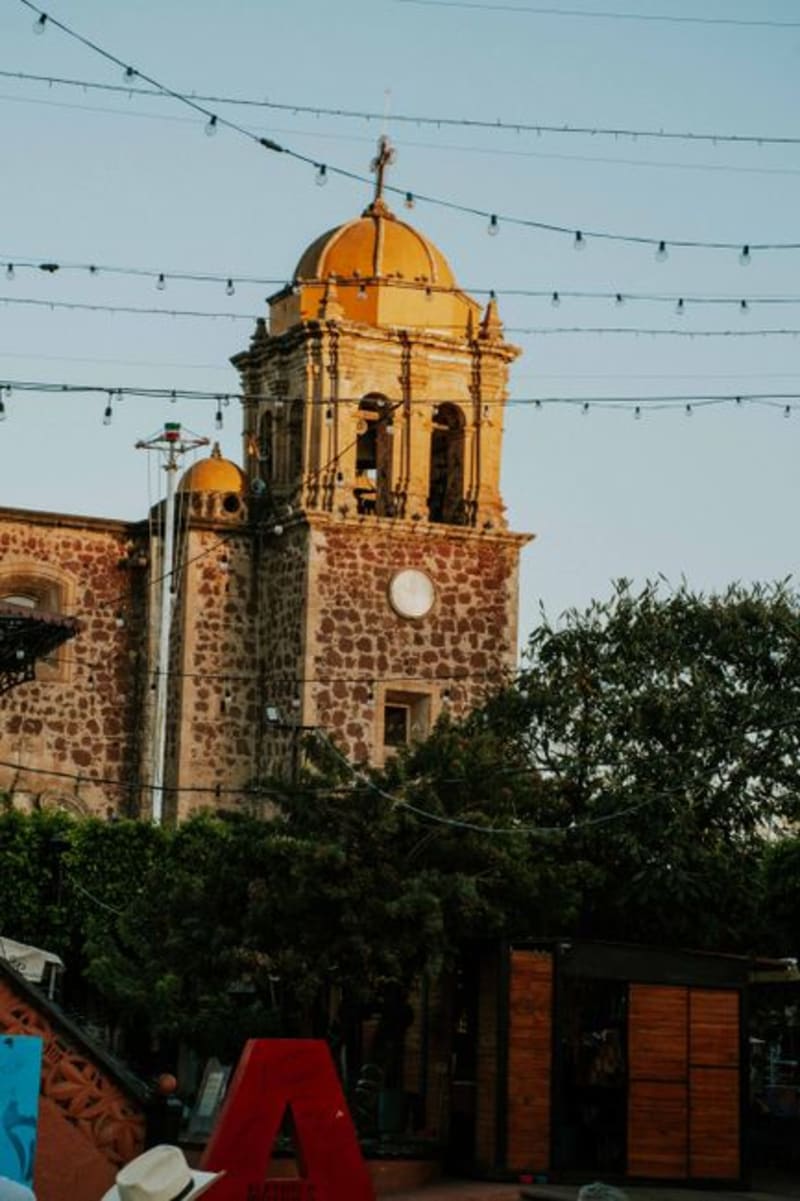
Arandas sits in the red clay highlands of Los Altos de Jalisco, where the altitude and volcanic soil slow the agave to a slow sweetness that the town of Tequila cannot replicate. The distilleries here have been running for generations with little interest in tourism, and the town itself promenades its jardín with the easy self-possession of a place that has never needed to perform.
Explore mexico
 Lagos de Moreno
Lagos de Moreno is a Pueblo Mágico in the Los Altos highlands of Jalisco with seven baroque churches crowded into its historic center — the density earned it the name 'la Roma de México,' and while that comparison is doing a lot of work, you do spend an unusual amount of time looking up at stone facades that have opinions about their own grandeur. This part of Jalisco was the epicenter of the Cristero War in the 1920s, the Catholic uprising against the revolutionary government, and the ranching culture that fueled that war is still visible in everything from the horses tied outside the market to the goat birria, slow-cooked red, that is still the dish this place does best.
Explore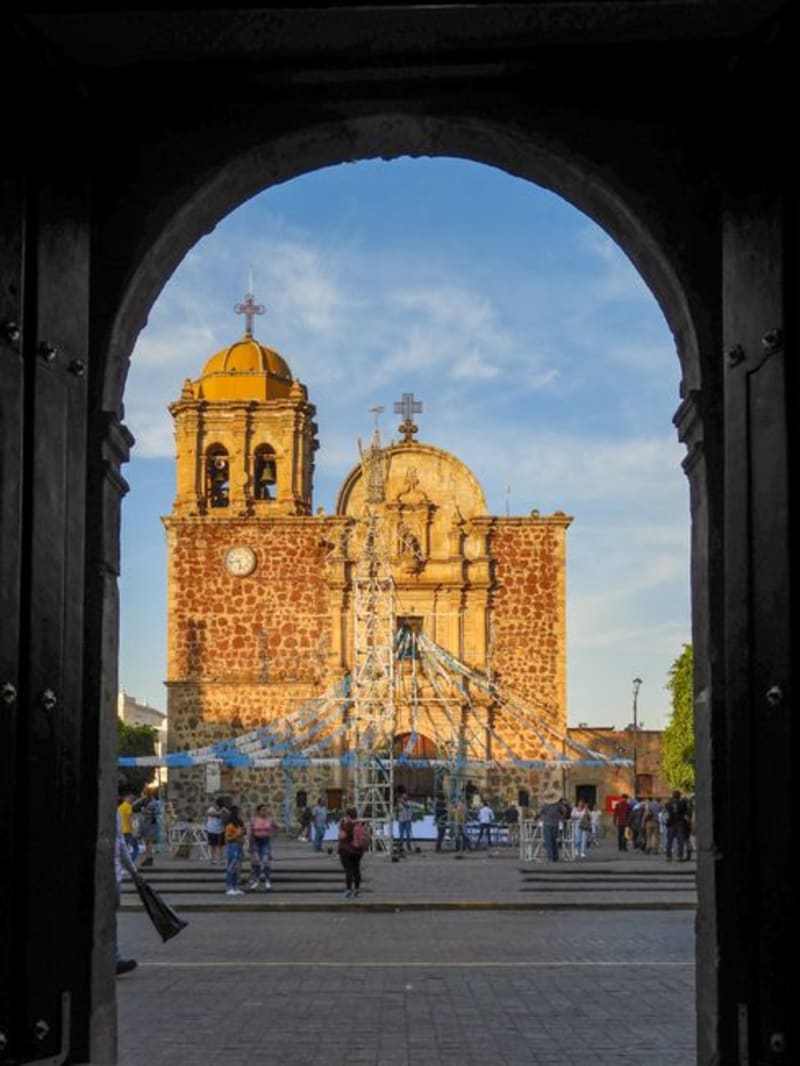 mexico
 Tepatitlán de Morelos
In the red-clay highlands of Los Altos de Jalisco, Tepatitlán is where birria de res has been slow-cooked the same way for generations — long before anyone thought to photograph it. The surrounding landscape rolls out in agave and ranchland under a sky that feels earned rather than decorative.
Explore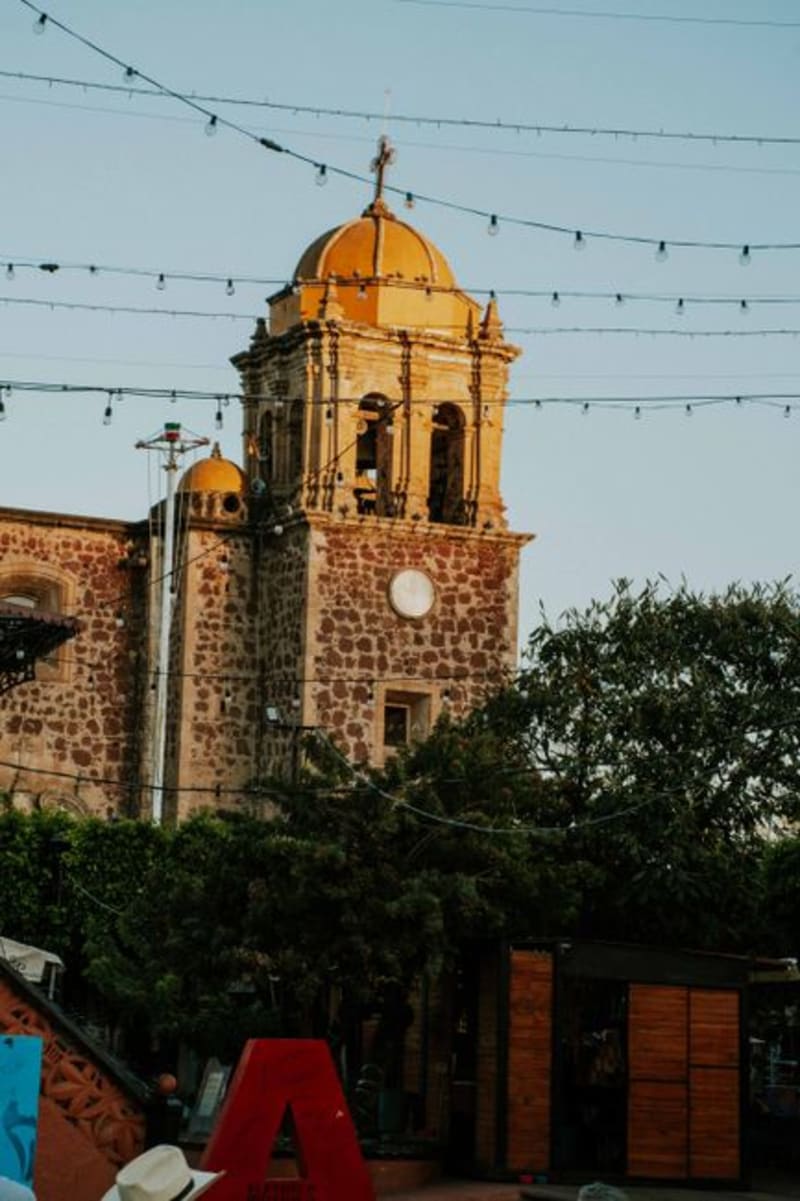 mexico
 Yahualica de González Gallo
A chili-growing town in the Los Altos highlands of Jalisco, Yahualica is where the chile cascabel defines everything — the Sunday market, the festival calendar, and a birria reputation that has reached all the way to Guadalajara's better taquerías.
Explore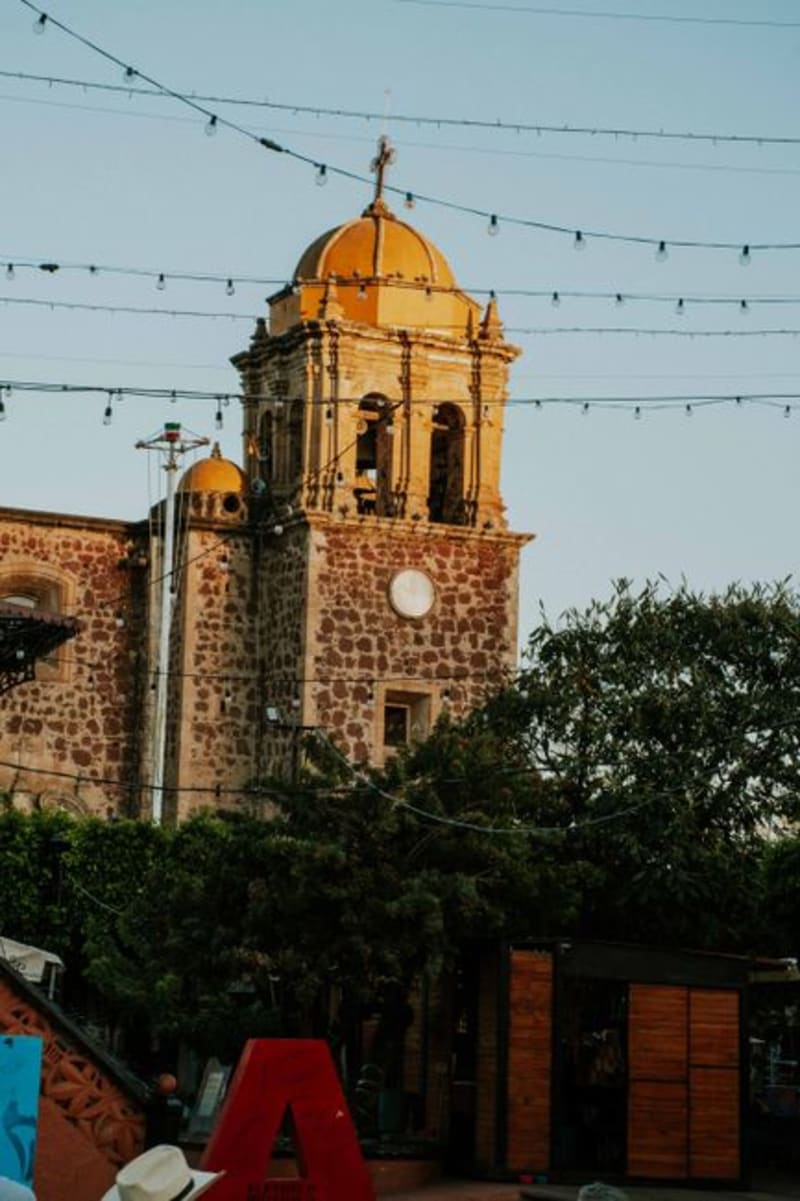 mexico
 La Barca
La Barca sits at the Jalisco-Michoacán border where the Lerma River divides two worlds that are closer in distance than in character. A proper colonial city that most travelers bypass entirely, following Highway 35 south toward Lake Chapala without realizing what they are passing.
Explore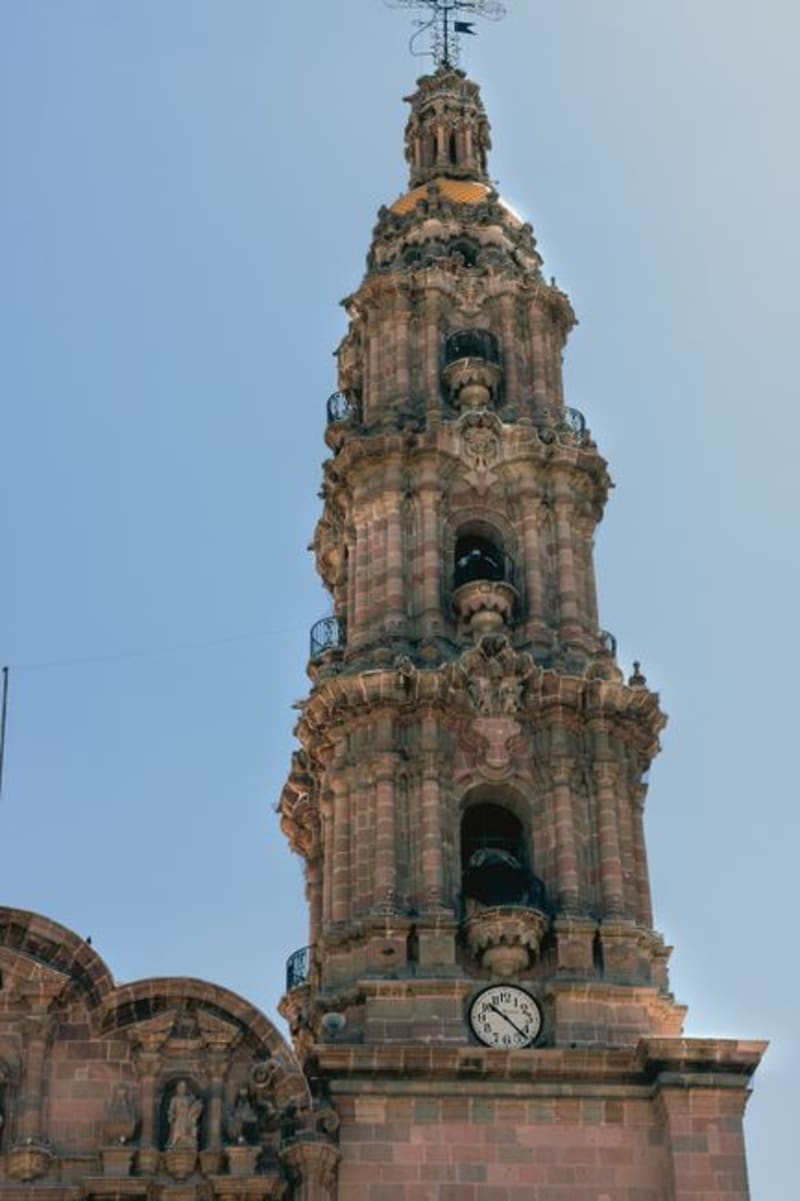 mexico
 Ocotlán
Every Thursday, Ocotlán hosts one of Jalisco's most consequential artisan markets — embroidered blouses, lacquered furniture, and hand-painted pottery that move through this lakeside town before resellers price them out of reach elsewhere. The baroque church anchoring the plaza is worth the trip on any day, but nobody comes on a Wednesday.
Explore