
Tamazula de Gordiano
"The thermal pool at the edge of town was deserted on a Tuesday morning and I had the sulfurous water entirely to myself — one of those moments where you feel you have found something never meant for you."
Tamazula sits in a lush valley in southern Jalisco, ringed by sugarcane fields and the first slopes of the Sierra del Tigre. Its colonial centro has stayed intact, its thermal springs have stayed quiet, and the Río Tamazula gives you a reason to be out before the heat arrives.

I came into Tamazula on the afternoon bus from Cd. Guzmán, watching the valley open around me as the road dropped off the plateau and into country that was insistently, almost aggressively green. The sugarcane started twenty minutes outside town — dense, wind-shuffled rows of it pressing close to the road — and by the time we pulled into the central camionera, the light was going low and orange behind the Sierra del Tigre. I had not planned to stay more than one night. I stayed four.
Thermal Pools Before the Town Wakes
The thing nobody mentions about the thermal pools at Balneario Las Pilas is that they are genuinely hot, genuinely sulfurous, and genuinely empty on weekday mornings. I walked out there at eight, following Calle Hidalgo until it gave out into a dirt track between cane fields. A small entrance fee, collected by a woman who arrived shortly after I did, and then a series of concrete pools in varying temperatures, the deepest sitting at something close to body heat. The water smells like struck matches. I soaked for an hour while a pair of egrets picked through the reeds on the far bank. No speakers, no plastic beach chairs, no waterslides. The facility is plainly built and exactly right for it. I went back the next morning and the morning after that, each time before the town had fully woken up, and each time the walk back along the río felt like a small luxury I had quietly arranged for myself.

The River Walk and the Tuesday Tianguis
The walk along the Río Tamazula is best done before nine. From the Puente Morelos you can follow the bank east past laundry lines and the occasional grey heron until the path narrows into nothing and you turn back — maybe forty minutes total. The Parroquia de Santiago Apóstol sits at one end of the jardín principal and its facade catches the morning light in a way that makes it look more composed than it has any right to be. The Tuesday tianguis runs along Calle 5 de Mayo: produce, rope sandals, dried chiles in cellophane bags, one woman who sells nothing but different grades of piloncillo. I bought a dark cone of Jalisco piloncillo and ate a piece standing there, which drew no particular attention. The mercado municipal is small and works mostly before noon; a counter near the back entrance does a bowl of pozole rojo that I had twice and would have had a third time if I had stayed.

A Sugarcane Town That Has Nothing to Prove
Tamazula is a sugarcane town first and a destination approximately never. The Ingenio Tamazula — one of the oldest sugar mills in Jalisco — sits at the edge of town and runs through zafra from November to May. Outside harvest season it sits quiet, and you can walk the perimeter road and look at the mountains without anyone asking why you are there. The local ponche de caña, sold warm from a clay pot at the Saturday market near the Palacio Municipal, tastes like cane juice that has had a long conversation with cinnamon and tejocote. I drank two cups before I thought to slow down. There is no craft workshop staging itself for visitors, no Instagram wall, no rooftop bar. Which is, in the end, the only reason to come.

Getting There
The easiest approach is from Cd. Guzmán, roughly 45 minutes north by bus or colectivo (frequent departures from Guzmán’s central camionera). From Guadalajara, take a directo to Cd. Guzmán — about two hours — and connect there. There is no direct long-distance service from major hubs. A colectivo from Guzmán costs next to nothing and drops you near the centro. There is no airport, and there is no reason for one.
Keep exploring
More of Jalisco
Keep exploring
More from Jalisco
 mexico
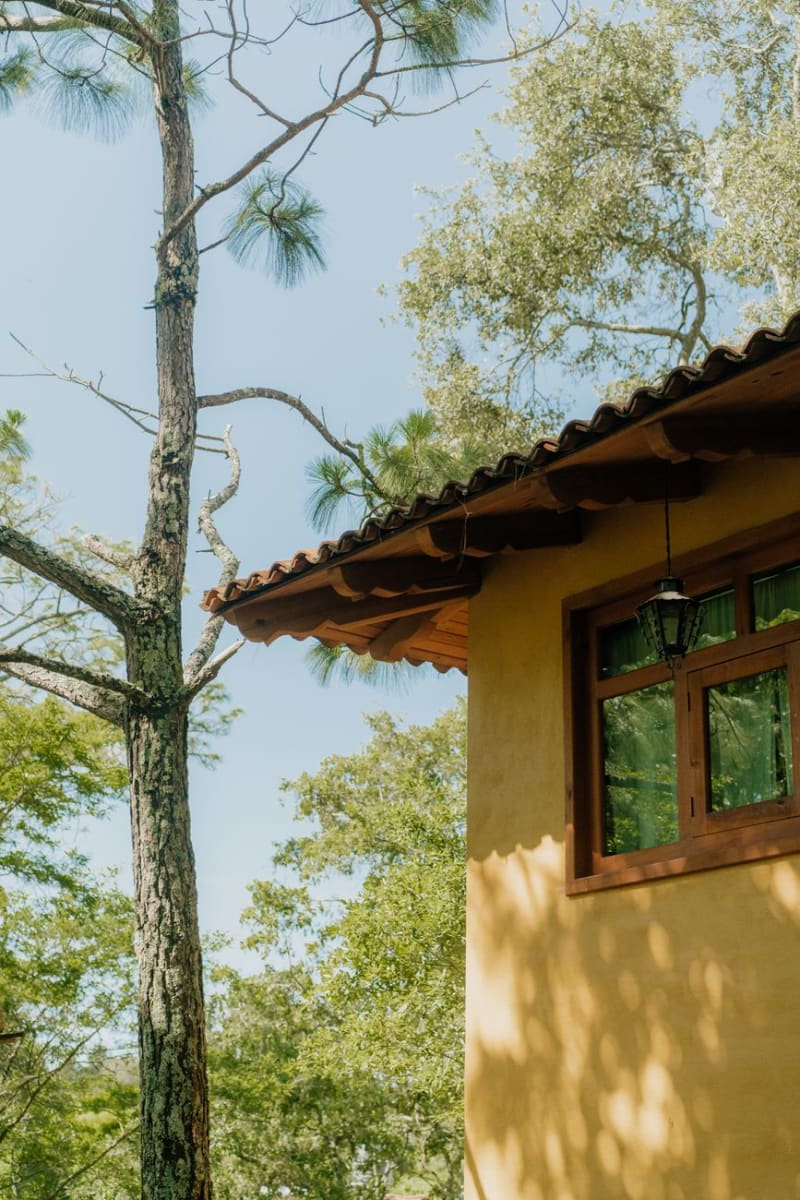
 Mazamitla
A pine-scented village at 2,200 meters in the Sierra del Tigre, Mazamitla trades beach heat for wool blankets and wood smoke. Its wooden balconies and mist-wrapped trails through oak-pine forest feel closer to the Swiss Alps than anything I expected to find two hours from Guadalajara.
Explore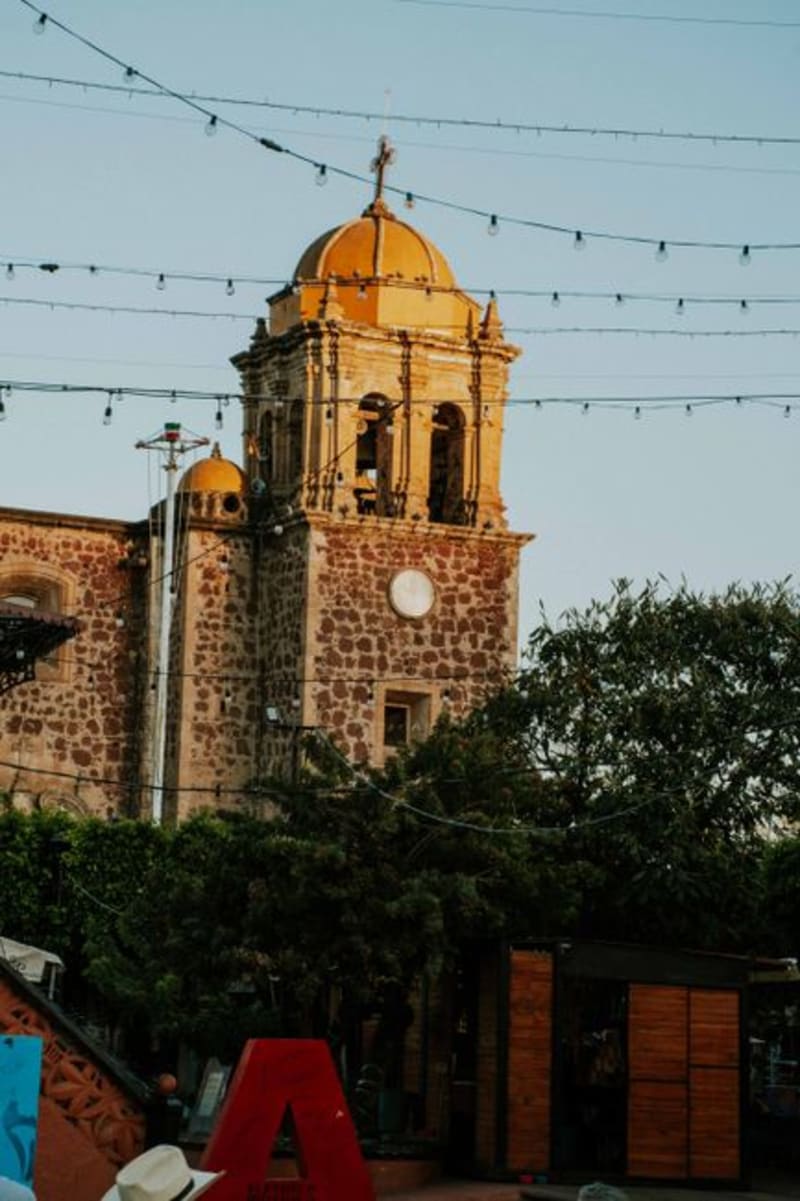 mexico
 Ciudad Guzmán
Juan Rulfo was born here, and the literary world has never quite stopped passing through — but Ciudad Guzmán keeps its own rhythms regardless, a Jalisco market town with a volcano on the horizon and no particular interest in being discovered.
Explore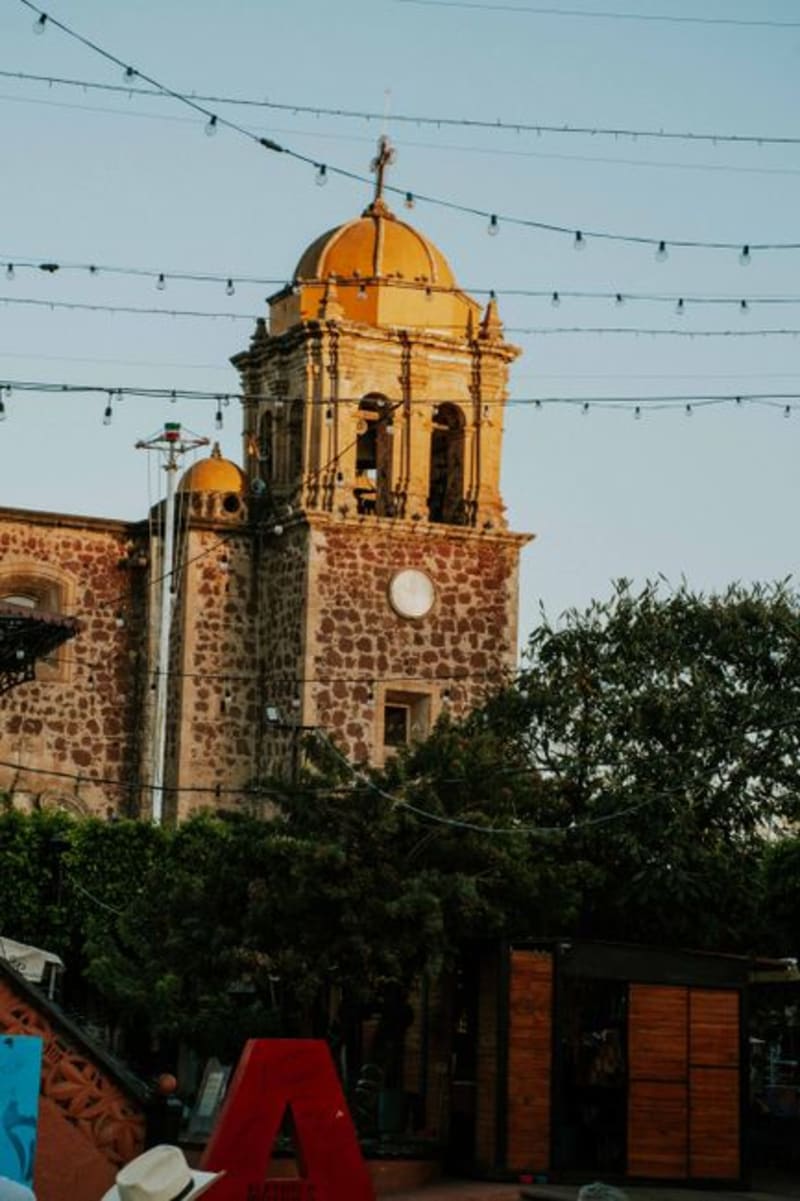 mexico
 Sayula
A quietly preserved colonial town in southern Jalisco where the market serves forty-year-old birria recipes and the dry lake bed turns the horizon white. Sayula minds its own business, which is exactly why it stays this good.
Explore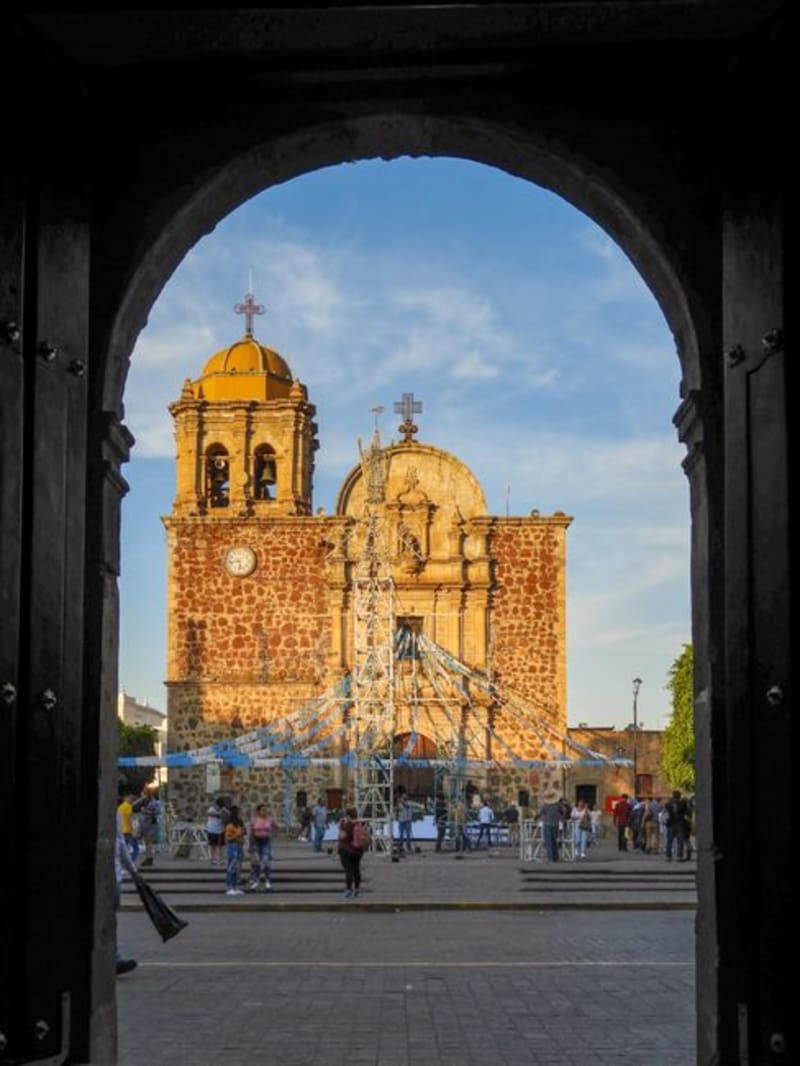 mexico
 San Gabriel
A small town in the southern Jalisco sierra where Juan Rulfo was born — the man who wrote Pedro Páramo and gave Mexico its literary soul. The silence here is the same silence he put on the page, and standing in the plaza, that feels less like a coincidence than a proof.
Explore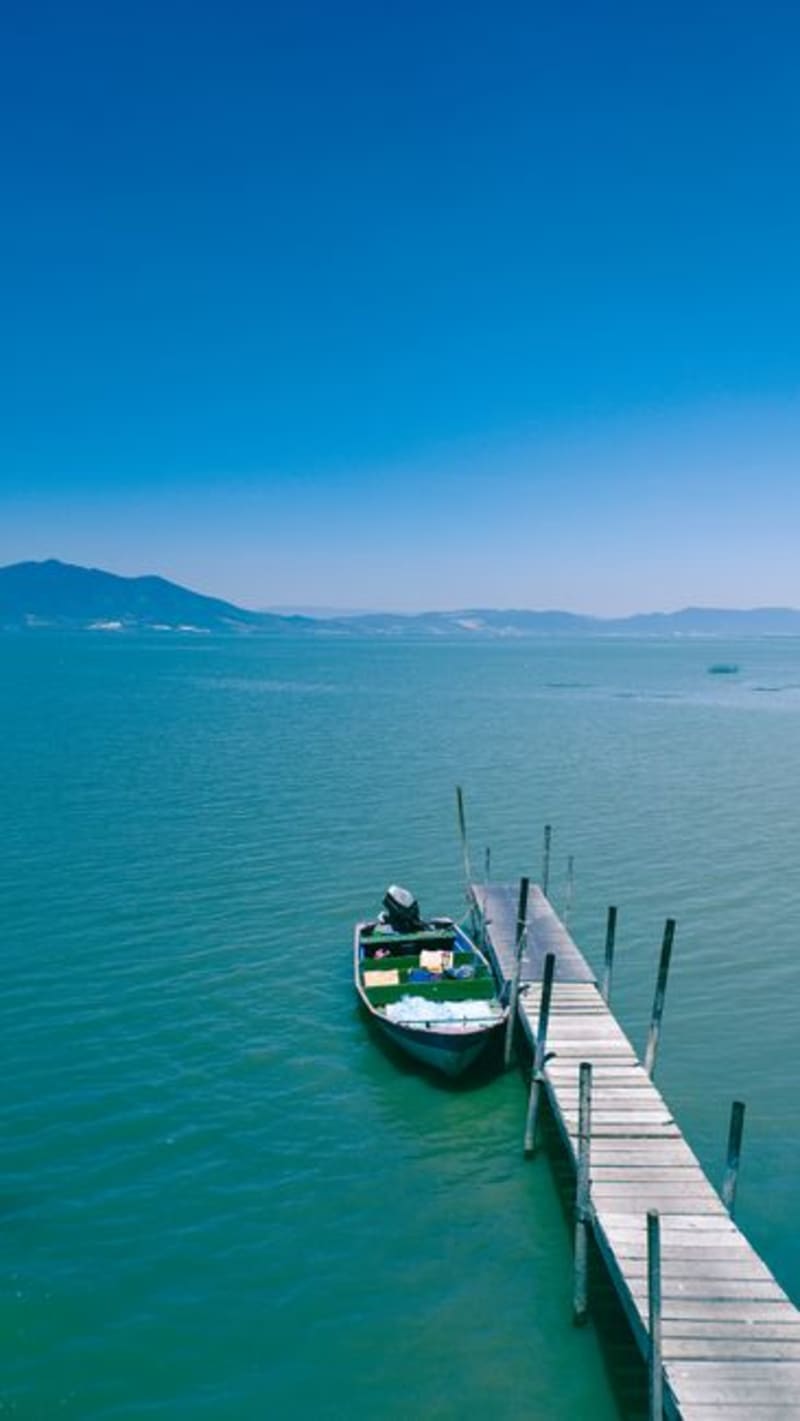 mexico
 Chapala
Chapala sits on the northern shore of Mexico's largest natural lake, less polished than its neighbor Ajijic but more alive — fishermen still work the public docks, charales vendors walk the malecón, and the scale of the water does something useful to your sense of urgency.
Explore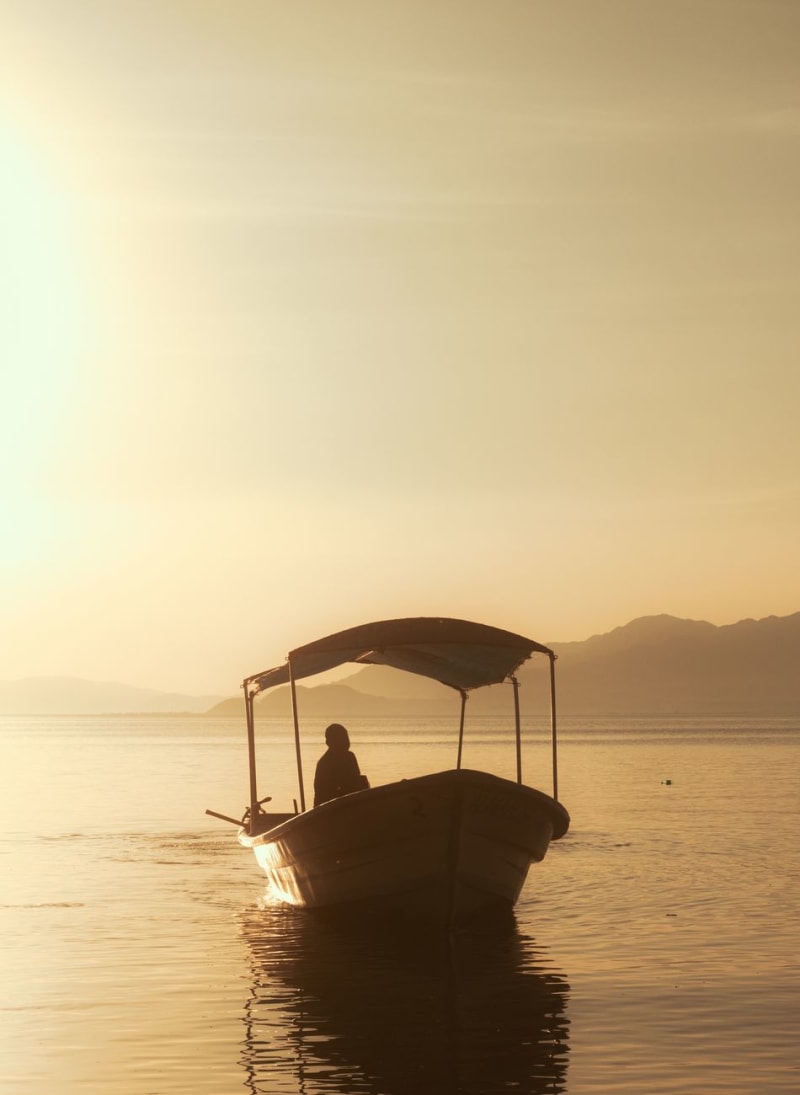 mexico
 Ajijic / Lago de Chapala
Ajijic is a lakeside town on the north shore of Lago de Chapala — Mexico's largest lake, 1,100 square kilometers of blue-grey water backed by the Sierra de Tapalpa — that became an artist colony in the 1940s and then, more improbably, the largest expat retirement community in Mexico. Neither of those things has swallowed the town that existed before: the plaza still has women selling tamales in the evenings, the fishing boats still go out, and in winter the lake fills with thousands of American white pelicans arriving from the north in formations that take a long time to cross the sky. I walked the malecón at dusk and watched them come in to land and ate uchepos from a vendor by the bandstand and thought that this was exactly enough.
Explore