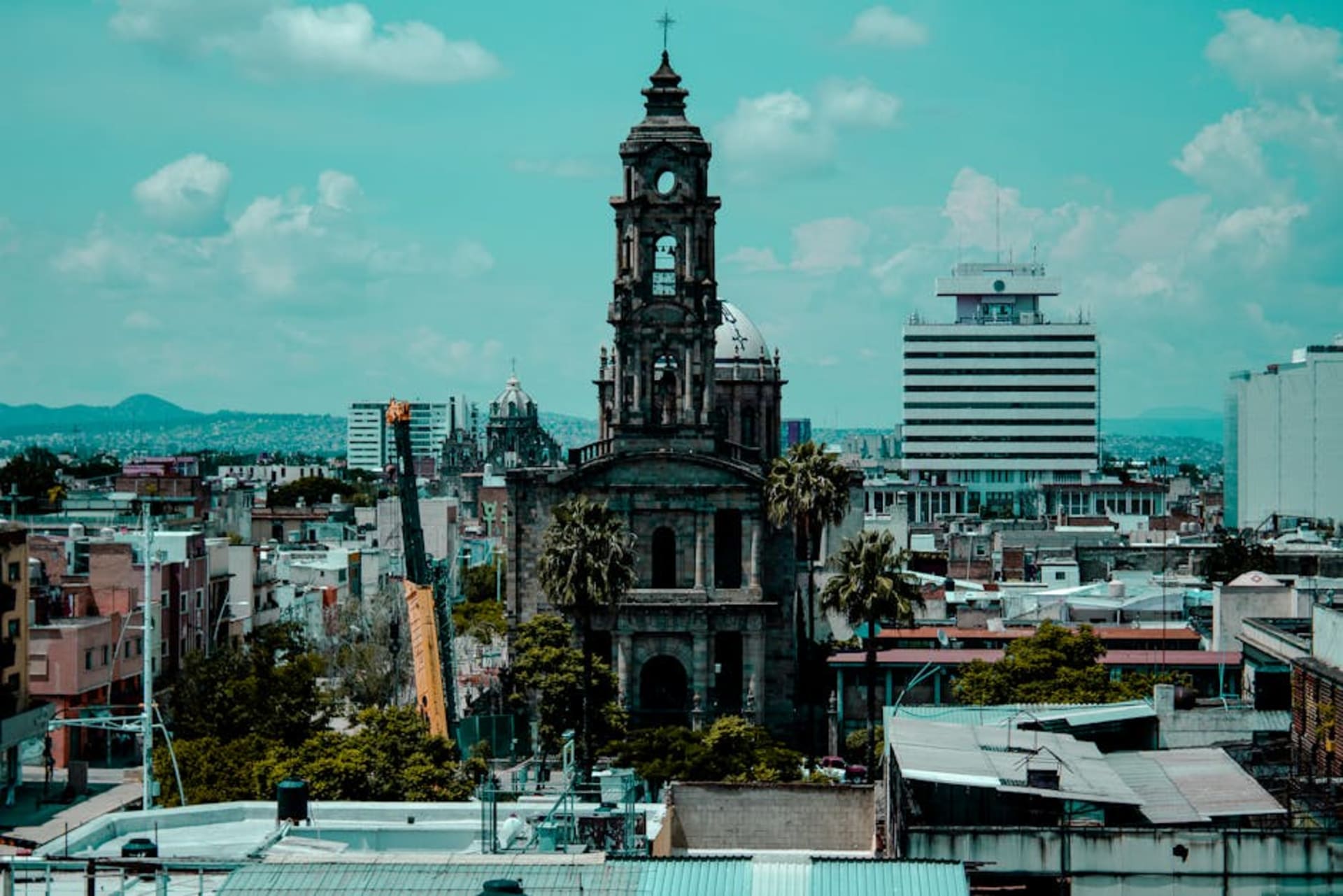
Jalisco
"Tequila is a Jalisco town. Mariachi is a Jalisco invention. The charreada — the Mexican rodeo — started here. The state's cultural exports have completely displaced its geography in the international imagination."
Jalisco is the state that exported its culture so successfully that the culture became the country. The charro (Mexican horseman in embroidered suit), the mariachi (the brass and string ensemble that plays at every Mexican celebration internationally), the tequila (distilled from the blue agave that grows in the volcanic red soil of the Tequila valley), and the birria (the red chile-braised goat or beef stew that has conquered every Mexican neighborhood in the United States) — all Jalisco originals. The state has been defining Mexican identity since the 19th century, when the Reform War and the French Intervention made Jalisco’s conservative, Catholic, ranchero culture the symbolic counterweight to cosmopolitan Mexico City.
Guadalajara — Mexico’s second city, 500 kilometers west of Mexico City on the central highland plateau at 1,560 meters — is the urban center: a sprawling metropolitan area of 5 million people with a colonial centro of genuine grandeur (the cathedral, the Teatro Degollado, the Hospicio Cabañas), a professional tech and creative class that has made it Mexico’s Silicon Valley, and the specific character of a city that is culturally conservative and economically dynamic at the same time.
Beyond Guadalajara, Jalisco ranges from the Sierra Madre Occidental in the north (cloud forest, indigenous Huichol communities, the canyon system that parallels Chihuahua’s Copper Canyon) to the Costa Alegre (Happy Coast) in the south — the stretch of Pacific coastline between Puerto Vallarta and Manzanillo that includes Barra de Navidad and the estuaries, beaches, and fishing villages that predate the resort development of the Riviera Nayarit to the north.
The Jalisco highlands between Guadalajara and the coast contain the craft towns — Tlaquepaque and Tonalá for furniture, ceramics, and glass; Tapalpa for the pine forest and the wool weavers; the Valle de Atemajac wine country to the northwest — and the distillery country around the town of Tequila, where the Agave tequilana Weber fields that cover the volcanic hillsides are a UNESCO World Heritage Landscape.
Explore
Places in Jalisco
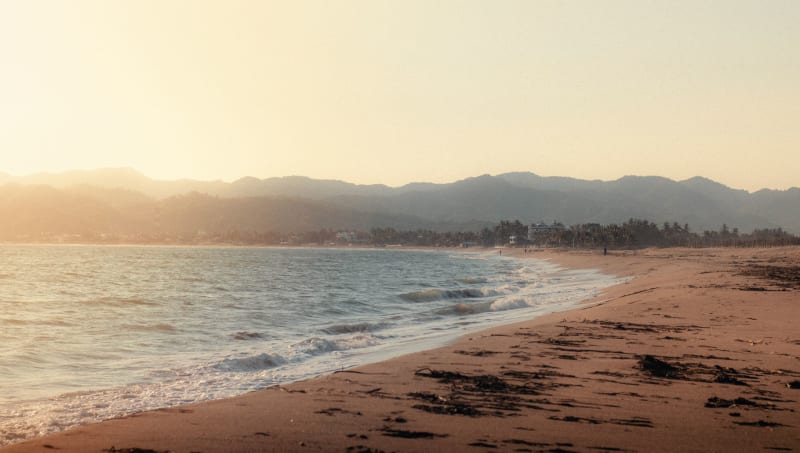
Barra de Navidad
A Jalisco coast village on a sand spit between the Pacific ocean and a lagoon, where the beach faces southwest, the pelicans land on the pangas every afternoon, and the lagoon side has the fishing boats and the mangroves and the Grand Bay Hotel that appears to have been dropped into the wrong zip code.
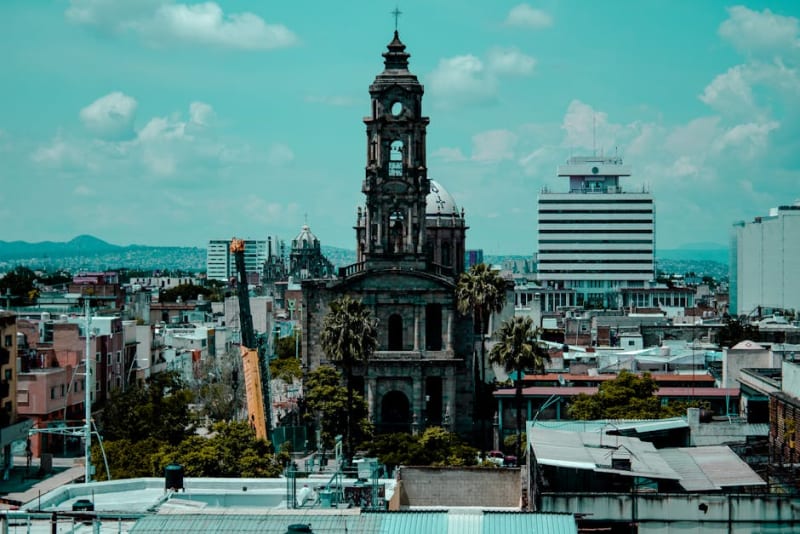
Guadalajara
Mexico's second city — birthplace of tequila, mariachi, and a contemporary art scene that rivals the capital.
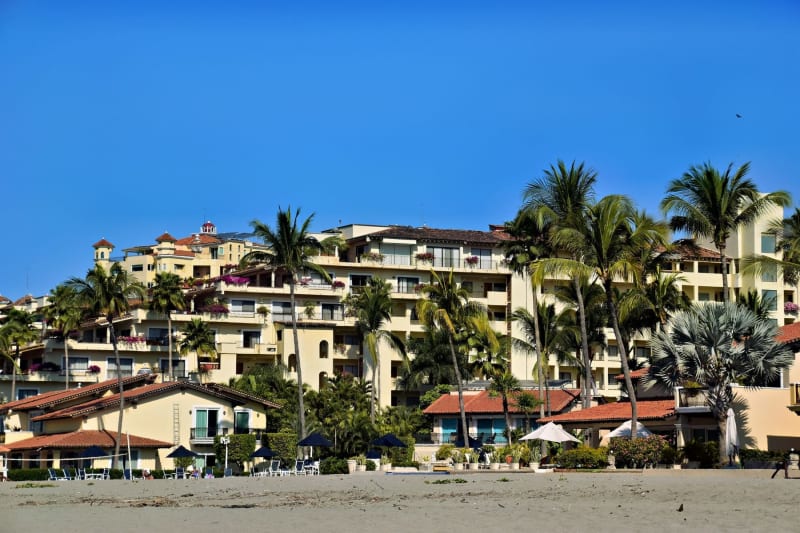
Puerto Vallarta
Cobblestone streets meet Pacific beaches where the Sierra Madre meets the sea in Mexico's most romantic resort town.

Tapalpa
A Jalisco highland pine forest town at 2,000 meters where the weekend escape from Guadalajara has created a village of white buildings and red rooftiles, wool rugs woven in a tradition brought by the Spanish, and a landscape of volcanic rock formations called the Piedrotas that appear to have been arranged by someone with too much time.
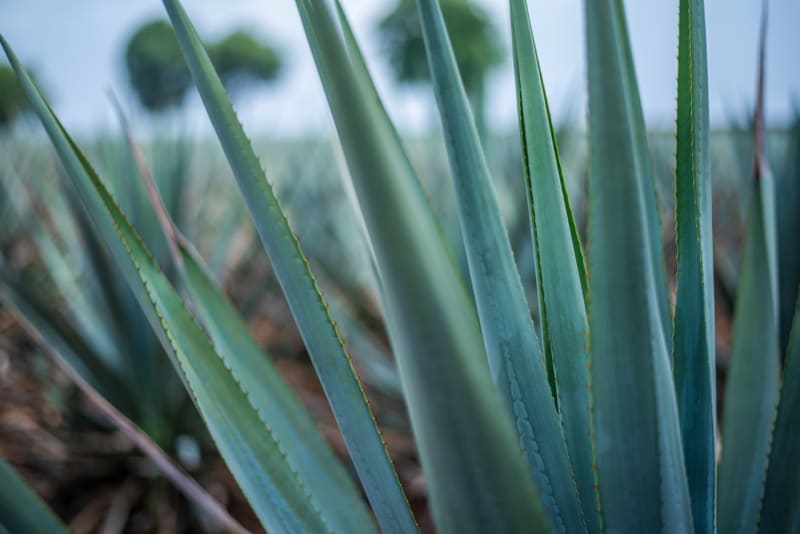
Tequila
The Jalisco town that gave its name to Mexico's most exported spirit — blue agave fields covering the volcanic slopes, distilleries where you can watch jimadors harvest a plant that takes eight years to mature, and the train from Guadalajara through the agave landscape.
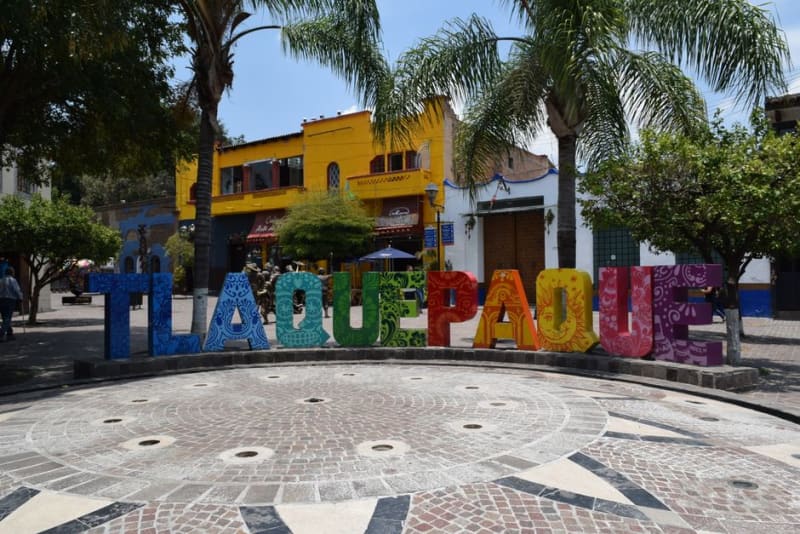
Tlaquepaque
Guadalajara's artisan district — a colonial village absorbed by the city that still produces Mexico's finest blown glass, Talavera-style ceramics, and handmade furniture, in studios open to the street.