Tequila
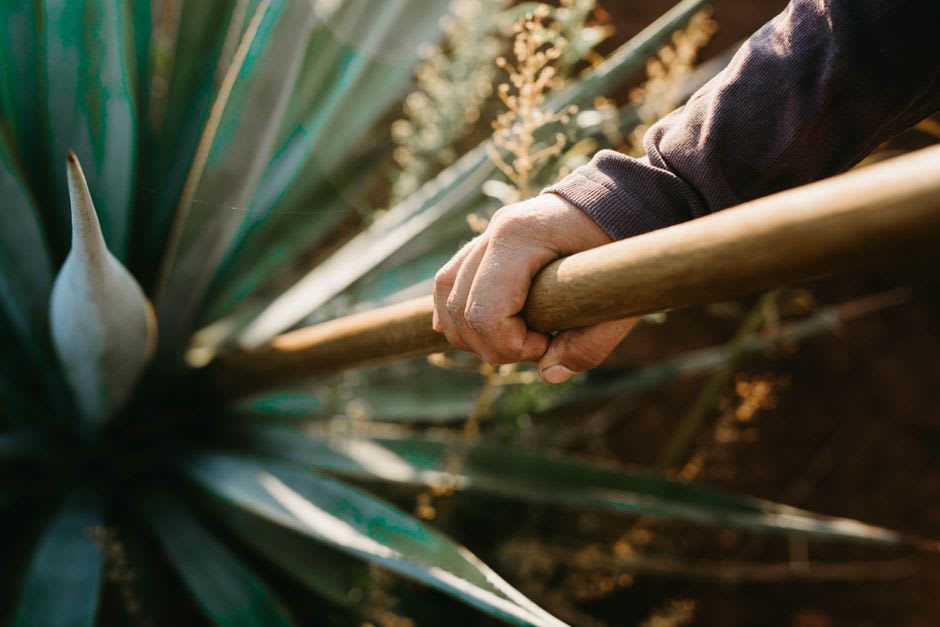
"The jimador cuts the pencas with a coa — a specialized blade on a long handle. He makes it look simple. It requires eight years of practice to know when the piña is ready."
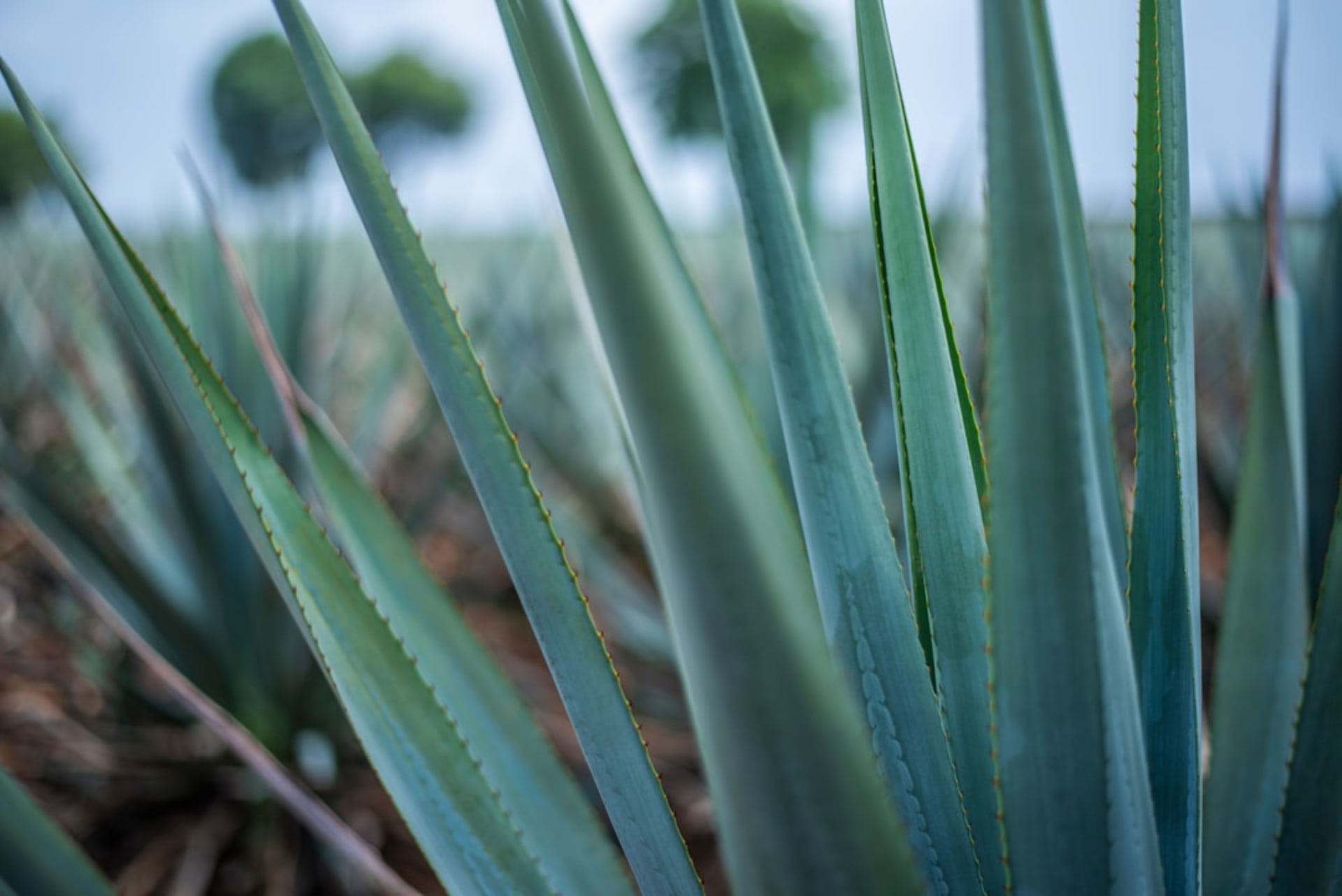
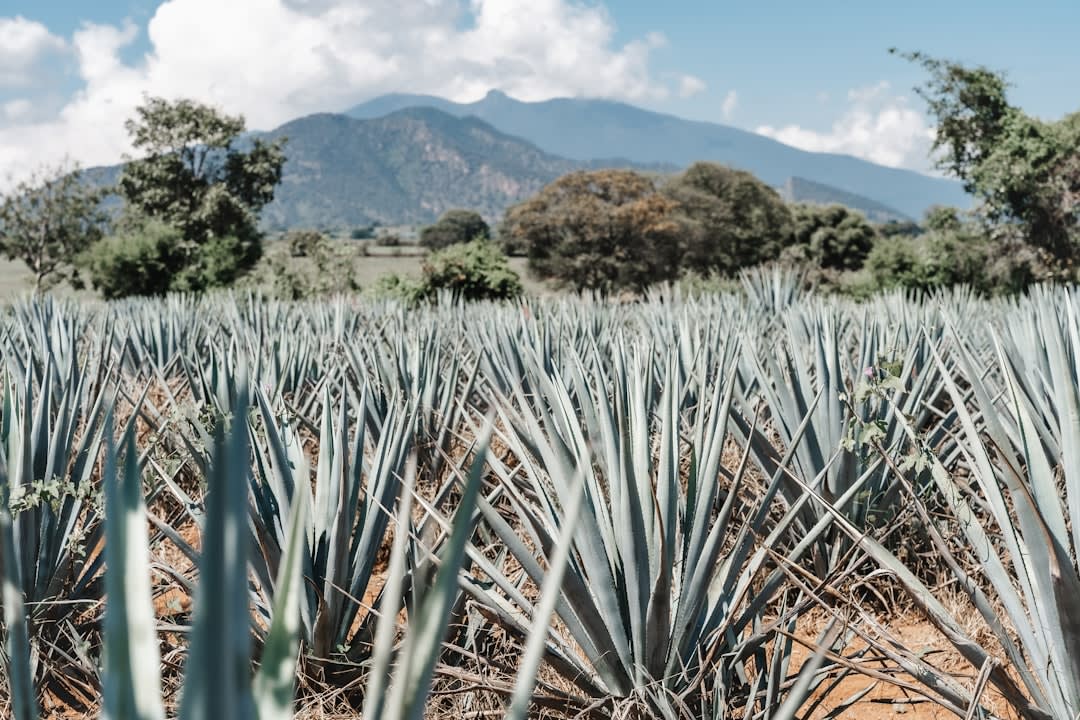
Tequila is a town of 40,000 people in the Jalisco highlands, 60 kilometers northwest of Guadalajara, at the foot of the Tequila volcano on a landscape covered entirely in blue agave (Agave tequilana Weber). The agave fields that extend from the town in every direction — UNESCO listed this “agave landscape” as a World Heritage Site in 2006, along with the distilleries — create a visual environment unlike anything else in Mexico: thousands of hectares of blue-green spiky rosettes in orderly rows, the volcanic soil between them the specific red-brown of the Jalisco terroir, the whole landscape glowing in the late afternoon light.
The tequila that comes from here — by Mexican law, tequila can only be produced in Jalisco and four other designated states, and must be made from at least 51% blue agave (100% agave tequilas are labeled as such) — is the one that defines the category globally, but the version available in the distilleries of Tequila town is different from the export product in ways that matter: fresher, less filtered, made in batches small enough to taste the specific character of individual plots.
The Jimadors and the Harvest
The jimador — the agricultural specialist who harvests the blue agave — is the foundation of the entire industry, and watching the harvest is the best education in why tequila tastes the way it does. The agave plant grows for seven to twelve years before it is harvested; the jimador must identify the moment of peak ripeness (when the piña — the pineapple-shaped core of the plant — reaches maximum sugar content) and cut it at precisely the right time.
The tool is the coa — a long-handled blade with a circular head, used to remove the pencas (the spiky leaves) from the piña and then cut the piña from the ground. A skilled jimador can harvest a mature plant in under two minutes; the piñas can weigh between 40 and 150 kilograms.
The distilleries in and around Tequila town — José Cuervo (the largest, the most touristic), Herradura (in the nearby town of Amatitán, the best tour), El Tesoro (boutique, the best tequila), and a dozen smaller operations — all offer tours that walk through the process from the roasting ovens (where the piñas are cooked to convert starches to sugars) through fermentation and distillation to the aging cellars.
The aging cellars at the established distilleries contain barrel libraries of extraordinary size: the Herradura cellars hold tens of thousands of American and French oak barrels, the amber light filtering through the agave spirit as it ages from blanco (unaged) to reposado (2-12 months) to añejo (1-3 years) to extra añejo (over 3 years), each stage adding complexity and color.
The Tequila Express
The Tequila Express — a tourist train that runs from Guadalajara to Tequila on weekends — is one of the better-organized tourism experiences in Jalisco: a vintage train through the agave landscape, with mariachi music, regional food, and a distillery visit in Tequila included in the ticket. It is unashamedly touristic and genuinely enjoyable; the two-hour train journey through the agave fields at dawn, with the Tequila volcano behind and the mist still in the valleys, justifies the price before the train arrives.
The Town
The Plaza Principal of Tequila has the colonial church, the municipal palace, and the dense concentration of mezcal and tequila shops selling products that range from the industrially produced to the artisanally made. The distinction matters: the 100% agave designation guarantees the spirit is made exclusively from blue agave; the mixto tequilas are made with only 51% agave and up to 49% other sugars, producing the headaches familiar from the cheap bottles.
The town’s restaurants serve birria in the Jalisco tradition — braised goat or beef in a red chile consommé — as the backdrop to tequila tastings, which is the correct combination.
Getting there: Local buses from Guadalajara’s Central Camionera (1.5h). The Tequila Express runs on weekends from Guadalajara’s Estación Cuitláhuac. Rental car allows the full distillery circuit including Herradura in Amatitán. Day trip from Guadalajara is standard; staying overnight allows early morning access to the fields before the tour buses arrive.
When to go: October through May. The agave harvest has no fixed season (each plant is harvested at its individual maturity), so jimadors are in the fields year-round. The Festival Internacional del Tequila in early December fills the town.