
Tapalpa
"Guadalajara is 130 kilometers north. At altitude it becomes irrelevant. The pine forest, the wool weavers, the cold nights — these are the things the city doesn't have."
Tapalpa is the highland village that Guadalajara weekends in — 130 kilometers south on a road that climbs from the hot Jalisco lowlands into the pine and fir forest of the Sierra de Tapalpa, arriving at 2,000 meters in a completely different climate and landscape from the city. The altitude drops the temperature 15 degrees; the pine forest replaces the suburban sprawl; the volcanic rock formations called the Piedrotas provide a landscape that would be remarkable anywhere and is doubly so for arriving from Mexico’s second-largest city.
The town is small and genuinely pretty: white stucco and red tile roofs on cobblestone streets, a 17th-century church, the smell of wood smoke in the evenings, the specific cold of a highland pine forest at night. The wool rugs woven in Tapalpa by families who have maintained the craft since the Spanish introduced it in the 16th century — using the regional design vocabulary of birds and geometric patterns in the natural wool colors of the local sheep breeds — are the primary craft tradition.
The Piedrotas
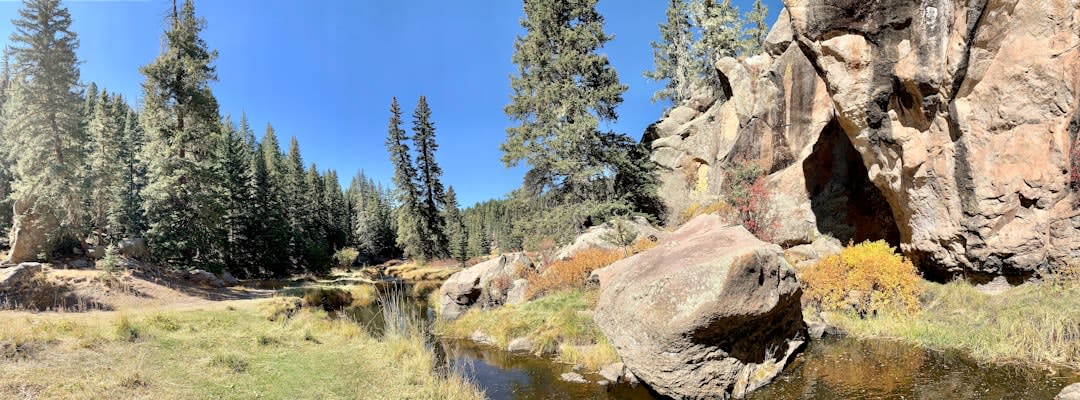
The Piedrotas are a field of volcanic basalt boulders of extraordinary size — some 30-40 meters in their largest dimension — scattered across a highland meadow 3 kilometers from town as though placed deliberately. The geological reality: they are the eroded remnants of a volcanic plug, the harder core material remaining after the softer surrounding rock eroded away over millions of years.
The effect of walking through the Piedrotas: the scale is difficult to hold in the mind, each boulder too large to encompass in a single visual field, the spaces between them creating chambers and passages that the afternoon light fills in different ways as the sun moves. The wildflowers that grow in the meadow around the boulders — endemic highland species of the Jalisco sierra — change from month to month through the growing season.
The Piedrotas are 3 kilometers from the town center on a marked trail through the pine forest. The walk takes 45 minutes in each direction and passes through the forest community that lines the valley — pine, oak, and madroño in the mix that this altitude produces in the Jalisco highlands.
The Wool Weavers
The taller de tejidos (weaving workshops) in Tapalpa produce wool rugs and blankets using a tradition that is visually distinct from the Oaxacan weaving tradition of Teotitlán del Valle (covered separately): the Tapalpa weavers use the natural browns, grays, and creams of the Churro sheep wool alongside dyed wool, and the design vocabulary is different — more geometric, influenced by the Spanish design sensibility that the colonial period introduced to this particular sierra community rather than the pre-Columbian iconography that the Zapotec weavers of Oaxaca maintained.
The workshops are in houses throughout the town; most are open to visitors and demonstrate the floor loom technique. Prices reflect production cost rather than tourist markup — Tapalpa rugs are an excellent value compared to equivalent work sold in Guadalajara’s craft markets.
The Salto de Nogal Waterfall
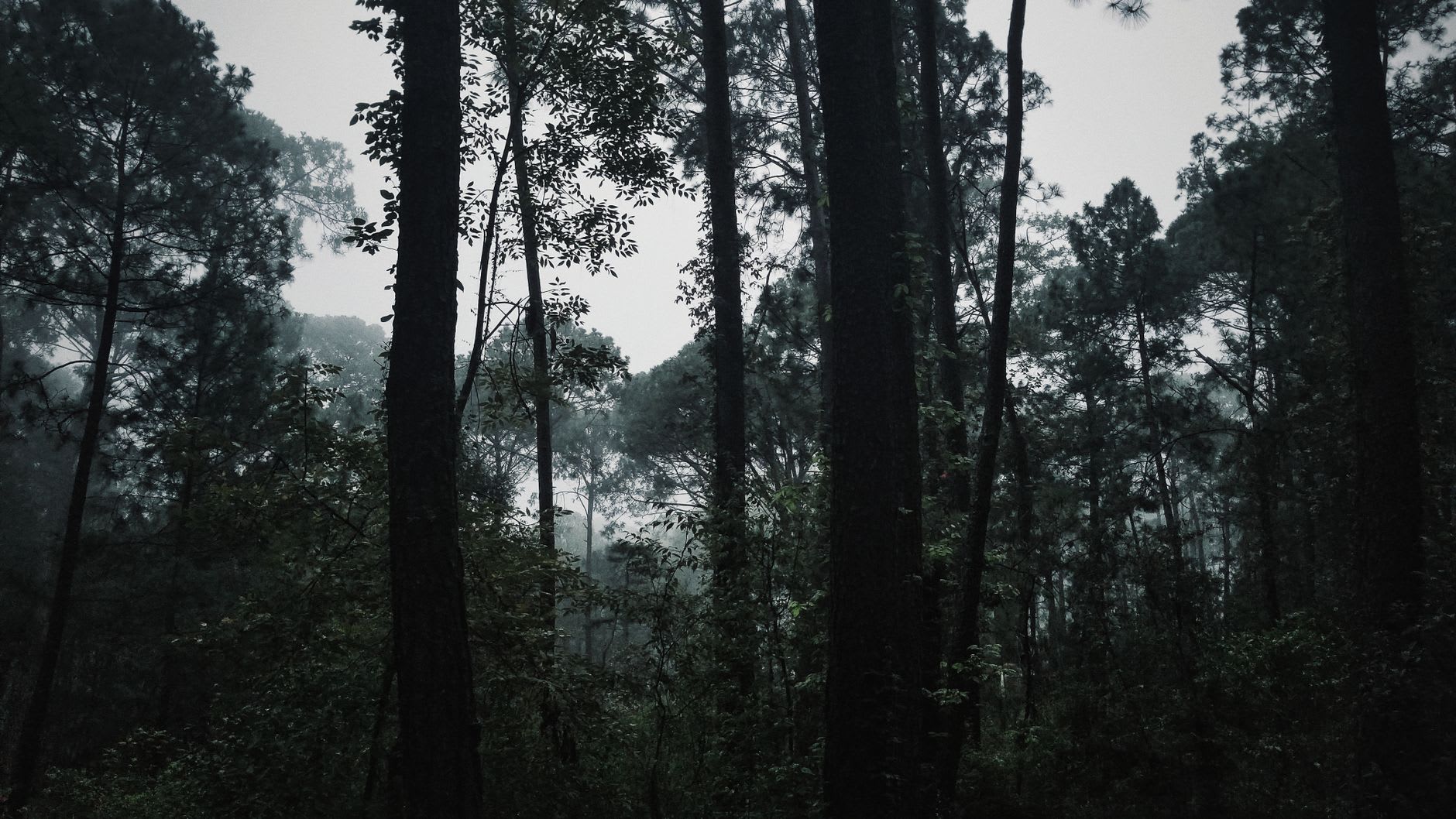
The Cascada de Nogal (also called the Salto de Nogal) — 105 meters of the Río Nogal falling through a basalt canyon in the pine forest 10 kilometers from Tapalpa — is the largest waterfall in Jalisco state and a half-day excursion from the town. The approach is a 30-minute walk through the forest from the parking area; the viewpoint above the falls and the trail to the base both provide different perspectives on the scale of the drop.
The water at the base is cold — snowmelt from the higher sierra feeds the river — and the spray at the plunge pool creates a microclimate that supports plant species different from the drier pine forest above.
Getting there: Bus from Guadalajara’s Central Camionera (2.5h). The route passes through Sayula and climbs to the highland. Most Guadalajara families drive; the road is good. Weekend accommodation books out; arrive Friday afternoon or Monday to Thursday for a quieter experience.
When to go: Year-round for the pine forest and cool climate. March through May for the wildflowers. November through January for the fire-in-the-fireplace experience (temperatures drop to 4-6°C at night). The rainy season (June-September) makes the forest lush and the waterfall more dramatic.