Tepeji del Rio
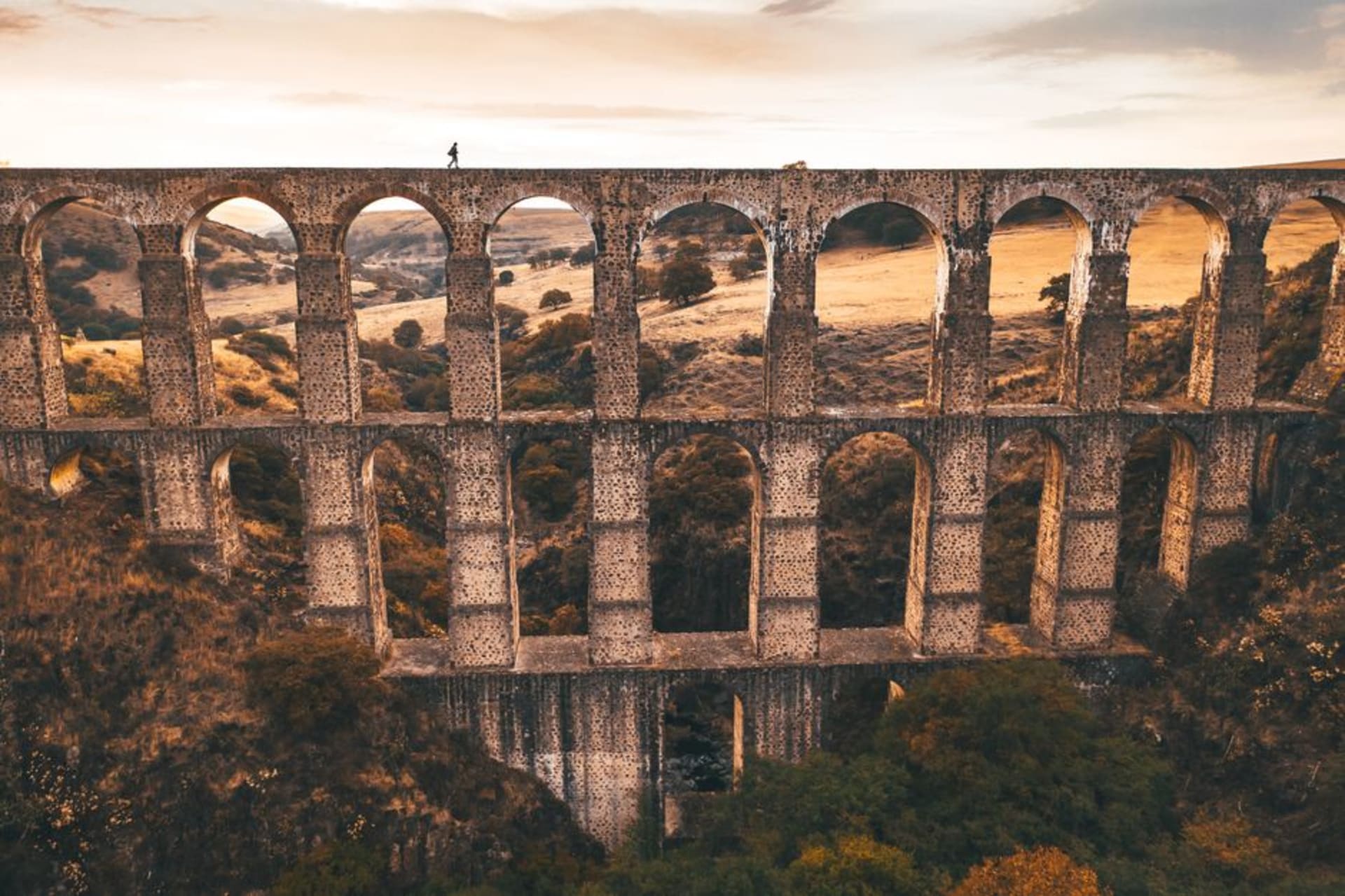
"I walked the length of the old aqueduct at Tepeji as the afternoon light went golden on the arches and thought about the indigenous laborers who carried those stones up — it is an extraordinary thing and an uncomfortable history at the same moment."
Tepeji del Rio sits in the Tula River valley of Hidalgo, its skyline broken by the long, pale arches of a 16th-century Augustinian aqueduct — one of the most ambitious pieces of colonial hydraulic engineering anywhere in Mexico. Ruined ex-haciendas scatter the surrounding countryside, lending the whole corridor a melancholy grandeur that catches most visitors completely off guard.

I came to Tepeji del Rio by accident, essentially — a wrong turn off the Querétaro highway that I decided not to correct. The town itself is unremarkable at first: a modest plaza, a market that smells of chiles and grease, pickup trucks idling in the heat. Then you walk ten minutes toward the river and the aqueduct appears through the mesquite, sixty-odd arches stepping across the valley in long, confident strides, and you stop. Whatever you thought you were doing that afternoon, this is now what you are doing.
The Aqueduct and What It Cost
The Augustinians began construction of the acueducto de Tepeji in the mid-1500s, part of a hydraulic system designed to manage the Río Tula and supply the monastery they were building above the valley. The engineering is legitimately impressive — the arches are tall and still structurally sound, the stonework tight, the scale ambitious even by the standards of colonial projects that had essentially unlimited coerced labor at their disposal. Which is the thing that sits with you as you walk alongside it. The afternoon I was there, a school group had come out to sketch the arches, and their teacher was explaining buttresses while I stood in the shade of a pillar doing arithmetic in my head: thousands of tons of cut stone, hand-quarried, hand-carried, by Otomí and Nahua workers who received no wage and had no say. The aqueduct is extraordinary. The history is not comfortable. Both things are true simultaneously and I think Tepeji is more interesting for making you hold them at the same time.

The Hacienda Corridor
The Tula River corridor between Tepeji and Tula is scattered with ex-haciendas in various states of dissolution — some converted to event venues with string lights and catering kitchens, others simply open to the sky and the nopal that has taken root in the walls. I stopped at the ruins of one just south of town, name long gone from the facade, and ate a torta from a cooler someone had set up in the shade of a crumbling arcade. The woman selling them told me the place had been a textile operation before the Revolution, then a cattle ranch, then nothing. The carved stone portal was still intact. Tepeji doesn’t market this corridor particularly aggressively, which suits it — the haciendas feel found rather than presented.

The Town Market
The Mercado Municipal on Calle Juárez runs properly on Sundays, when vendors from the surrounding ejidos come in with fresh cheese, dried chiles, and bundles of quelites. I had a bowl of caldo de res at a counter near the entrance — good, fatty broth, a knuckle bone, a wedge of lime — for thirty-five pesos at around nine in the morning. Tepeji is not a food destination, but the market is honest and unhurried and the carnitas stand near the back does a respectable taco with the kind of crispy edge that only comes from cooking in copper.

Getting There
Tepeji del Rio is roughly 70 kilometers north of Mexico City, just off the Mexico 57 autopista toward Querétaro. Direct buses run from Terminal del Norte (Autobuses del Norte platform) every hour or so; the ride takes about ninety minutes. From Pachuca, the state capital, it is around an hour by local bus via Tula. There is no real reason to stay overnight — a day trip is enough.
Keep exploring
More of Hidalgo
Keep exploring
More from Hidalgo
 mexico
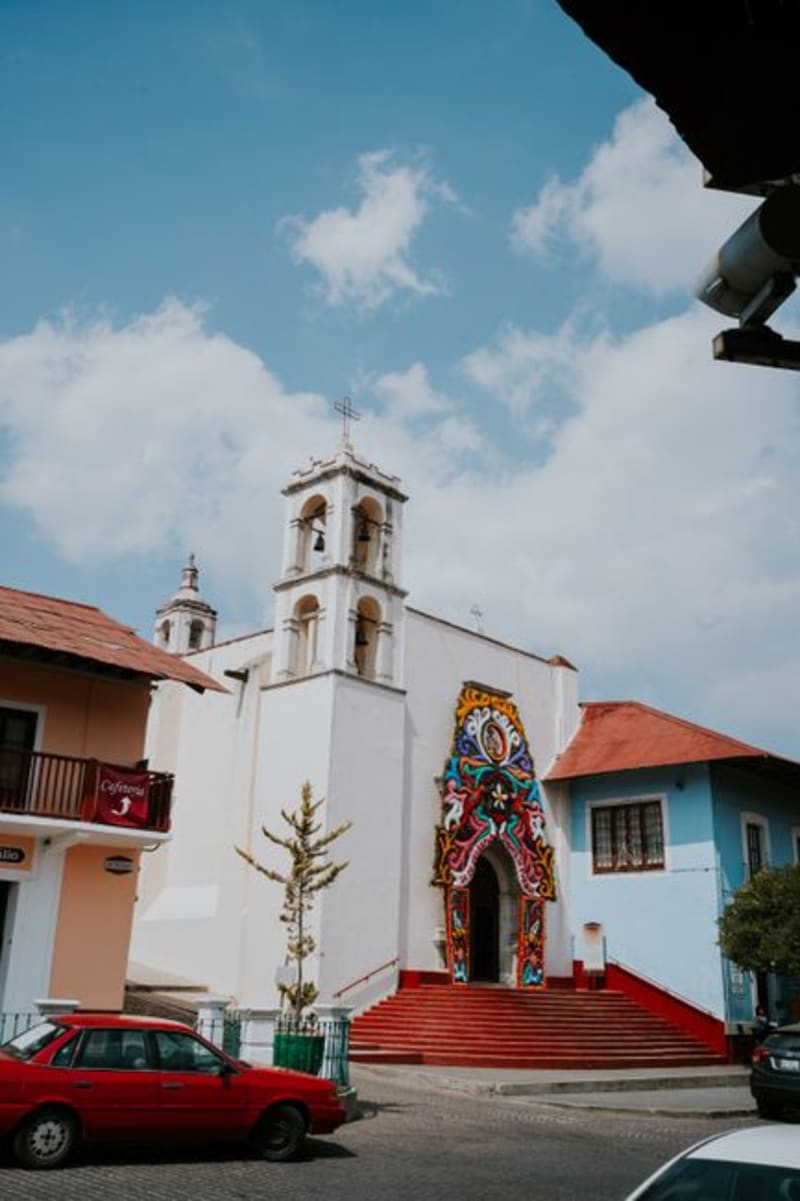
Chilcuautla
A dusty Otomí town in the Valle del Mezquital of Hidalgo, where mezquite scrub meets irrigation canals and thermal water rises warm from an arid ground. This is resilience made landscape — a place that has learned to make a hard valley yield.
Explore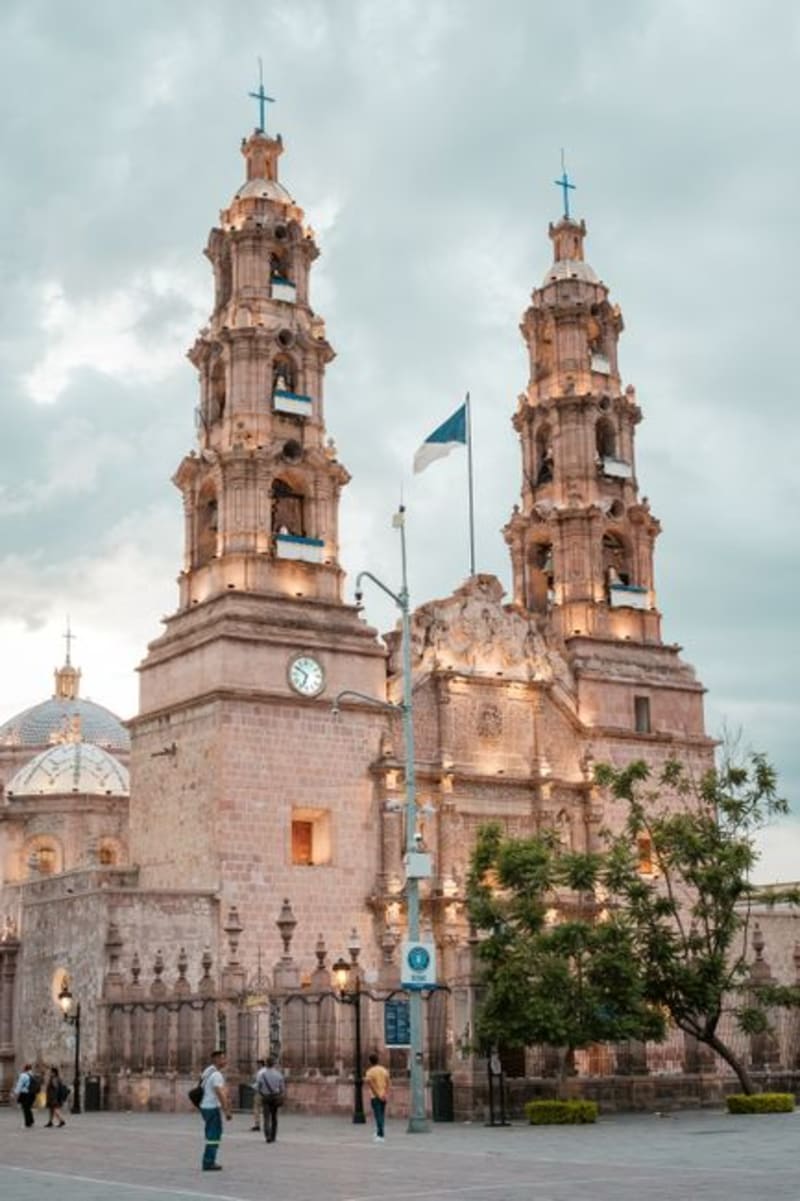 mexico
Nopala de Villagrán
A town on the wide flat plains of southwestern Hidalgo, deep in agave and pulque country. Maguey rows to the horizon, farm fields, an old parish church, and a sky so big it flattens everything under it. Nothing to rush for, which is the whole appeal.
Explore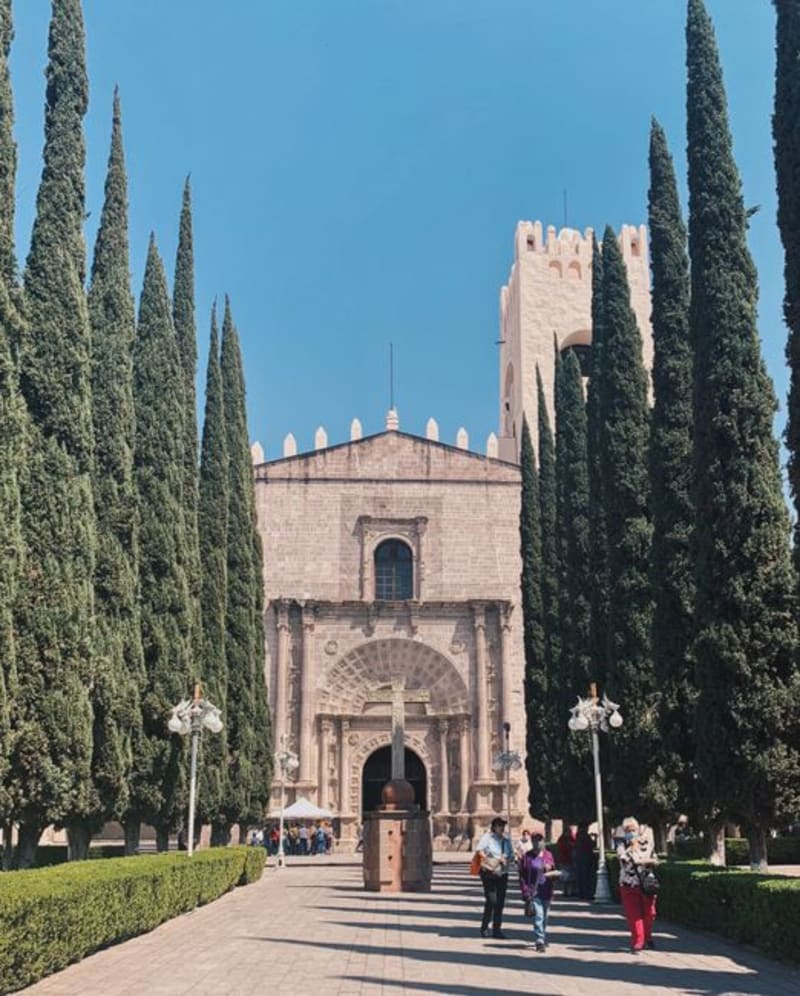 mexico
Alfajayucan
Alfajayucan sits in the Mezquital valley where Otomi communities have tended agave, prickly pear, and stone-walled milpas for centuries. A 16th-century Augustinian monastery presides over the plaza in handsome disrepair, and the semi-arid landscape holds an austere, unhurried beauty that photographs never quite capture.
Explore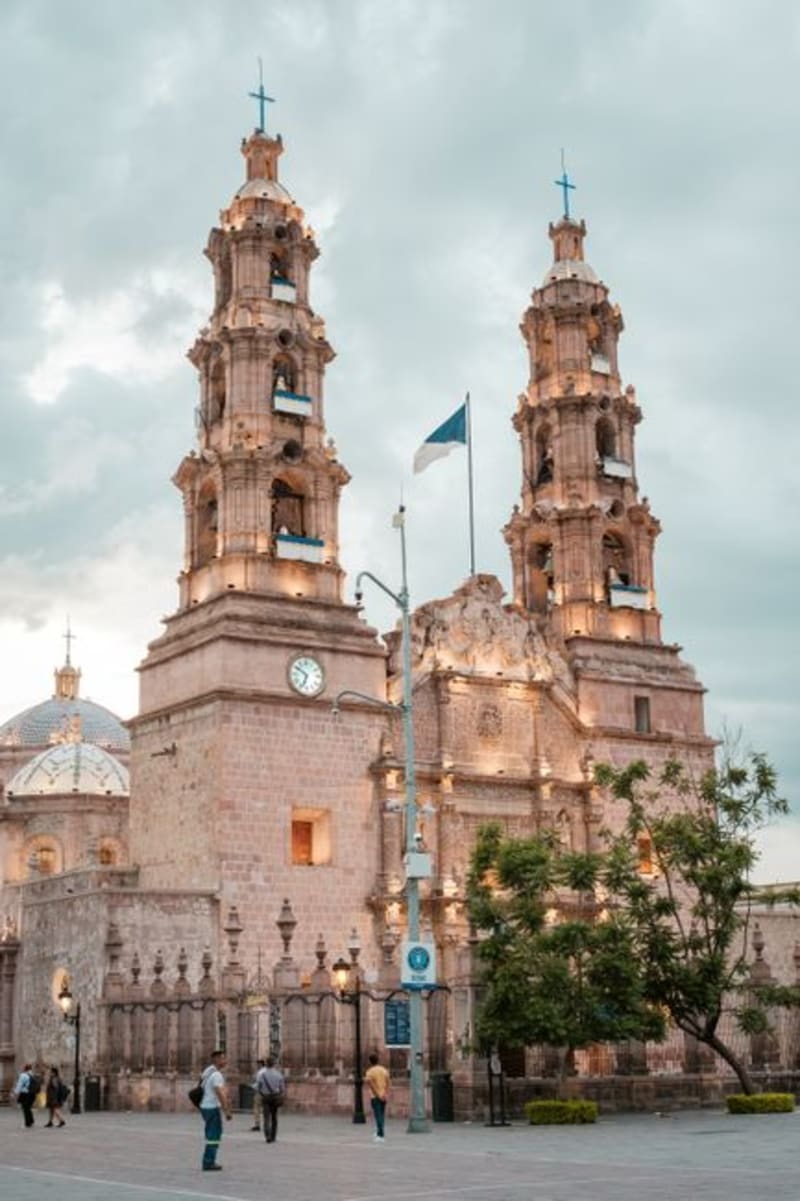 mexico
Huichapan
A compact Pueblo Mágico in Hidalgo's highlands where a 16th-century Augustinian convent, hand-painted Talavera ceramics, and a Thursday market unchanged in decades coexist with an unhurried ease that larger colonial towns lost long ago.
Explore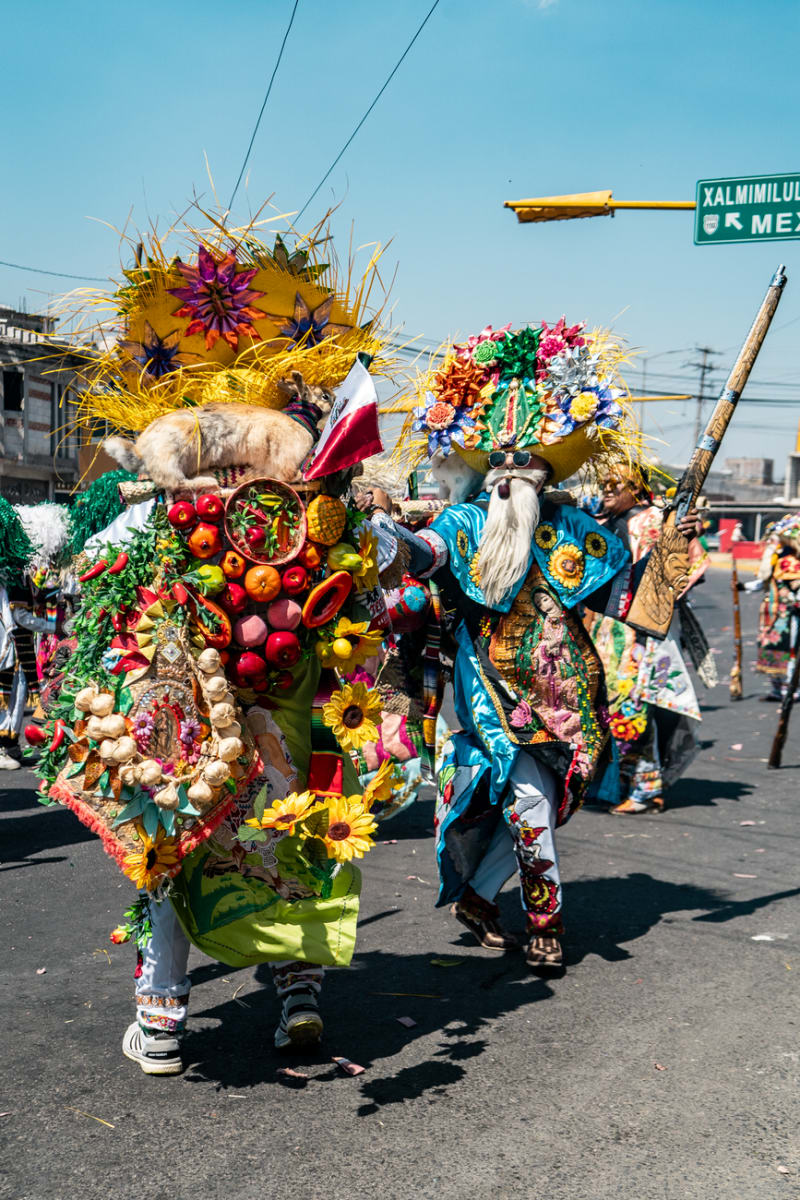 mexico
Ixmiquilpan
Ixmiquilpan is the main Otomí city of the Valle del Mezquital, and its sixteenth-century Augustinian church contains murals so anomalous that art historians have been arguing about them for decades — warriors in feathered headdresses fighting monsters representing vices, painted in a style that owes far more to pre-Hispanic codices than to anything that belongs in a Catholic nave. The valley outside the town is semi-arid and extraordinary: maguey and cactus on thin volcanic soil, hot springs in the desert, Otomí communities whose language and textile traditions have survived four hundred years of being told they wouldn't.
Explore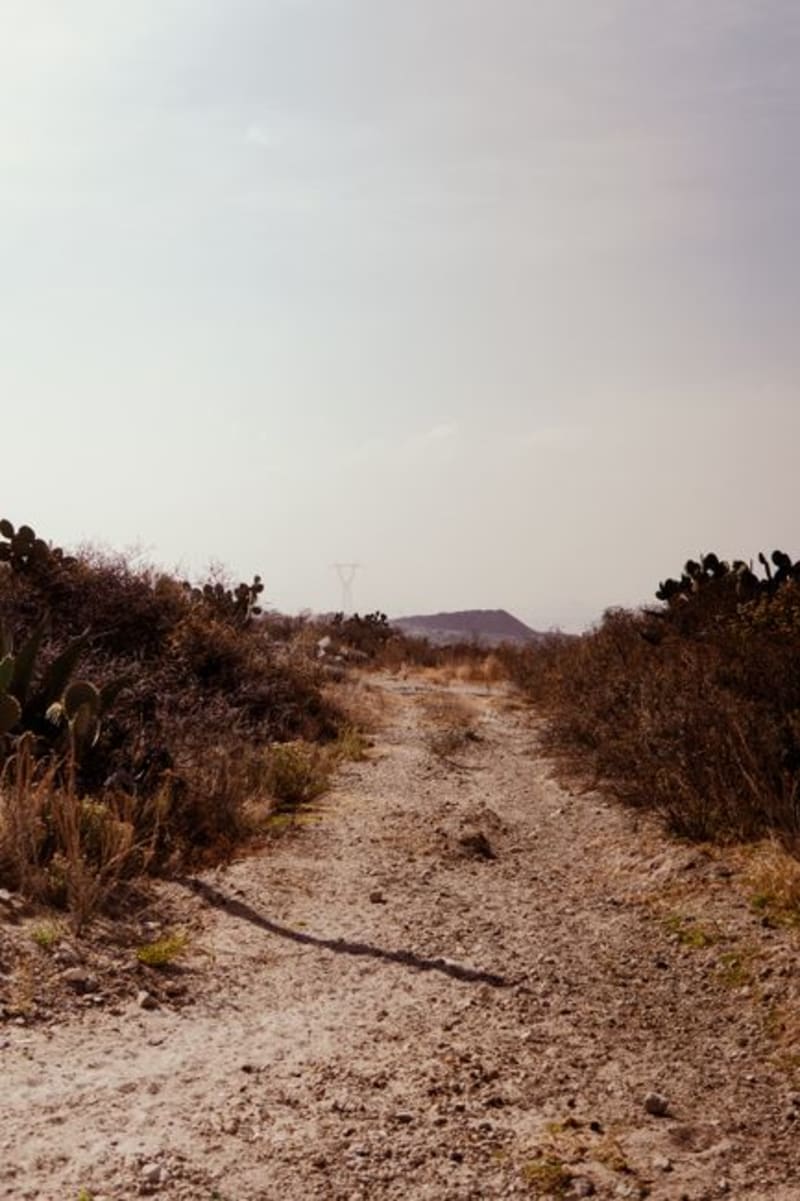 mexico
Tasquillo
Tasquillo sits at the edge of the Presa Zimapán in the Mezquital Valley, where limestone ridges thick with organ pipe cactus drop into water that reads, implausibly, as turquoise. The Otomí communities of this valley maintain traditions older than the colonial record, and the road through here is among the most quietly dramatic in Hidalgo.
Explore