Alfajayucan
"The Mezquital valley around Alfajayucan is the Mexico that did not make it onto the poster — dry, patient, and quietly magnificent if you give it time."
Alfajayucan sits in the Mezquital valley where Otomi communities have tended agave, prickly pear, and stone-walled milpas for centuries. A 16th-century Augustinian monastery presides over the plaza in handsome disrepair, and the semi-arid landscape holds an austere, unhurried beauty that photographs never quite capture.

I came to Alfajayucan on a Tuesday in late February, which is to say I came with almost no company and no particular plan. The colectivo from Ixmiquilpan dropped me at the edge of the plaza sometime around noon, and the first thing that struck me was the silence — not empty silence, but the kind that a place makes when it has been largely left alone. A man was trimming a maguey on the far side of the road. Two women crossed in front of the monastery with baskets. The sun was already burning. I found a chair outside the single open comedor and ordered whatever was in the pot.
The Monastery and the Plaza
The Augustinian convent of San Mateo Apóstol dates to the 1550s, and from the outside it looks as though it has been slowly returning to the earth ever since — which is not an insult. The atrium walls are cracked in precise geometric patterns. The church portal still carries carved stonework that someone spent years on, and you can stand close enough to read the wear in every chisel mark. Inside, the nave is cool and dim, and a few wooden santos stand in niches that have long since lost their gilding. Nobody is selling anything. There is no entrance fee, no audio guide, no queue. I spent forty minutes in there on my first visit and probably an hour on my second, and both times I had the place entirely to myself.

Otomi Country and the Milpa Landscape
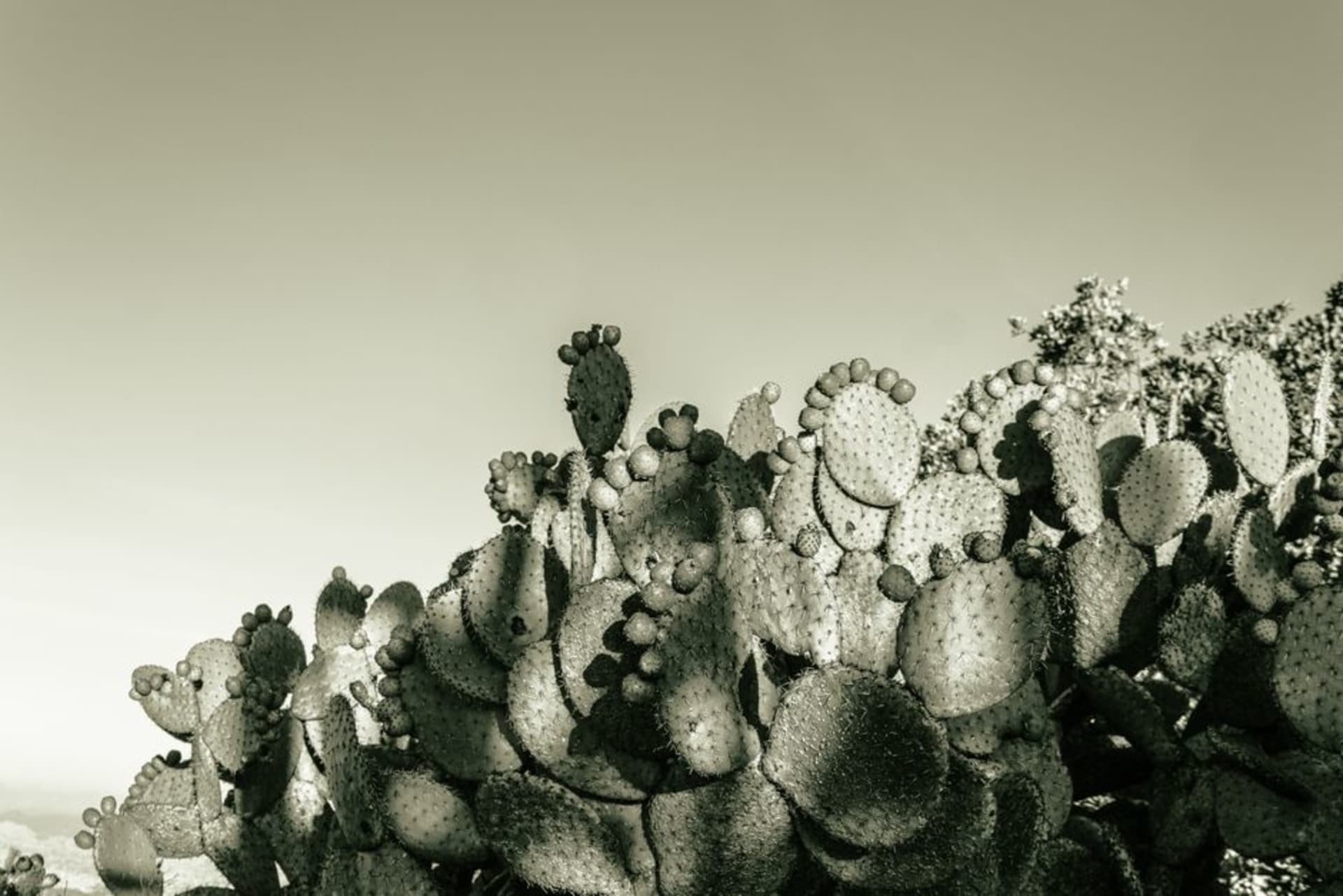
The real reason to stay longer than an afternoon is the land itself. The Mezquital valley is Otomi territory, and the relationship between the communities here and the landscape is old and legible — agave plants staked with wooden poles at the edges of fields, nopal cactus cropped flat for forage, small milpas terraced into hillsides with stone walls built without mortar and standing anyway. If you walk out of town on the Camino a Dios Padre in the late afternoon, the light goes orange across the scrub and the bleached limestone outcrops, and the whole scene has a patience to it that is genuinely unusual. I ate pulque for the first time in this valley — fresh, slightly viscous, faintly sour — poured from a plastic bucket by a man who made it clear that the correct response was a second cup.

What You Eat
The comedor on the north side of the plaza — no sign, just a handwritten cardboard menu taped to the window — runs a rotating pot from about eleven until it runs out. The day I had barbacoa de borrego wrapped in maguey leaves, it ran out before one in the afternoon. The day I had caldo de res with chiles secos, there was still some left at two-thirty. Warm tortillas come from a basket covered with an embroidered cloth, and the salsa is made with tomatillo and dried chiles and is significantly hotter than it looks.

Getting There
Colectivos run between Ixmiquilpan and Alfajayucan throughout the morning and early afternoon — the ride takes around thirty minutes and costs very little. Ixmiquilpan is itself two hours north of Mexico City by ADO or by car on the México-Querétaro highway turning onto the 85D. There is no bus station in Alfajayucan; you flag the colectivo on the main road.
Keep exploring
More of Hidalgo
Keep exploring
More from Hidalgo
 mexico
 Tasquillo
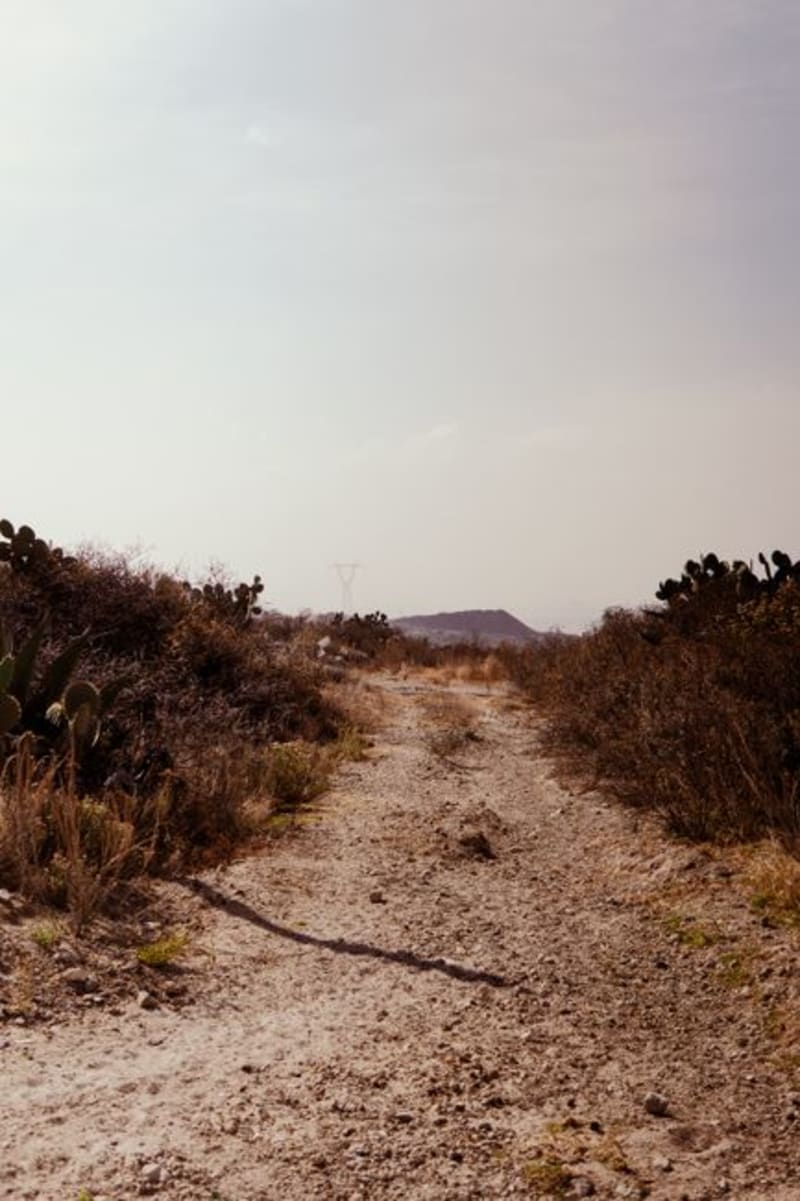
Tasquillo sits at the edge of the Presa Zimapán in the Mezquital Valley, where limestone ridges thick with organ pipe cactus drop into water that reads, implausibly, as turquoise. The Otomí communities of this valley maintain traditions older than the colonial record, and the road through here is among the most quietly dramatic in Hidalgo.
Explore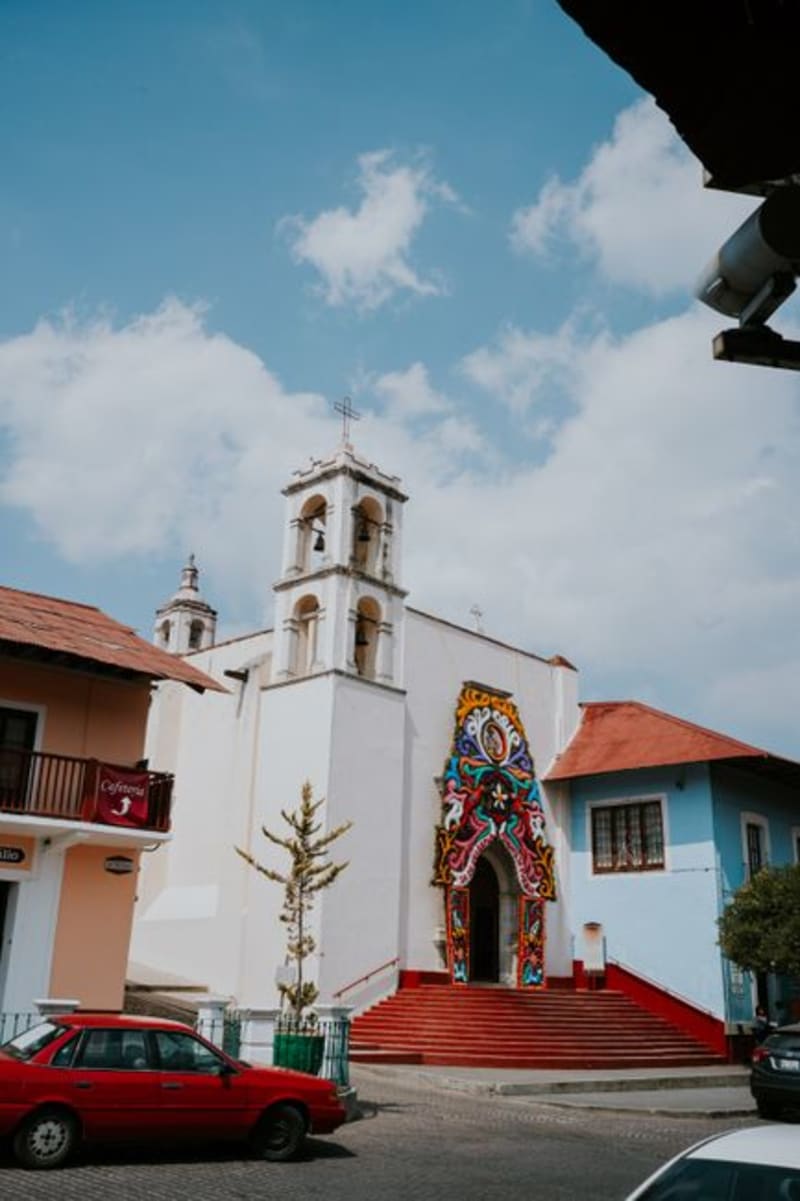 mexico
 Chilcuautla
A dusty Otomí town in the Valle del Mezquital of Hidalgo, where mezquite scrub meets irrigation canals and thermal water rises warm from an arid ground. This is resilience made landscape — a place that has learned to make a hard valley yield.
Explore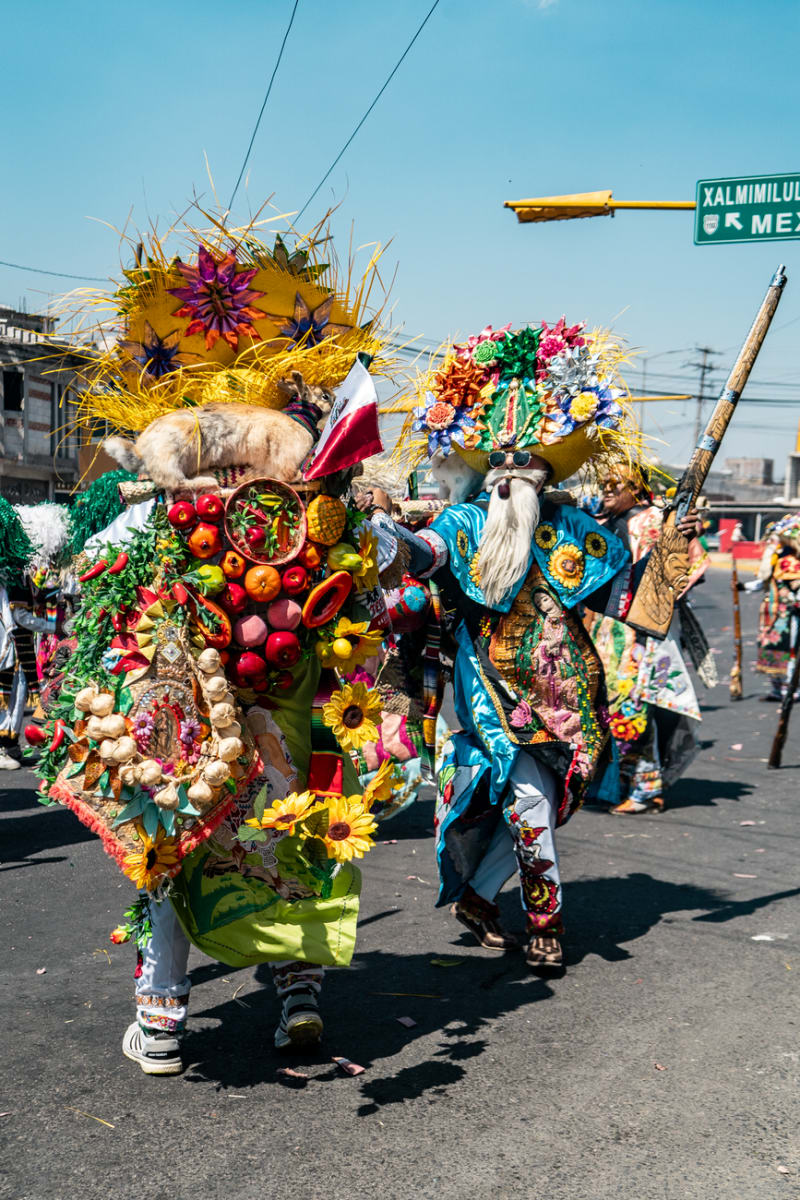 mexico
 Ixmiquilpan
Ixmiquilpan is the main Otomí city of the Valle del Mezquital, and its sixteenth-century Augustinian church contains murals so anomalous that art historians have been arguing about them for decades — warriors in feathered headdresses fighting monsters representing vices, painted in a style that owes far more to pre-Hispanic codices than to anything that belongs in a Catholic nave. The valley outside the town is semi-arid and extraordinary: maguey and cactus on thin volcanic soil, hot springs in the desert, Otomí communities whose language and textile traditions have survived four hundred years of being told they wouldn't.
Explore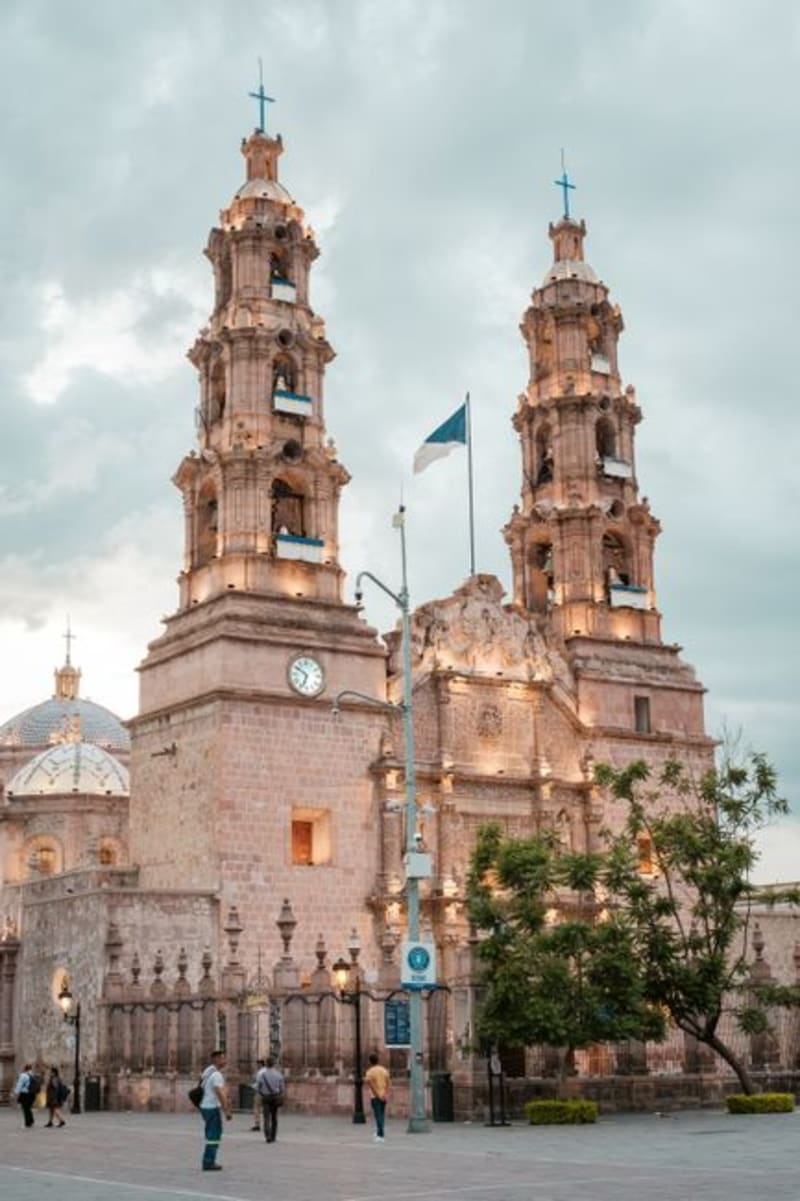 mexico
 Huichapan
A compact Pueblo Mágico in Hidalgo's highlands where a 16th-century Augustinian convent, hand-painted Talavera ceramics, and a Thursday market unchanged in decades coexist with an unhurried ease that larger colonial towns lost long ago.
Explore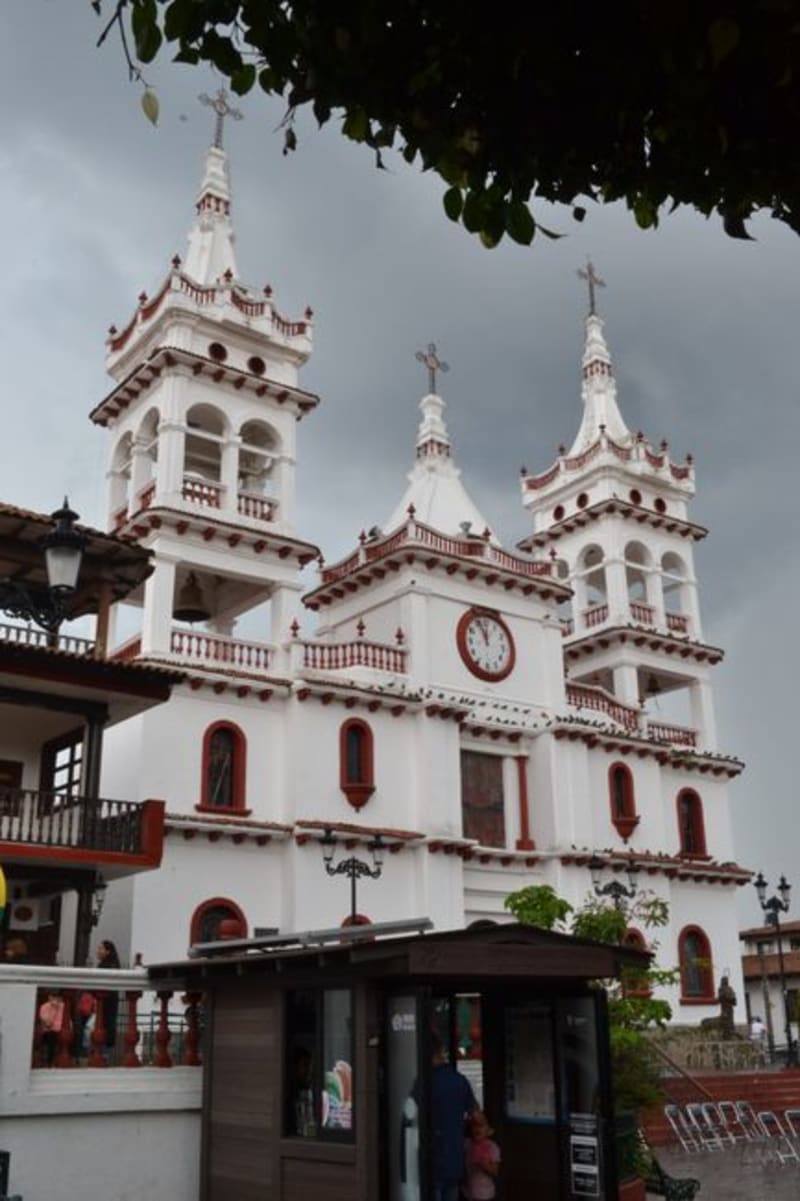 mexico
 Tecozautla
A Pueblo Mágico in the dry northwest corner of Hidalgo, where a geyser vents steam into a semi-arid valley and hot springs feed a string of balnearios. Agave and pulque country edging into young vineyards, warm dry days, and a plaza built for doing very little at a very pleasant pace.
Explore mexico
 Nopala de Villagrán
A town on the wide flat plains of southwestern Hidalgo, deep in agave and pulque country. Maguey rows to the horizon, farm fields, an old parish church, and a sky so big it flattens everything under it. Nothing to rush for, which is the whole appeal.
Explore