Acaxochitlán
"You go up out of the dry valley and the temperature drops, the pines close in, and suddenly it smells like rain."
A cool, green mountain municipality in the eastern sierra of Hidalgo, Nahua and Otomí country wrapped in mist and pine. Coffee and blackberries on the slopes, a lake tucked in the hills, fruit wines and warm artisan bread, and a market town where the fog comes down like a decision.

Hidalgo does a trick I never tire of: an hour’s drive can carry you from cactus and dust into a world of pine and mist, and Acaxochitlán is the payoff at the green end of that road. I climbed up from the arid center of the state on a grey morning, the fog thickening as I gained altitude, and by the time I reached the town the whole landscape had gone soft and cool and smelled of woodsmoke and wet earth. I bought a bag of blackberries from a woman at the roadside, still cold from the hillside, and ate them driving, staining my fingers, absurdly happy.
Coffee, Blackberries, and the Green Slopes
This is a farming municipality first and a destination second, and its wealth is written on the slopes: coffee under shade trees, and above all zarzamora — blackberries — grown across the hills in quantities that surprised me. In season the roadsides are lined with people selling them by the basket, cheap and impossibly good. I walked a bit of a coffee slope with a grower who explained, with the mix of pride and complaint universal to farmers everywhere, how the mountain cold slows the cherries and concentrates them. The mist that makes this place feel enchanted is also, prosaically, why the coffee is worth drinking. I bought a kilo I had no way to grind and regretted nothing.

The Laguna and the Pine Forest
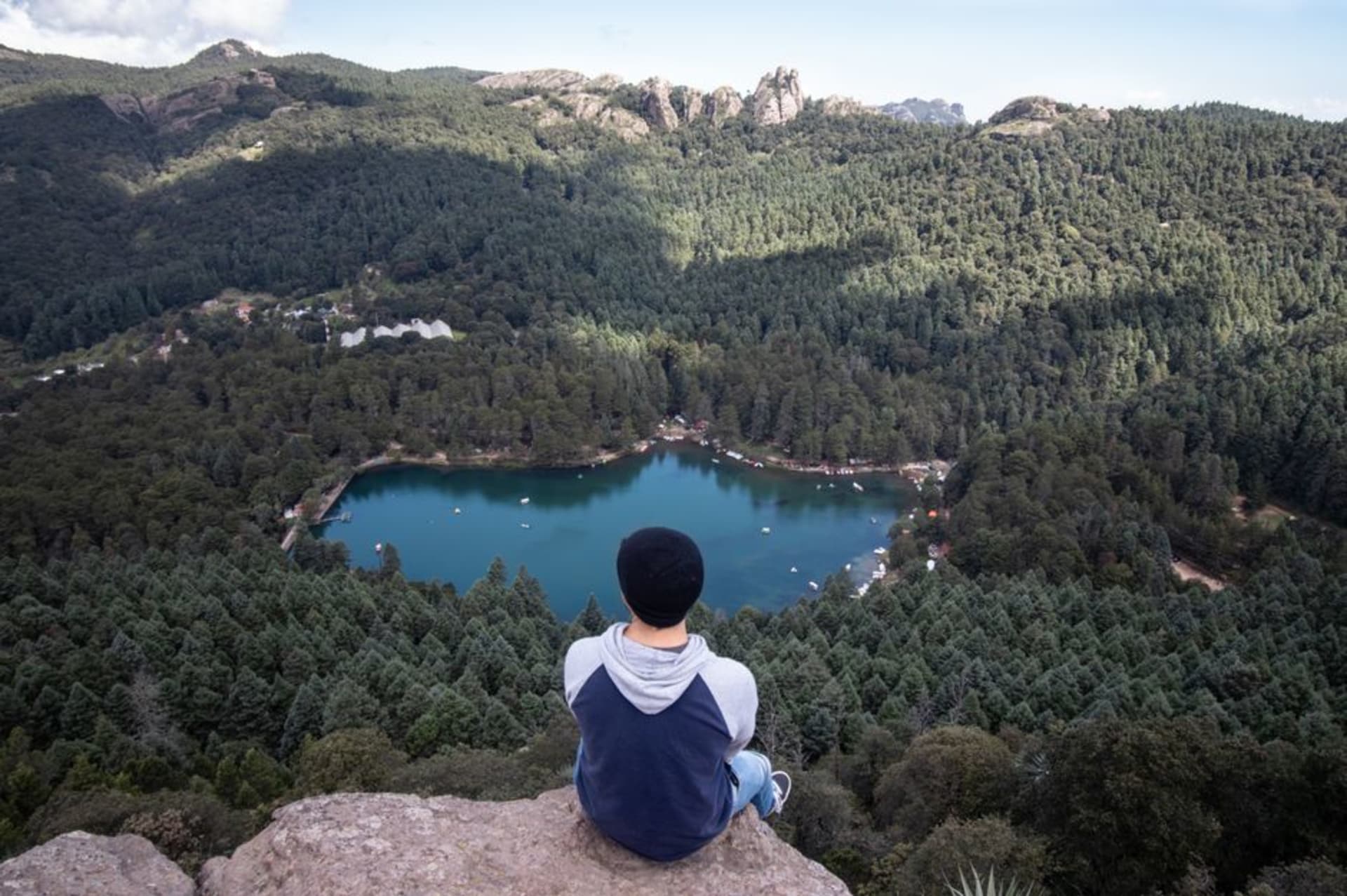
Tucked in the hills near town is the Laguna de Atezca, and I went looking for it more out of restlessness than expectation. What I found was still dark water ringed by pine forest, the far shore dissolving into fog, everything hushed the way high forests are hushed. A few families were out with kayaks and a man was selling roasted corn from a cart, but mostly it was quiet, the kind of quiet where you can hear water dripping off needles. I walked the shore until the path petered out and stood a while doing nothing but breathing air that felt scrubbed clean. After weeks in the lowlands, the cold and the pine smell hit me like a tonic.

Bread, Fruit Wine, and the Market
The town itself is a proper market town, Nahua and Otomí, and its particular pleasures are edible. Acaxochitlán is known for its artisan bread — warm, dense, faintly sweet loaves I ate too much of — and for vino de frutas, homemade fruit wines pressed from the blackberries and other fruit the hills produce in excess. I sat in the market while the fog pressed against the doorways and worked through a plate of bread and a small glass of blackberry wine that was sweet and rough and exactly right for the weather. A vendor pressed a second variety on me to try, made from a fruit I didn’t recognize, and refused payment. The town runs on that kind of easy generosity, the confidence of a place that grows its own good things.

Getting There
Acaxochitlán lies in the eastern sierra of Hidalgo, on the highway that runs between Pachuca and Tulancingo toward the Puebla sierra. From Mexico City it’s roughly two to two and a half hours; from Pachuca, under an hour and a half. Buses toward Tulancingo and the sierra pass close, but a car makes the coffee slopes, the laguna, and the market easy to string together. Bring a jacket — the altitude keeps it cool and the fog is a near-daily visitor — and come hungry. This is a place to eat blackberries off your fingers and let the mountain weather do what it wants. Don’t fight the fog. It’s the whole mood.
Keep exploring
More of Hidalgo
Keep exploring
More from Hidalgo
 mexico
 Tenango de Doria
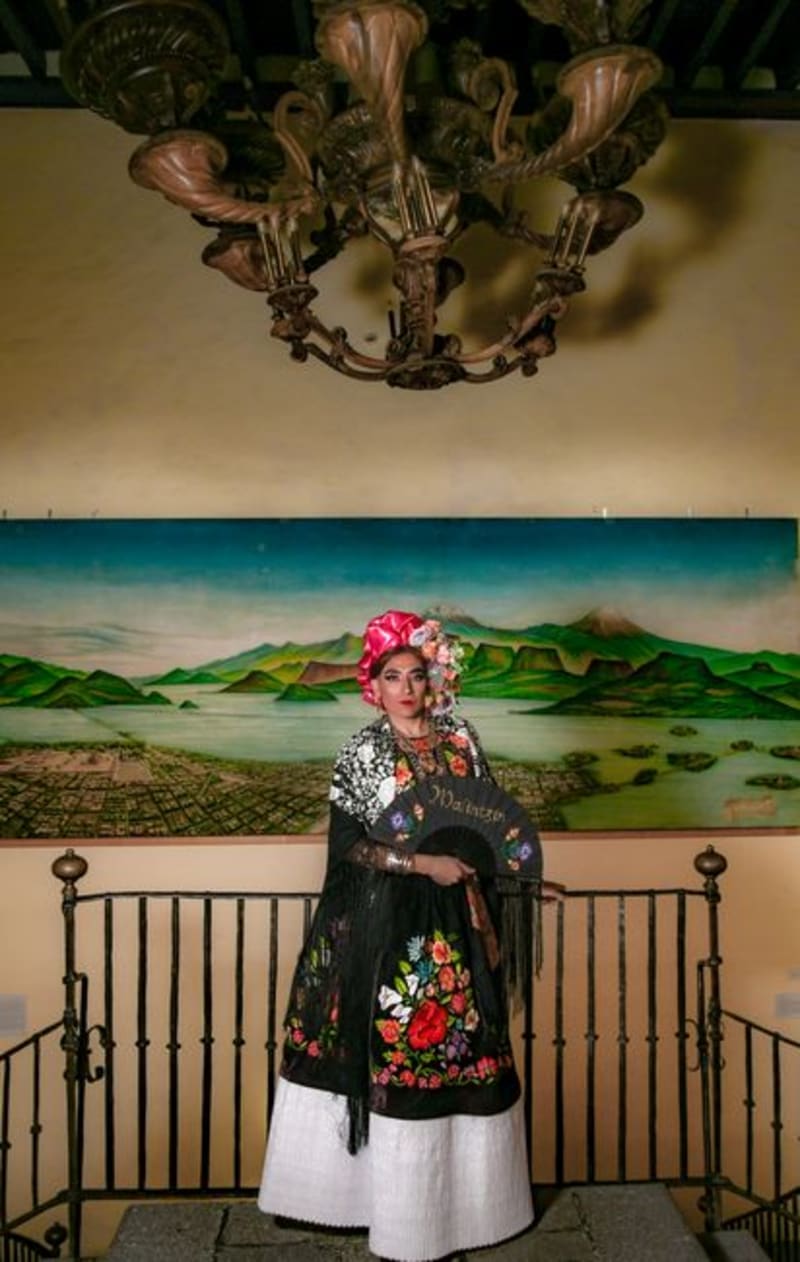
In the Sierra Otomí-Tepehua highlands of northern Hidalgo, Tenango de Doria is the source of one of Mexico's most distinctive textile traditions — hand-embroidered panels depicting animals, flowers, and human figures in a visual language rooted in pre-colonial cosmology. The village sits cloud-wrapped at nearly 1,800 meters, with a waterfall within walking distance of the plaza.
Explore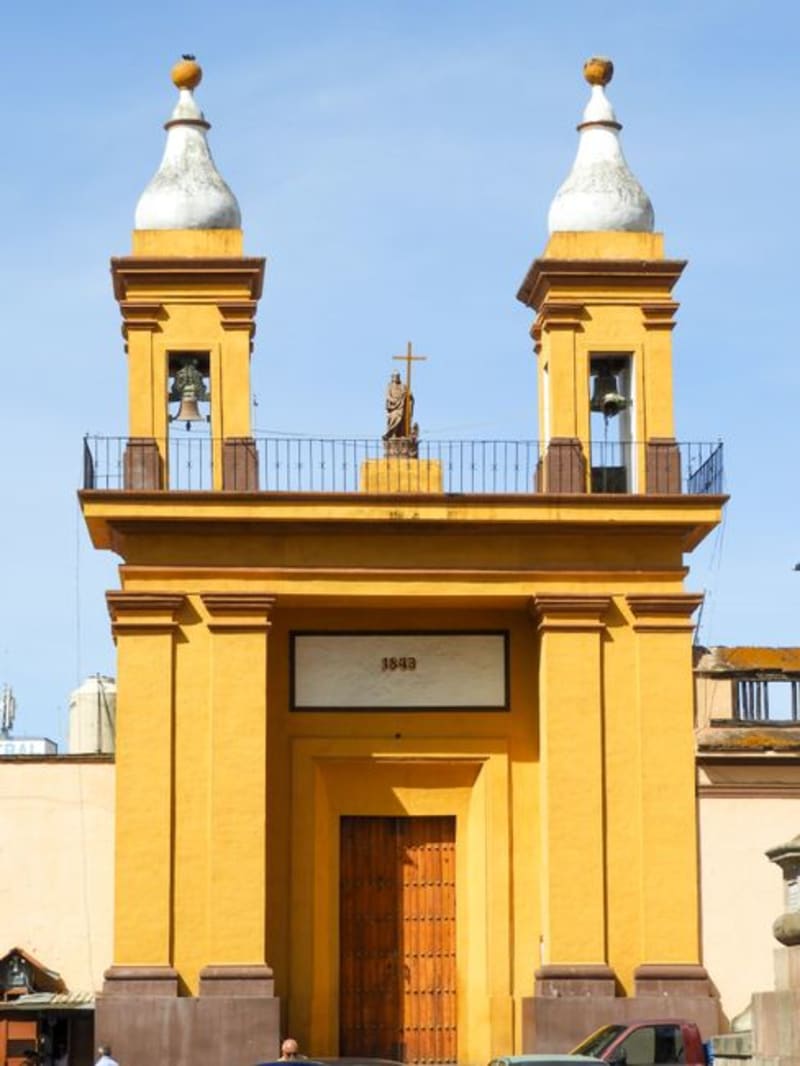 mexico
 Tulancingo
Hidalgo's second city sits in a valley that was significant long before the Spanish arrived — the Toltecs established themselves here, and the colonial cathedral rising above the market streets reflects the centuries of missionary ambition that followed. Less polished than Pachuca, and considerably more honest for it.
Explore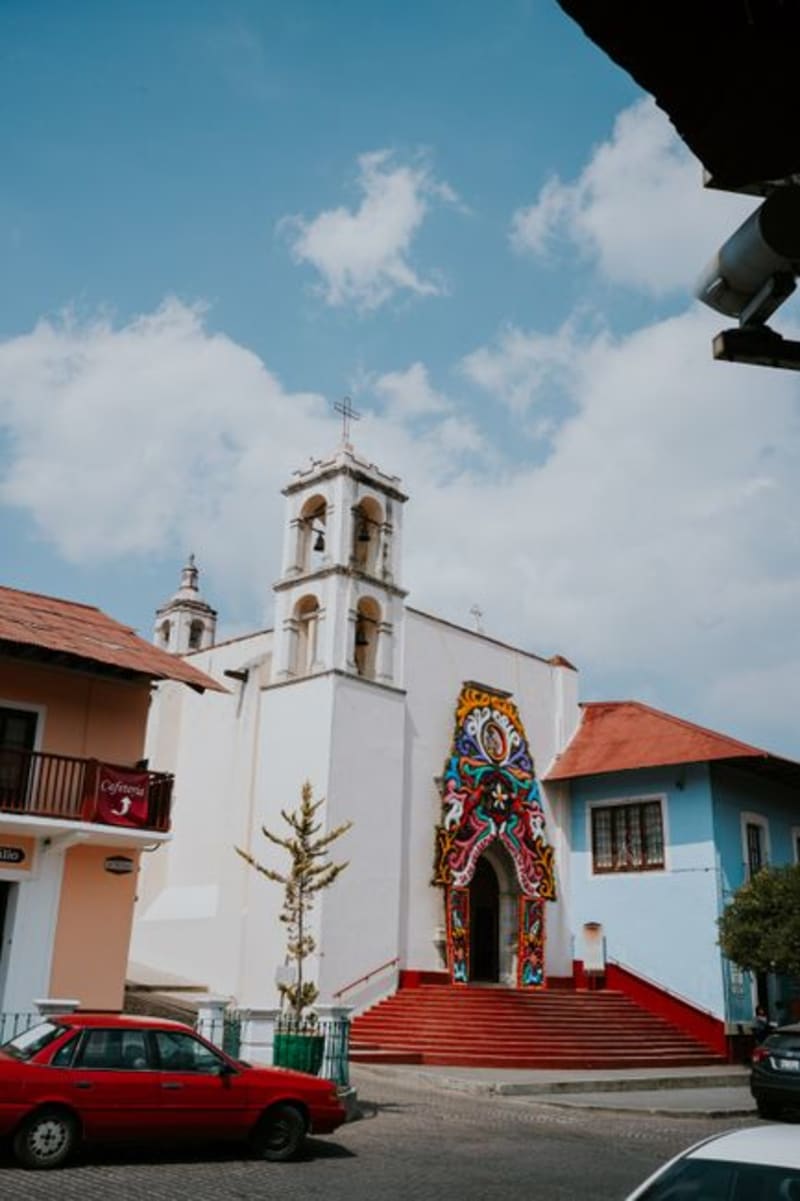 mexico
 San Bartolo Tutotepec
A remote Otomí town in the cloud-forested Sierra Otomí-Tepehua of eastern Hidalgo, one of the cradles of the famous Tenango embroidery. Mist, coffee, and steep green mountains far off any beaten path.
Explore mexico
 Singuilucan
A highland town on the cold Altiplano of southeastern Hidalgo, all pine forest and big open sky, where maguey marches across the plains and pulque haciendas keep the old rhythms. A colonial ex-convent, baroque stone, and the taste of fresh pulque.
Explore mexico
 Huasca de Ocampo
Mexico's first Pueblo Mágico — a Hidalgo village of restored silver haciendas surrounded by dramatic basalt prism formations that look like the Giant's Causeway scaled up to thirty meters and painted in ochre and black.
Explore mexico
 Omitlán de Juárez
A small reservoir town tucked into the pine forests of Hidalgo, just outside the Mineral del Chico national park. The lake changes color through the day in ways that feel deliberate, and the village operates on a rhythm that has nothing to do with the city two hours south.
Explore