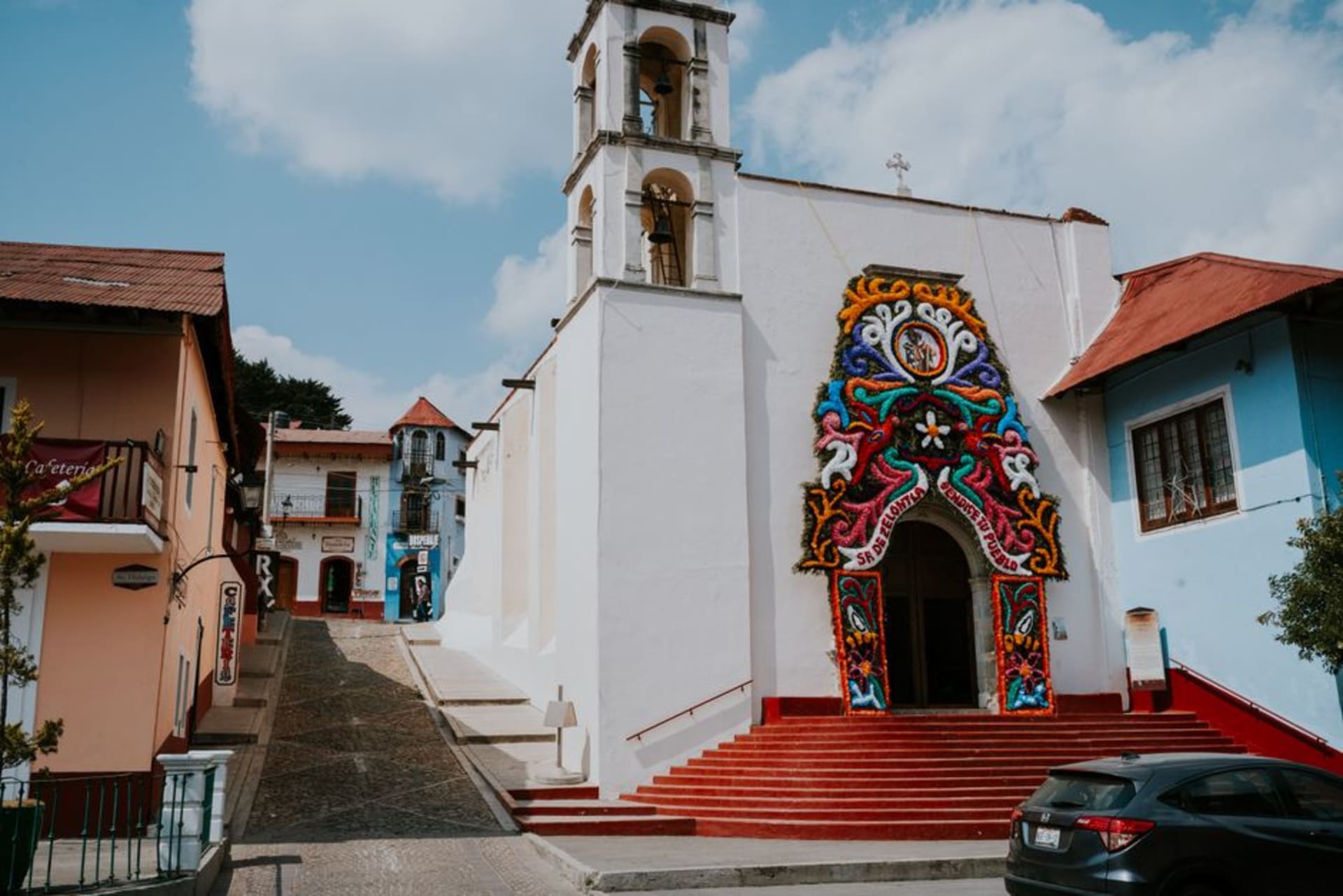
Hidalgo
"Cornish miners came to Real del Monte in 1824. They brought football. The game is still played here. The Cornish influence on the town's food — the paste — is still the local street food."
Hidalgo is the highland state north of Mexico City that most visitors know only as the state their bus passes through on the way from the capital to the Gulf coast. This is a reasonable transit experience and an unreasonable summary of what the state contains.
Hidalgo was the most intensively mined state in colonial New Spain after Zacatecas and Guanajuato — the Real del Monte silver mines were producing ore before the Spanish arrived (the Aztec empire was extracting silver here) and reached peak production in the 19th century when the English Cornwall Mining Company brought 300 Cornish miners to modernize operations. The Cornish left their physical mark (the painted tombstones in the Real del Monte cemetery follow the Cornish tradition of white and colored markers, still visible on the hillside) and their culinary mark: the paste (pasty in Cornish — a turnover filled with potato, bean, or meat, sold on the street in Real del Monte and throughout the state, adopted so completely by Hidalgo culture that it has been declared an Intangible Cultural Heritage).
The state’s geography runs from the Mezquital valley (desert, Otomí communities, cactus fiber weaving) in the west to the tropical Huasteca Potosina border zone in the east. The central highlands contain the mineral district (Real del Monte, Pachuca), the basalt formation of Huasca de Ocampo, and the Tula archaeological site — the Toltec ceremonial center where the warrior columns (precursors to the Chichén Itzá chacmools) stand on the pyramid summit.
The state is consistently undervisited relative to its content, both because the proximity to Mexico City means it reads as a day trip rather than a destination, and because its major attractions (Real del Monte, Huasca, Tula) have not received the national promotion of comparable sites elsewhere.
Explore
Places in Hidalgo
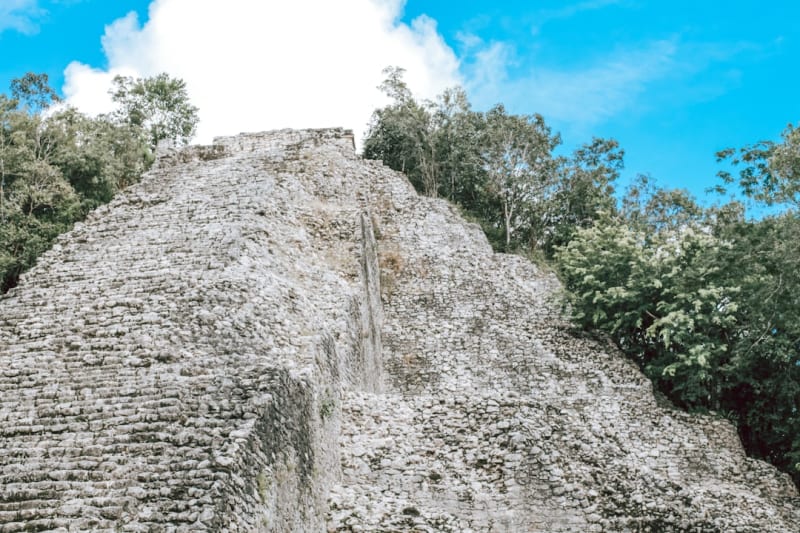
Huasca de Ocampo
Mexico's first Pueblo Mágico — a Hidalgo village of restored silver haciendas surrounded by dramatic basalt prism formations that look like the Giant's Causeway scaled up to thirty meters and painted in ochre and black.
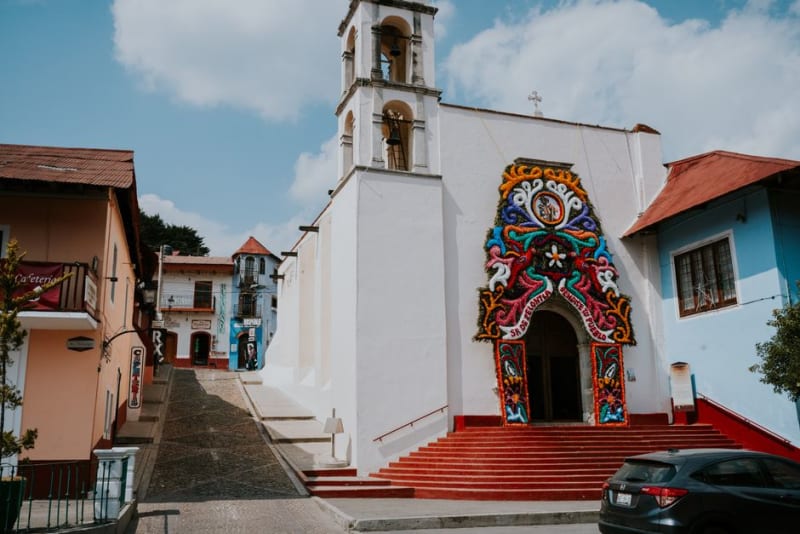
Real del Monte
A Hidalgo mining town where English Cornish miners brought pasties in the 1820s, taught the locals to play football, and left behind the most improbable food tradition in Mexico — every bakery sells pastes, the Mexican version of the Cornish pasty.
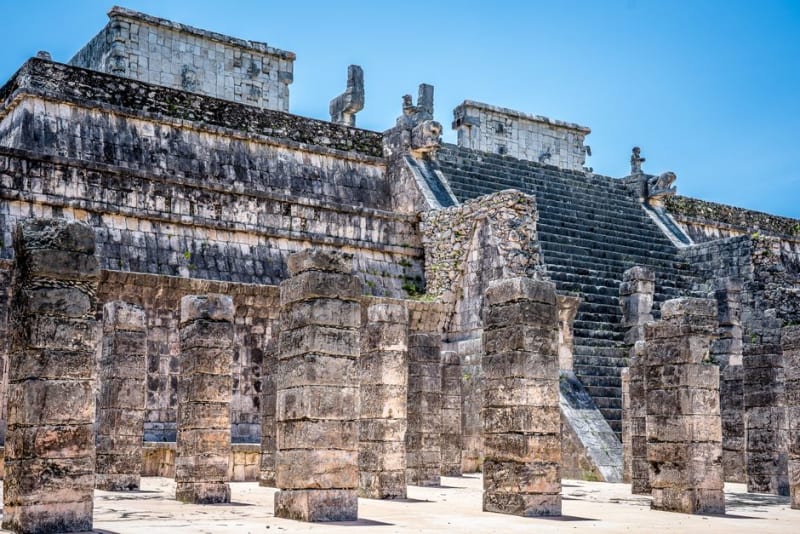
Tula
The Toltec capital of ancient Mexico — four warrior columns six meters tall guard a pyramid that the Aztecs revered as the mythical Tollan, the city where civilization began, two hours from Mexico City and almost always empty.